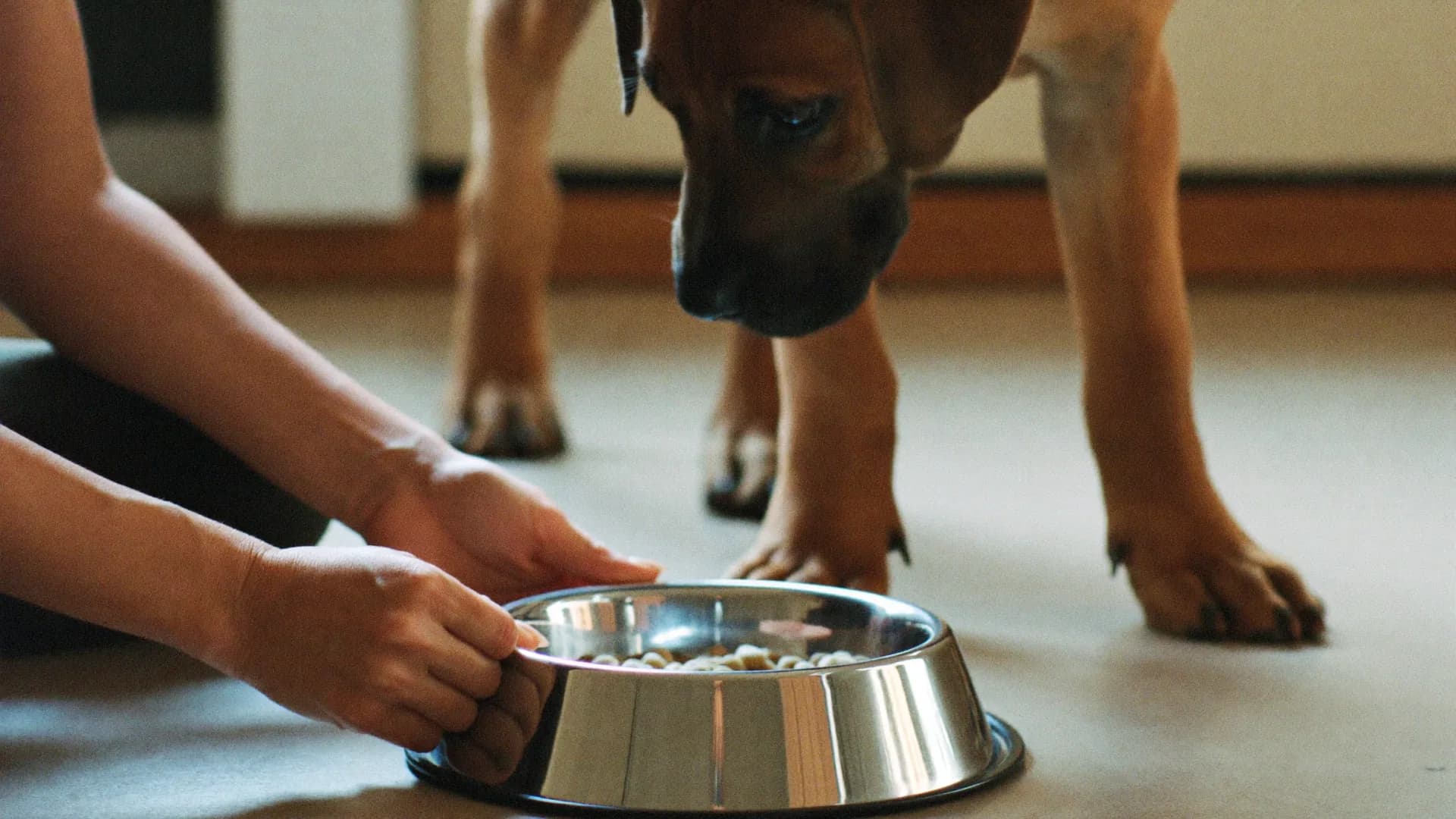
Nutrition
Feeding is where confident numbers do the most damage. A portion that is right for one dog is a third too much for another of the same weight, because age, activity, neutering and metabolism all move the figure — and the number on the bag is a starting point rather than an answer.
These pieces give you that starting point and then the part that matters more: what to watch, and how to tell the amount is wrong. The ribs and the waistline settle the question that no scoop can.
Where a claim is still the subject of research — raw diets, grain-free, the ideal protein level — the article says so instead of picking a side. Diet is also one of the few things worth going through with the vet who has actually weighed the animal in front of them.
The other half of feeding is everything around the bowl: water, treats counted against the day's total, the switch between foods that goes wrong when it is rushed, and the appetite change that is a symptom rather than a preference.
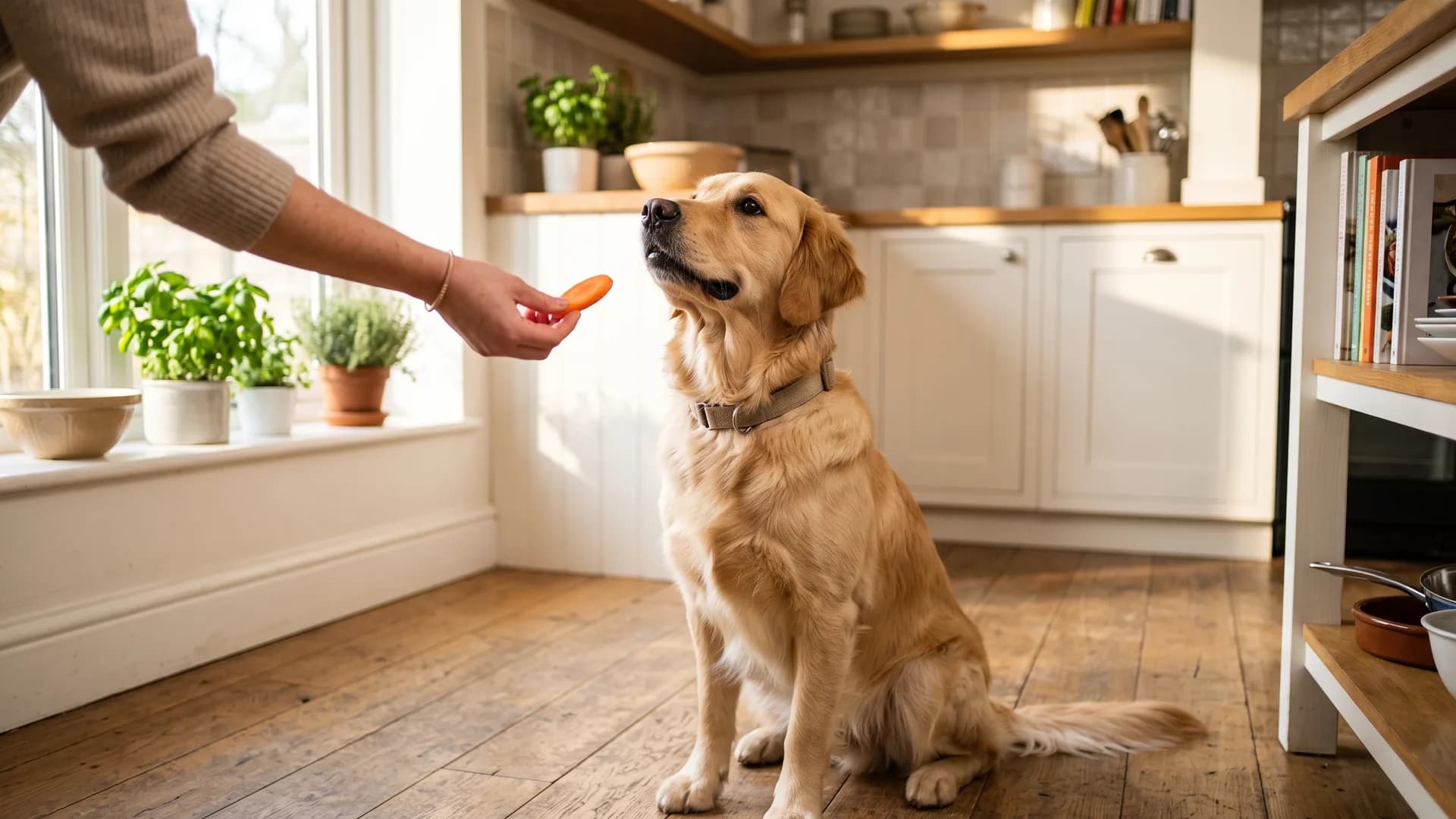
Human foods pets can eat, and how to share them safely
Read More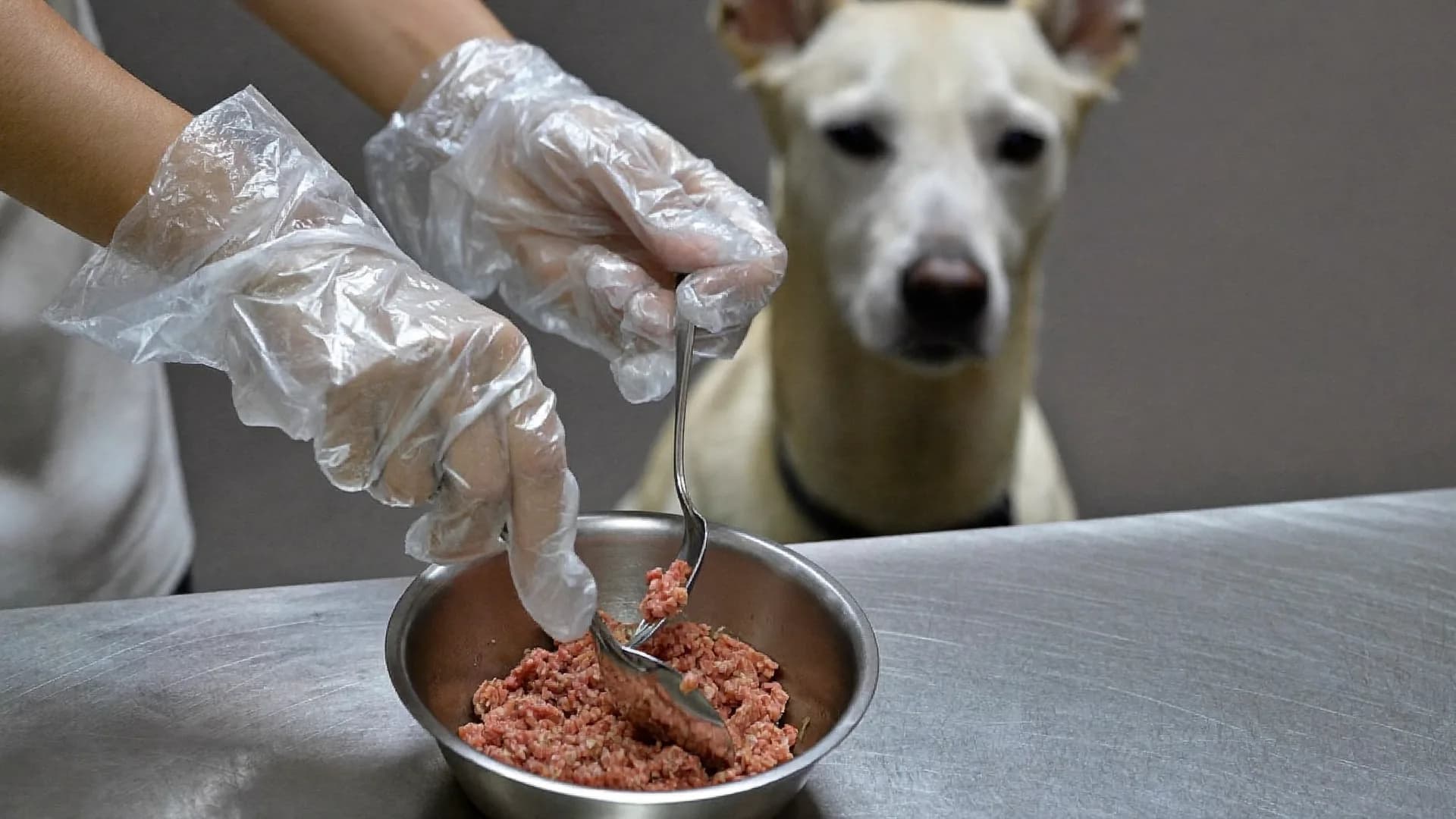
Raw diets for dogs and cats: the evidence, and the risks
Read More
Is my dog or cat overweight? How to tell, and why it matters more than it looks
Read More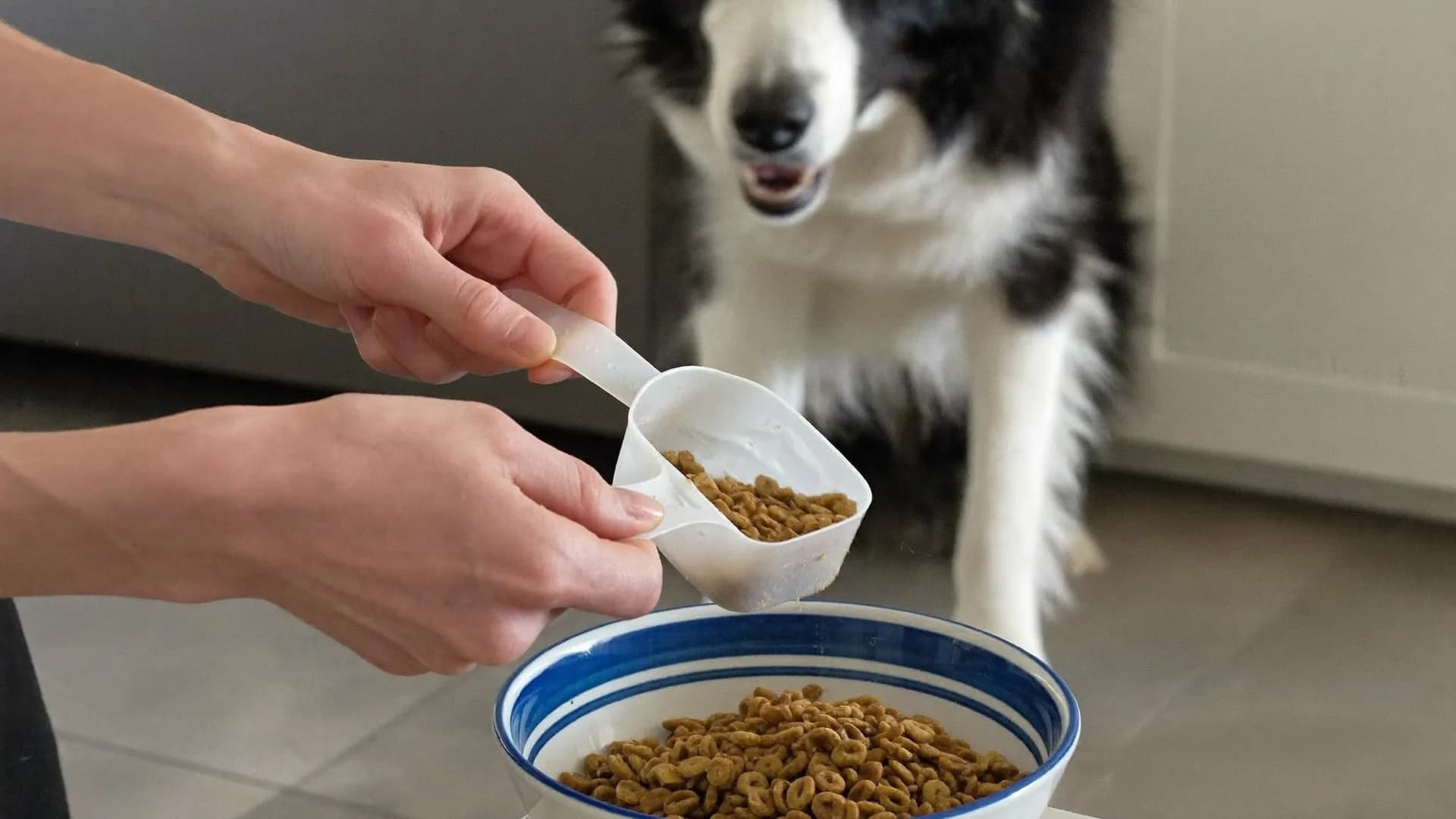
How much should I feed my dog? Start with the dog, not the bag
Read More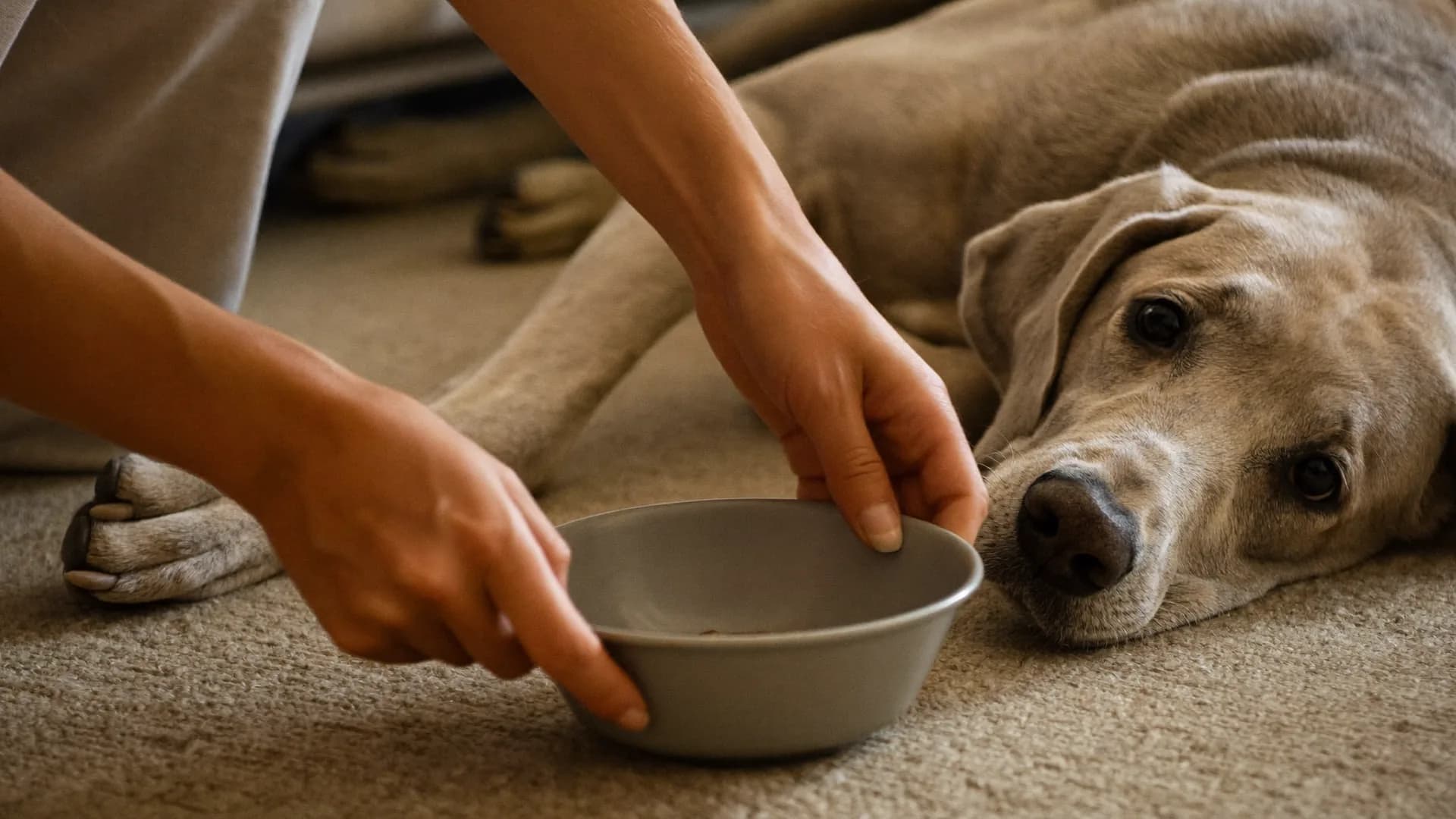
Feeding an older dog or cat: what changes with age
Read More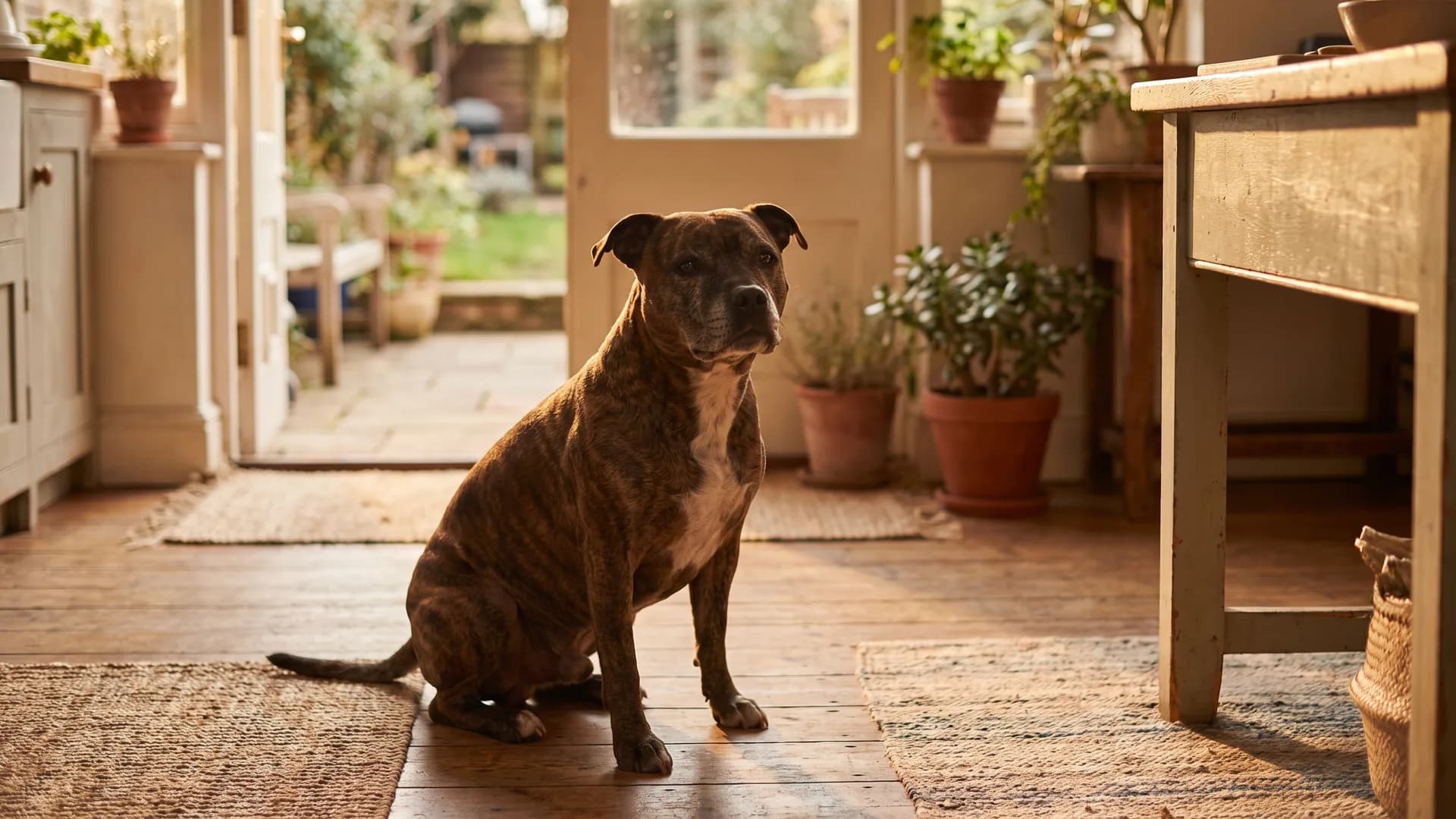
What a pet food ingredient list actually tells you
Read More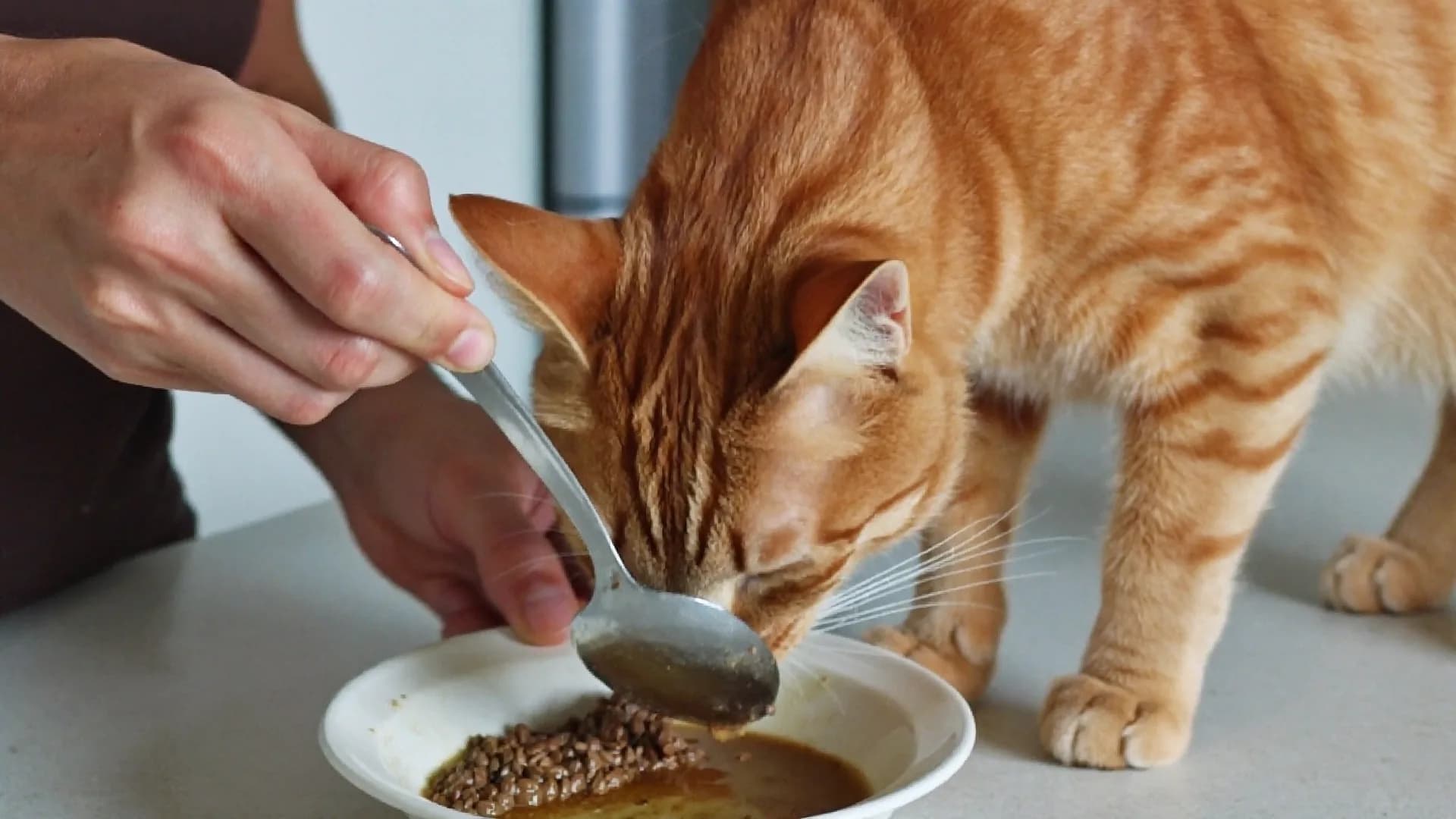
Wet or dry food for a cat: what actually matters
Read More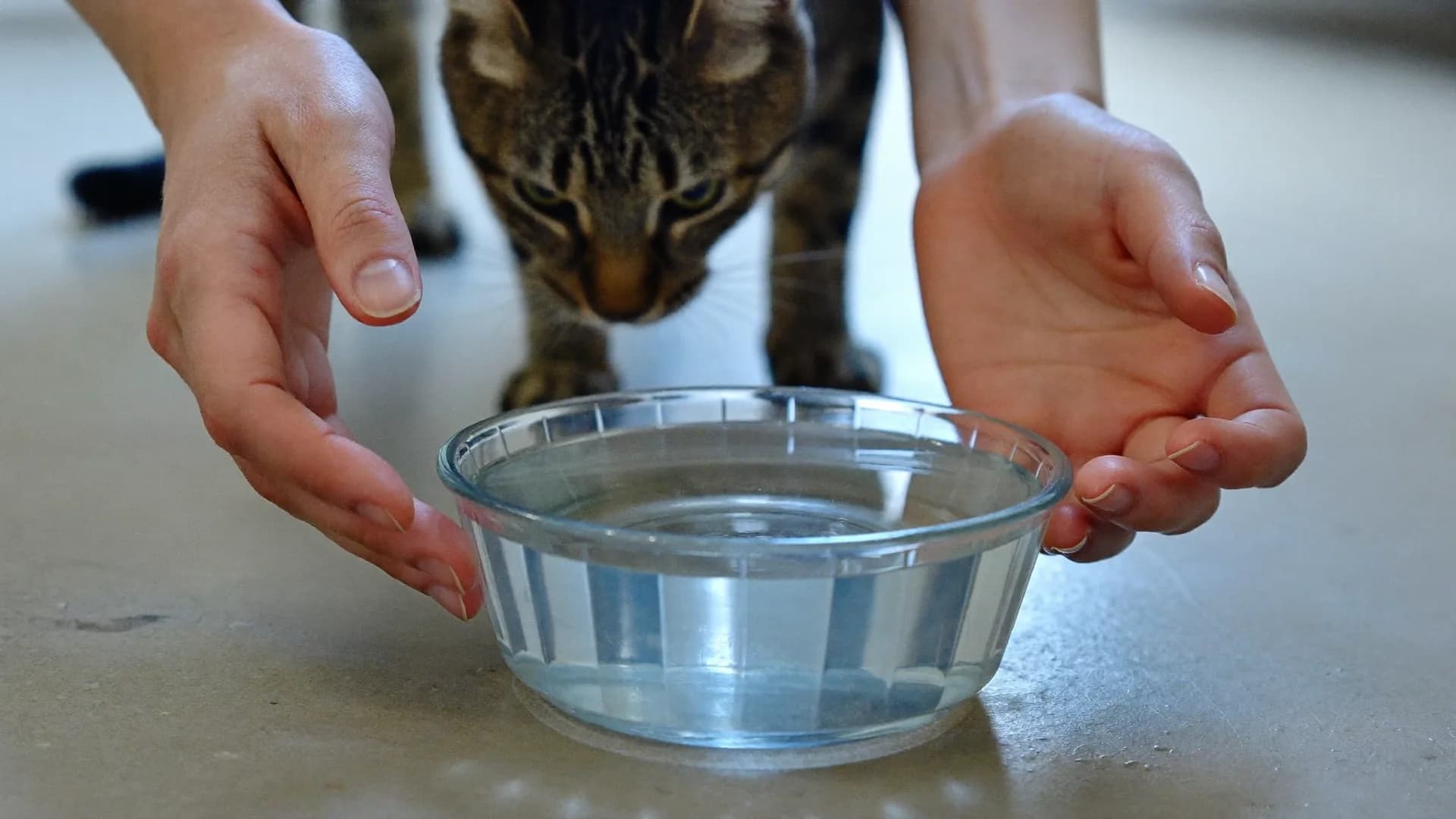
How much water should your dog or cat drink?
Read More
When a cat stops eating, and why it is urgent sooner than you think
Read More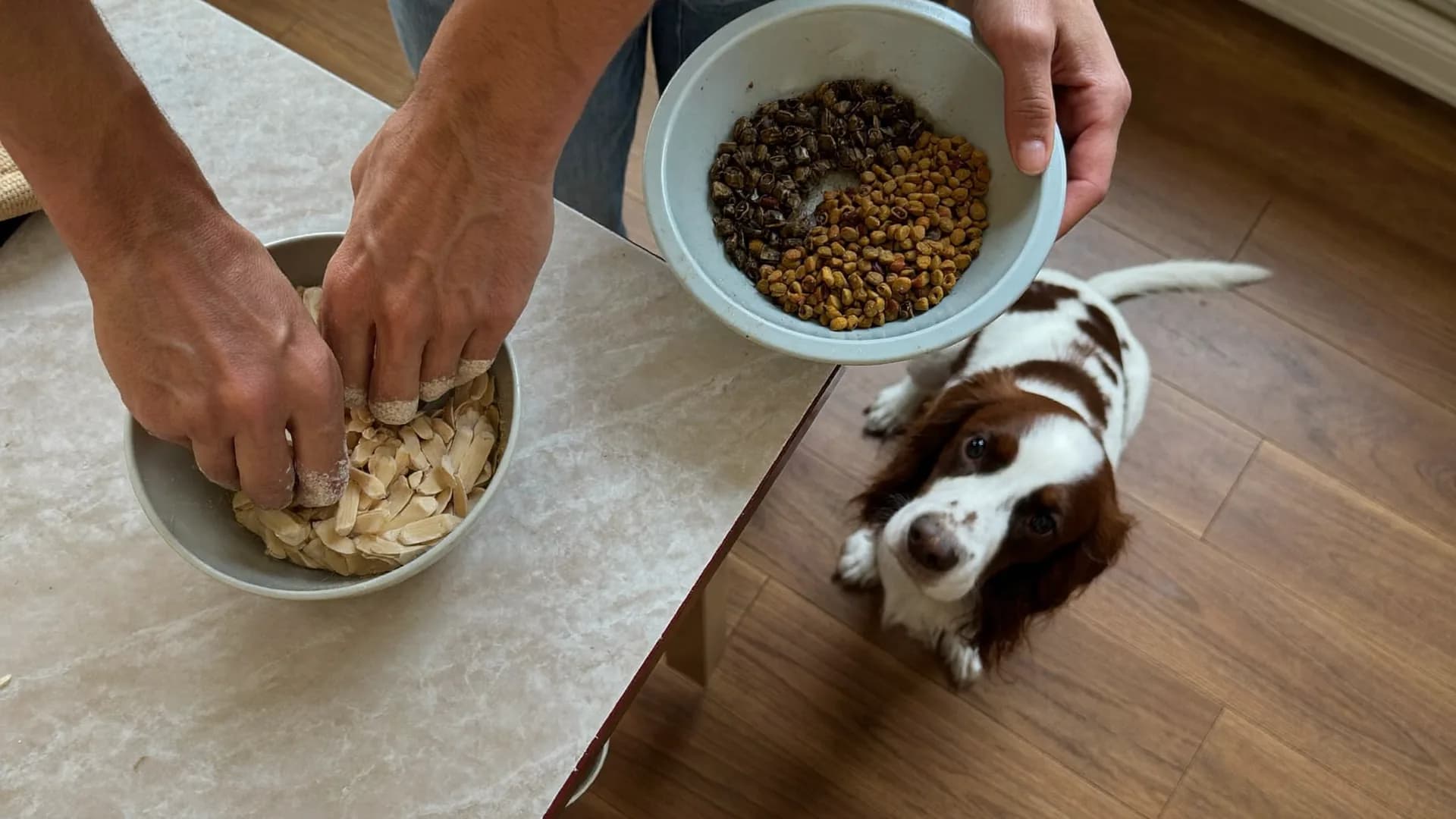
Switching your pet's food without the upset stomach
Read More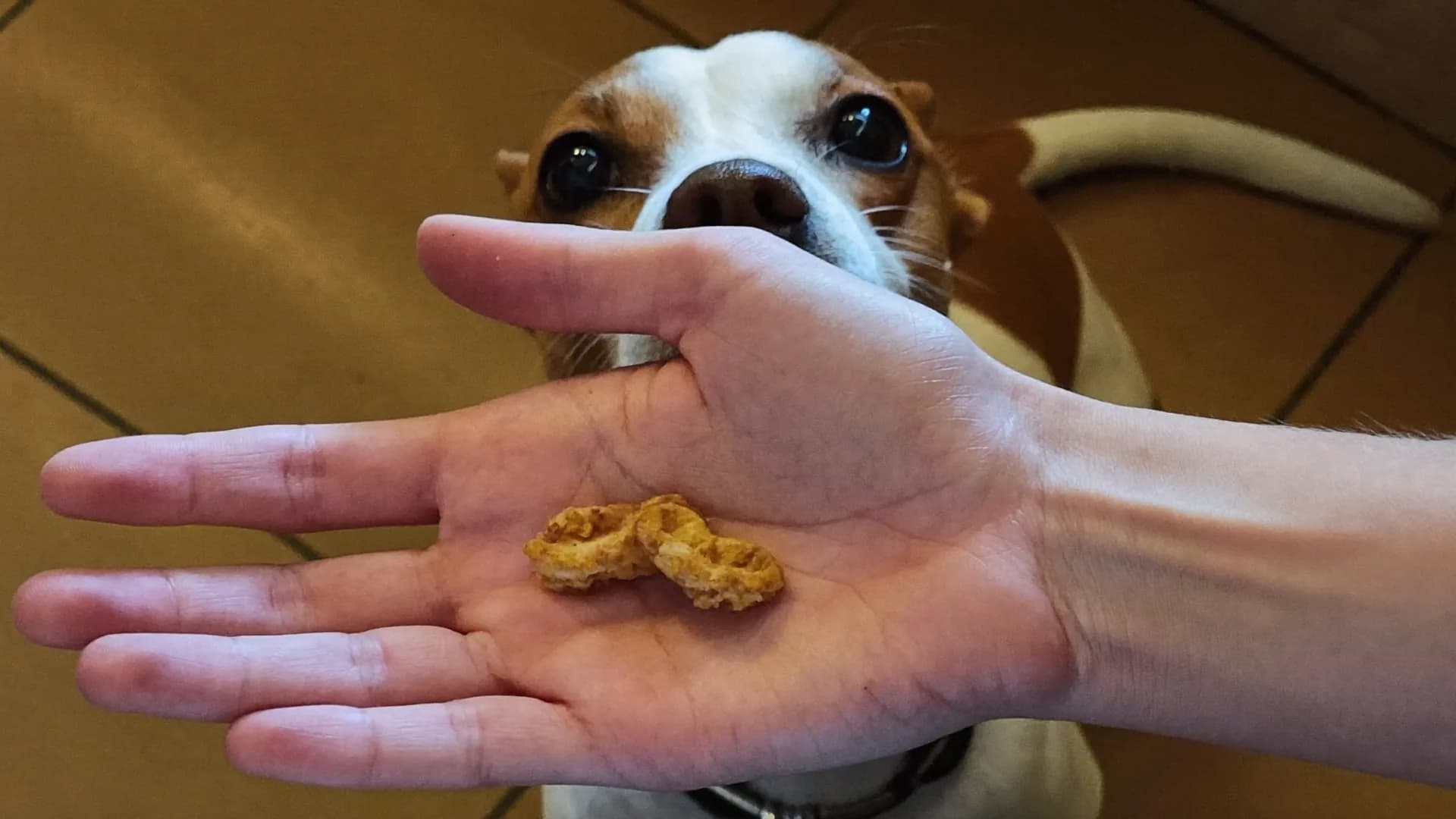
How many treats are too many? The ten-percent rule
Read More