Raw diets for dogs and cats: the evidence, and the risks
Raw feeding is popular, passionately defended and genuinely contested. Here is what the claims are, what the evidence actually shows about benefits and hazards, and how to reduce the risk if you choose to do it.
Few subjects in pet care are as heated as raw feeding, and the heat makes it hard to get a straight answer. Advocates describe transformed coats, cleaner teeth and a diet closer to what an animal evolved to eat; most veterinary bodies warn about nutritional imbalance and infection and advise against it, particularly for households with vulnerable people. Both sides are arguing about a real thing. This is an attempt to lay out what is claimed, what the evidence supports, and what to do about the risks if you decide raw is for you — without pretending the question is settled either way.
What a raw diet is, and what people claim for it
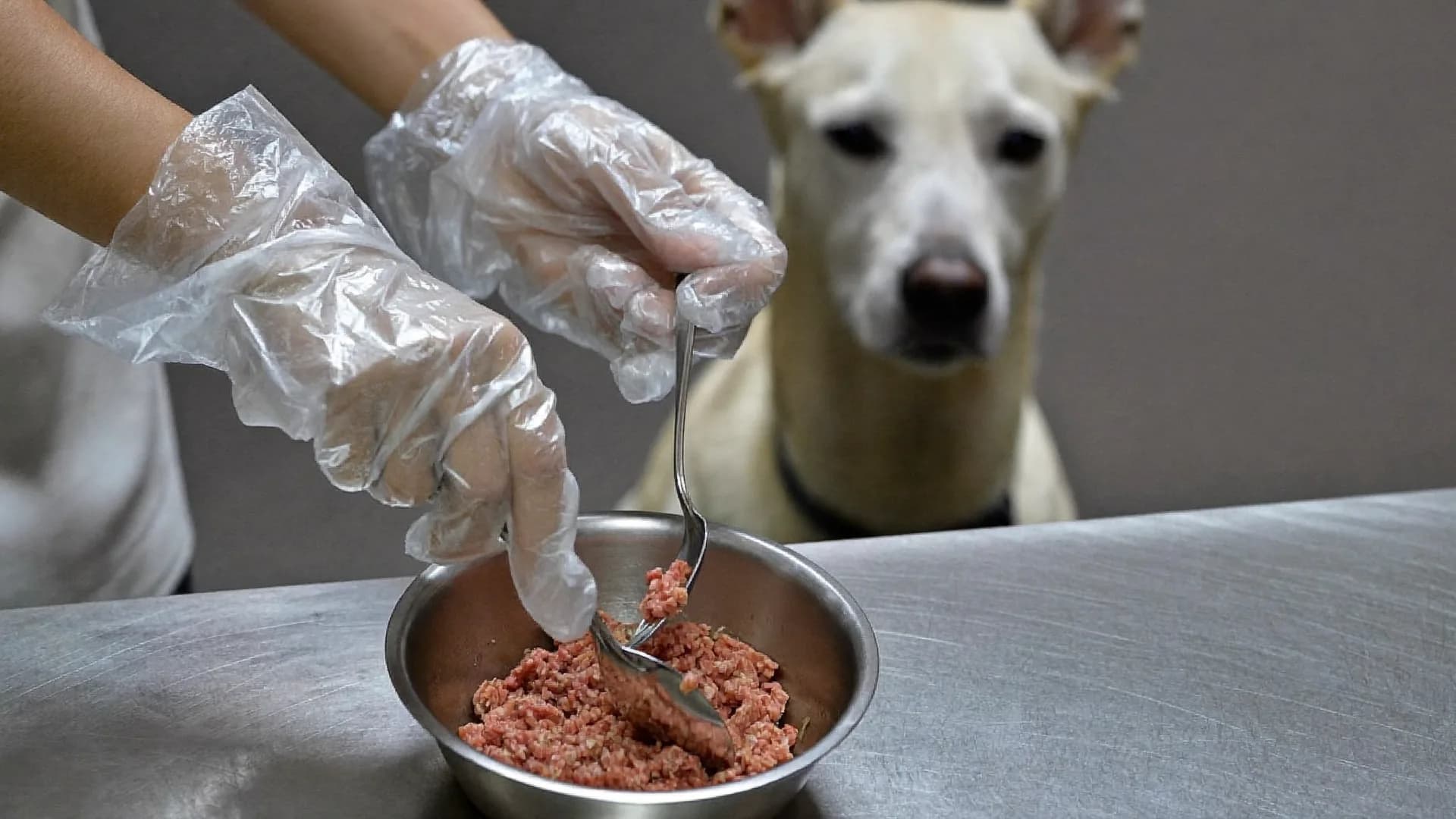
A raw diet means feeding uncooked ingredients — muscle meat, organ, edible bone or a bone substitute, and usually some vegetable matter — either home-prepared to a recipe or bought as a commercial frozen or freeze-dried product. The commercial versions vary enormously, from complete-and-balanced formulations to plain meat mixes that are not intended to be a whole diet on their own. The label 'raw' covers all of it, which is part of why the debate is so muddled.
The claims cluster around a few themes: a shinier coat and healthier skin, smaller and firmer stools, cleaner teeth from chewing, more energy, and better digestion in some sensitive animals. Owners report these sincerely and often, and a raw diet done well is a real, whole-food diet, so some improvement over a poor previous food is plausible. What is weaker is the evidence that these benefits come specifically from the food being raw rather than from it being fresh, high in meat and free of whatever the previous diet contained.
What the evidence actually shows
The honest summary is that the benefits are mostly reported rather than proven, and the main hazards are well documented. High-quality studies showing raw diets outperform good cooked or commercial diets on health outcomes are scarce; much of the support is testimonial. That does not make the reports false — plenty of dogs and cats visibly do well on raw — but it means the strong claims outrun the data. A raw diet is not magic; at best it is a good fresh diet, and a good cooked or commercial diet can be one too. If the goal is simply a better food, the ingredient list tells you more than whether the food is raw.
The documented hazards are three. The first is nutritional imbalance: a home-made raw diet thrown together without a properly formulated recipe very easily ends up short or excessive in calcium, phosphorus, vitamins and trace minerals, and the damage — especially to a growing puppy or kitten — can be permanent. The second is bones: whole bones crack teeth, and cooked bones splinter, so the bone question is a real one however you feed. The third is infection, which is the part that reaches beyond the pet.
The infection risk is about the household, not just the pet
Raw meat carries bacteria — salmonella, campylobacter, listeria, E. coli — and studies repeatedly find these in raw pet food and in the faeces of animals fed it. A healthy adult dog often carries them without obvious illness, which is precisely the problem: it sheds them into the home, onto floors, food bowls, bedding and the hands that stroke it, where they can infect people. The risk is highest for the household's most vulnerable members — babies, the elderly, anyone whose immune system is compromised — and this, more than the pet's own health, is why paediatric and public-health bodies advise against raw feeding in homes with young children.
Handling turns a raw diet into a food-safety operation. If you feed raw, treat the food exactly as you would raw chicken for yourself: keep it frozen until use, thaw it in the fridge rather than on the counter, wash hands, bowls and surfaces after every meal, keep it away from human food preparation, and clean up the pet's faeces promptly. None of this is impossible, and careful raw feeders do it as routine — but it is real work, and skipping it is how the household risk becomes a household illness.
If you choose raw, reduce the risk
Two decisions remove most of the danger. First, do not free-style the nutrition: use a commercial raw product that states it is complete and balanced to a recognised standard, or a home recipe formulated by a veterinary nutritionist — not a recipe from a forum. This is the difference between a balanced diet and a slow deficiency. Second, if you switch, do it gradually rather than overnight to spare the gut, the same way you would with any change of food, and watch stools and weight as you go.
Talk to your vet honestly rather than expecting either a blessing or a lecture, especially for a puppy, a kitten, a pregnant animal, an old animal or one with a health condition, where the margin for a nutritional mistake is smallest. And keep the ordinary rules of feeding whatever the food: the right amount for the individual animal still matters, because a raw diet fed to excess makes a fat pet just as readily as any other. Raw feeding done carefully — balanced, handled cleanly, chosen with eyes open to the household risk — is a legitimate choice. Done casually, it is a way to get two problems at once: a mis-fed pet and a kitchen full of bacteria.
Is a raw diet better for dogs and cats?
The reported benefits — coat, stools, teeth, energy — are common but mostly testimonial rather than proven, and where they are real they may come from the food being fresh and meat-rich rather than from being raw. A good cooked or commercial diet can deliver the same. The documented hazards, by contrast, are well established.
What are the risks of raw feeding?
Three main ones: nutritional imbalance if the diet is not properly formulated, especially in growing animals; injury from bones, which crack teeth raw and splinter cooked; and bacterial infection from the raw meat, which can spread to people in the household. The infection risk is the reason public-health bodies advise against it in homes with vulnerable people.
Can raw pet food make people sick?
Yes. Raw meat commonly carries salmonella, campylobacter and other bacteria, and a healthy pet can shed them into the home without looking ill — onto floors, bowls, bedding and hands. Babies, the elderly and immune-compromised people are most at risk, which is why raw feeding is discouraged in households with young children.
Is raw food safe for puppies and kittens?
It carries the most risk for them. Growing animals are the least forgiving of nutritional imbalance, and a home-made raw diet that is short or excessive in calcium and other nutrients can cause permanent skeletal damage. If you feed raw to a young animal, use a properly formulated complete diet and involve your vet, rather than improvising.
How do I feed raw safely?
Treat it like raw chicken for yourself: keep it frozen, thaw in the fridge, and wash hands, bowls and surfaces after every meal. Use a commercial diet labelled complete and balanced, or a recipe from a veterinary nutritionist rather than a forum. Switch gradually, watch weight and stools, and clean up faeces promptly.
Do raw diets clean a dog's teeth?
Chewing does help scrape teeth, and firmer raw diets and appropriate chews can contribute to dental health. But whole bones also crack teeth, so it is a trade-off rather than a free benefit, and it does not replace toothbrushing. The dental effect is one of the more plausible raw claims, without being a reason to feed raw on its own.
Should I ask my vet before switching to raw?
Yes, and honestly. A vet can flag the specific risks for your animal — particularly a puppy, kitten, pregnant, old or unwell one — and help you choose a properly balanced product rather than an improvised recipe. Expect a candid discussion of the household infection risk rather than either a blessing or a lecture.