Home
Most of what hurts an animal at home is ordinary and already in the room: a houseplant, a bowl of grapes, a window left open in July, a cleaning product used exactly the way its label describes. None of it looks like a hazard until you know, which is most of what this section is for.
The safety pieces name the specific plant, the specific food and the specific dose wherever a source states one, and leave the field empty where nobody does. A list of everything that might conceivably be dangerous is no more use than no list at all.
The rest is settling in — the first week with a puppy or a kitten, the pet-proofing that happens before either arrives, and the emergencies where the useful thing is to have decided in advance rather than to be reading about it at the time.
The emergencies are the part worth reading before you need them. Heatstroke, a swallowed plant, an animal that has gone missing: each has a first hour that decides how it ends, and none of them leaves time to start reading.
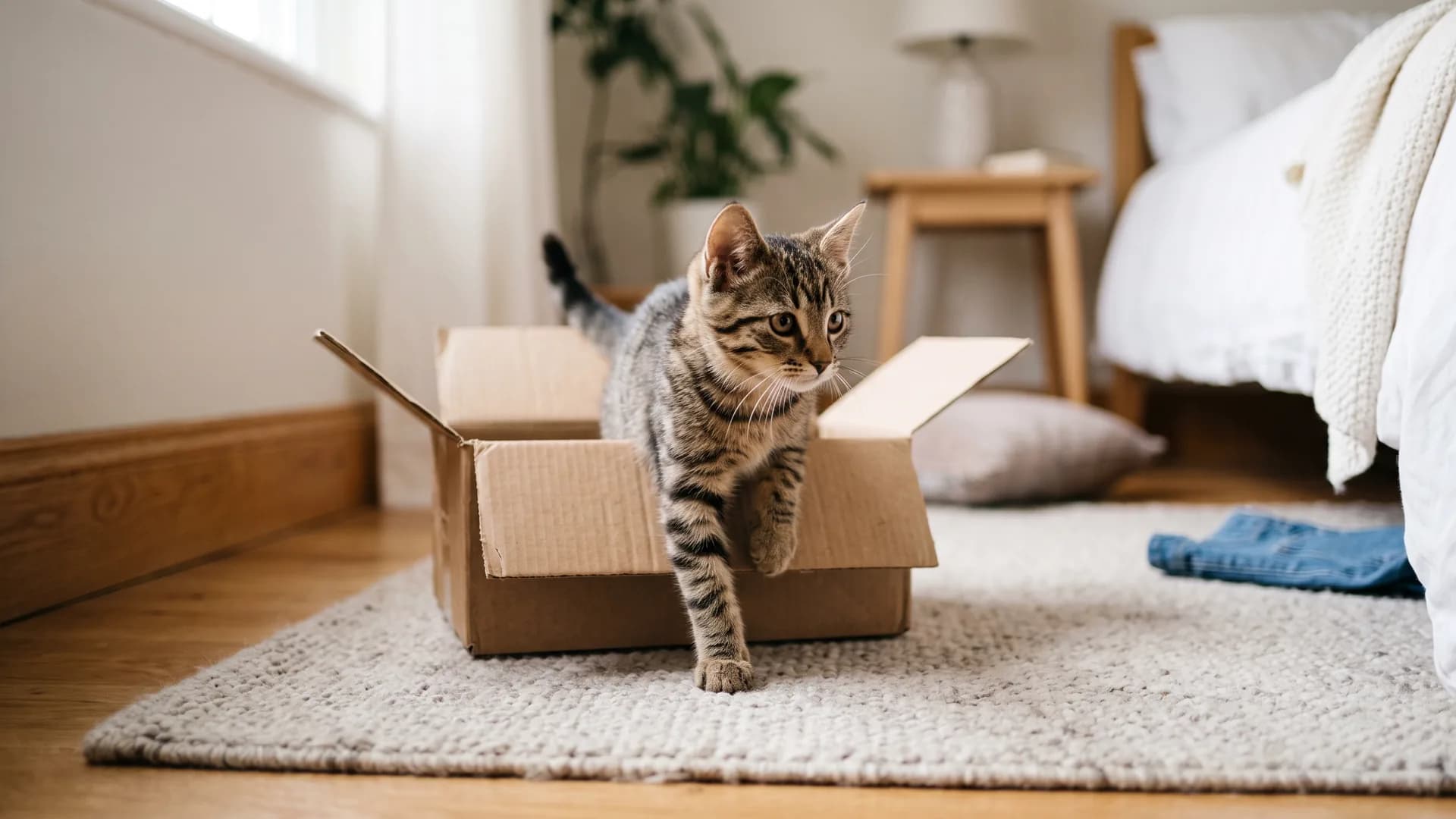
The first week with a new kitten: one room, then the house
Read More
The first week with a new puppy: a calm start
Read More
Keeping a clean house with pets: the routine that actually keeps up
Read More
How long can a cat be left alone? Honest limits, not the myth
Read More
Cleaning products and a home that is safe for pets
Read More
You have found somebody's pet: what to do, and what not to
Read More
Renting with a pet: how to actually get the yes
Read More
Your pet has gone missing: what to do in the first hours, in order
Read More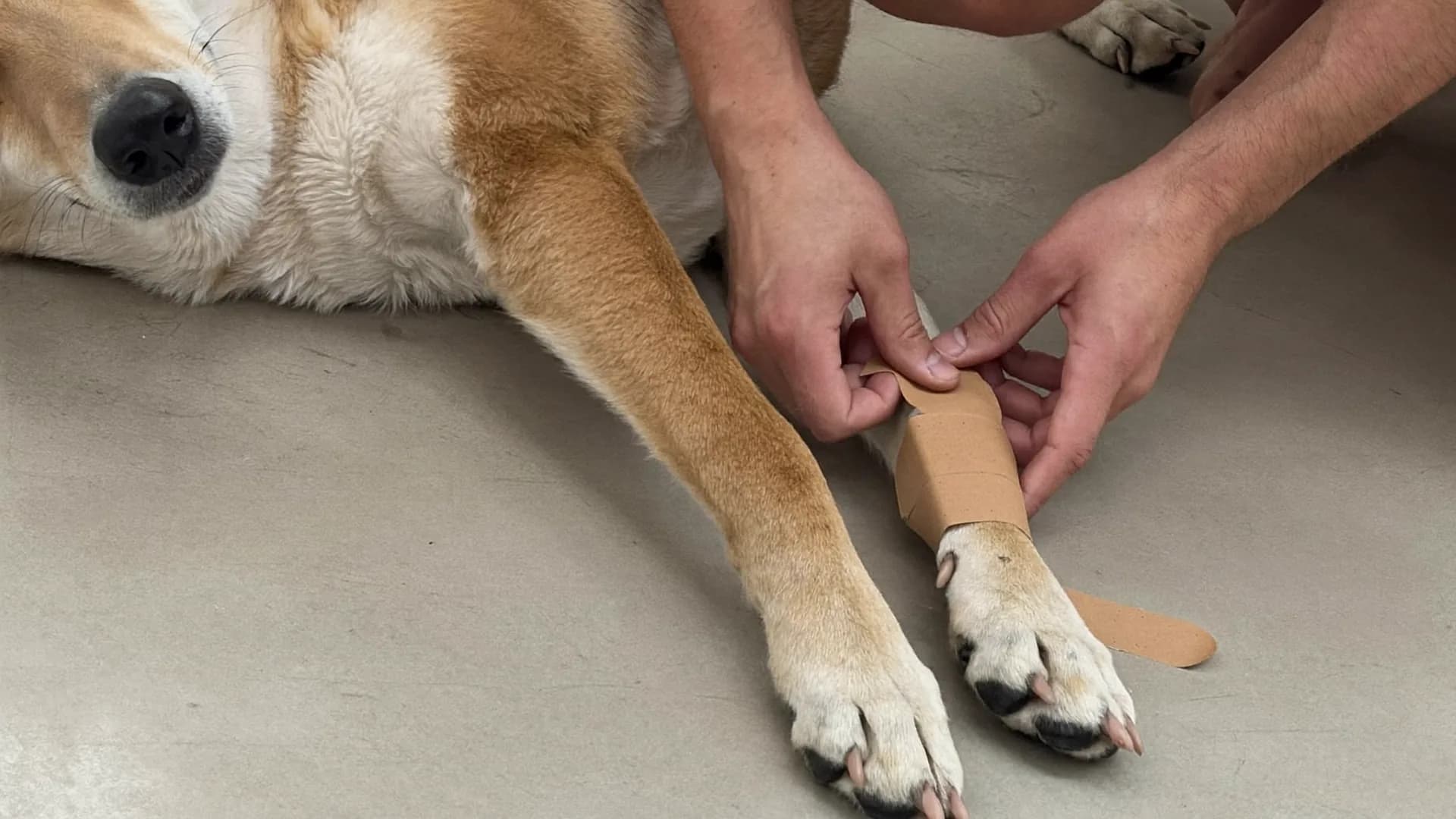
A pet first-aid kit, and the emergencies where minutes matter
Read More
A pet-safe garden: the plants, the chemicals, and the fence line
Read More
Keeping a dog or cat safe in cold weather
Read More
Heatstroke in dogs and cats: the signs, and why a parked car is the killer
Read More
Pet-proofing your home before a puppy or kitten arrives
Read More
Human foods that are dangerous for dogs and cats
Read More