Why does my dog smell, and what actually fixes it
A dog that smells is telling you where to look, and a bath is usually not the answer. Most dog smell comes from a few specific sources — and each has a fix that a wash only postpones.
A clean, healthy dog has a faint smell, not a strong one. When a dog smells bad, that is a symptom with a source, and reaching straight for the bath or the perfume spray treats the symptom while the cause carries on. It is worth working through the usual suspects, because each one has its own fix and a wash fixes almost none of them for long.
The coat and skin — and why over-bathing backfires
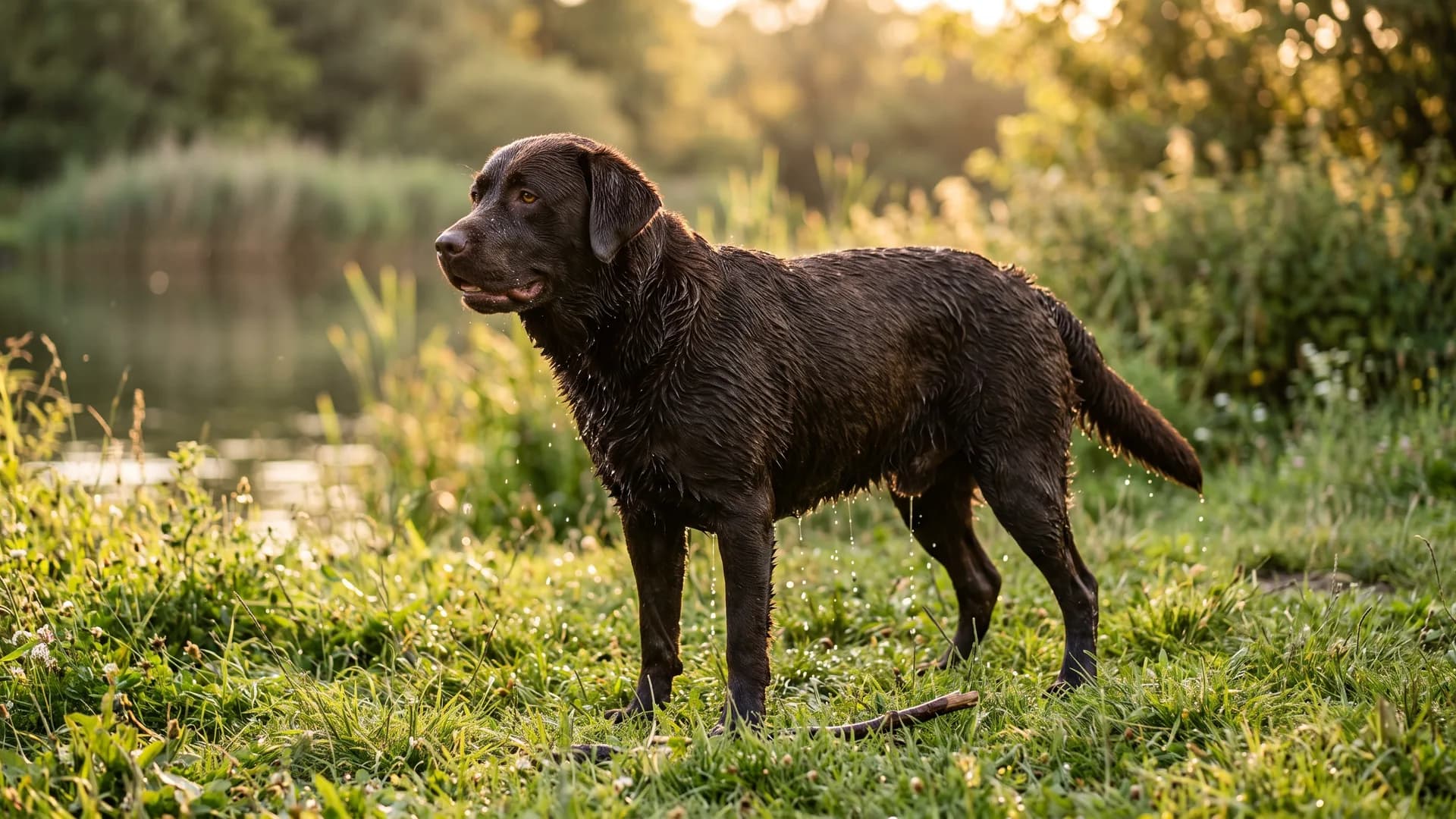
The skin makes oils that keep the coat healthy and carry a mild doggy smell; that is normal. Bathing too often strips those oils and can leave the skin producing more and smelling worse, so more baths is rarely the answer. The classic "wet dog" reek is microbes on a damp coat becoming active — which is why drying a dog thoroughly after a bath or a wet walk matters as much as the wash itself.
The ears
A sour, yeasty smell coming off the head is very often the ears, especially in a dog with heavy drop ears that trap warmth and damp. Regular ear cleaning keeps it in check. If an ear is also red, painful, or the smell is strong and persistent, that is one to have a vet look at rather than clean over — but for a lot of dogs, routine cleaning is the whole answer.
The mouth
A surprising amount of "my dog smells" is really "my dog's breath smells", and the source is the teeth. Plaque and gum disease produce a smell that follows the dog around the room, and no amount of bathing touches it. Regular tooth brushing and dental care is what fixes it; a sudden, very foul mouth smell is worth a vet check.
Paws, folds and the rear
The faint corn-chip smell of a dog's paws is normal skin microbes and usually harmless. Skin folds — on a wrinkly breed — trap moisture and need wiping dry. A sudden fishy smell from the back end is often the anal glands, which some dogs need help emptying. And bedding is the biggest hidden reservoir of all: a dog can be clean and still smell of the bed it lies on all day.
It is often the home, not the dog
Frequently the animal is fine and the smell lives in the soft furnishings it touches — the bed, the sofa, the carpet, the car seat. Washing those and airing the rooms does more than another bath ever will; the routine is the same one that keeps a house with pets smelling like a home rather than a kennel. Deal with the source, not the surface.
The smells that come from outside the dog
Not every bad smell is a health signal — some a dog goes looking for. Rolling in something foul is an old instinct, variously explained as masking their own scent or wearing a trophy home, and no amount of training fully deletes it; a dog that has found a dead bird or a fox mess will smell of it until it is washed off, and that is the one clear case where a bath is exactly the right answer. A wet, muddy walk brings the wet-dog smell home with it, and a dog that swims picks up pond or sea water in the coat and ears. These are situational, not chronic, and the fix is drying and cleaning the specific mess rather than assuming something is wrong.
Diet and digestion play a quieter part too. A food that does not suit a dog can show up as more wind, looser stools and a generally stronger smell about the back end, and a sudden change in either is worth noticing. This is not about chasing an expensive food, but about recognising that a persistent whiff can start in the bowl as much as on the skin — and that a settled, suitable diet is part of a dog that smells of very little.
A simple routine that keeps a dog smelling of almost nothing
Once you know the sources, keeping a dog fresh is a short weekly rhythm rather than a big occasional wash. Check and wipe the ears, brush the teeth several times a week, and run a brush through the coat to pull out the dead hair and dander that hold smell against the skin. Dry the dog properly after any wet walk or swim, wipe muddy paws and the rear when needed, and — the step most people skip — wash the bedding on a regular cycle, because it is the single largest reservoir of smell in the house.
Just as important is what not to do: do not bathe the problem away on repeat. Over-washing strips the skin's oils and can leave a dog smelling worse between baths, so for most dogs a full bath every few weeks to a couple of months is plenty, with the routine above filling the gaps. Deal with each real source once and a healthy dog settles into a faint, ordinary smell — the background note of a clean animal, not something you have to keep spraying over.
Why does my dog still smell after a bath?
Because the smell's source was not the coat. Ears, teeth, skin folds, anal glands and the dog's bedding are the usual culprits, and a wash does not touch any of them. Work through those, and check that the coat was dried fully — a damp coat re-develops the wet-dog smell within hours.
What causes the wet-dog smell?
Microbes that live on the skin and coat become active when the coat is damp and give off that distinctive reek. It is why drying a dog thoroughly after a bath or a wet walk matters as much as the wash, and why leaving a thick coat damp underneath makes a dog smell within hours.
Why do my dog's paws smell like corn chips?
That faint corn-chip or popcorn smell is normal skin bacteria on the paws and is usually harmless. If the paws are also red, licked raw, swollen or the smell turns strong and yeasty, that points to an infection or allergy worth a vet's look rather than just a wipe.
How often should I bathe a smelly dog?
Less often than you would think — over-bathing strips the skin's oils and can make the smell worse. For most dogs every few weeks to a couple of months is plenty. If a dog smells between reasonable baths, the fix is finding the source (ears, mouth, bedding), not washing more.
When is a dog's smell a reason to see the vet?
When it is strong, sudden or paired with other signs: a painful red ear, a very foul mouth, itchy inflamed skin, or a persistent fishy smell from the rear. Those point to an infection, dental disease or anal-gland trouble that cleaning alone will not resolve.
Do some dog breeds smell more than others?
Yes. Breeds with oily coats bred for water work, ones with deep skin folds, and those with heavy drop ears that trap warmth and damp all tend to carry more smell, as do dogs with a lot of coat that holds dander and moisture. It is manageable with the right grooming routine rather than a reason to avoid the breed — but it is worth knowing before you choose one.