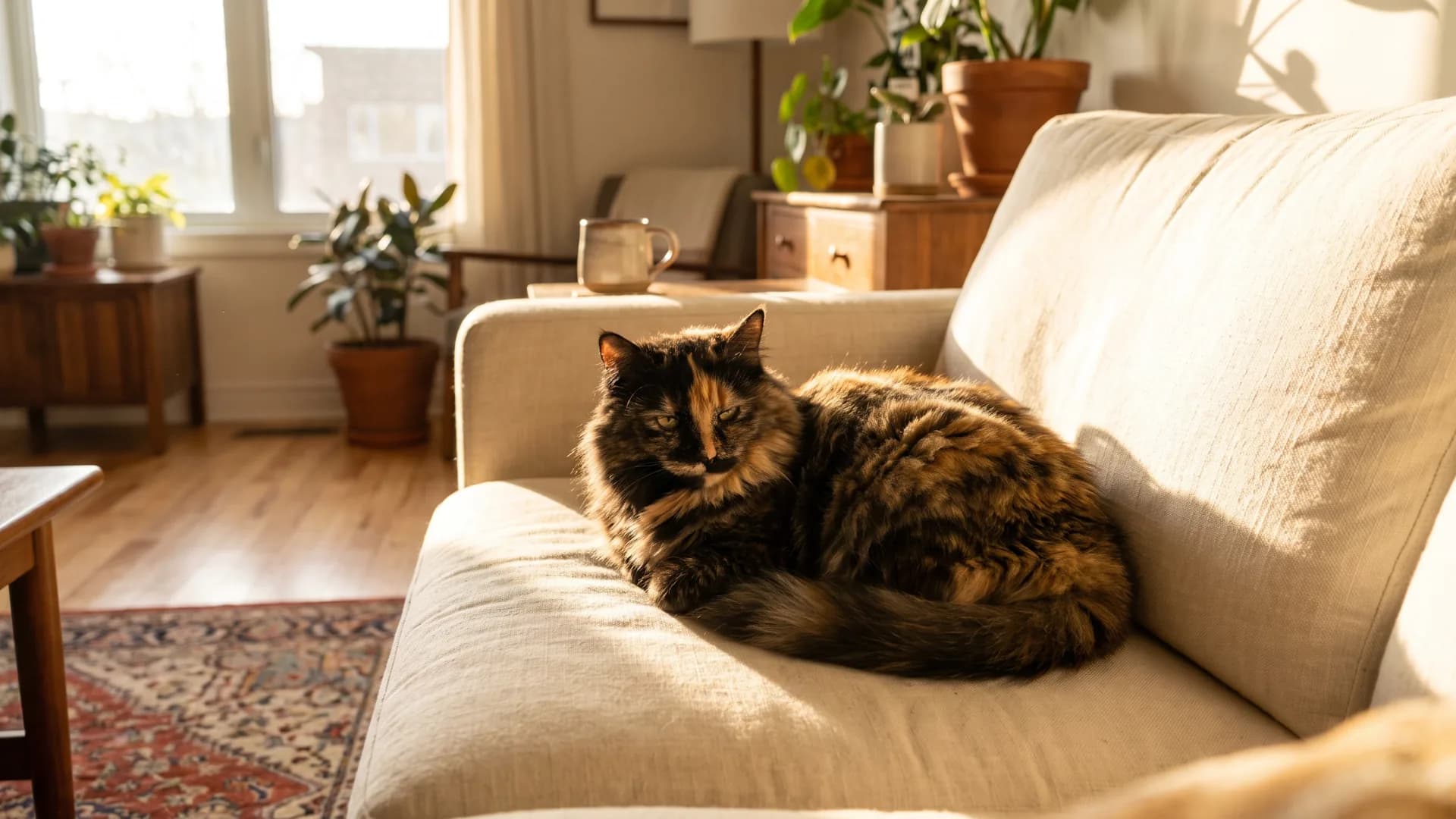
Magic pet names, with the folklore attached
Pet names tagged to magic and the mystical — spells, witches, enchanters and old folklore — counted from public registers rather than assembled from a wishlist.
A magical name is a small promise of mischief, and it helps to know where the word came from before you make it.
Everything below carries the magic tag because it points at something explicitly enchanted — a spell, a familiar, a figure out of folklore — rather than because it merely sounds mysterious.
What the tag will and will not take
36 names hold it.
A word earns the tag when the enchantment is the reason it's used, which is a stricter bar than sounding witchy — plenty of dark, breathy names sit elsewhere in the catalogue because nothing magical is actually recorded against them.
Unusually for this file, the meaning field is often filled here: 13 of them carry a sourced meaning. Magical vocabulary tends to arrive with a documented origin — a named spirit, a translated word — which is easier to cite than a plain given name.
That's a genuinely useful side-effect of the theme. If you want a name that means something and can be checked rather than asserted, this is one of the better-documented corners of the catalogue, because somebody wrote down where these words came from centuries before anybody thought of putting them on a cat.
Where magical names come from
The theme sorts into four sources, and knowing which one a name belongs to tells you how it'll be received.
Folklore and the old traditions are the deepest seam — household spirits, the small mischievous creatures of European and other folk traditions, the named beings of stories people told for centuries. These are the least used and the most interesting, and they come with a documented origin attached.
Myth and religion supply the grander names: gods and figures associated with magic, prophecy and the moon. They tend to be longer and they carry real weight, which suits some animals and overwhelms others.
The vocabulary of magic itself — words for spells, charms, potions, omens, and the objects of practice — is a small and almost entirely unexplored group, and it's where the short punchy names in this theme are.
Fiction is the fourth and by far the most used. Books and films have supplied a great many magical names to a great many animals, and that's where the crowding is concentrated.
The fiction problem, briefly
A name taken from a popular story deserves one moment of thought, because it behaves differently from the rest of the theme.
It dates precisely. A magical name from a film that was everywhere in a given year marks the animal as having been born around then, in the way a human name from a particular decade does — and everybody who recognises it will place it immediately.
It also arrives with a character attached, which means other people bring their own opinion of that character to your animal. Mostly that's a pleasant thing and occasionally it isn't, particularly if the story or its author has become contentious in the years since.
Neither is a reason against it. The names from the older sources simply don't carry either risk, and they're less crowded — which is the argument for looking past the obvious layer of the theme before settling.
The shape of the slice
22 of the 36 are two syllables, the length that survives being called across a garden, and the tag lands on both species without much of a lean: 35 appear on dogs and 31 on cats.
The even split is worth noticing, because most themes lean. Magical names suit a cat for the obvious folkloric reason and suit a dog because a good many of them are simply strong two-beat words, and the registers show owners of both reaching for them at similar rates.
If you want the enchantment without the park full of them, the catalogue can filter the other way, towards the magical names that stay rare.
Cats, black cats, and the folklore that attaches itself
This theme carries more baggage than most, and it's worth naming, because it lands on real animals.
Black cats have been associated with witchcraft in parts of Europe for centuries, and the association is still visible in shelters: black cats are consistently among the slowest to be rehomed, which is an outcome produced entirely by a story. Naming a black cat something magical leans into the association affectionately, and plenty of people do — it's a way of taking the old slander and enjoying it.
The reverse superstition exists too. In several countries a black cat is straightforwardly lucky, and the same animal that's an omen in one place is a good sign three hundred miles away — which is a useful reminder of how little any of this is about cats.
None of it should change what you call an animal. It's worth knowing mainly because a magical name on a black cat gets noticed in a way the same name on a tabby doesn't, and because the shelter statistic is a real thing rather than folklore about folklore.
Saying it out loud, and at the vet
Two practical checks for this theme in particular, because it's one where the meaning tends to win the argument before the sound gets a hearing.
The first is whether it carries. Magical vocabulary skews towards long soft words with trailing endings — which is lovely and is precisely the shape that dissolves across a field. If the animal is a dog you'll be recalling off something, pick from the harder end of the theme, or decide the short form yourself before the household does.
The second is whether you'll enjoy explaining it. A name from folklore or a dead language will be asked about, spelled out and occasionally mispronounced by people who mean well, and that happens at every vet visit, every booking and every introduction for fifteen years. Some people find that a pleasure; if you won't, choose from the shorter, more transparent end of the same theme.
The test that settles it is the ordinary one: say the name across a room at the volume you'd really use, and then say it inside a sentence to another person. A magical name that survives both is a name rather than a reference.
What a magical name cannot do
It can't make a familiar of your cat, and the tag claims nothing about temperament — a name filed under magic is a fact about a word's origin, not a forecast about the animal that will carry it.
The reference is recorded so you can check it; everything past that is yours to enjoy or ignore.
It also can't show you the whole theme. Each name carries a single label, so a magical word that's also a colour, a plant or a person's name will have been filed under that instead — which means the tag under-reports, and the uncrowded end of this theme is largely outside it.
What counts as a magic pet name here?
A name whose reference is to something explicitly magical — a spell, a witch, a folklore spirit — recorded against that source so the tag can be checked rather than trusted.
How many magic pet names are there?
36 carry the tag. The list above is generated live, so it reflects the current catalogue rather than a number typed into the text.
Where do magical names come from?
Four sources. Folklore and the old traditions are the deepest and least used. Myth and religion supply the grander names. The vocabulary of magic itself — spells, charms, omens — is almost unexplored and holds the short punchy ones. Fiction is the fourth and by far the most crowded.
Is a name from a magical film a bad idea?
Not bad, but it behaves differently from the rest of the theme. It dates the animal precisely, and it arrives with a character attached that other people bring their own opinion of. The older sources carry neither risk and are less crowded, which is the argument for looking past the obvious layer.
Do magical names come with a meaning?
More often than most: 13 of the 36 carry a sourced meaning, because magical words usually arrive with a documented origin. It's one of the better-documented corners of the catalogue for anybody who wants a meaning that can be checked.
Is a magical name a cliché for a black cat?
Slightly, and plenty of people choose it anyway as a way of enjoying an old slander. Worth knowing that the association is real enough to matter — black cats are consistently among the slowest to be rehomed from shelters — and that in several countries the same cat is straightforwardly lucky instead.
Will a magical name work outdoors?
Some will. The theme skews towards long soft words with trailing endings, which is exactly the shape that dissolves across a field — so pick from the harder end if you'll be recalling a dog, or choose the short form yourself before the household picks one for you.
Are these for cats or dogs?
Both. 35 of them are recorded on dogs and 31 on cats, and each name's own page states which animals its records covered. The even split is unusual — most themes lean one way.