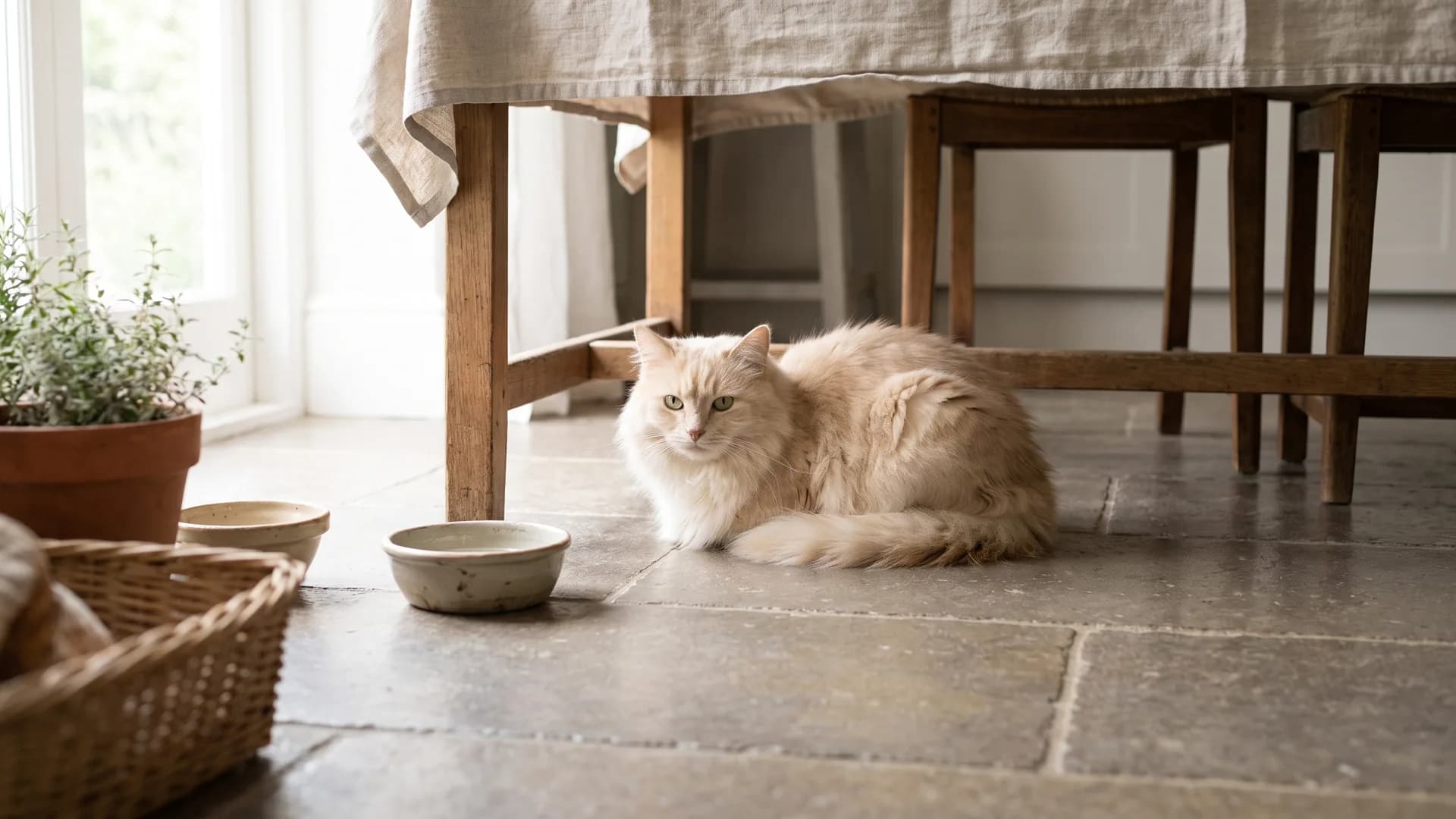
Royal pet names: a tiny tag holding the biggest names
Titles and regal names — Princess, Prince, King — a small tag that carries some of the most registered names in the whole catalogue.
Royal names are a small club with enormous membership.
Only 19 names carry the tag, but they aren't obscure titles — they're some of the most registered names anywhere in this catalogue, which makes royal the densest tag on the site.
Small tag, heaviest names
The 19 royal names average 580 registrations each — far above the catalogue norm.
Princess, Prince and King sit near the very top of every register counted, so the site's biggest names are hiding inside one of its smallest tags. A tag's size measures how many names can be classified, not how many animals carry them.
That gap between count and weight is the most interesting thing on this page, and it's a good corrective to how themed lists usually get read. A long list looks like a rich theme and a short one looks like a thin one, and here the shortest list on the site holds names carried by more animals than almost anything else in the catalogue.
Why people give animals titles
It's worth asking why this handful of words is so heavily used, because the answer isn't really about royalty.
The commonest reading is affectionate mockery. Calling a small imperious cat Princess is a joke about how it behaves, and it's a joke that works because everybody gets it instantly and it never needs explaining. The animal is being teased and flattered in the same word, which is roughly the tone most people take with their pets anyway.
The second is straightforward fondness. A title says this animal is important in this house, which is a thing people mean and don't always have a comfortable way to say. King on an enormous placid dog isn't ironic at all.
And the third is simple mechanics. These are short, hard-edged, unmistakable words that carry well across a park and can't be misheard as anything else — which would have made them popular even if they meant nothing.
The three overlap constantly, which is why the same name can be a joke in one house and entirely sincere in the next.
There's a historical layer under all of it too. Naming animals after rank is an old habit — hunting dogs and warhorses carried grand names long before pets were a category — and some of the weight these words still have comes from that, rather than from anybody thinking about a monarchy this week.
The cost of a name this crowded
A tag with the highest registration average on the site is, by definition, the tag where you'll meet the most company.
Princess in particular is among the most used names in these registers, which means a busy vet's system holds a great many of them and a busy park will produce more than one turning head. That's the ordinary cost of a popular name and it's a small one — but it's worth knowing before choosing, since people rarely pick a royal name expecting it to be crowded.
There's a second, subtler cost that people mention afterwards. A title is a strong statement and it sits slightly oddly on an animal that turns out to be timid, elderly or unwell — a nervous rescue called Duchess is a name chosen for a dog that hadn't arrived yet. That's not a reason against it, and it's a reason to leave the naming until you've met the animal if you can.
Where the uncrowded royal names are
The theme is much larger than the handful everybody uses, and the rest of it is almost untouched.
Foreign titles are the easiest seam: every language has its own words for king, queen, noble and lord, and most of them are short, pronounceable and unused on animals. They carry the same meaning with none of the company, and several are considerably better shaped as called names than the English versions.
Then the specific rather than the generic. Named monarchs, dynasties, palaces, crowns and regalia — these are proper nouns with history attached, they're rarely used, and they suit an animal with presence. A three-beat name from this seam earns its length in a way a generic title doesn't.
And then the adjacent vocabulary: the words for courts, ceremonies, heraldry and the ranks below the throne. Almost none of it has been used as a pet name, all of it is comprehensible, and it has the same grandeur without the same obviousness.
None of those will be in the tag, for the reason the next section explains — which is precisely why they're uncrowded.
How the titles behave as words
Set the meaning aside for a moment and the theme has a consistent shape, which explains part of its popularity.
Most royal words are one or two beats ending on a hard consonant — the exact profile the rest of this site keeps identifying as the best-built kind of called name. They start with an edge, they stop cleanly, and they survive being shouted into wind.
They're also almost all recognisable as words rather than as names, which means nobody ever has to spell one. A receptionist types it first time, a stranger reads it off a tag correctly, and it survives being said down a bad phone line — small advantages that add up over fifteen years.
The one place the shape works against you is the training clash. Several of these are short and blunt enough to sit near a cue, and a couple of the longer ones end softly enough to fade at distance. Both are worth checking aloud, which takes a minute and is much easier now than later.
A tag that is a floor, not a ceiling
19 is what the label holds, not what the idea contains.
A name carries one style label, so a title that also reads as a person's name or a gemstone was filed under that instead and never reached this tag. Read the count as the floor it is.
That's the general rule across every themed tag here, and it bites hardest on this one. Royal vocabulary overlaps heavily with human given names, with place names and with words for precious things, so a large share of what anybody would call a royal name has been claimed by another label first.
The practical instruction is to use the tag as a sample rather than as a list. It shows you what the theme looks like when it can be verified; the search box and your own vocabulary reach the rest.
What it will not tell you
Whether the name suits your animal's bearing.
Duke is a title, not a temperament, and nothing in these registers connects a regal-sounding name to how a pet behaves.
It also can't tell you how the name will read to other people, which with this theme varies more than most. A title is a word with strong associations, and those differ by country, by household and by how seriously anybody takes the institution behind it — so a name that reads as affectionate where you are may read as something else elsewhere. That's worth a moment's thought and rarely more.
What are the most popular royal pet names?
Princess, Prince and King lead by a wide margin — among the most registered names in the entire catalogue. The list above reads the current order live rather than quoting a fixed number.
Why do people give pets royal names?
Three overlapping reasons: affectionate mockery, which is why a small imperious cat gets called Princess and everybody understands immediately; plain fondness, since a title says this animal matters in this house; and mechanics, because they're short hard words that carry across a park and can't be misheard.
Why is the royal tag so small?
Because a name carries a single style label, so a title that also reads as a person's name, a place or a gemstone appears under that one instead. Royal vocabulary overlaps heavily with all three, so the 19 it holds are a floor, not a ceiling.
Are royal names too common?
The ones everybody knows are — this is the densest tag on the site, so Princess in particular means company at the vet and more than one turning head in the park. That's the ordinary cost of a popular name, and it surprises people who assumed a small tag meant a rare name.
Where do I find an uncrowded royal name?
Foreign titles first — every language has its own words for king, queen and noble, most of them short and unused on animals. Then the specific rather than the generic: named monarchs, dynasties, palaces and regalia. Then the vocabulary of courts, heraldry and the ranks below the throne.
Do royal names work well as called names?
Unusually well. Most are one or two beats ending on a hard consonant, which is the best-built shape for a name that has to carry outdoors, and they're recognisable words so nobody ever has to spell one. Check the short ones against your training cues, since a few sit close.
Are royal pet names actually used?
Heavily. The 19 names average 580 registrations each, the densest tag on the site, so these are mainstream choices rather than novelties.