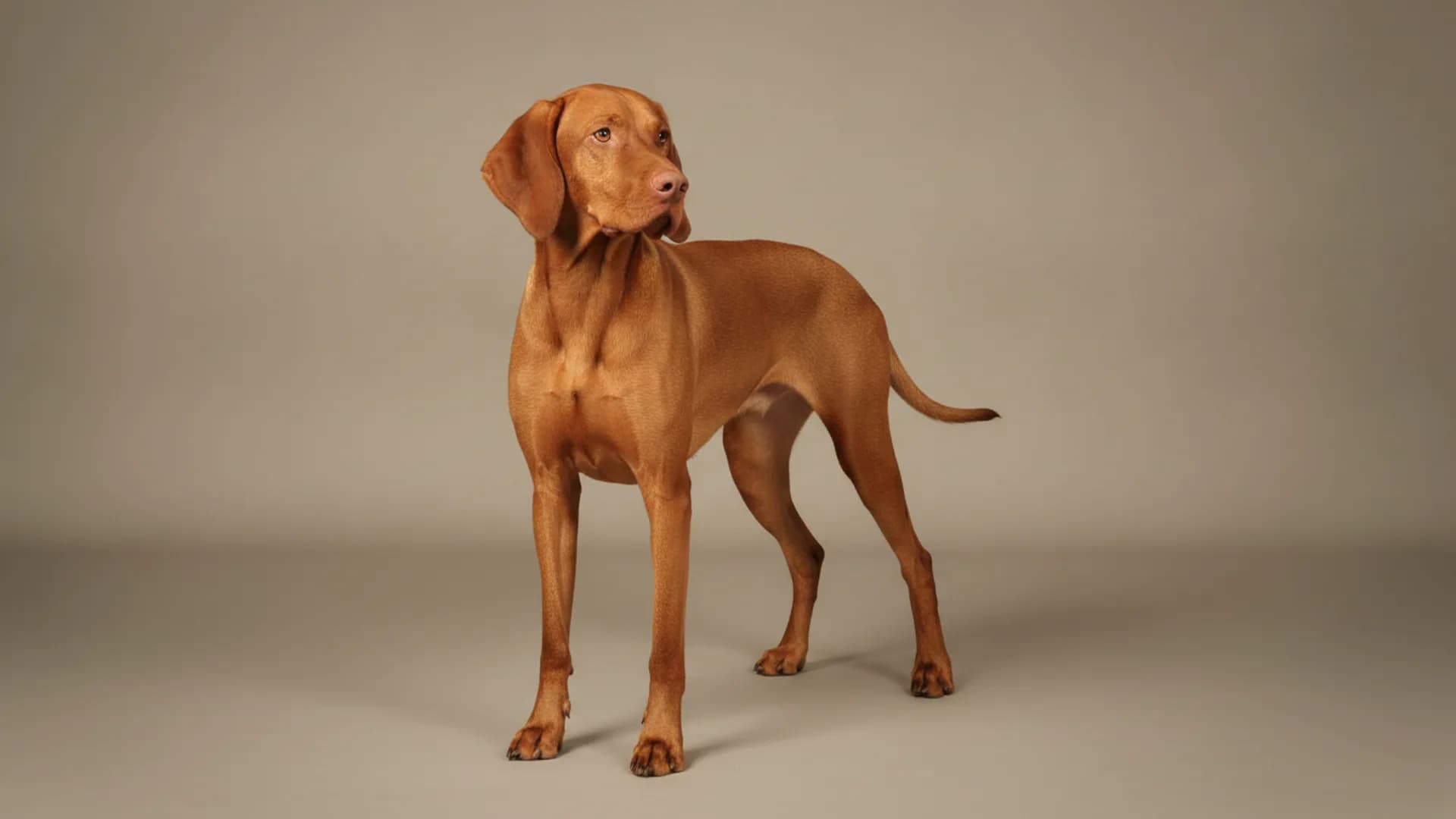
Vizsla
The Vizsla is Hungary's golden-rust pointer — a lean, close-working gun dog that points and retrieves, on land and in water. Nose, eye rims and nails are all toned to match the coat, so the whole dog appears cast in one colour.
History
The breed is thought to descend from Hungarian hunting dogs of the early Middle Ages, and the first written reference to it is in a chronicle of 1357. It passed from warlords and barons to the Hungarian nobility, who used it in falconry on the central plains and later with the gun, where a dog that stayed in touch with the hunter was prized.
The twentieth century nearly finished the breed. Many dogs were destroyed in the world wars, and after the second only about a dozen of the true type could be found in Hungary; refugees had taken their Vizslas with them, and the breed was rebuilt from what survived. The American Kennel Club recognised the Vizsla in 1960. The Wirehaired Vizsla, created in the 1930s by crossing with the German Wirehaired Pointer, is a separate breed.
Temperament
No gun dog is more demonstrative. A Vizsla leans, climbs into laps it is far too big for, sleeps under the duvet if allowed and trails its person to the bathroom. It is gentle, lively and tender-hearted, and it reads tone of voice closely; a sharp word registers as a catastrophe.
It is friendly or politely reserved with visitors and seldom aggressive. With children it is loving but excitable when young, and it usually enjoys the company of another dog. An under-socialised Vizsla can turn timid or highly strung.
Living with the breed
This is not a breed that can be owned from a distance. It expects to be in the same room, preferably touching, and a Vizsla shut out or left for the working day howls, chews through doors and frets itself thin. People who work from home or can take the dog along are its natural owners.
The coat is short, close and has no undercoat. That means little hair on the floor and almost no doggy smell, but also a dog that shivers in a cold wind and seeks out radiators, sunny patches and blankets. Many wear a coat in winter. Indoors, a well-exercised adult is quiet and clean.
Care and training
It needs running, not walking: up to two hours a day for an adult, with free galloping, retrieving and swimming. It makes an excellent partner for a runner or cyclist once mature, and it is a serious hunting dog that works at moderate range and checks back often.
Training has to be light-handed. The breed is clever and anxious to please, yet it wilts or freezes if pressed, so progress comes from short, upbeat sessions. Teach it young to be content on its own bed for brief spells, because independence is the skill it lacks by nature. Grooming is a wipe with a damp cloth and regular nail trimming.
Health
For a dog of its type the Vizsla is fairly robust. Hip dysplasia, in which ball and socket do not fit snugly, is checked by X-ray before breeding. Idiopathic epilepsy, seizures with no identifiable cause, occurs in the breed, as does hypothyroidism, an underactive thyroid gland that slows the metabolism.
Sebaceous adenitis, an inflammatory disease that destroys the oil glands of the skin, and Vizsla inflammatory polymyopathy, a muscle disease particular to the breed that brings difficulty swallowing, drooling and wasting of the muscles of the head, are both recognised. Allergic skin complaints are not unusual. The thin coat gives scant protection, so cuts and scrapes from undergrowth are routine.
Who it suits
It rewards an energetic person who is at home a great deal and wants a dog as a constant companion — a runner, a hunter, an outdoor family. It is a mistake for anyone out at work all day, for people who like their personal space, and for homes where the dog would live in a kennel.
Questions
Can a Vizsla be left alone?
Not for long. An adult accustomed to it may manage a few hours, but the breed was shaped to work within sight of its handler and takes separation hard. Regular full days alone commonly lead to distress, noise and destruction.
Do Vizslas feel the cold?
Yes. The single short coat has no insulating underlayer, so the dog chills quickly when wet or standing still in winter. It keeps warm while running, and many owners use a jacket for cold, slow outings and provide a warm bed off the floor.
Do Vizslas shed or smell?
They shed lightly — fine short hairs, noticeable on pale fabric but far less than a double-coated dog. They also have very little odour and tend to keep themselves clean, which is one reason the breed appeals to house-proud owners.
How much exercise does a Vizsla need?
Plenty: an adult wants an hour or two of proper running every day, plus training to occupy its mind. It will happily do more. A Vizsla that has not had enough becomes clingier, mouthier and unable to settle.
Is the Wirehaired Vizsla the same breed?
No. It was developed in the 1930s by crossing the Vizsla with the German Wirehaired Pointer, and it has a rough coat where the Vizsla's is smooth. Kennel clubs register the two as separate breeds.
Characteristics
- Origin
- Hungary
- Size
- Large
- Weight
- 20–27 kg
- Height
- 53–61 cm
- Lifespan
- 12–14 yr
- Group
- Sporting
Traits
- Affection
- Energy
- Intelligence
- Shedding
- Grooming
- Good with kids
Similar breeds
Dogs with a comparable size, coat and temperament.
| Breeds | Size | Weight | Height | Lifespan |
|---|---|---|---|---|
| Vizsla | Large | 20–27 kg | 53–61 cm | 12–14 yr |
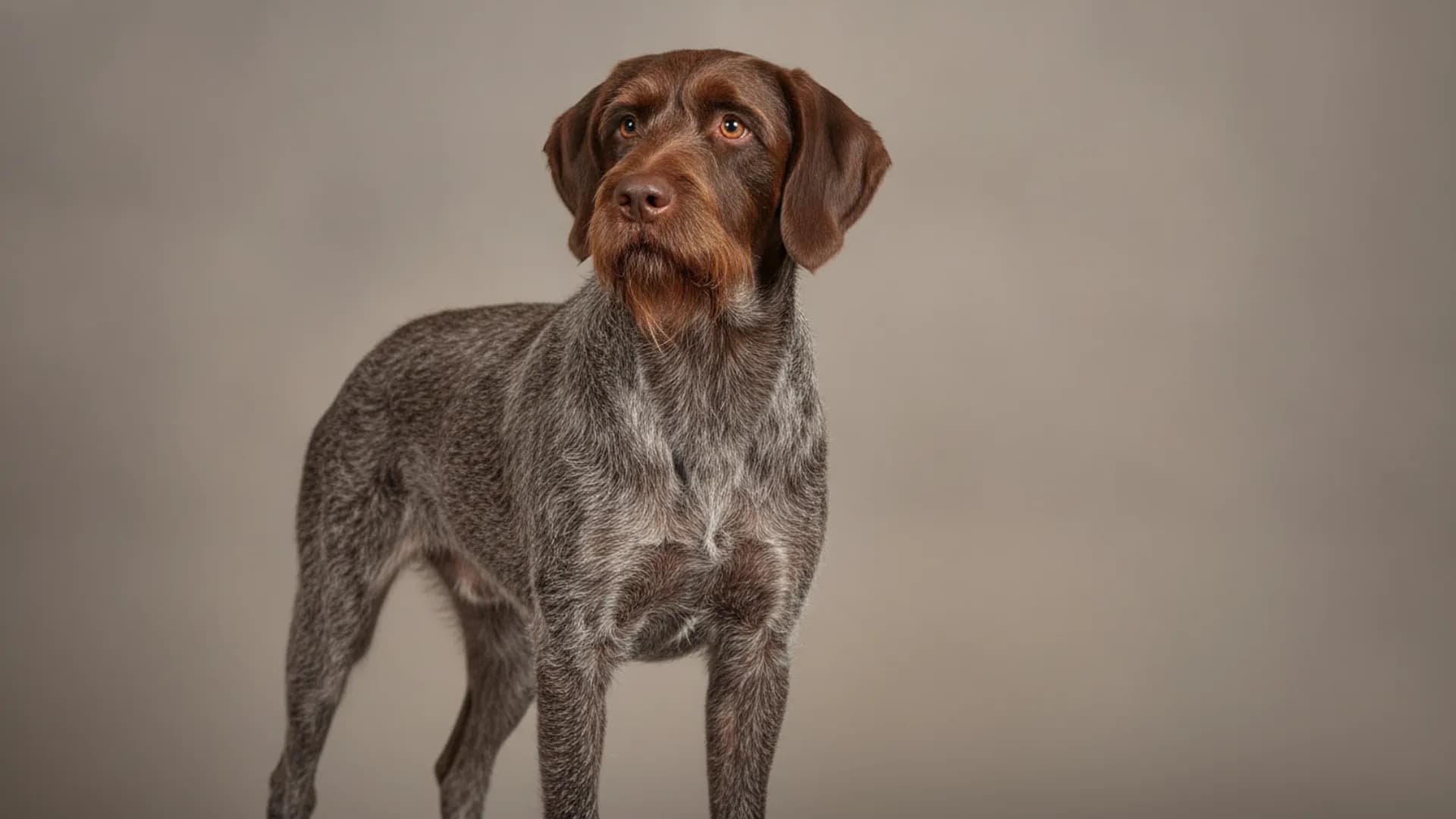
| Wirehaired Pointing Griffon | Large | 16–32 kg | 51–61 cm | 12–15 yr |
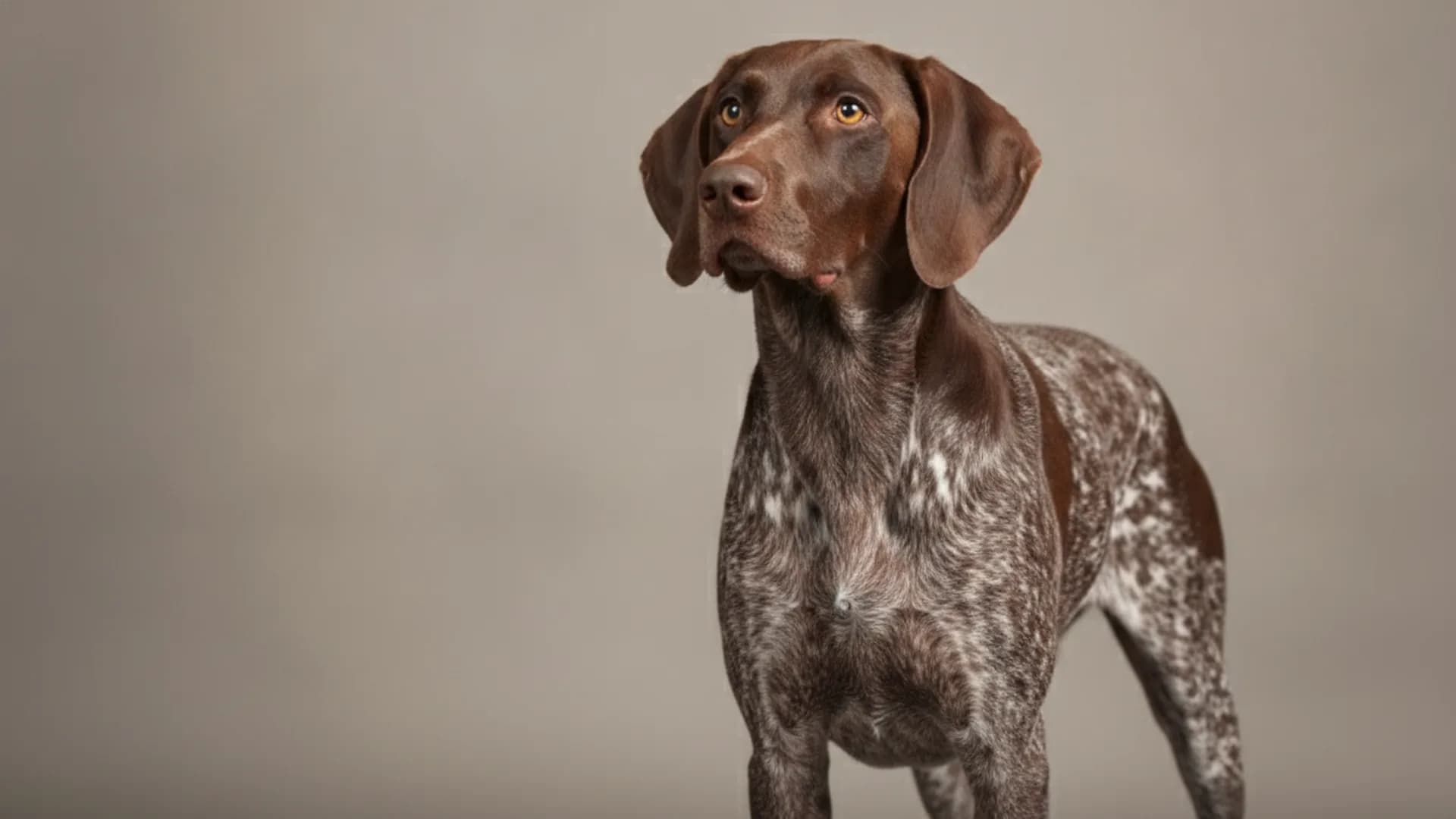
| German Shorthaired Pointer | Large | 20–32 kg | 53–64 cm | 10–12 yr |
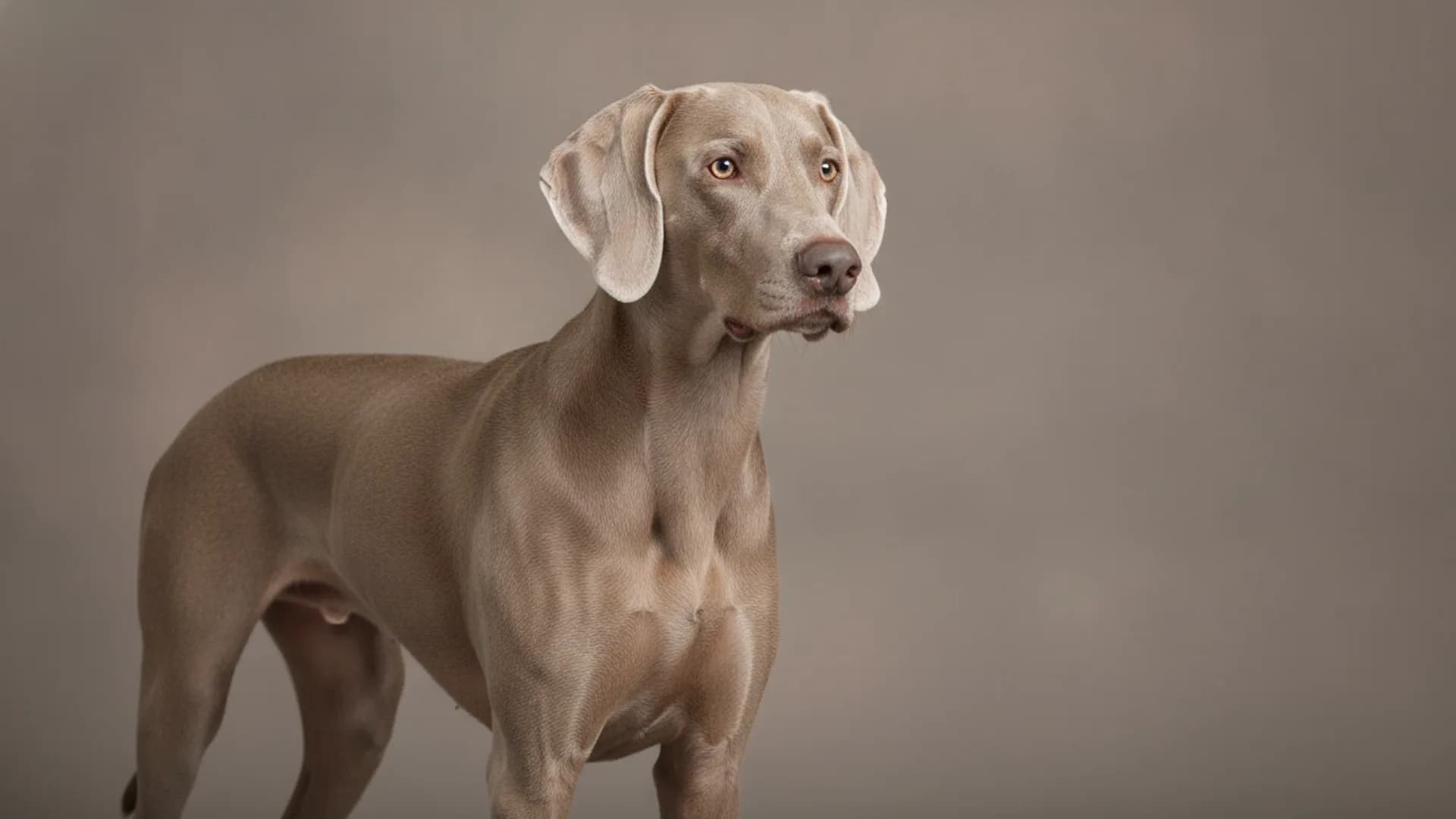
| Weimaraner | Large | 25–41 kg | 58–69 cm | 10–13 yr |
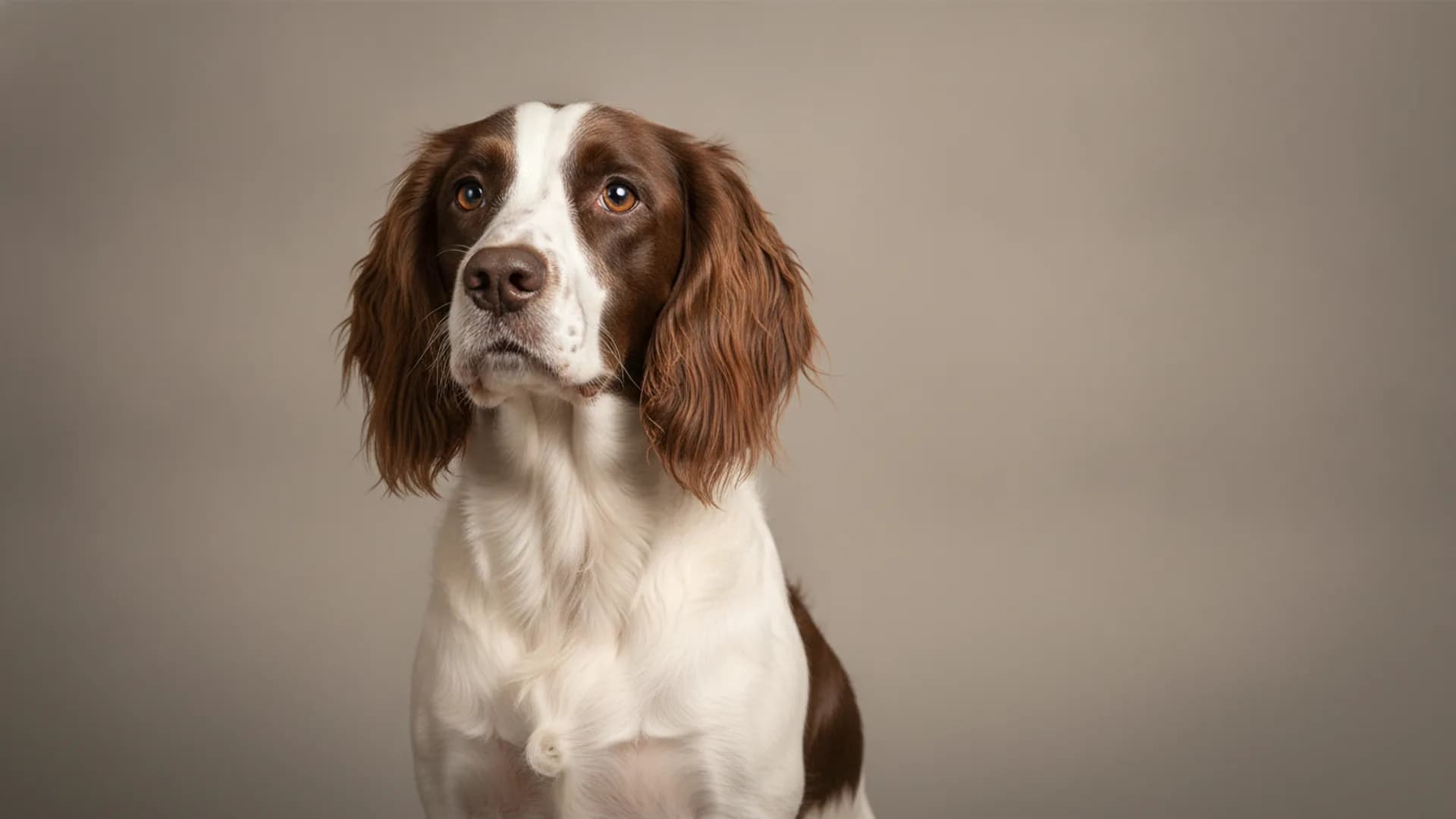
| English Springer Spaniel | Large | 16–25 kg | 46–53 cm | 12–14 yr |