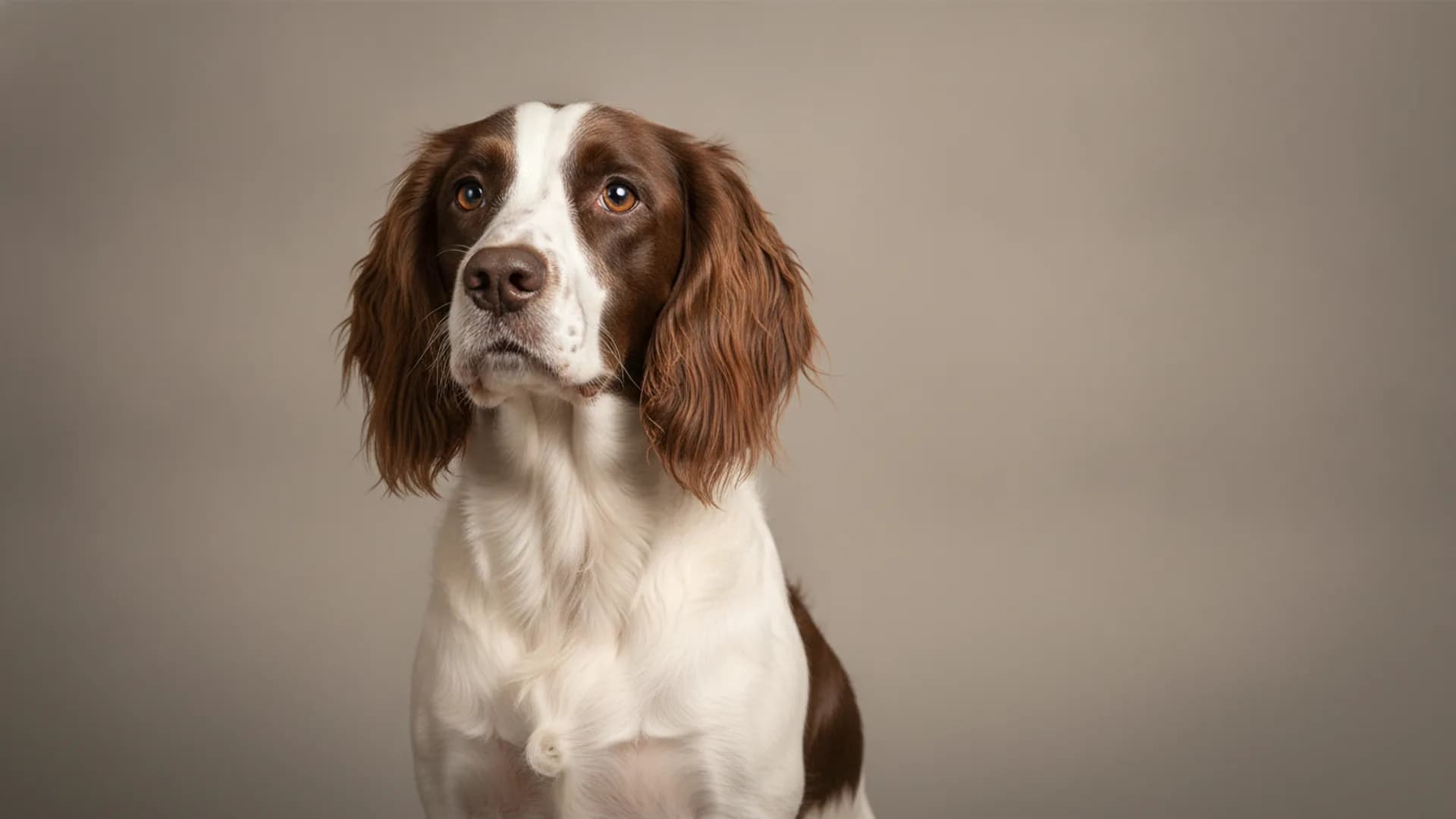
English Springer Spaniel
The English Springer Spaniel is the flushing spaniel most British shooting is built around — it springs game from cover for the gun and retrieves it afterwards. The name describes the job, not the bounce, though the bounce is real enough.
History
Before pedigrees, British land spaniels were sorted by size. Big puppies from a litter were set to flushing game and called springers; their smaller siblings worked woodcock and were called cockers. A pure line of springers is recorded in Shropshire from about 1800, and for a time the type was shown as the Norfolk spaniel.
The Kennel Club recognised the English Springer as a breed in 1902, and the American Kennel Club in 1910. Since then the show ring and the shooting field have selected for different dogs: the show springer is heavier, with longer ears and more coat, while the field-bred dog is lighter, finer in bone and shorter in the coat. In recent decades the working type has taken on a further trade as a detection dog for police, customs and the military.
Temperament
A springer is an optimist. It is affectionate, busy and sociable, rarely quarrelsome with other dogs, and it wants to do whatever its handler is doing, preferably at speed. The tail hardly stops, and the dog checks in constantly with its person — the habit of a spaniel bred to hunt within gunshot.
It is good-natured with children and has the stamina to keep up with them. Sensitivity comes with the willingness: a springer worries when shouted at. Field-bred dogs in particular stay intense and puppy-brained for several years.
Living with the breed
Owners soon learn that a springer does not walk through the countryside; it quarters it, nose down, zigzagging through every bramble and ditch. It comes home wet, burred and delighted, and the feathering on ears, chest and legs holds mud like a sponge. A towel by the door is standard equipment.
It is poorly suited to long solitary days and to small flats, although a show-bred dog adapts to suburban life more easily than a working one. Water of any kind is entered without hesitation. Some springers bark with excitement before a walk.
Care and training
An adult needs a couple of hours of free running, hunting or retrieving a day, and something to think about — hidden dummies, scent games, agility. Simply covering distance on a lead leaves the nose unemployed.
Spaniel training starts from keeping the dog close. The traditional first lessons are to turn on the whistle, to sit to the stop whistle and to hunt a pattern in front of the handler; leaving these until the dog has learned to chase birds on its own account is the classic owner's error. The coat needs brushing a few times a week and trimming around feet and ears, and the heavy ear leathers should be checked for grass seeds and dried after swimming.
Health
The pendulous, hairy ears trap moisture, and ear infections are a recurring trouble in springers. Hip dysplasia, in which the joint forms loosely, is screened for by X-ray, and eyes are examined for inherited disease, including a form of progressive retinal atrophy that has a DNA test.
Two enzyme disorders are tested for genetically. Fucosidosis is a fatal storage disease of the nervous system that appears in young adults; phosphofructokinase deficiency affects red blood cells and muscle and causes weakness after exertion. Rage syndrome, a rare seizure disorder that shows as sudden, explosive aggression, is associated with the breed closely enough to be nicknamed springer rage; it is thought to be inherited, though the label is often pinned on ordinary aggression.
Who it suits
It is made for country people, walkers and anyone who wants to train a dog to do something — shoot, scent work, agility. Those wanting a clean, quiet dog content with pavements should look elsewhere, and buyers ought to be honest about whether a working-bred puppy is more dog than they need.
Questions
What is the difference between working and show English Springer Spaniels?
They have been bred apart for so long that they differ visibly. Show-type springers are bigger-boned with longer, more pendulous ears and a full coat, and are steadier at home. Working-type springers are finer, faster and driven to hunt, and need considerably more occupation.
How much exercise does an English Springer Spaniel need?
About two hours a day for a healthy adult, much of it off the lead and using its nose. Hunting games and retrieving tire it more effectively than mileage. A springer denied this becomes restless and noisy indoors.
Are English Springer Spaniels good with children?
Generally very good: the breed is friendly, playful and tolerant. Its enthusiasm is the drawback, since an excited springer jumps up and races about, so toddlers and young dogs need supervising and the dog needs teaching to settle.
How is a springer different from a cocker spaniel?
They share ancestors and were once littermates divided by size. The springer is the taller, longer-legged dog, built to push larger game out of heavy cover and cover more ground. The cocker is smaller and more compact. Today they are fully separate breeds.
Why are springer spaniels used as sniffer dogs?
Because the qualities of a good flushing spaniel transfer directly: a keen nose, tireless searching, a size that fits into vehicles and tight spaces, and a strong wish to work for a handler in return for a ball or a game.
Characteristics
- Origin
- England
- Size
- Large
- Weight
- 16–25 kg
- Height
- 46–53 cm
- Lifespan
- 12–14 yr
- Group
- Sporting
Traits
- Affection
- Energy
- Intelligence
- Shedding
- Grooming
- Good with kids
Similar breeds
Dogs with a comparable size, coat and temperament.
| Breeds | Size | Weight | Height | Lifespan | Coat |
|---|---|---|---|---|---|
| English Springer Spaniel | Large | 16–25 kg | 46–53 cm | 12–14 yr | — |
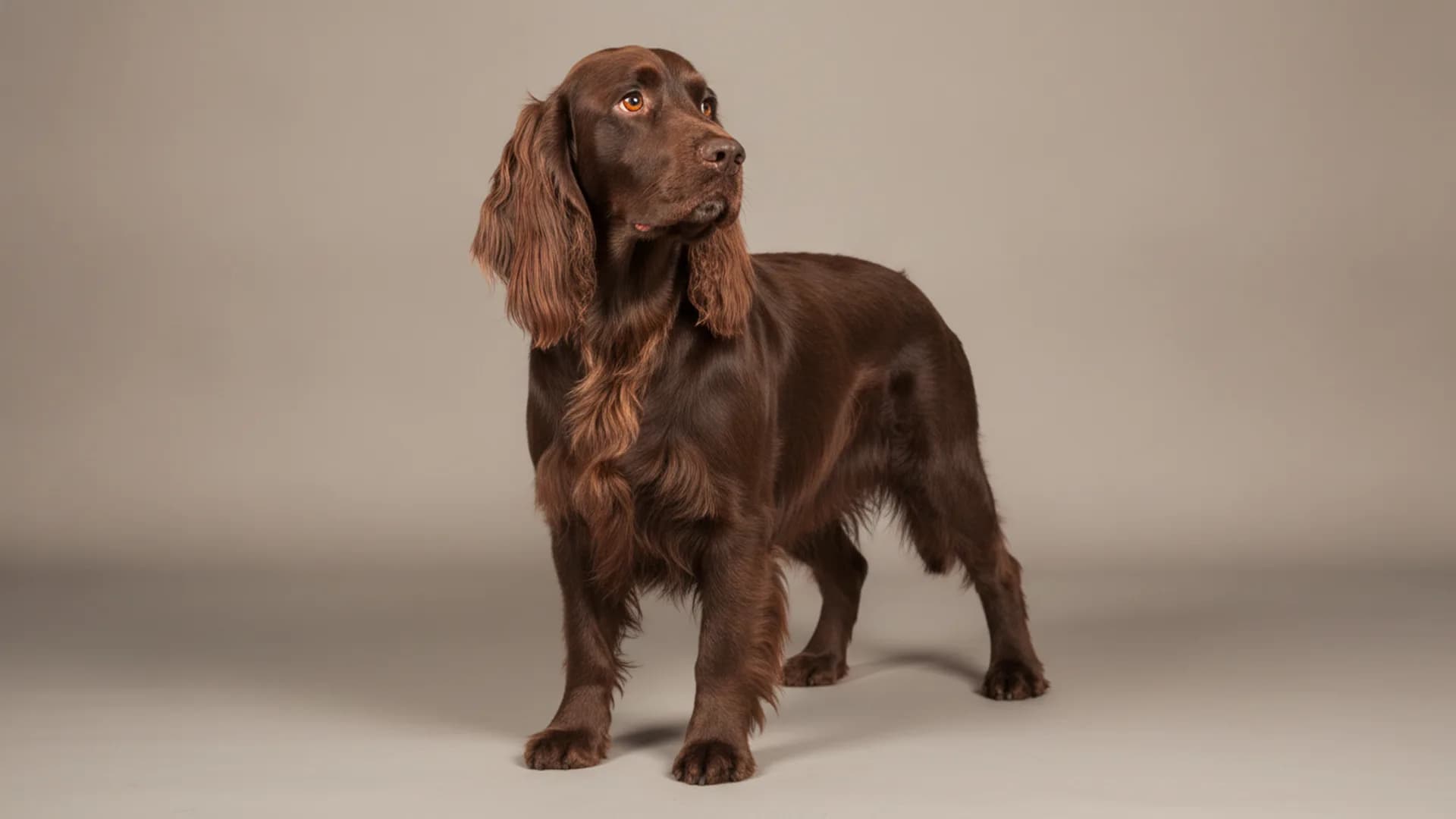
| Field Spaniel | Large | 16–27 kg | 40–48 cm | 12–13 yr | — |
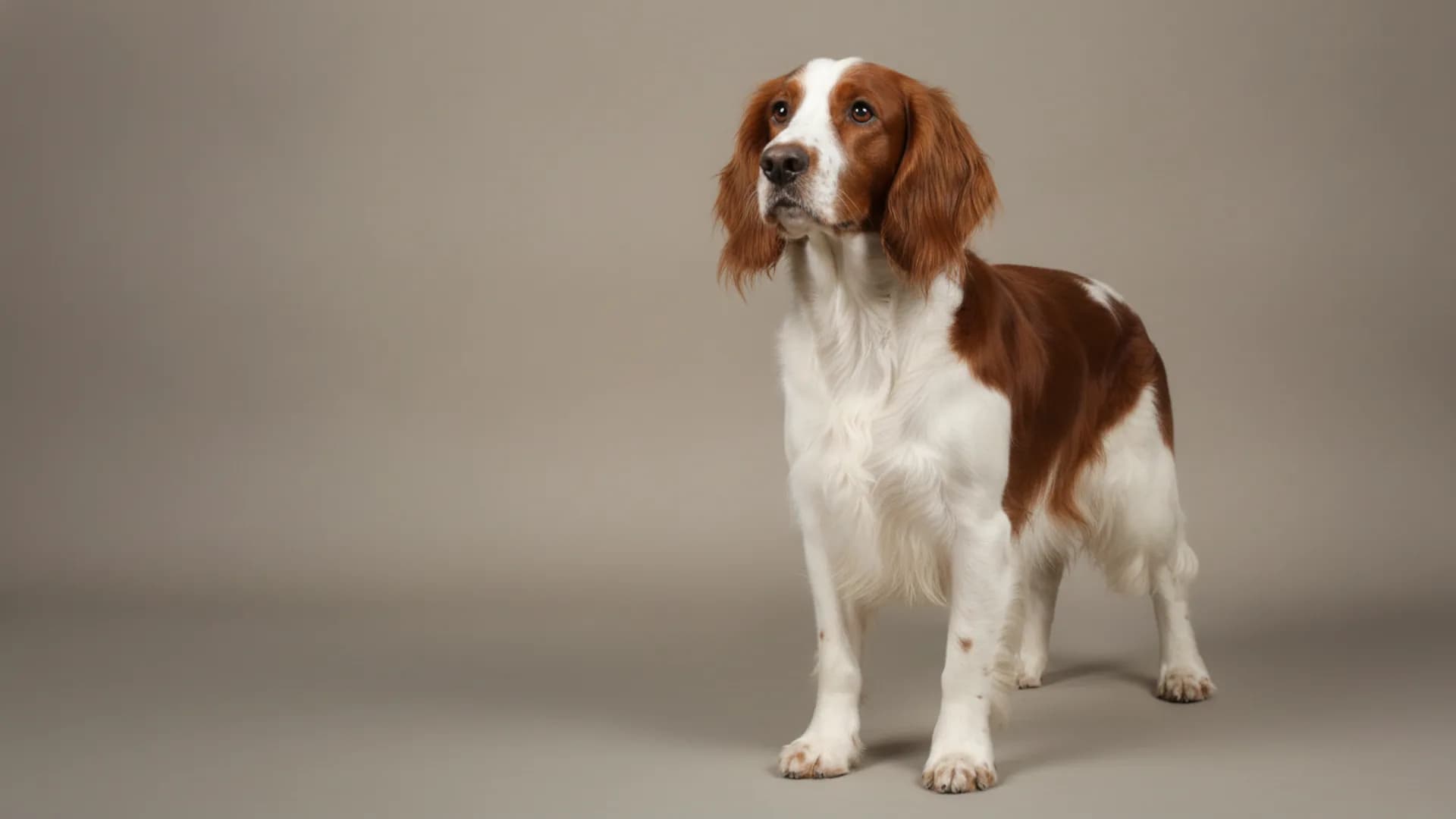
| Welsh Springer Spaniel | Large | 16–25 kg | 43–48 cm | 12–15 yr | — |
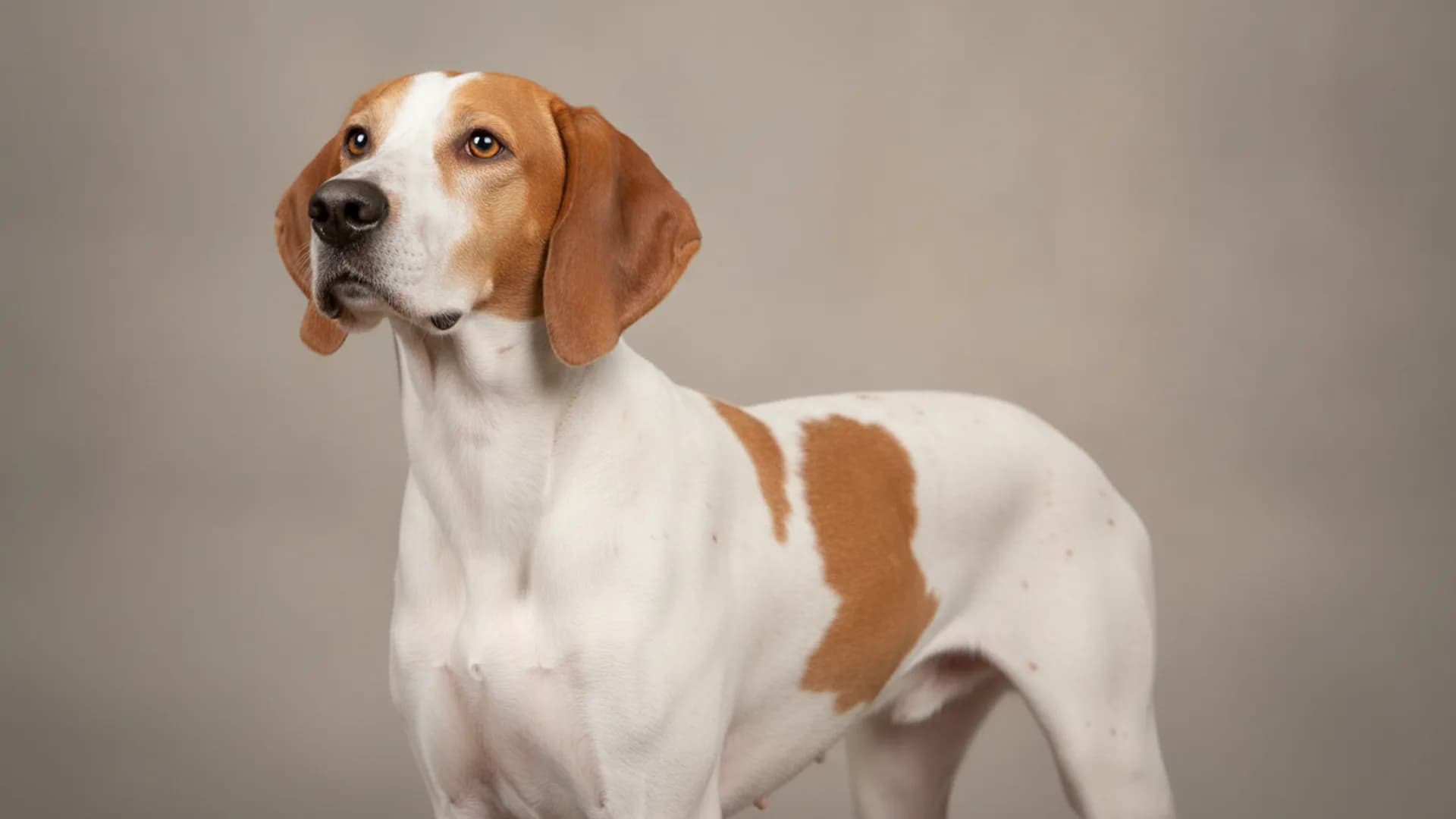
| English Pointer | Large | 24.9–34 kg | 63.5–68.6 cm | — | Short |
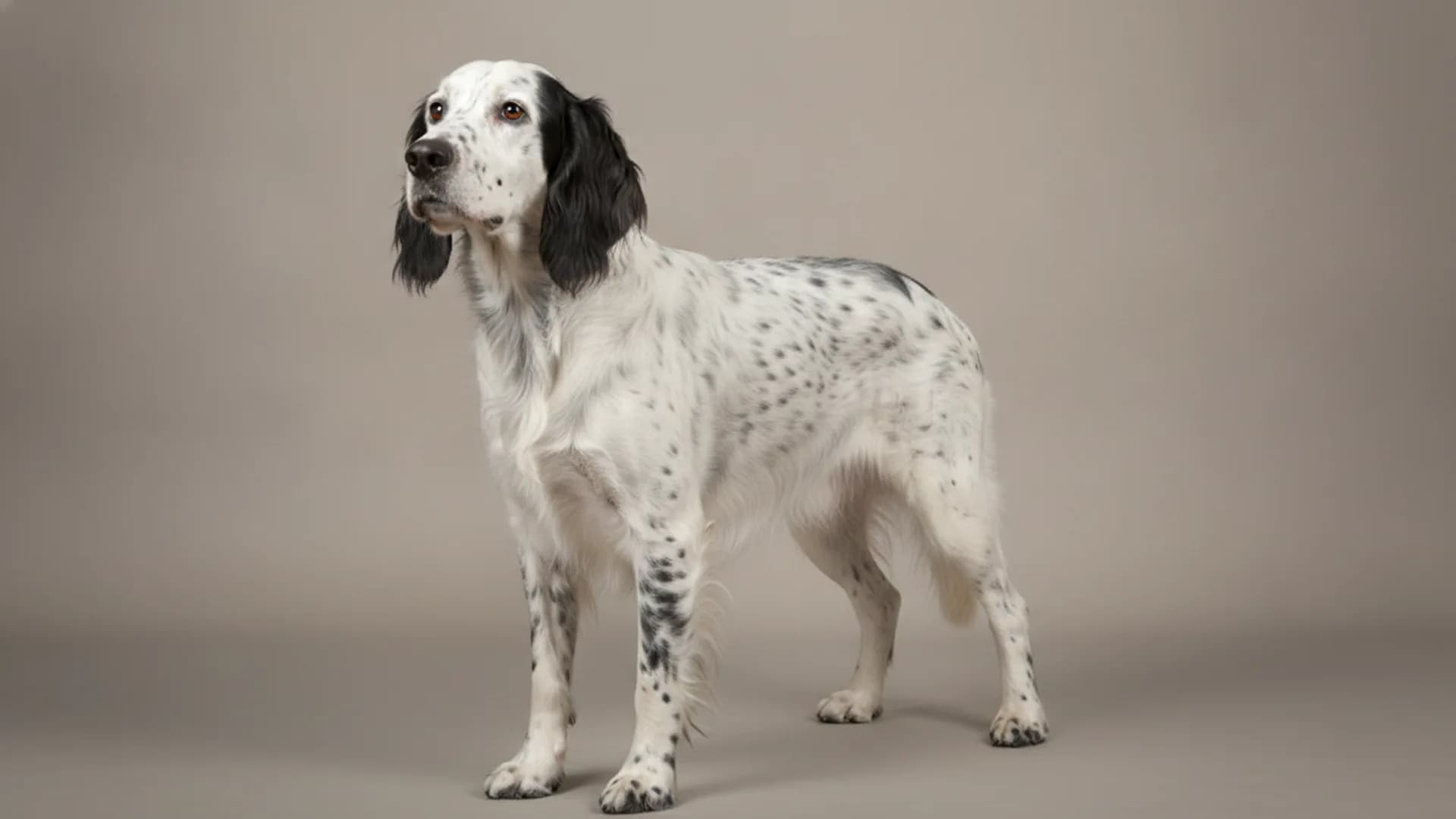
| English Setter | Large | 20–36 kg | 58–69 cm | 12–14 yr | — |