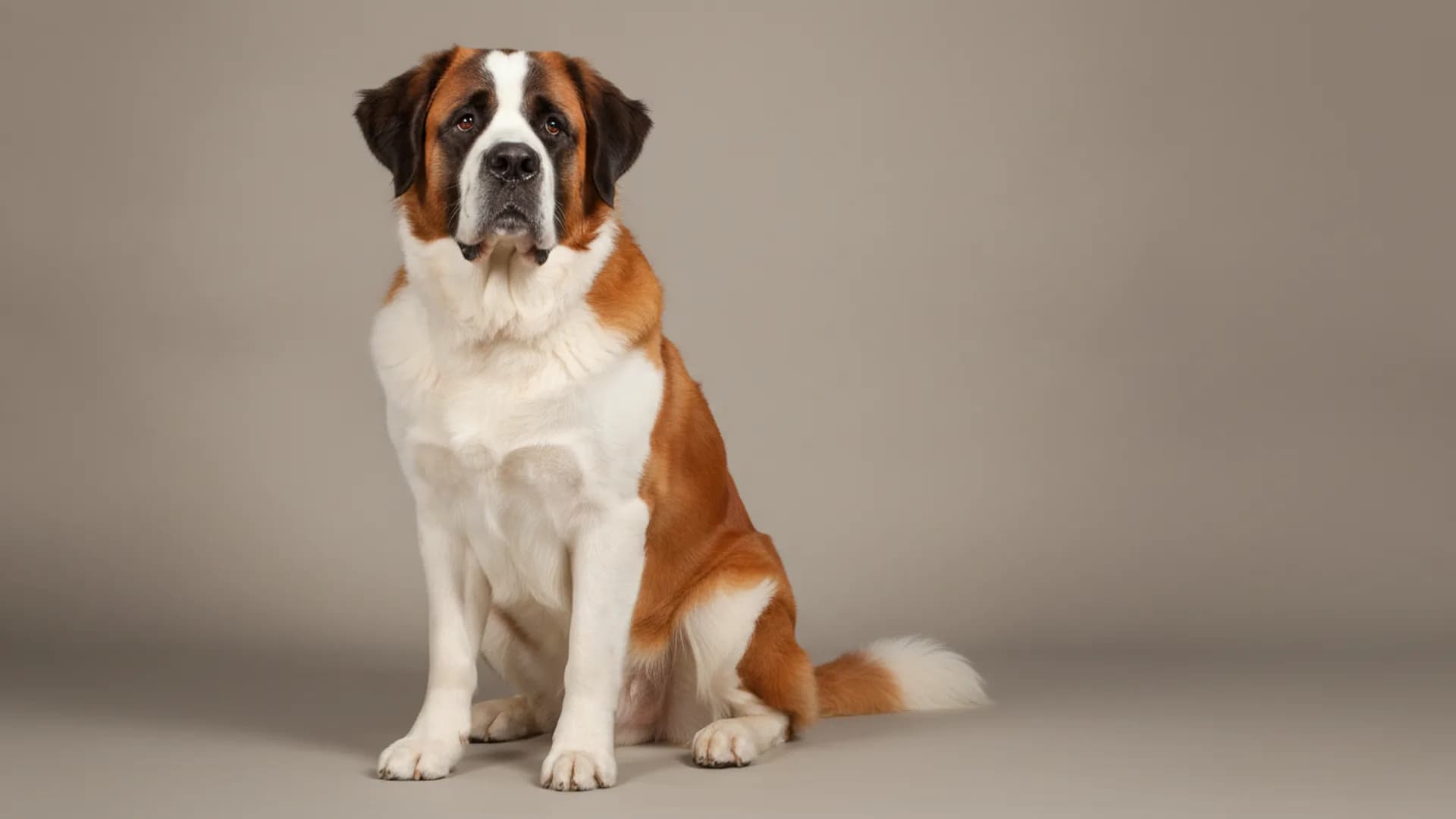
St. Bernard
The St. Bernard is a giant working breed from the western Alps, famous as the rescue dog of the hospice on the Great St. Bernard Pass. The legend has grown over two centuries, but there is a true story underneath it.
History
The hospice stands at the top of the pass between Switzerland and Italy, founded in the eleventh century by Bernard of Menthon as a refuge for travellers. Its monks were keeping large farm-type dogs by the late seventeenth century, at first as guards. The dogs proved able to find a path in deep snow and to scent a person lost in it, and the monks began taking them out on their rescues. The most celebrated, Barry, worked in the early 1800s and is credited with saving more than forty people; his preserved body is kept in the Natural History Museum in Bern.
After hard winters cost the hospice many of its dogs, Newfoundland blood was brought in, which produced the long coat. It was no help on the mountain, since ice balled up in the hair. The name St. Bernard came into general use in the nineteenth century, a Swiss breed club was founded in Basel in 1884, and the dog is regarded as Switzerland's national breed. The American Kennel Club recognised it in 1885. The neck barrel, the monks say, was never part of the work; they trace it to a painting of 1820 by Edwin Landseer.
Temperament
Steadiness is the mark of the breed. A St. Bernard is slow to react, slow to anger and friendly in a ponderous, unhurried way. It tolerates children's noise and handling with great calm.
Strangers are usually greeted with mild interest. The dog will bark at something unusual, and its appearance is generally enough to make a caller pause, but it is not a sharp guard. With other dogs it tends to be peaceable. Adolescence is the awkward stage: for a year or more it has an adult's weight and a puppy's judgement.
Living with the breed
Everything is on a large scale, including the mess. St. Bernards drool, most of all after eating and drinking and in warm weather, and a shake of the head sends it some distance. Both coat types shed thickly. The tail clears low tables, and the dog fills a hallway when it lies down, which it does often.
It handles cold with pleasure and heat badly, so summer means shade, cool floors and exercise at dawn. Stairs, slippery flooring and high car boots are difficult for a heavy dog, more so as it ages. It is not a noisy breed, and indoors an adult spends much of the day asleep.
Care and training
Exercise needs are modest. A steady walk or two a day keeps an adult fit, and it has no wish to run beside a bicycle. With puppies the concern is the opposite of most breeds: growth is so rapid that long walks, rough play and overfeeding are all avoided while the bones are forming.
Teaching begins at once, because a St. Bernard that pulls or jumps up is unmanageable within months. It is willing but deliberate, and responds to short, patient lessons better than to drilling. Some clubs offer carting and weight-pulling, which suit it. The short coat needs a weekly brush and the long one two or three, and the folds of the lips and the drooping lower eyelids are wiped clean as part of the routine.
Health
Hip dysplasia, abnormal development of the joint that leads to lameness, is widespread in the breed, and X-ray scoring of the hips and elbows of both parents is the basic precaution. Gastric dilatation-volvulus, in which the stomach bloats and twists on itself, is a recognised danger in so deep-chested a dog.
Dilated cardiomyopathy, where the heart enlarges and pumps weakly, occurs, as does osteosarcoma, a malignant bone tumour that favours giant breeds. The eyelids are a weak point: they may roll inward (entropion) or sag outward (ectropion), either of which irritates the eye. Like other giants, the St. Bernard does not live long; the figures are in the facts panel.
Who it suits
It suits people with a big, cool house, ground-floor living, time to be at home and a relaxed attitude to slobber and hair, who want a placid companion more than an athletic one. It is the wrong choice for a flat, a warm climate, a tight budget or an owner who could not lift or steer a very heavy dog in an emergency.
Questions
Did St. Bernards really carry barrels of brandy?
No, according to the monks of the hospice, who say their dogs never wore casks; brandy would have done a chilled traveller no good in any case. They trace the image to a painting made in 1820 by Edwin Landseer, which shows a rescue dog with a barrel at its collar, and it proved too appealing to fade.
Are St. Bernards good with children?
Yes, as a rule. The breed is tolerant, unexcitable and affectionate, and has a long record as a family dog. The difficulty is purely physical — a young St. Bernard can knock a child flat or sit on one without meaning to — so early manners matter.
What is the difference between short-haired and long-haired St. Bernards?
Only the coat. The short-haired type is the original hospice dog, with a dense, close coat. The long-haired type appeared after crosses with Newfoundlands in the nineteenth century. The two are one breed.
Do St. Bernards still rescue people?
Not as working rescue dogs: the last recorded rescue by a hospice dog was in 1955. Since 2004 the dogs have been bred by the Barry foundation at Martigny, and some are taken up to the hospice for the summer months for the sake of the tradition.
Characteristics
- Size
- Giant
- Weight
- 63.5–81.6 kg
- Height
- 70–90 cm
- Group
- Working
Traits
- Affection
- Energy
- Intelligence
- Shedding
- Grooming
- Good with kids
Similar breeds
Dogs with a comparable size, coat and temperament.
| Breeds | Size | Weight | Height | Lifespan | Coat |
|---|---|---|---|---|---|
| St. Bernard | Giant | 63.5–81.6 kg | 70–90 cm | — | — |
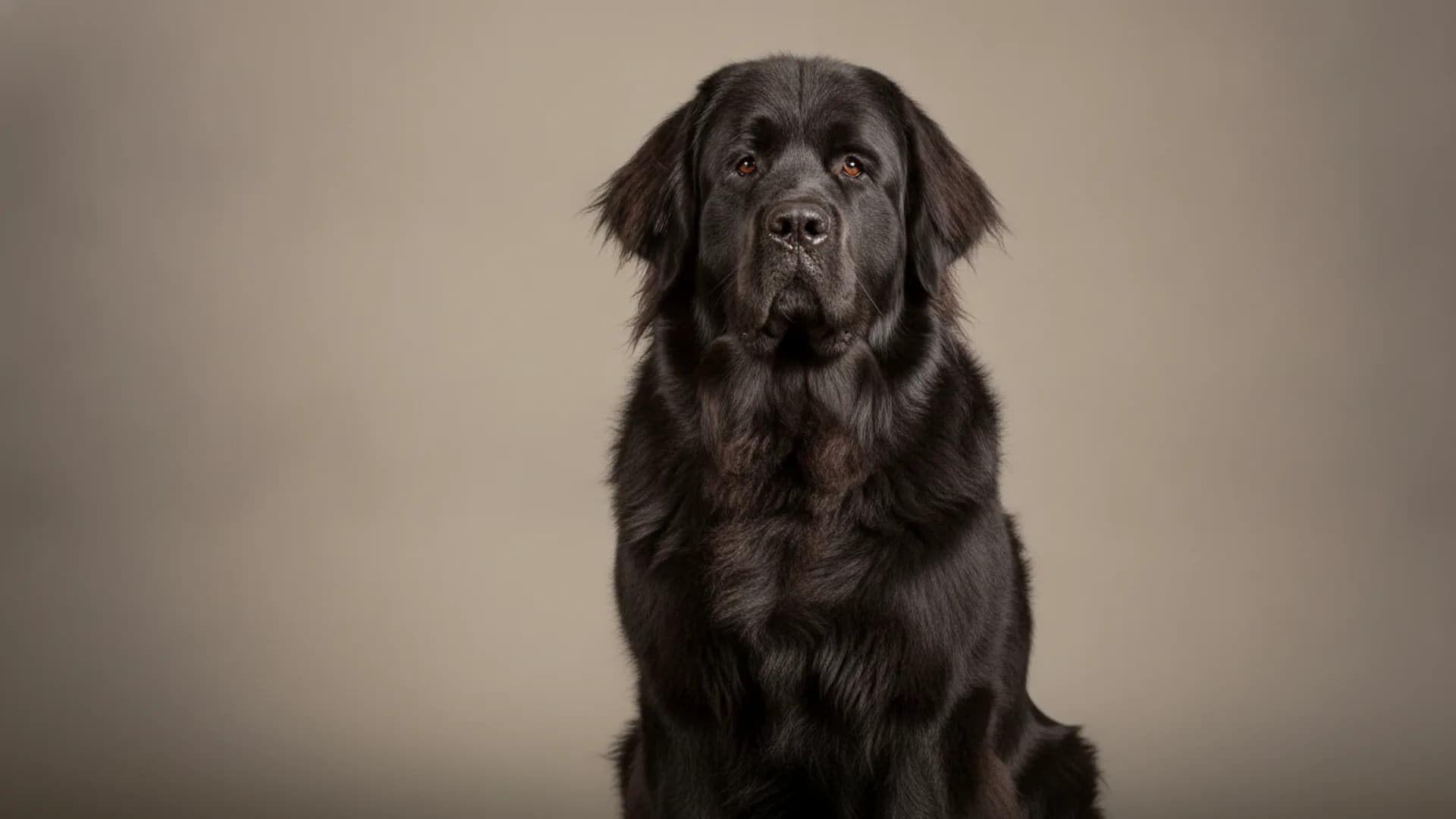
| Newfoundland | Giant | 45–68 kg | 66–76 cm | 9–10 yr | — |
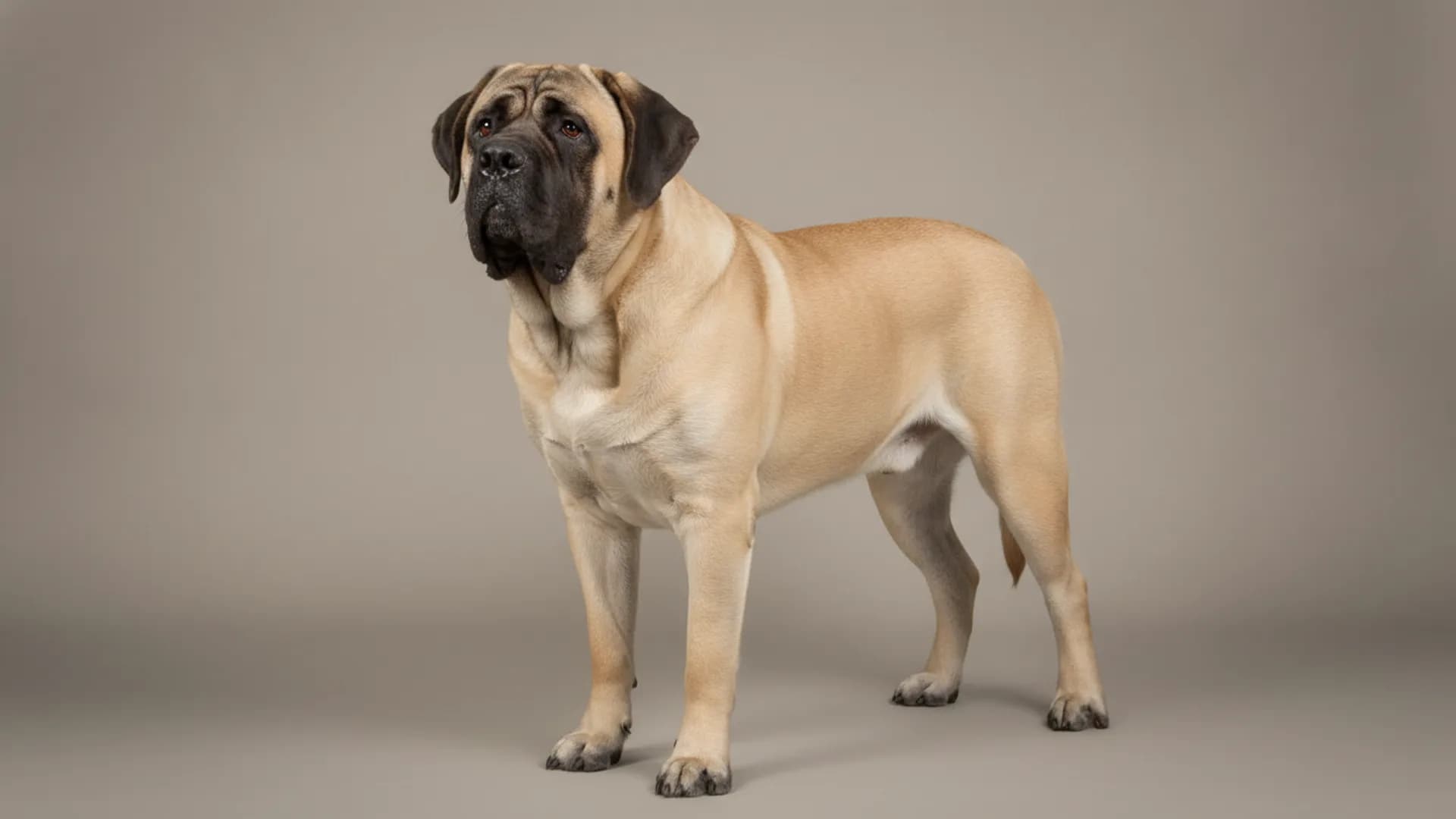
| English Mastiff | Giant | 80–85 kg | 70–77 cm | 6–10 yr | — |
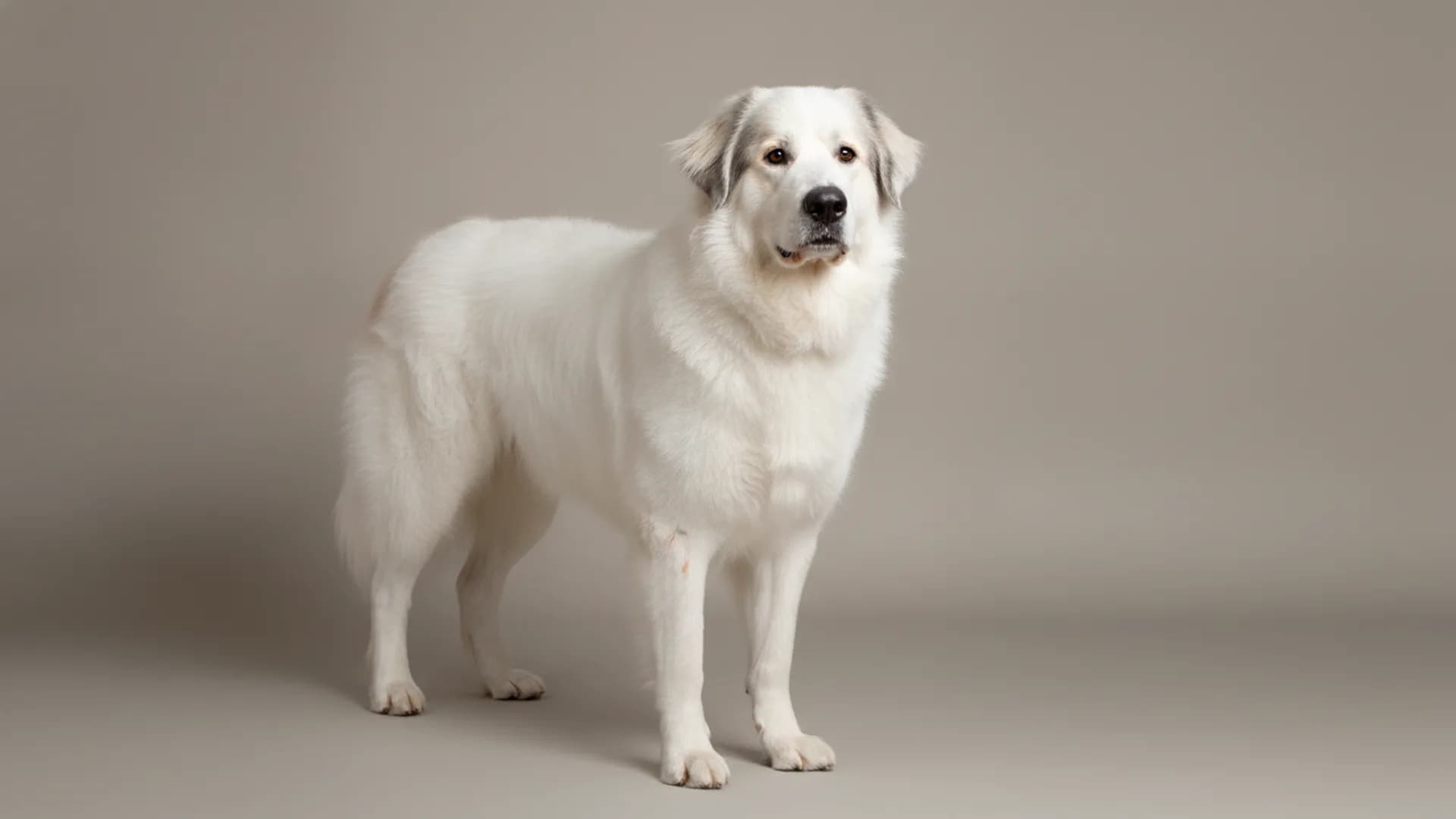
| Pyrenean Mountain Dog | Giant | 55–75 kg | 70–80 cm | 10–12 yr | Long |
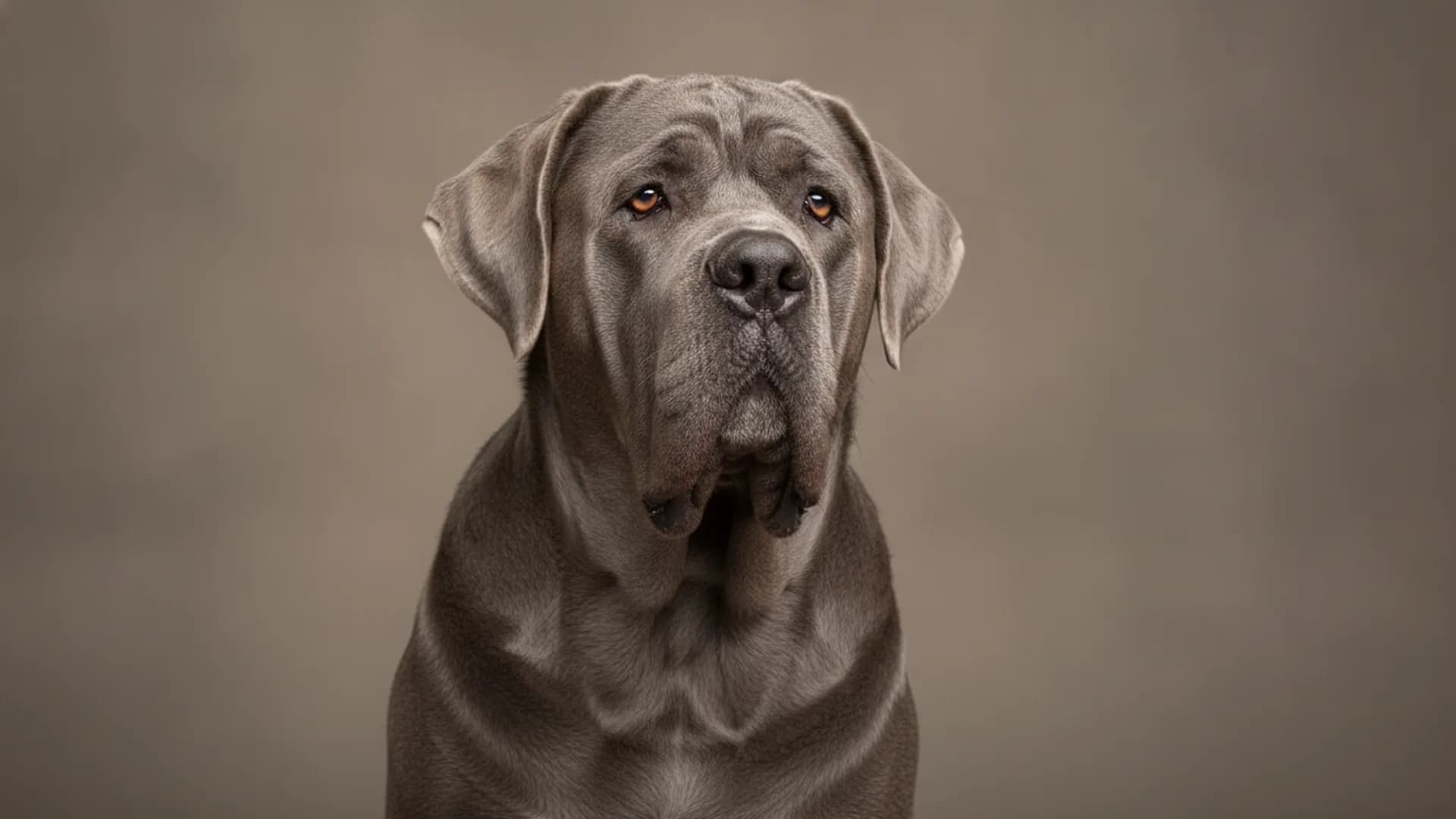
| Neapolitan Mastiff | Giant | 60–70 kg | 65–75 cm | 7–9 yr | Short |