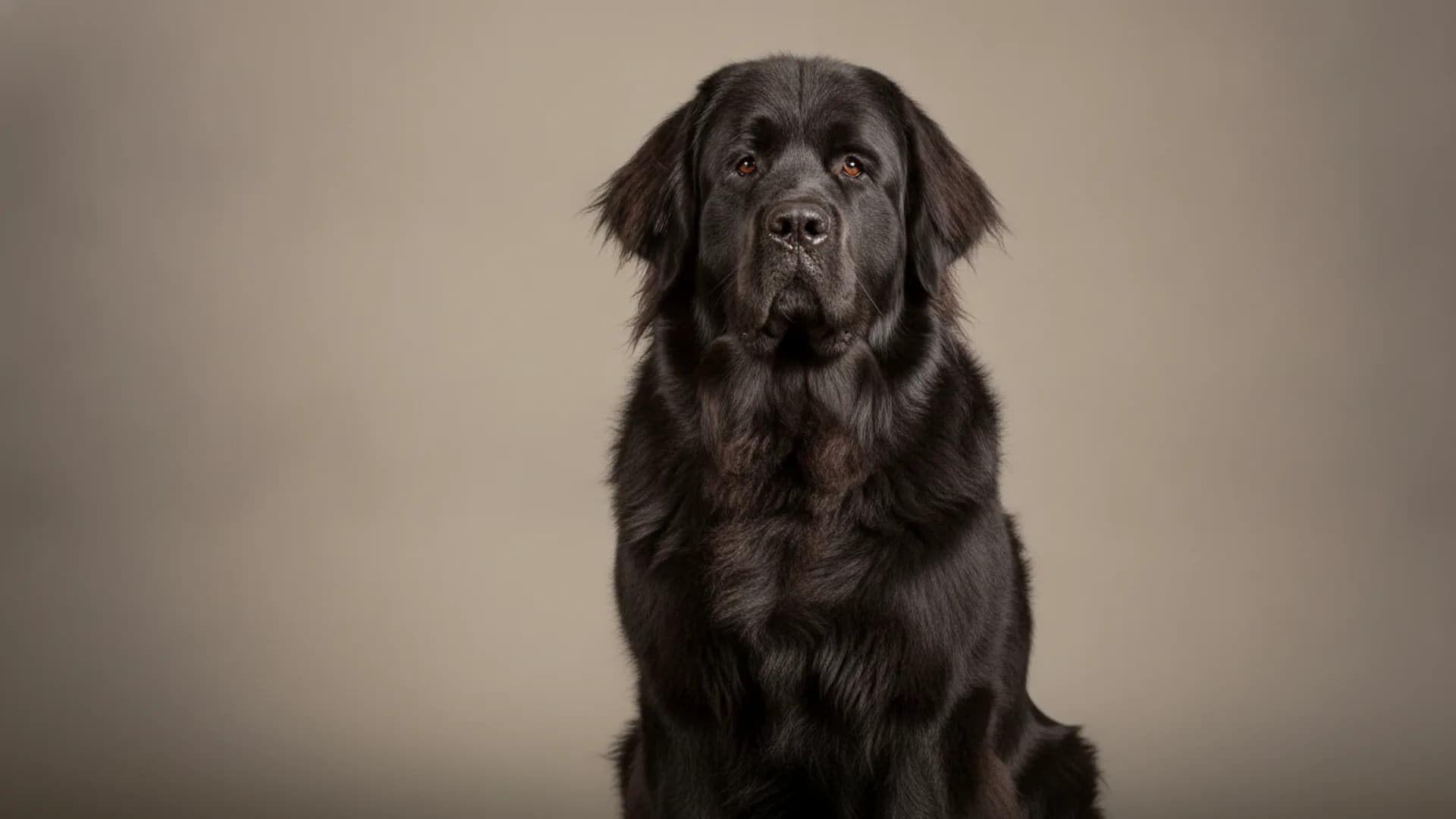
Newfoundland
The Newfoundland is a giant water-rescue dog with webbed feet and an oily coat, bred by Canadian fishermen to work off boats in the North Atlantic. It is a swimmer first and everything else second.
History
The breed took shape on the island of Newfoundland, where fishing crews wanted a dog strong enough to haul nets ashore and pull a loaded cart once the catch was landed. It also went in after people in the water, and accounts of such rescues made its name in Britain, where the dogs were exported and bred in numbers; the name Newfoundland dog is on record as early as 1766.
Fame followed quickly. Lord Byron buried his Newfoundland, Boatswain, at Newstead Abbey under a monument carrying the poem "Epitaph to a Dog". A Newfoundland called Seaman crossed North America with the Lewis and Clark expedition. The painter Sir Edwin Landseer portrayed the white-and-black dogs so often that the pattern is still called Landseer, and J. M. Barrie modelled Nana, the nursemaid in "Peter Pan", on his own Newfoundland, Luath. The American Kennel Club recognised the breed in 1886.
Temperament
Sweetness of temper is written into the standard as the single most important characteristic of the breed. A Newfoundland is mild, patient and hard to rattle. It does not startle at noise, it puts up with being climbed on, and it tends to station itself wherever the youngest members of the family are.
It is friendly with strangers and usually with other animals. Its bulk and deep bark deter intruders; its character does not. One instinct can surprise an owner: many Newfoundlands try to fetch swimmers out of the water, circling a splashing child and towing them to the bank by an arm, wanted or not.
Living with the breed
Water, hair and drool are the three facts of life. The dog walks into every pond, ditch and paddling pool, and the dense undercoat holds the water for hours afterwards. The coat sheds heavily, and the loose lips leave strings of saliva on walls, trousers and visitors, especially after a drink. People who keep the breed keep towels by every door.
Heat is a real problem. A Newfoundland is comfortable in weather that sends its owner indoors and miserable on a warm afternoon, when it looks for tiled floors and shade. It needs a large vehicle, a wide dog bed and a strong budget for food and veterinary bills, all of which scale with the animal.
Care and training
Exercise is moderate for the size: steady daily walks, and swimming whenever there is safe water, which works the dog without loading its joints. Puppies grow fast and heavy, and are kept to gentle exercise until the skeleton has matured.
A Newfoundland is willing and responds to quiet, kind teaching. The essentials, taught early, are walking without pulling and not jumping up, since an adult cannot be physically restrained by most people. Clubs hold water rescue demonstrations and classes, and some dogs are still worked in harness with a cart; both give a pet dog the work it was built for. The coat needs brushing to the skin several times a week, and the ears need drying after a swim.
Health
Subvalvular aortic stenosis, a ridge of tissue below the aortic valve that obstructs the flow of blood out of the heart, is the heart condition tied to the breed, and breeding dogs are given a cardiac examination. Cystinuria is an inherited fault in the kidneys' handling of the amino acid cystine, leading to bladder stones; a DNA test identifies carriers.
Hip and elbow dysplasia are both frequent in a dog that grows this large this quickly, and parents should have X-ray scores. Dilated cardiomyopathy, a weakening of the heart muscle, also occurs, as does bloat, a sudden gas-filled distension of the stomach.
Who it suits
It suits a household with space, a cool climate, access to water and no objection to a permanently damp, hairy house — in return for one of the gentlest dogs there is. It does not suit the house-proud, people in hot regions, small homes or small cars, or anyone unprepared for what a giant costs to feed and treat.
Questions
Are Newfoundlands good with children?
Yes; it is what the breed is best loved for. The standard puts gentleness above every other quality, and most Newfoundlands are calm and tolerant with children of all ages. A young dog can still knock a toddler over simply by turning round, so the two are watched together.
Do Newfoundlands really rescue people from water?
Yes. The instinct to bring people ashore is strong, the dog has webbed feet and a water-resistant coat, and there are well-documented rescues going back two centuries. Clubs still demonstrate the skill, and trained Newfoundlands work as water rescue dogs today, in Italy for one.
Do Newfoundlands drool a lot?
Yes, most do. The deep, loose lips collect saliva and water, and it is shaken out or wiped off on whatever is nearest. Some dogs are drier-mouthed than others, but nobody should take on the breed expecting a clean one.
How much grooming does a Newfoundland need?
A good deal. The thick double coat needs brushing down to the skin three or four times a week to stop mats forming, and more during the twice-yearly moult. After swimming the coat should be allowed to dry through, since a permanently damp undercoat can irritate the skin.
What is a Landseer Newfoundland?
It is a white Newfoundland with black markings, named after Sir Edwin Landseer, who painted such dogs in the nineteenth century. British and North American clubs treat it as a colour of the breed. In continental Europe a taller, lighter-built Landseer is registered as a separate breed.
Characteristics
- Origin
- Canada
- Size
- Giant
- Weight
- 45–68 kg
- Height
- 66–76 cm
- Lifespan
- 9–10 yr
- Group
- Working
Traits
- Affection
- Energy
- Intelligence
- Shedding
- Grooming
- Good with kids
Similar breeds
Dogs with a comparable size, coat and temperament.
| Breeds | Size | Weight | Height | Lifespan | Coat |
|---|---|---|---|---|---|
| Newfoundland | Giant | 45–68 kg | 66–76 cm | 9–10 yr | — |
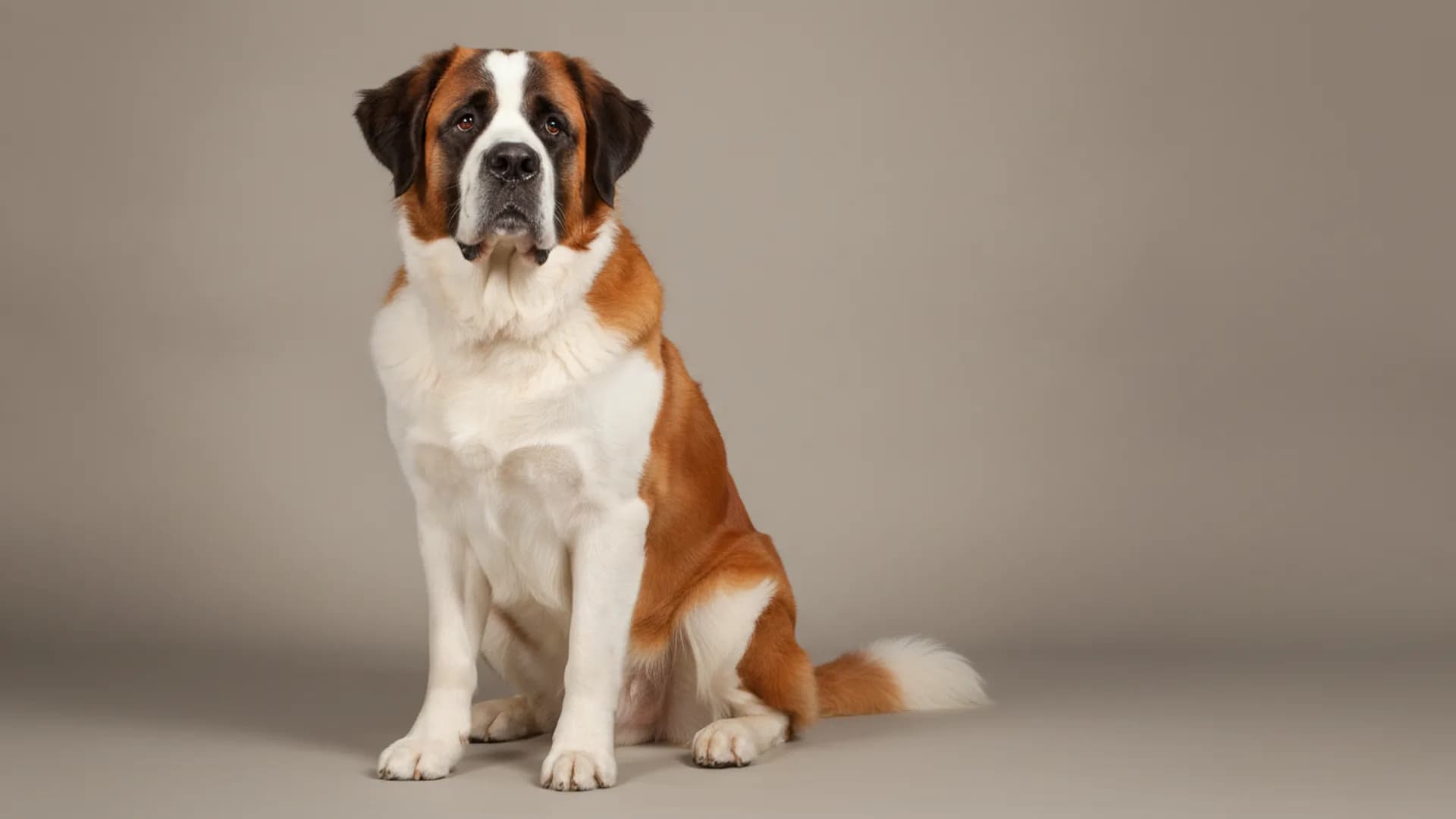
| St. Bernard | Giant | 63.5–81.6 kg | 70–90 cm | — | — |
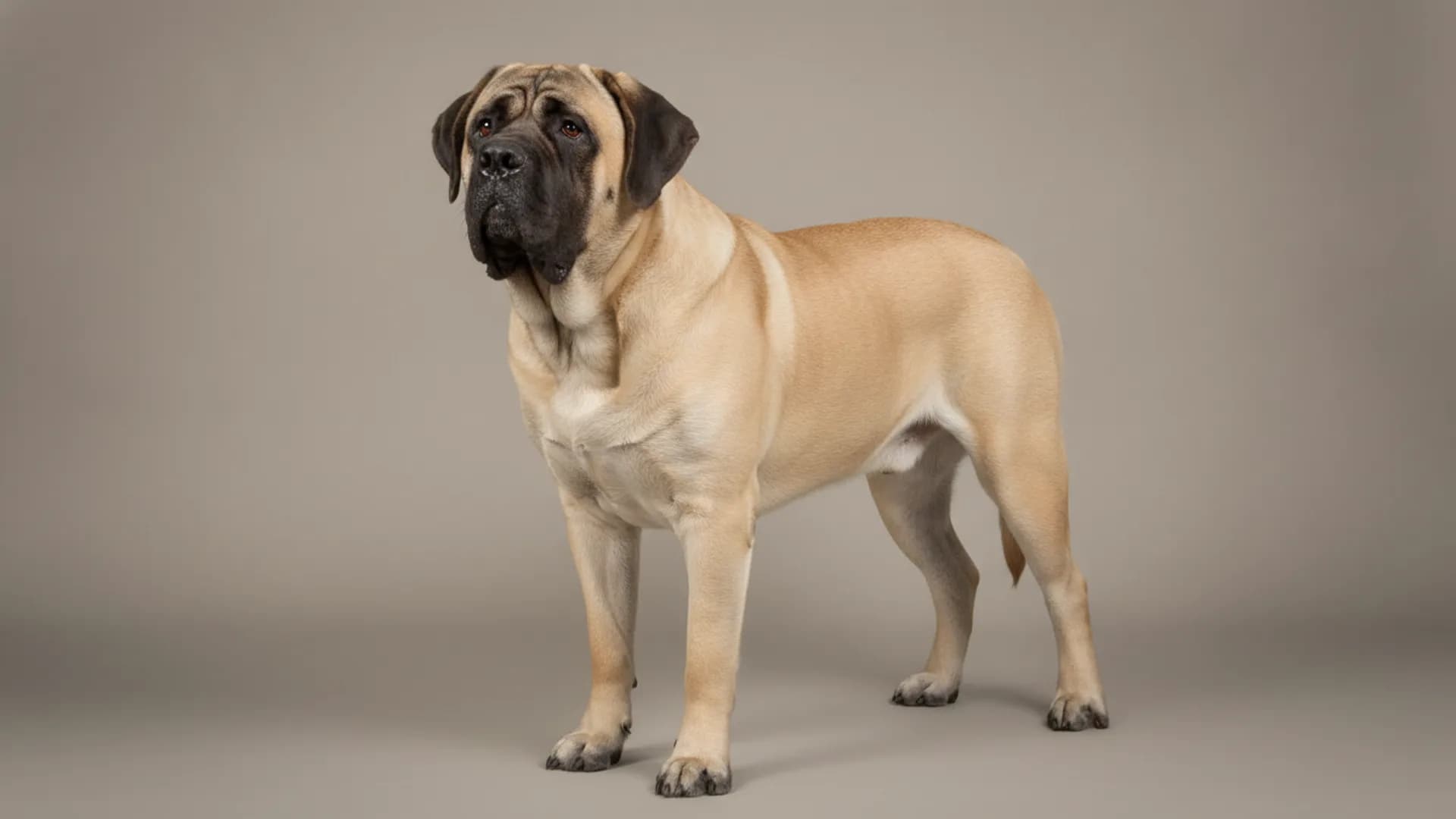
| English Mastiff | Giant | 80–85 kg | 70–77 cm | 6–10 yr | — |
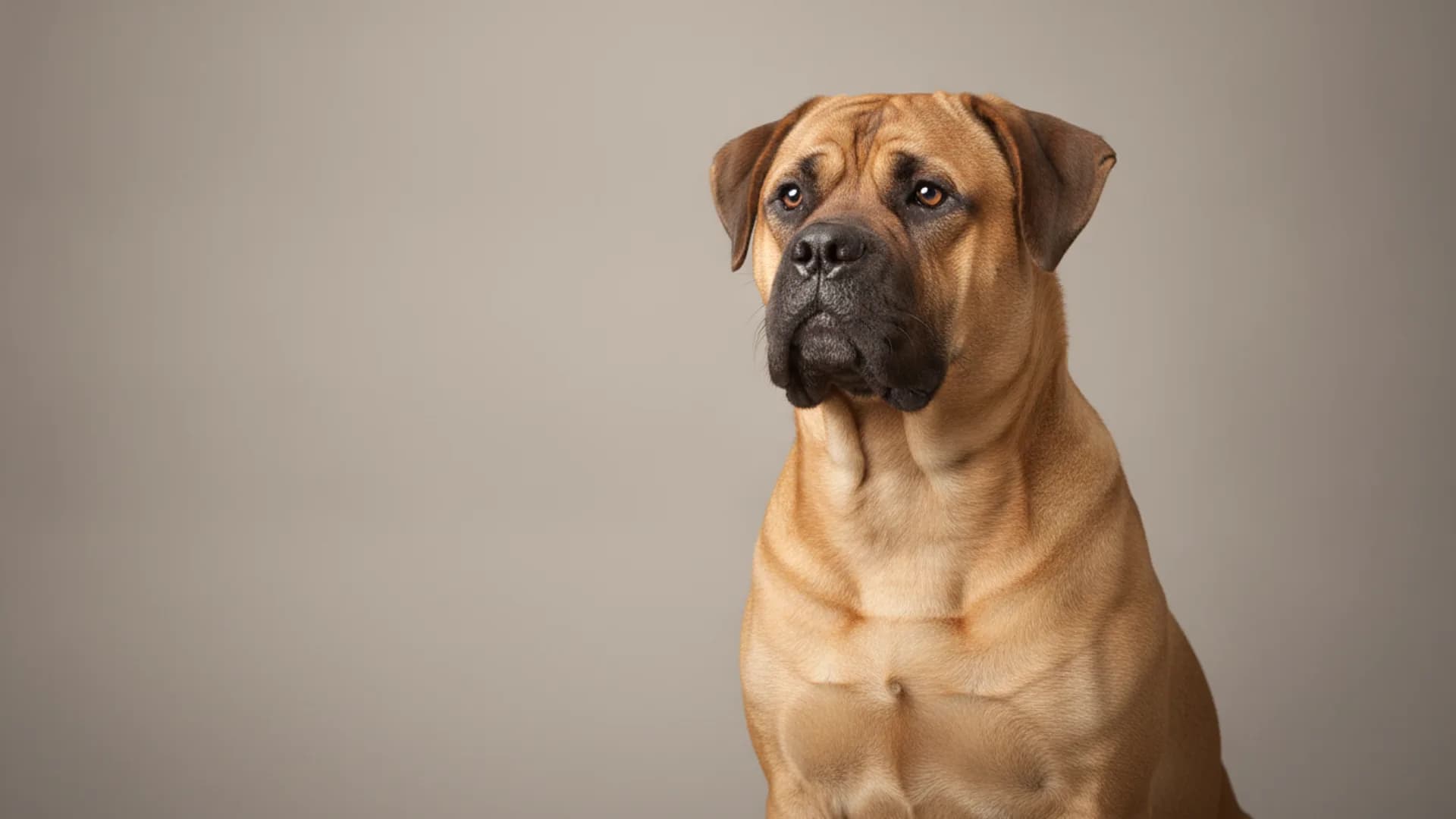
| Bullmastiff | Giant | 50–59 kg | 64–69 cm | 7–9 yr | Short |
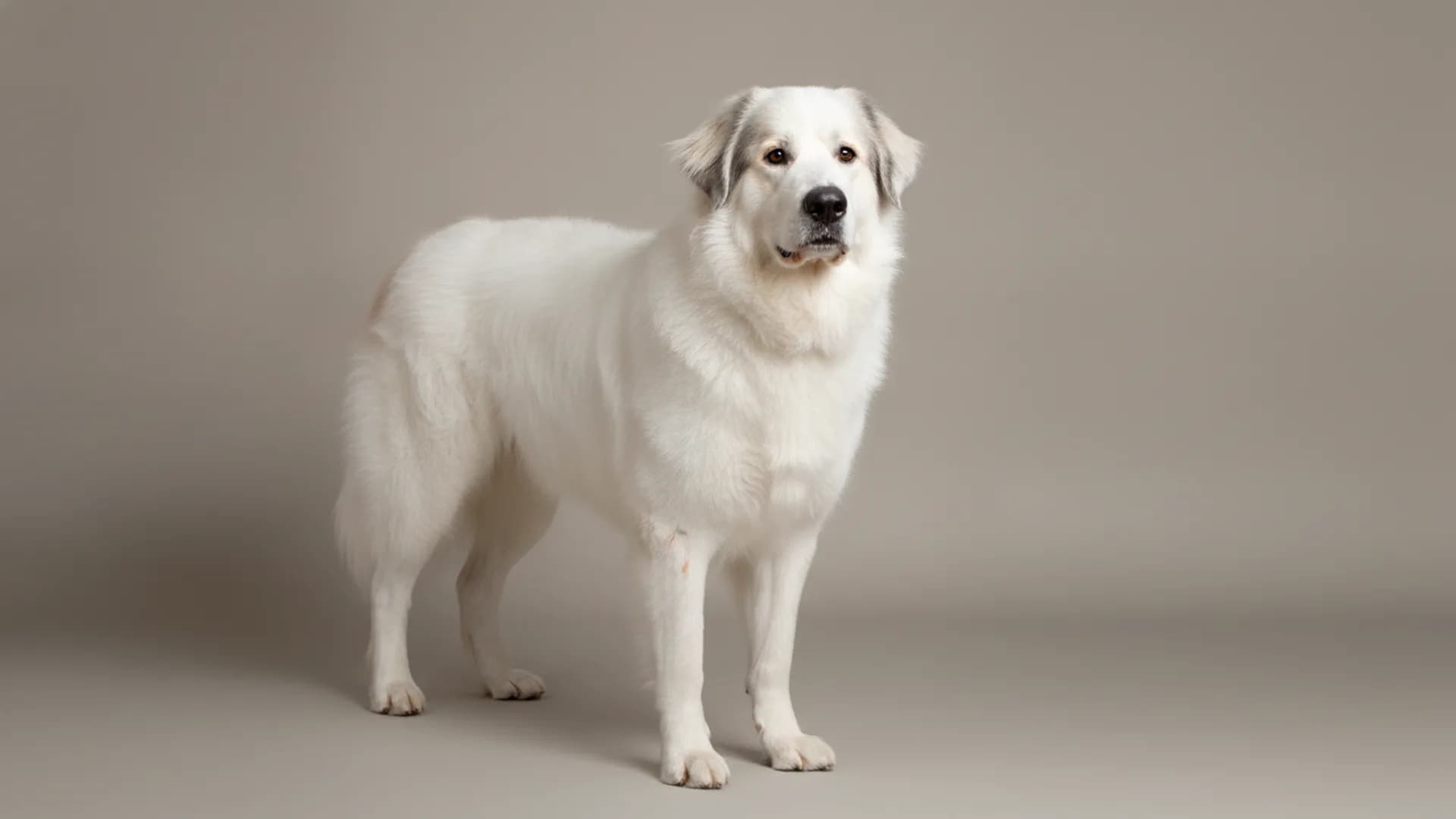
| Pyrenean Mountain Dog | Giant | 55–75 kg | 70–80 cm | 10–12 yr | Long |