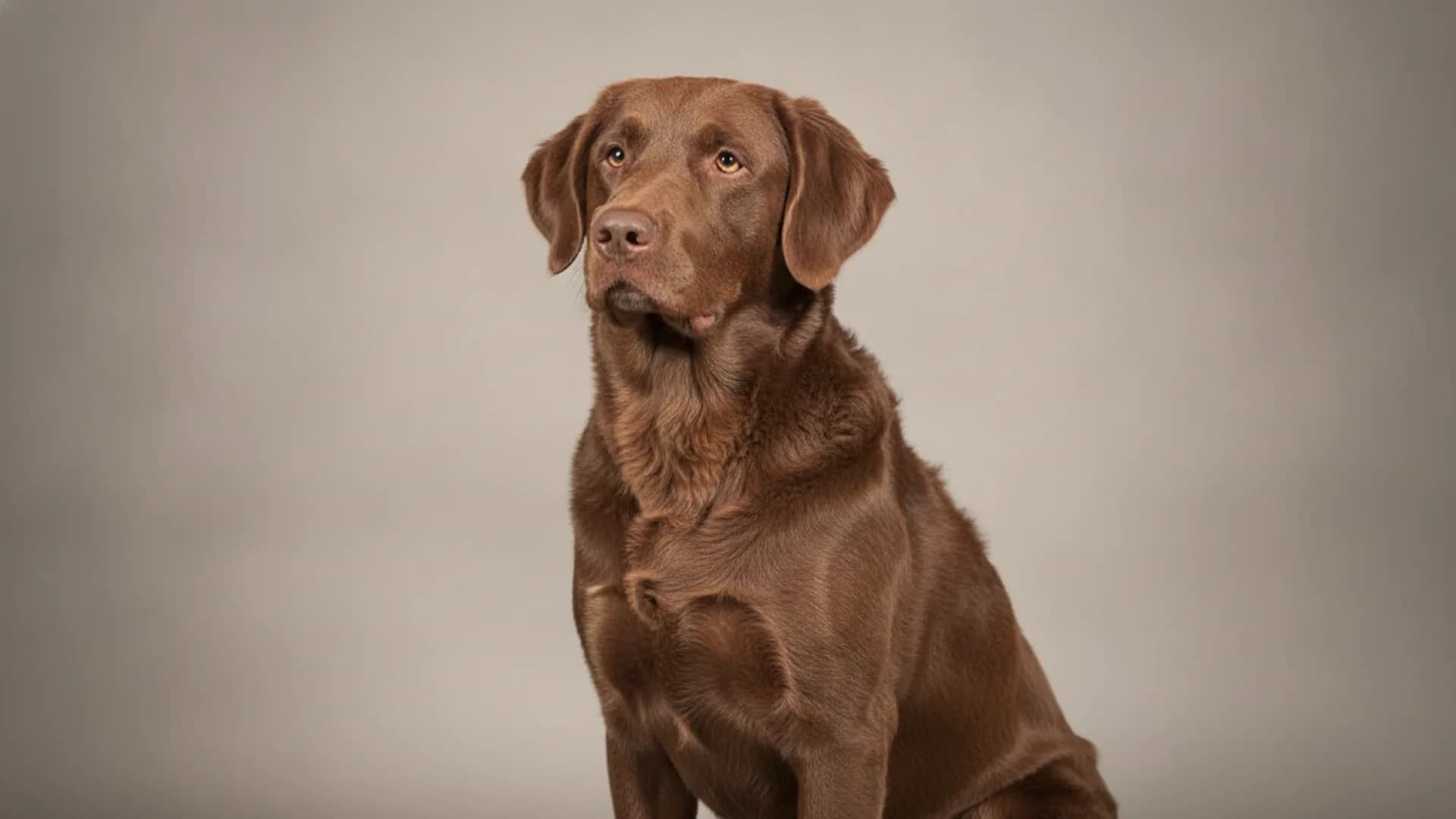
Chesapeake Bay Retriever
The Chesapeake Bay Retriever is the American duck dog — built to break ice and work rough water all day, and the toughest of the retrievers. Its colours have names of their own: brown, sedge and deadgrass, each meant to disappear against marsh and mud.
History
In 1807 an English brig foundered off the coast of Maryland, and among what was saved were two Newfoundland-type puppies, a reddish dog named Sailor and a black bitch named Canton. Both were bred to local dogs around the bay, with more regard for ability than for ancestry; from their descendants and assorted hounds and spaniels a distinct type emerged.
It was shaped by commerce as much as sport. Market gunners on the Chesapeake needed a dog that would fetch hundreds of birds in a day, breaking ice where it had to, and guard the catch and the gear from thieves as well. It was the first retriever on the American Kennel Club's books, and Maryland named it the state dog in 1964.
Temperament
A Chesapeake gives its loyalty to its own household and does not hand it out to passers-by. It is steady, brave and affectionate at home, often with a wry sense of fun, yet it watches strangers coolly and will defend property — unusual in a retriever. It can be assertive with unfamiliar dogs.
It has opinions. Where a Labrador asks what is wanted, a Chessie considers whether the request makes sense, and repetition for its own sake bores it. Many "smile", baring the front teeth in greeting, and rumble or croon when pleased, noises that alarm visitors who do not know the habit.
Living with the breed
The coat explains much of daily life. It is short, harsh and wavy over the shoulders and back, with a dense woolly underlayer, and it carries a natural oil that makes water run off as it does from a duck's feathers. That oil has a faint musky smell and leaves a film on walls and bedding.
It is a dog for cold, wet, outdoor places and it wilts in heat. A flat or a hot city does not suit it. It will swim in midwinter by choice. Dead hair comes out in clumps in spring, and the dog is generally calm indoors once grown, provided it has worked.
Care and training
Give it purpose and water. An adult wants well over an hour of strenuous activity daily, and long retrieves, swimming and hunting satisfy it in a way that a circuit of the park cannot. Wildfowlers still value it above all for late-season sea duck and goose shooting.
It needs an early, firm and fair education from someone it respects, and wide socialisation with people and dogs in the first year so that natural wariness does not harden into suspicion. Drilling and force backfire: it either digs in or switches off. Brush the coat weekly with a short-bristled brush and bathe it seldom, since shampoo strips the protective oil.
Health
Hip dysplasia, the abnormal development of the hip joint, is the principal orthopaedic concern, and elbows are assessed too. Progressive retinal atrophy, a gradual degeneration of the retina ending in blindness, can be excluded with a DNA test. Exercise-induced collapse, in which an affected dog weakens and goes down after intense exertion, is also recorded in the breed.
A genetic test also exists for degenerative myelopathy, a progressive disease of the spinal cord in older dogs. Breeders have eyes examined for cataracts.
Who it suits
It belongs with a wildfowler or an experienced, outdoor-minded owner who wants a one-family dog with a protective streak. Novices, people expecting an easy-going retriever that loves everybody, and those in warm climates or small urban homes would do better with a different breed.
Questions
How is a Chesapeake Bay Retriever different from a Labrador?
In coat and in character. The Chesapeake has a wavy, oily jacket in shades of brown, sedge or deadgrass, and yellowish-amber eyes. It is more protective, more reserved with strangers and more independent-minded, and it takes a more experienced hand to train.
Are Chesapeake Bay Retrievers aggressive?
Not by nature, but they are guardians in a way other retrievers are not. A well-raised one is calm and discerning; a poorly socialised one can be territorial with strangers and pushy with other dogs. Early, broad socialisation makes the difference.
Why does a Chesapeake's coat feel oily?
Because it is. Oil in the harsh outer hair and the woolly undercoat stops cold water reaching the skin, so the dog comes out of the bay nearly dry after a shake. Frequent bathing removes that waterproofing, which is why owners brush instead.
Is a Chesapeake Bay Retriever a good first dog?
Usually not. It is strong-willed, powerful and inclined to make its own decisions, and it needs confident handling through a long adolescence. Someone who has already trained a gun dog or a guarding breed will find it far more straightforward.
Can Chesapeake Bay Retrievers really swim in icy water?
Yes — it is what they were bred for. The insulating double coat, powerful chest and hindquarters and webbed feet let the breed retrieve through broken ice and heavy tides. Owners still need judgement about currents and how long a dog stays wet.
Characteristics
- Origin
- United States
- Size
- Large
- Weight
- 25–36 kg
- Height
- 53–66 cm
- Lifespan
- 10–13 yr
- Group
- Sporting
Traits
- Affection
- Energy
- Intelligence
- Shedding
- Grooming
- Good with kids
Similar breeds
Dogs with a comparable size, coat and temperament.
| Breeds | Size | Weight | Height | Lifespan |
|---|---|---|---|---|
| Chesapeake Bay Retriever | Large | 25–36 kg | 53–66 cm | 10–13 yr |
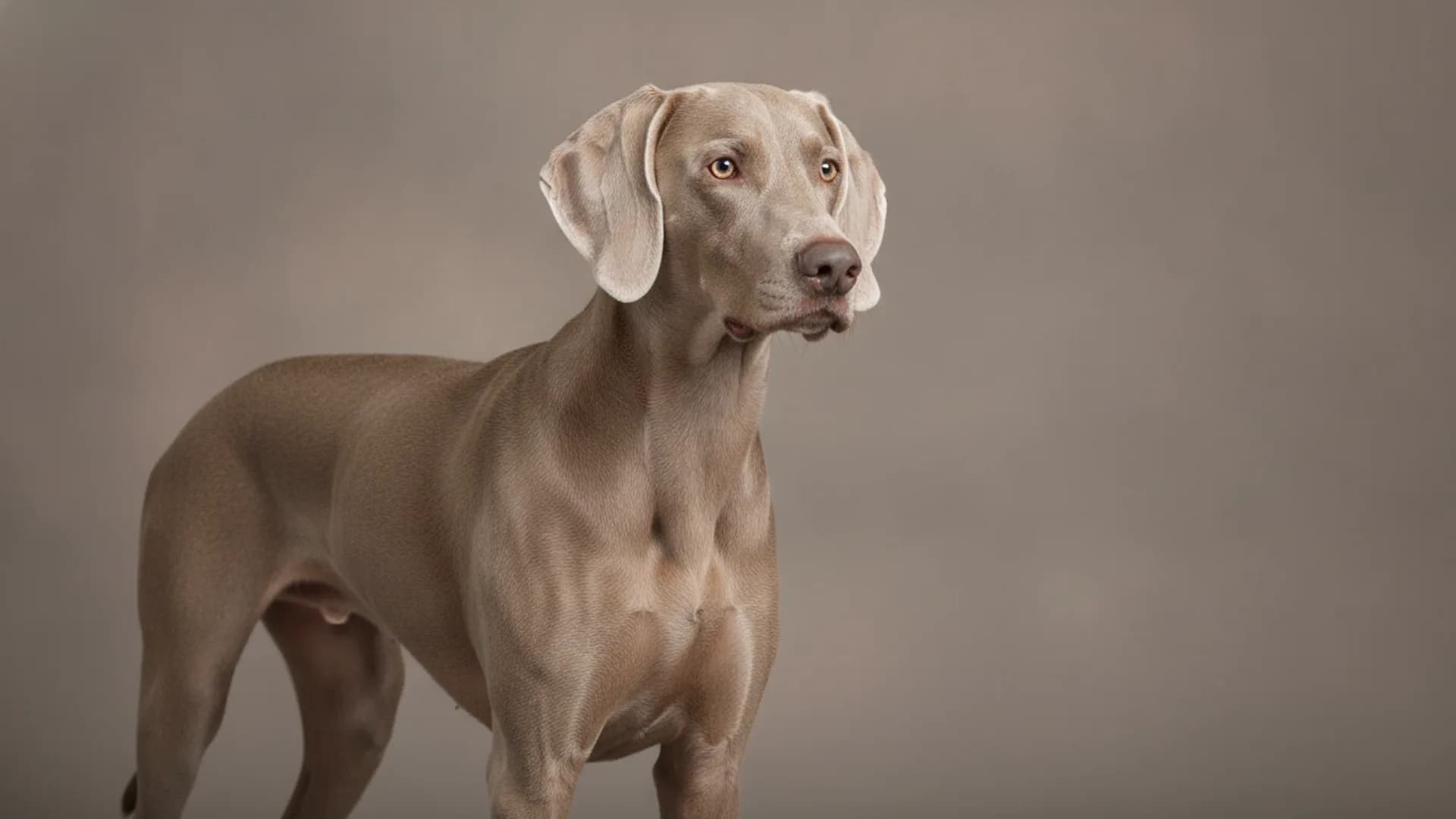
| Weimaraner | Large | 25–41 kg | 58–69 cm | 10–13 yr |
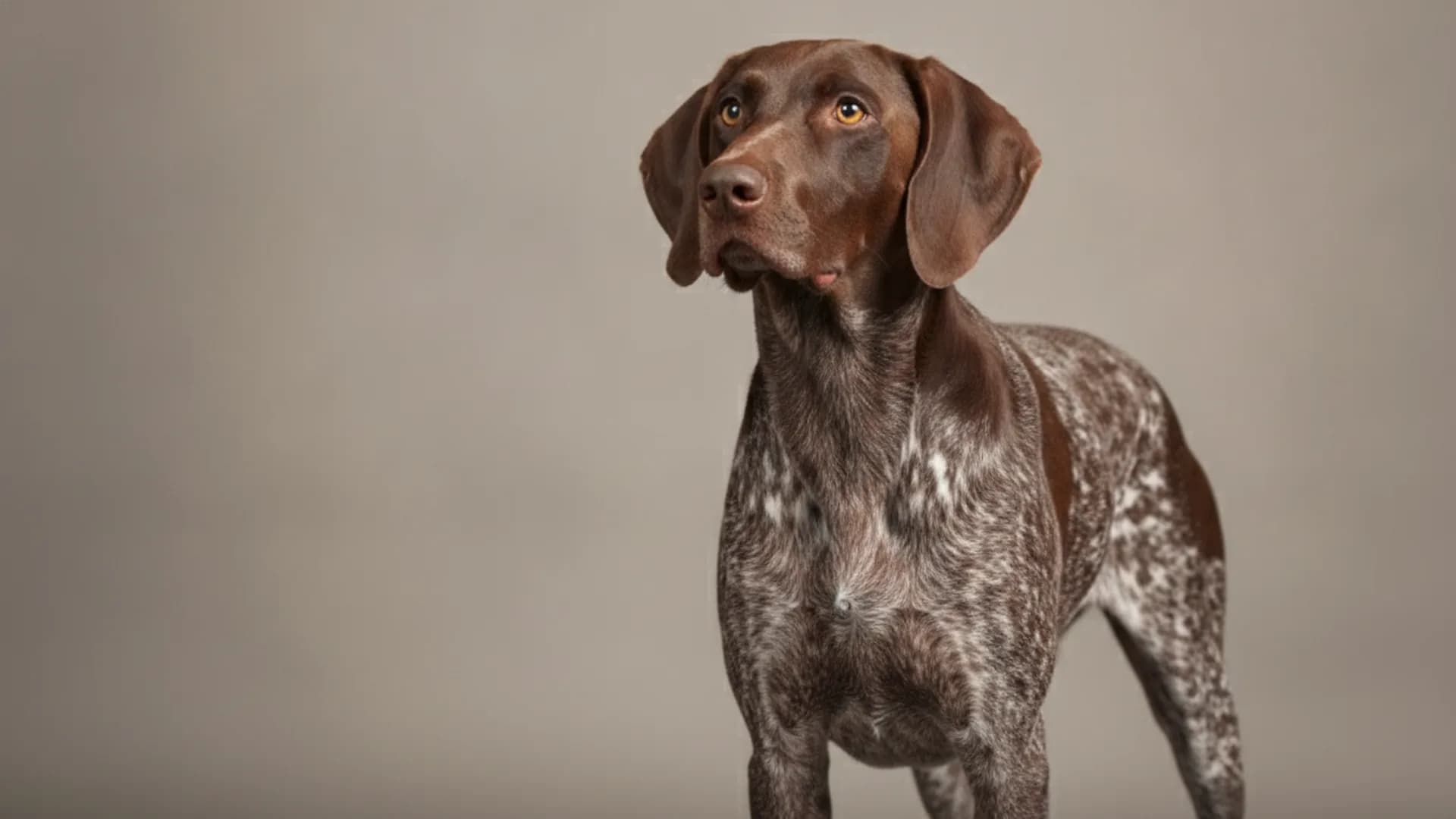
| German Shorthaired Pointer | Large | 20–32 kg | 53–64 cm | 10–12 yr |
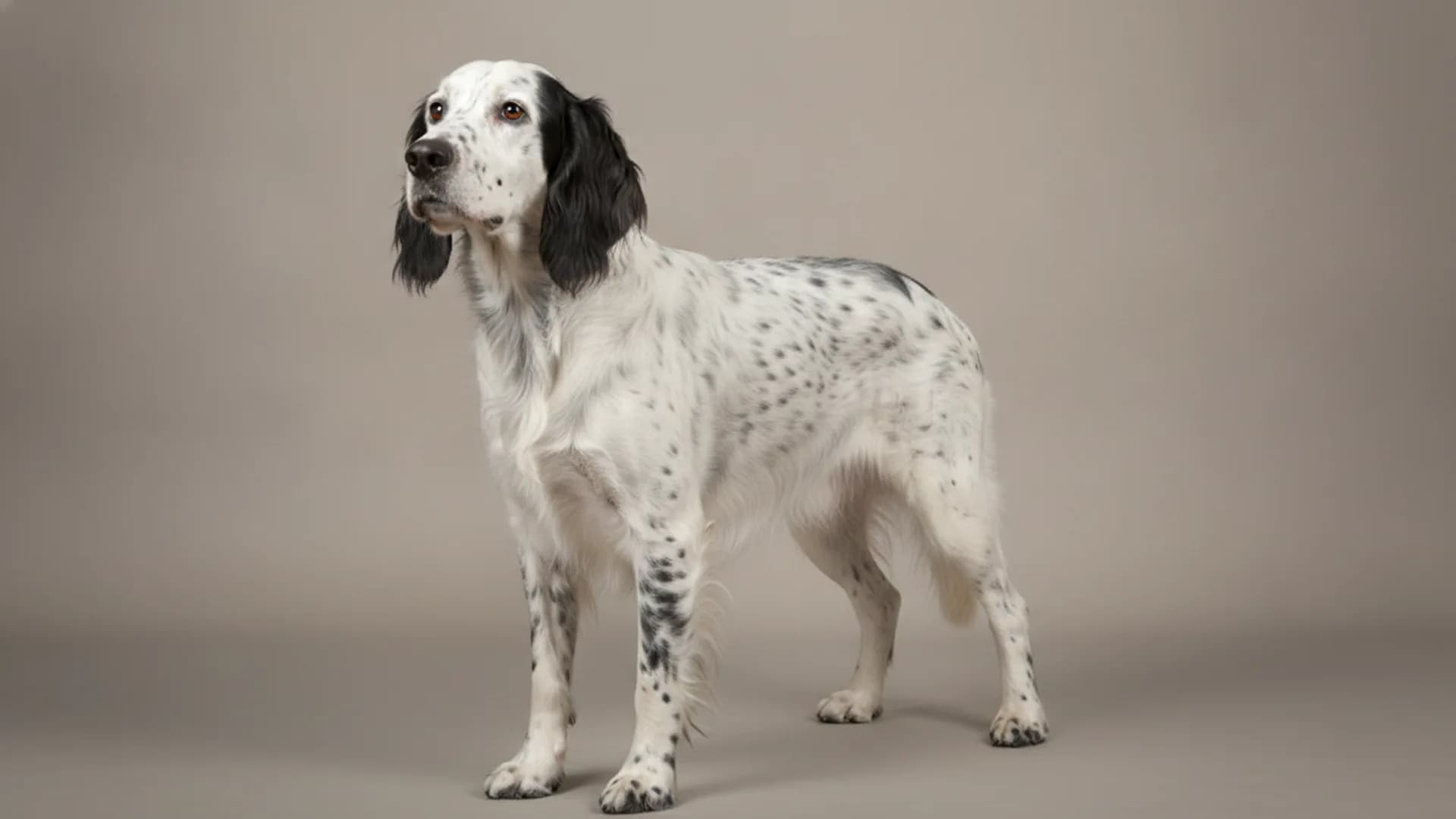
| English Setter | Large | 20–36 kg | 58–69 cm | 12–14 yr |
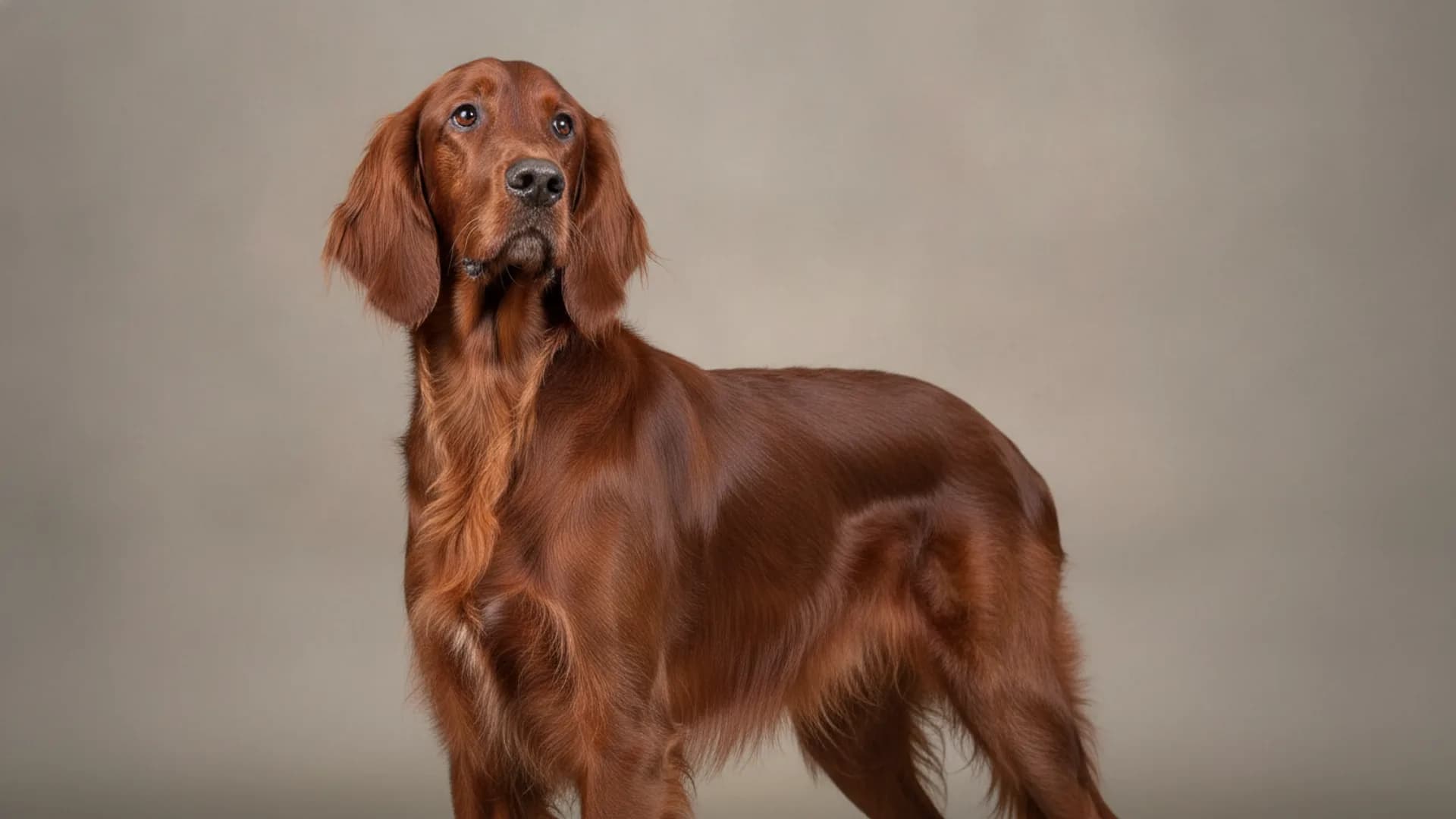
| Irish Setter | Large | 24–34 kg | 61–74 cm | 12–15 yr |