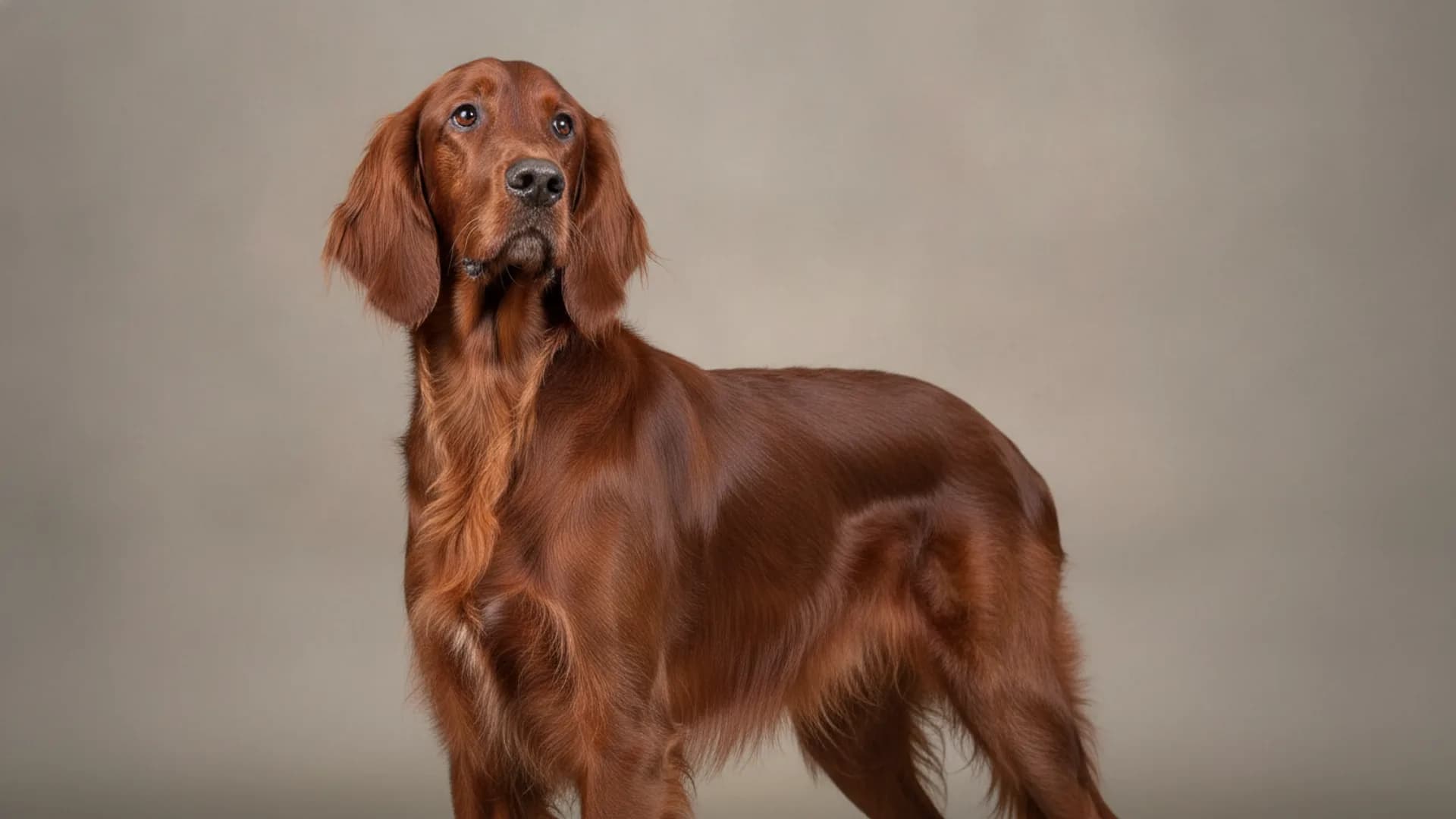
Irish Setter
The Irish Setter is the chestnut-red bird dog of Ireland — fast, wide-ranging and famously slow to grow up. In Ireland and the field-trial world it is the Red Setter; in Irish, sotar rua, which means the same.
History
Setters were bred to range across moor and bog, find grouse or partridge by air scent and freeze — originally crouching, or "setting" — so that the hunter could come up. The early Irish dogs were red, red and white, or nearly all white, and were bred together freely. Solid red animals became the fashion in the later nineteenth century, and the Irish Red Setter Club approved a standard for them in 1886. The red and white dog had dwindled almost to nothing by the end of that century and was revived as a breed of its own in the twentieth.
Glamour then took over. The mahogany coat made the breed a show favourite, Jim Kjelgaard's novel "Big Red" and the Disney film made from it put an Irish Setter in front of a wide public, and working ability was neglected: by the 1940s the American breed had produced hundreds of show champions and only five field champions. Field enthusiasts there responded by breeding a red setter for trials, with the help of outcrosses to English Setters.
Temperament
An Irish Setter is a high-spirited extrovert. It loves its family extravagantly, treats callers as old friends, and has a sense of mischief that owners either cherish or despair of. It bears no malice and is hopeless as a guard beyond a welcoming bark.
Adolescence is long: many are giddy, impulsive and easily distracted until they are three or four. It is usually excellent with children and sociable with other dogs, though its flailing enthusiasm can upend a small child or an elderly relative.
Living with the breed
Everything about it is built for galloping, and a house feels small with one inside. The long tail clears low tables, the dog bounds instead of walking, and a young setter that has missed its run will race laps of the garden or the sitting room.
The coat is flat and silky with long fringes on ears, chest, legs and tail. Those fringes gather twigs and knot quickly, and the pendulous ears dip into the water bowl. It is a demonstrative, physical dog that wants to be with people and grows noisy and destructive if isolated. Space and a safe place to run free matter more than the size of the home.
Care and training
An adult needs upwards of an hour and a half a day, with the chance to stretch out at full speed in a secure area. Because it hunts by ranging far ahead with its head high, recall has to be trained patiently and reinforced for years; an Irish Setter that catches bird scent can be several fields away in moments.
Keep lessons brief and light-hearted. It is intelligent but bores quickly, forgets itself when excited and shuts down if nagged. Consistency over months, not pressure, produces a trained setter. Brush and comb the feathering every two or three days and trim the hair between the pads.
Health
As a tall, deep-chested dog it is at notable risk of bloat, the life-threatening twisting of a gas-filled stomach. Hips and elbows are X-rayed for dysplasia, a deformity of the joint that causes lameness, and the eyes are examined. The breed is also predisposed to atopic dermatitis, an allergic skin disease.
Two inherited diseases are kept in check by DNA testing. One is progressive retinal atrophy, a degeneration of the retina, for which two separate tests are used. The other is canine leucocyte adhesion deficiency, a failure of the immune system that leaves puppies unable to fight infection. The breed is also known for an inherited sensitivity to gluten that damages the gut lining.
Who it suits
It suits cheerful, patient, outdoor people with land or open country nearby and a tolerance for chaos. It does not suit the tidy-minded, the sedentary, flat-dwellers without a safe field within reach, or those who need a dog to be sensible by its first birthday.
Questions
At what age do Irish Setters calm down?
Later than most breeds. Many remain boisterous and puppy-like until three or four years old, and some keep a playful streak for life. Daily free running and steady, good-humoured training make the long youth easier to live with.
Are Irish Setters hard to train?
They are slow more than difficult. The breed is bright and willing but excitable and quickly bored, so it needs short sessions repeated over a long period. Its reputation for scattiness mostly reflects under-exercised young dogs asked to concentrate.
Are Irish Setters good with children?
Yes, in temperament: they are gentle, playful and affectionate, and seldom irritable. The risk is physical. A large, bouncing adolescent can easily knock over a toddler, so very young children and young setters should be together only under supervision.
What is the difference between an Irish Setter and an Irish Red and White Setter?
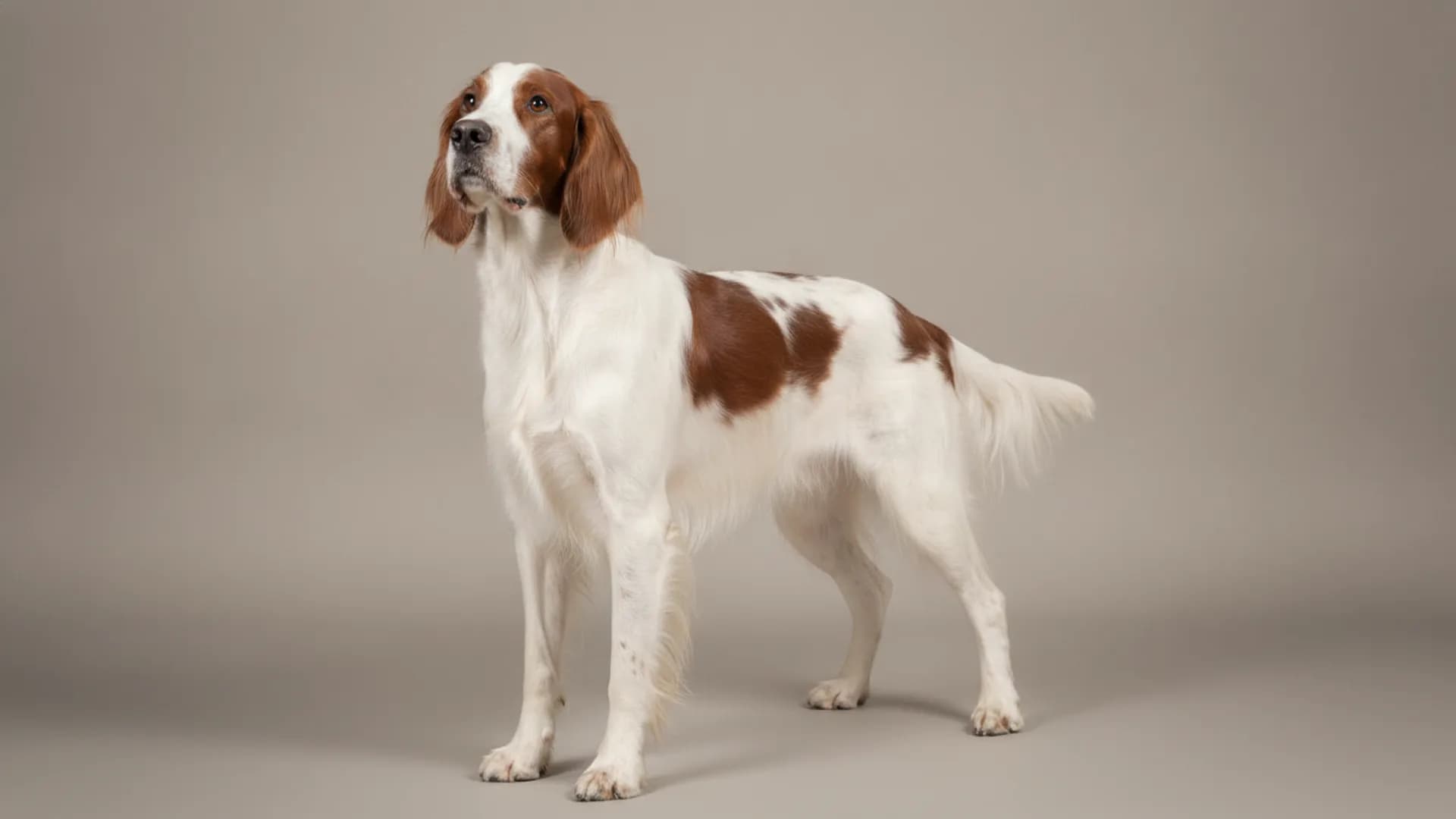
They are two breeds with a common origin. Red and white dogs were part of the original Irish setter stock, and the Red and White of today is heavier in the body and broader in the head, without the racy outline of the solid red dog that became the fashion in the nineteenth century.
How much grooming does an Irish Setter need?
A moderate amount, done often. The body coat is easy, but the long silky feathering tangles and picks up debris, so it should be combed through every few days. Ears need checking weekly, and many owners have the feet and throat tidied.
Characteristics
- Origin
- Ireland
- Size
- Large
- Weight
- 24–34 kg
- Height
- 61–74 cm
- Lifespan
- 12–15 yr
- Group
- Sporting
Traits
- Affection
- Energy
- Intelligence
- Shedding
- Grooming
- Good with kids
Similar breeds
Dogs with a comparable size, coat and temperament.
| Breeds | Size | Weight | Height | Lifespan |
|---|---|---|---|---|
| Irish Setter | Large | 24–34 kg | 61–74 cm | 12–15 yr |
| Irish Red and White Setter | Large | 22.7–31.8 kg | 61–66 cm | 11–15 yr |
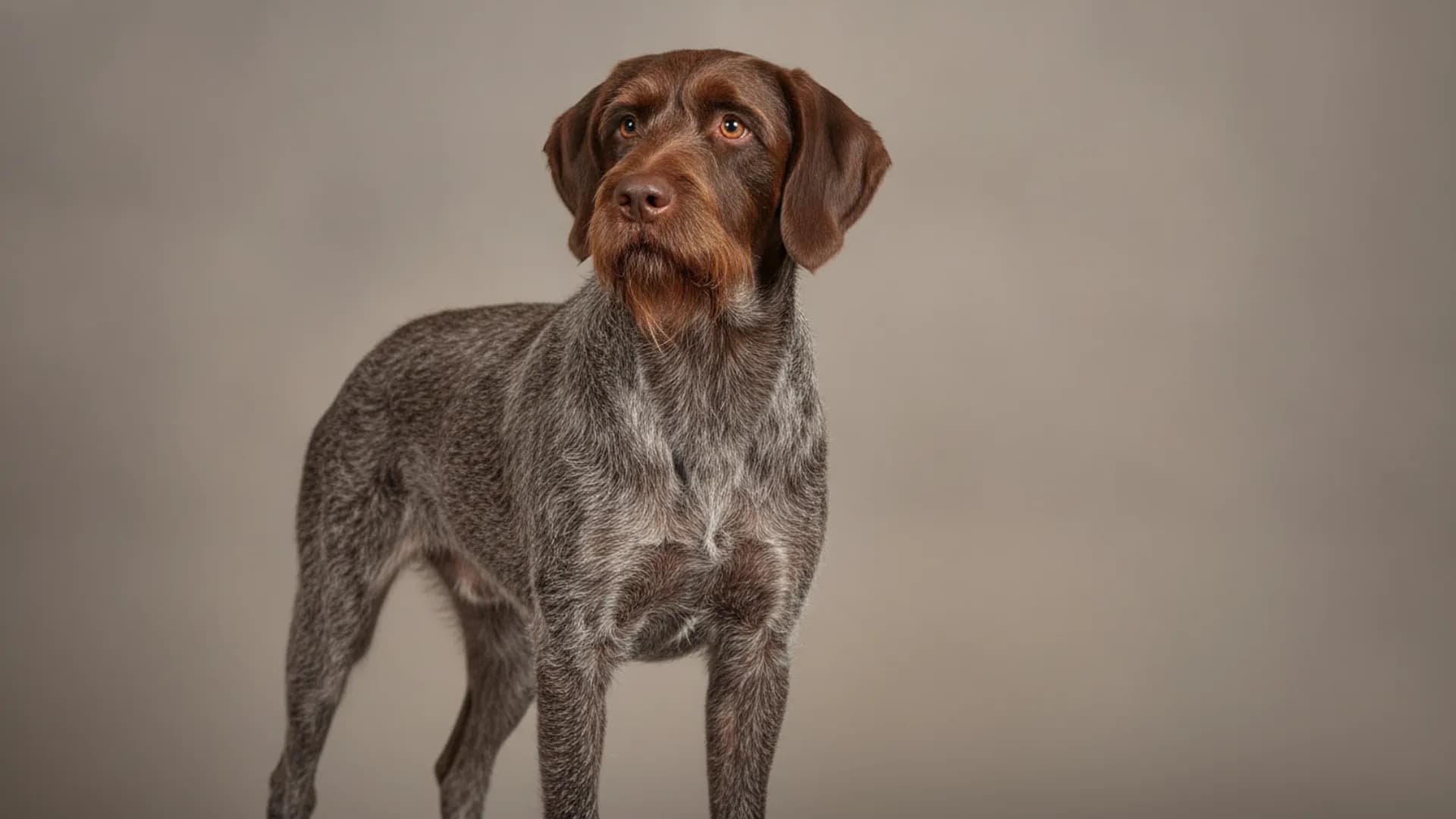
| Wirehaired Pointing Griffon | Large | 16–32 kg | 51–61 cm | 12–15 yr |
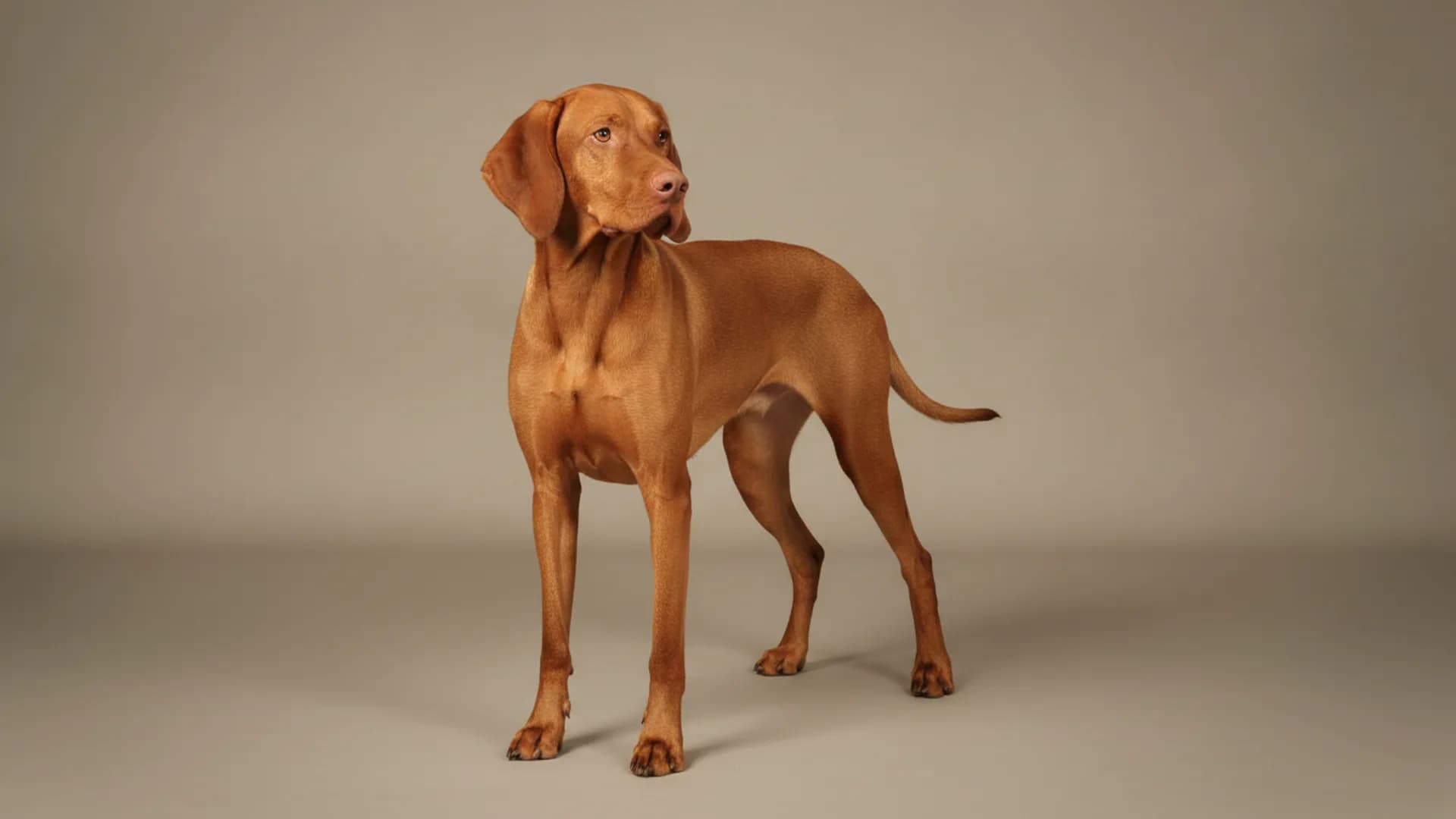
| Vizsla | Large | 20–27 kg | 53–61 cm | 12–14 yr |
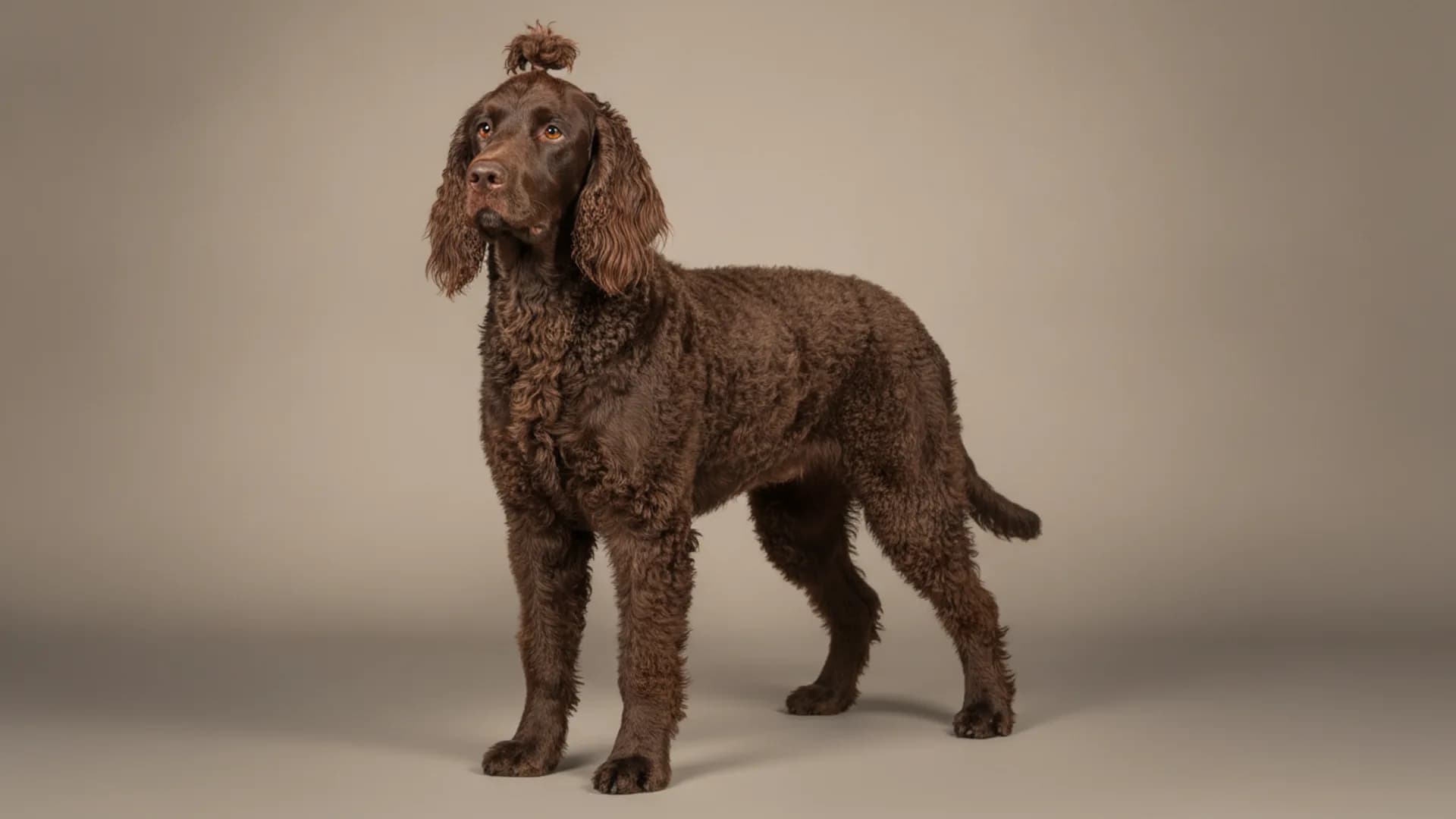
| Irish Water Spaniel | Large | 20–31 kg | 53–61 cm | 12–14 yr |