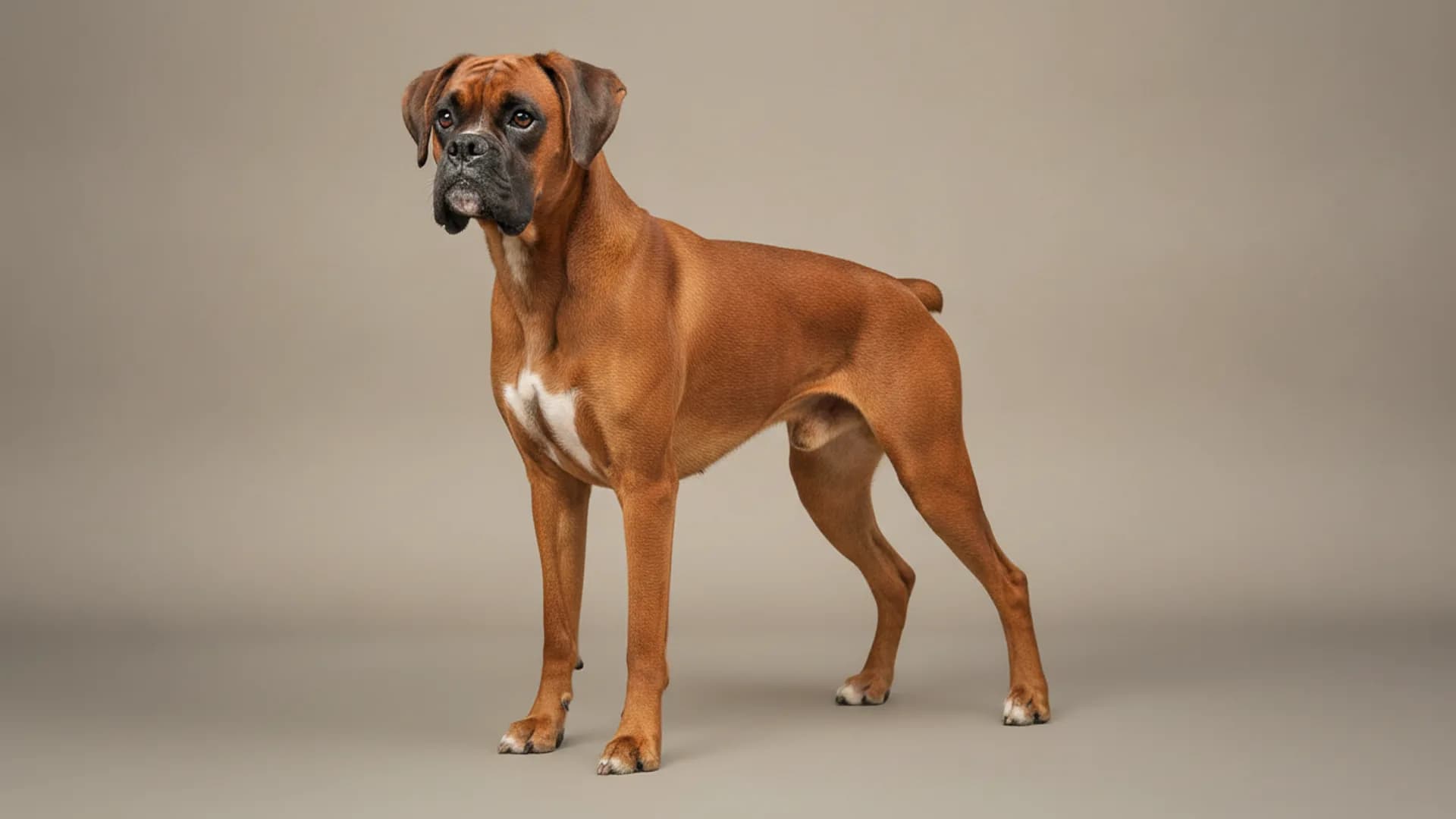
Boxer
The Boxer is a German mastiff-type breed of medium-to-large size — an athletic, playful working dog with a square muzzle and an expressive face.
History
The Boxer was put together in Munich in the 1890s. Its chief ancestor was the smaller Brabant type of Bullenbeisser, a German hunting dog that gripped boar, bear and deer until the huntsmen arrived; breeders crossed it with bulldogs brought from Britain. The Deutscher Boxer Club was founded in the mid-1890s, the breed was first shown in Munich in 1896 — in a class at a show for St. Bernards — and the club published its standard in 1904, a document that has changed little since.
Where the name comes from is disputed, and the popular story about the dog "boxing" with its forepaws is only one theory. The breed was among the first chosen for police work in Germany, and it carried messages and packs in the First World War. The American Kennel Club registered its first Boxer in 1904, but it was soldiers returning after 1945 who made it a household dog in Britain and America.
Temperament
A Boxer stays a puppy for a long time, and while it does it is a bouncing, wriggling, endlessly cheerful animal that greets its family by bending itself nearly double — owners call it the kidney-bean dance. It does use its front feet, in play and to demand attention.
It is devoted to its household and especially fond of children, with whom it is patient and eager to join in. With visitors it is alert first and friendly once introduced, which makes it a sensible watchdog that does not bark for the sake of it. Other dogs are usually welcome, though some Boxers are pushy with dogs of the same sex.
Living with the breed
Life with a Boxer is physical. It leaps to greet people, leans, paws and climbs onto laps it has long outgrown, and a young one left without exercise or company will take a room apart. It wants to be with its family and copes badly with long days alone or a life in a kennel.
The short coat gives little protection, so it feels the cold and wet, and the shortened muzzle means it tires fast in heat. Most snore, and the loose flews scatter drool and water around the bowl. White puppies turn up regularly in litters; they are not albinos and make ordinary pets, though they sunburn easily and deafness is more frequent among them.
Care and training
An adult needs well over an hour a day, some of it running free or playing hard, and it enjoys agility, obedience and tracking as outlets. In warm weather that work shifts to the cool ends of the day. The coat asks for nothing beyond a weekly wipe with a grooming mitt.
Boxers are clever and willing but easily bored, so repetition loses them; short, varied, upbeat sessions hold their attention. The lesson to start on the first day is keeping four feet on the floor when saying hello, because the habit of jumping up is charming in a puppy and a hazard in a grown dog.
Health
Heart disease and cancer are the two shadows over the breed. Aortic stenosis is a narrowing below the valve that leads out of the heart; arrhythmogenic right ventricular cardiomyopathy, often simply called Boxer cardiomyopathy, disturbs the heart's rhythm and can cause fainting or sudden death. Cancer is the leading cause of death, and the breed is particularly predisposed to mast cell tumours. The breed also has its own form of ulcerative colitis, is prone to slow-healing corneal ulcers, and can develop degenerative myelopathy, a progressive weakness of the hind limbs. As a deep-chested dog it is at risk of bloat.
Careful breeders have hearts examined by a cardiologist, often with a Holter monitor worn for a day to record rhythm, and use DNA tests for the cardiomyopathy and myelopathy variants.
Who it suits
A Boxer is a fine choice for an energetic family that wants a dog in the middle of everything and finds clowning funny at six in the morning. People who are out all day, households wanting a calm or tidy dog, and the frail or unsteady on their feet would do better with a quieter breed.
Questions
Are Boxers good with children?
Yes — it is one of the breed's best qualities. Boxers are patient, playful and protective of the children they live with. The risk is accidental: an excited young dog jumps and barges, so toddlers need supervising and the dog needs teaching not to leap at people.
When do Boxers calm down?
Later than most breeds. Expect puppyish behaviour well into adulthood, and a playful streak for life. Daily hard exercise and regular training bring the calm forward more than age alone does; an under-worked Boxer of any age is a restless one.
Are white Boxers rare or unhealthy?
Neither rare nor sickly, but they carry extra risk. White puppies appear in many litters and are not albino. Deafness in one or both ears is more common in them, and pale skin burns in strong sun.
Can a Boxer be left alone all day?
Not happily. The breed is strongly attached to people, and long solitary hours tend to produce chewing, digging and barking. A few hours is manageable for an adult that has been exercised first; beyond that it needs a walker, daycare or company.
Do Boxers drool?
Somewhat. They are not in the same class as the giant mastiffs, but the loose lips let saliva and drinking water escape, particularly after exercise or when food is in prospect.
Characteristics
- Origin
- German Empire
- Weight
- 23–36 kg
- Height
- 55–64 cm
- Lifespan
- 10–12 yr
- Coat
- Short
- Group
- Working
Traits
- Affection
- Energy
- Intelligence
- Shedding
- Grooming
- Good with kids
Similar breeds
Dogs with a comparable size, coat and temperament.
| Breeds | Size | Weight | Height | Lifespan | Coat |
|---|---|---|---|---|---|
| Boxer | — | 23–36 kg | 55–64 cm | 10–12 yr | Short |
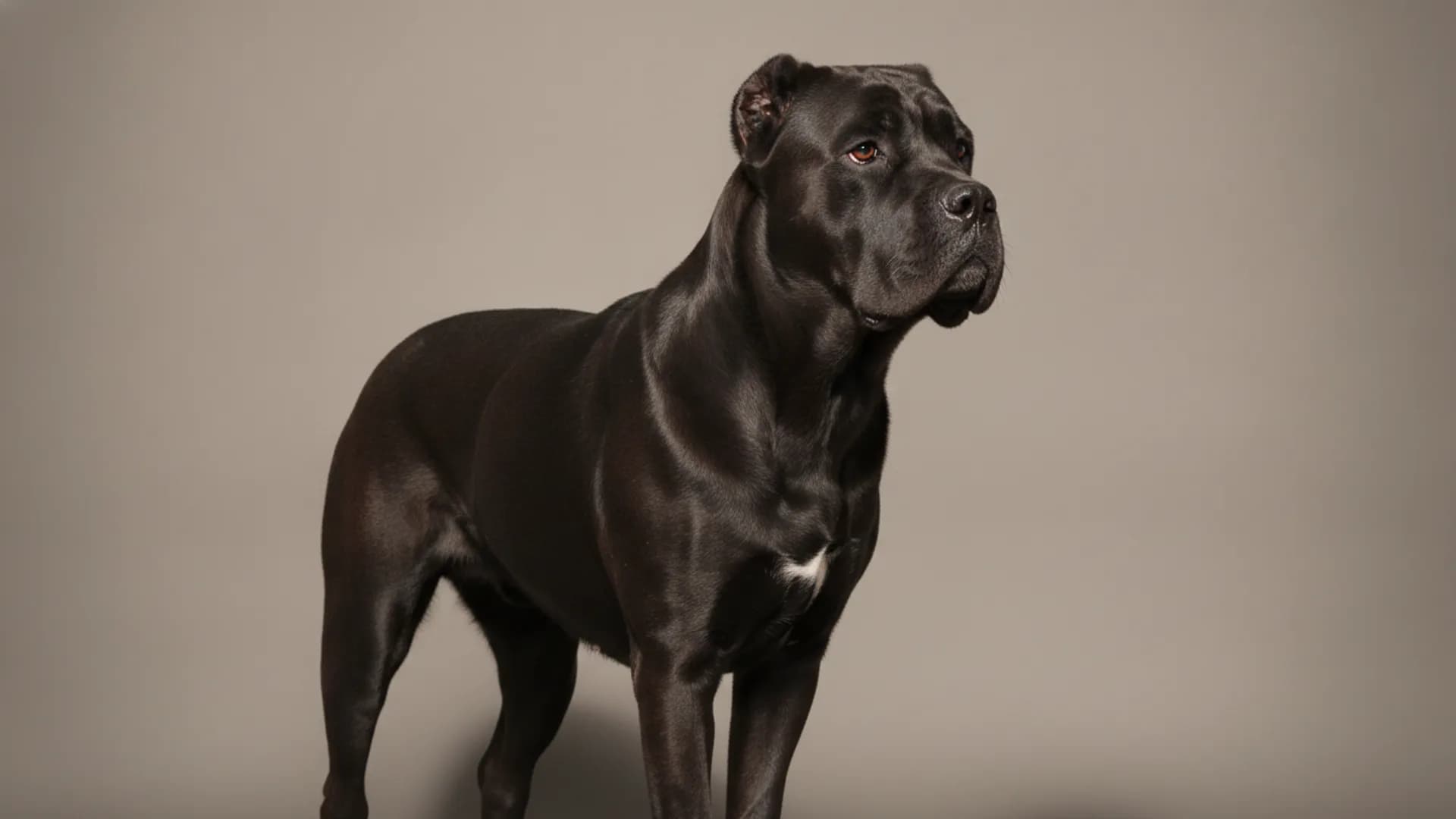
| Cane Corso | Giant | 45–50 kg | 62–70 cm | 9–12 yr | Short |
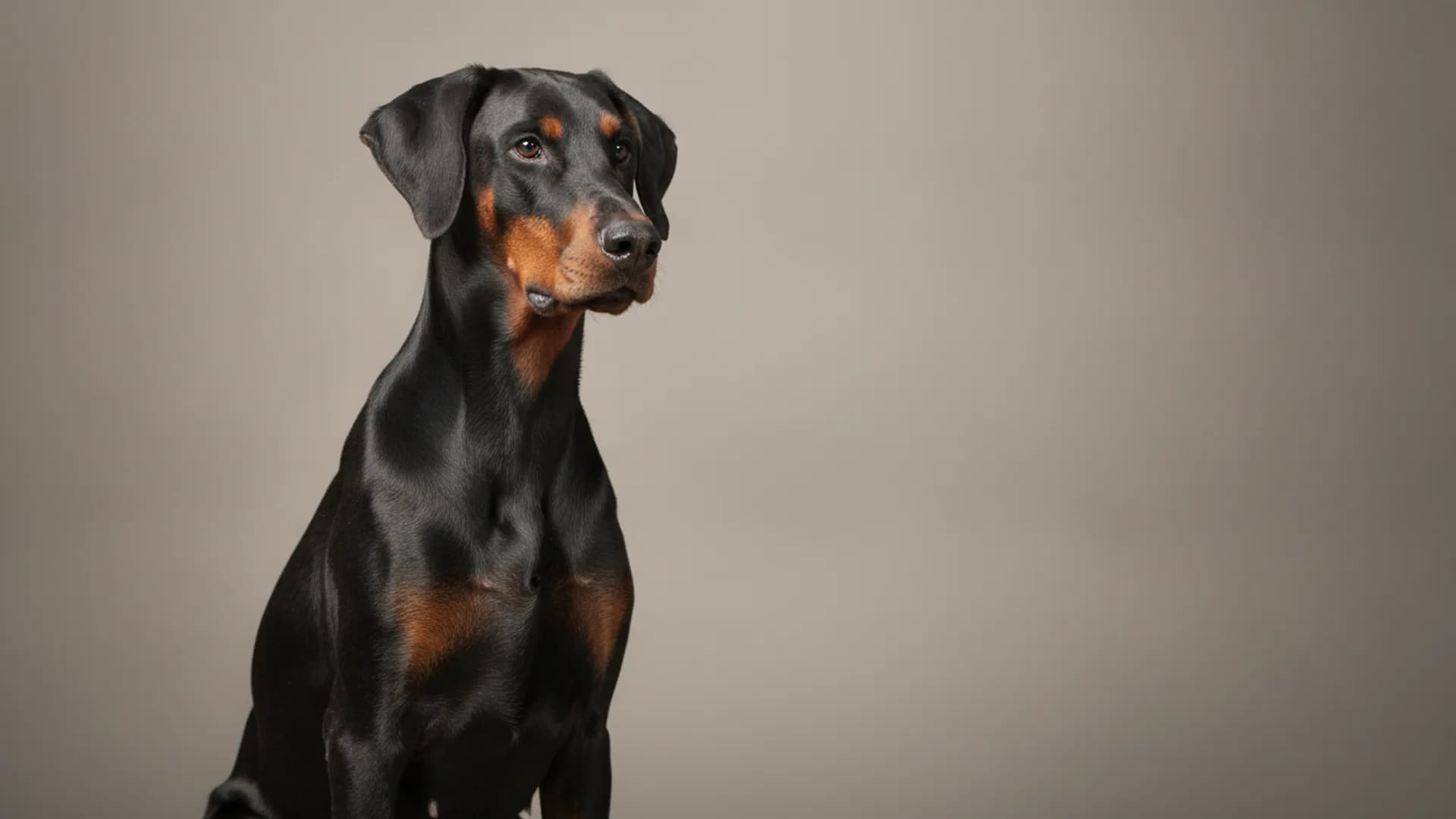
| Dobermann | Large | 27–45 kg | 61–71 cm | 10–12 yr | Short |
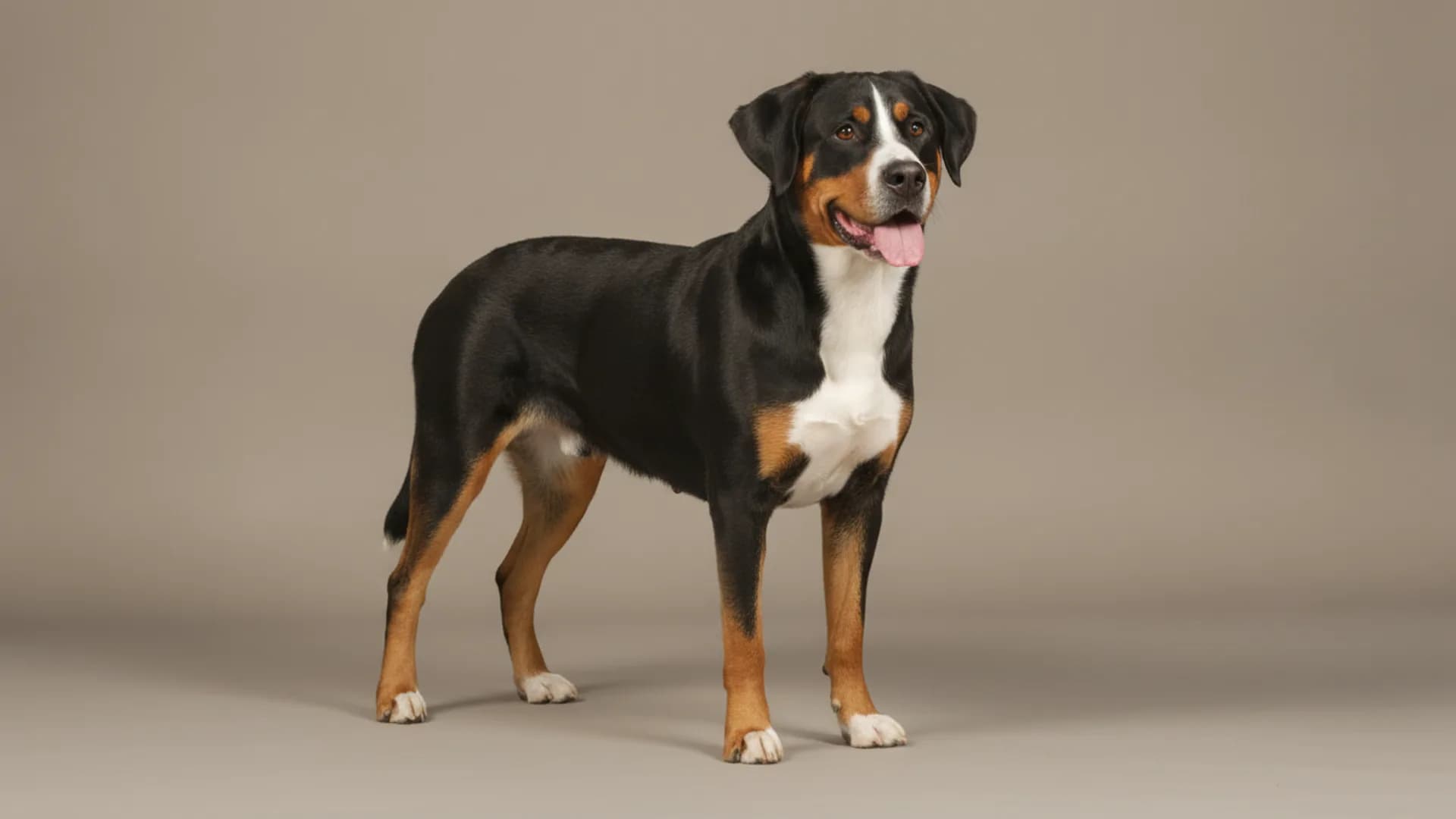
| Greater Swiss Mountain Dog | — | 39–64 kg | 60–72 cm | 8–11 yr | Short |
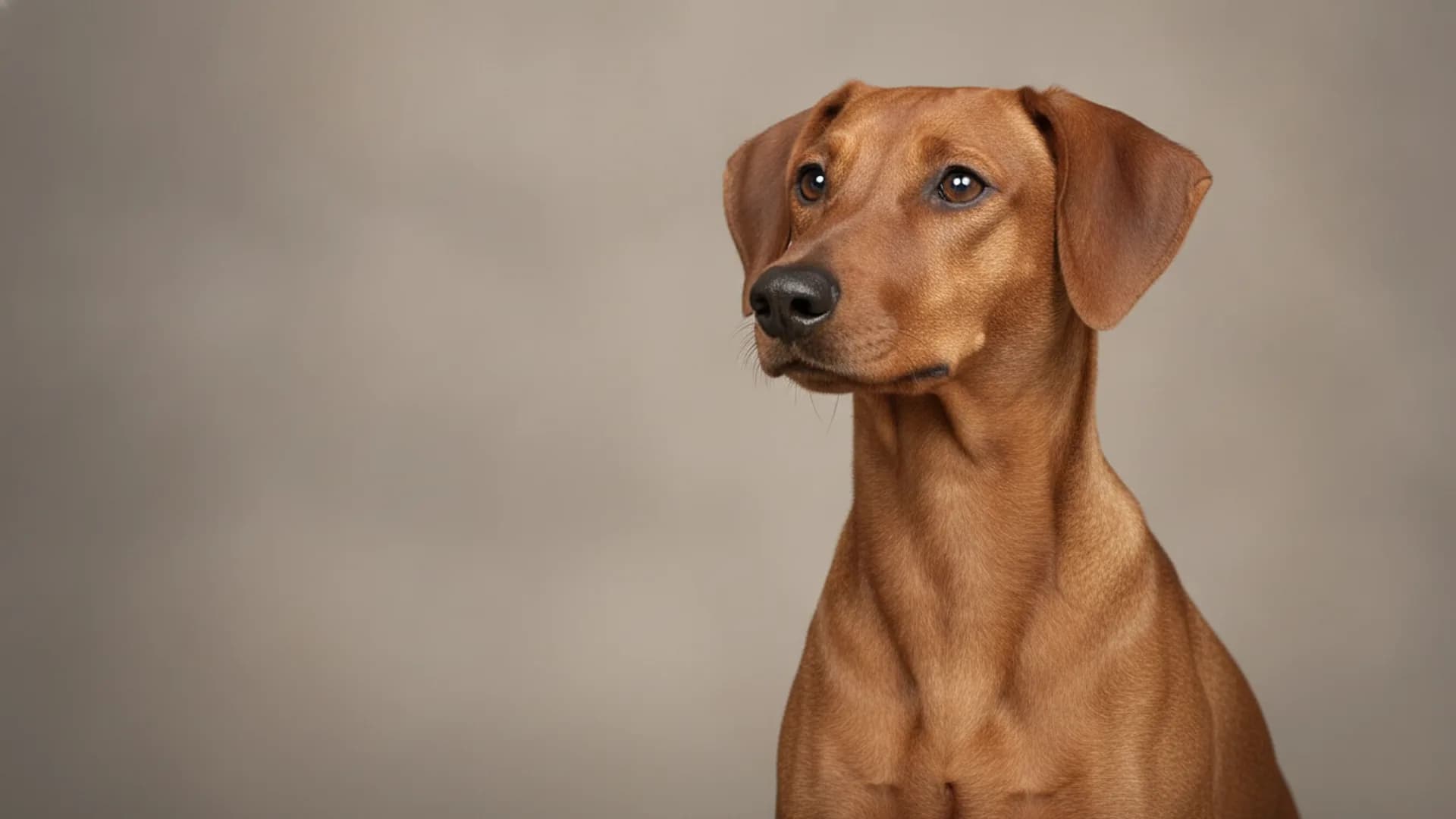
| German Pinscher | Medium | 14–20 kg | 45–50 cm | 12–14 yr | Short |