Pet names starting with Z, short and loud
207 names, 52 of them a single syllable. For a small letter that's a remarkable share, and it makes Z the most audible initial in the alphabet.
Zeus. Zeke. Zoe. Zane. Zed. Read those out loud and you'll notice how little effort each one takes and how far each one would go.
Z is a small letter — 207 names — carrying an unusually high share of monosyllables: 52 of them, which for a letter this size is more than any of its neighbours manage. Short is the whole character of it, and everything else follows.
The sound does the work
A Z is a voiced sibilant. It's the same mouth position as an S with your vocal cords switched on, which turns a hiss into a buzz — and a buzz carries in a way a hiss doesn't quite manage, because it has energy at the low end as well as the high.
Combine that with a single syllable and you have about the most audible name shape available in English. One beat, a buzzing attack, a strong vowel. That's a reasonable explanation for why Zeus is one of the most registered names in the entire catalogue despite living in one of its smallest letters.
It's also a name that survives being shouted badly. Out of breath, with the wind against you, halfway through a sentence you'd rather nobody heard — Zeus still comes out as Zeus. Very few names are that robust.
Short at both ends
100 of the letter is four letters or fewer, and only 21 run to three syllables or more. There's almost no long vocabulary here at all.
Zachary and Zeppelin are the exceptions, and both get shortened on arrival: Zach within a week, Zep within about a day. The letter seems to resist length, which is probably because the sounds that follow a Z in English are limited and none of them builds naturally into a long word.
Evenly split, and full of -a
67 of these names measure male against 63 female, close to level, and 59 end in -a: Zelda, Zara, Zia, Zena.
The letter manages to be blunt and open at the same time, which not many can. Most initials that carry well are hard all the way through, and most letters full of -a endings are soft at the front. Z gives you an attacking opening and a stretchable ending in the same word, which is the ideal construction for a name you'll both shout and murmur.
Where the Z names come from
Zeus is the chief of the Greek gods and goes, without exception, to large dogs. It's the same instinct behind Odin, Thor and Atlas: give the animal a name several sizes too big for it and enjoy the result. Unlike those three, Zeus is also the best of the bunch acoustically, so the joke comes with a practical dividend.
Zoe is Greek for life. Zara is Arabic and Hebrew in origin and arrived in English long before it was a clothing shop. Zelda is Germanic by way of a video game for most people under forty, and by way of Zelda Fitzgerald for everybody else.
Ziggy and Zorro are pure character names — a musician's alter ego and a masked swordsman — and both go to animals with a bit of theatre about them. Zorro is particularly good on a black cat or a masked-face dog, where it describes the animal as well as referring to something.
The last letter, and what breeders do with it
Z has a peculiar place in the world of pedigree naming, because breeders who work alphabetically through litters eventually arrive here and find a very small cupboard. It's the end of the run, and the end of the run is thin.
What saves it is that the names that do exist are strong. Zeus, Zara, Zane, Zelda, Ziggy, Zephyr make a perfectly good set of six, with different vowels and different lengths and nothing that could be confused. That's more than Q, U or X can offer.
Zephyr deserves a mention as the letter's most underused name. It's the west wind in Greek, it's three light sounds, and for a fast dog — a whippet, a lurcher, anything built to move — it's both accurate and almost never chosen.
Zeus, and naming an animal too big for itself
Worth dwelling on the letter's biggest name, because it's the clearest example of a habit that runs right through pet naming. Zeus goes to large dogs almost without exception, and the owners choosing it are making a small, cheerful claim about the animal's presence in the world.
The interesting cases are the ones where the claim is wrong. A Zeus who is frightened of the hoover, a Zeus who weighs four kilos, a Zeus who hides behind the sofa when the doorbell goes. Those names get funnier every year rather than more awkward, which is the opposite of what happens when you name a nervous animal something fierce and hope it grows into it.
The rule seems to be that a name wildly out of proportion works, and a name slightly out of proportion doesn't. Zeus on a chihuahua is a joke everybody is in on. Zeus on a medium-sized anxious crossbreed is just a slightly wrong name, and you'll feel the wrongness at the vet's desk for years.
Z names for cats
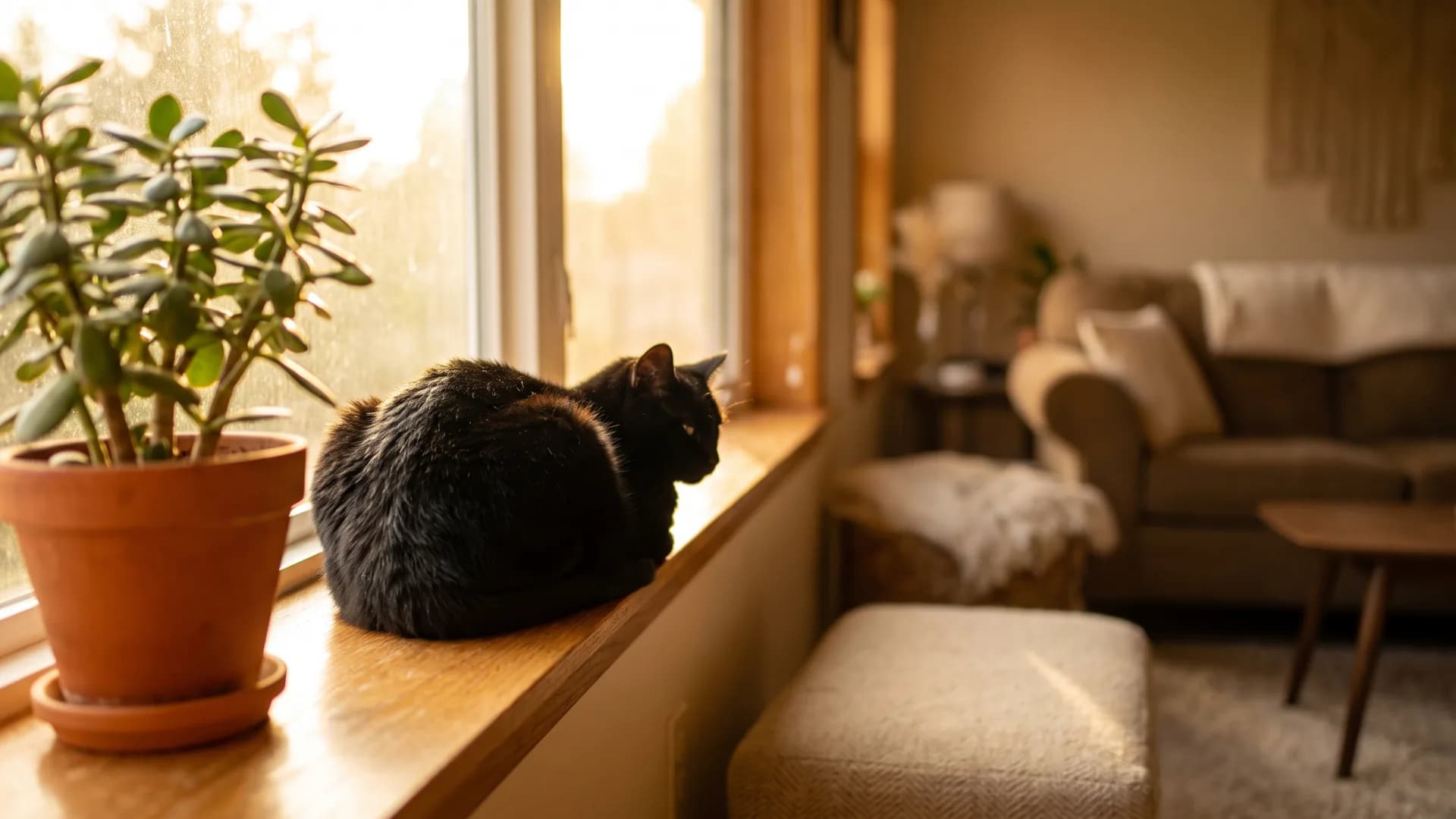
The letter suits cats better than its bluntness suggests, because the buzz at the front is a friendly sound rather than a hard one. There's no stop in a Z, so the name never arrives as a crack.
Ziggy, Zelda, Zoe, Zuzu, Zara, Zen. Ziggy is the pick for a cat with a stripe of chaos in it, and Zen is either perfectly apt or a piece of wishful thinking, depending on the cat.
And the letter has one practical advantage indoors that's easy to miss. A Z name is audible at low volume — the buzz cuts through ordinary household noise without you having to raise your voice at all. For getting a cat's attention from the next room, that's worth considerably more than carrying power in a field.
Why the letter is small in the first place
Z arrived late and stayed marginal. Old English barely used the letter, preferring S for both sounds, and most of what English now spells with a Z came in from Greek, Arabic or Hebrew, or through the general modernisation of spelling in the last few centuries.
That history explains the shape of the letter here. It has no deep stock of inherited English given names to draw on, the way B or W do, so the names that exist are borrowings, characters and invented sounds. It also explains why the letter feels modern: nearly everything in it either arrived recently or was reinvented recently.
The one thing the letter never became is ordinary, and that's the quiet argument for using it. A Z name is instantly understandable and still slightly unexpected, which is exactly the gap most people are trying to find when they start browsing letters at all.
The spelling question
Worth a brief warning, since the letter shares its sound with two others. An initial Z, an initial X in Xena and an initial S in some positions all make the same buzz, so Zena, Xena and Zina are three spellings of one name and all three exist.
If you want to avoid spelling your animal's name at every reception desk, take the Z. It's the version people write down first, because it's the only one that's phonetically obvious. That's a small consideration that pays out weekly for fifteen years.
What are the most popular pet names starting with Z?
Zeus, Zoey, Ziggy, Zelda and Zorro, ordered by registrations across public register sources.
Why do Z names sound loud?
A Z is a voiced sibilant — a buzz rather than a hiss — which gives it energy at both the low and high ends of the range, and 52 of this letter is a single syllable. One beat plus a buzz is about the most audible name shape English offers.
Are Z names unusual?
The letter is small at 207 names and fairly ordinary in use at 69 registrations each. What sets it apart is shape rather than rarity: 52 of it is a single syllable, which is a high share for a letter this size.
Is Zeus a good name for a dog?
Acoustically it's one of the best in the catalogue: a buzzing attack, a strong vowel and a closing consonant, all in one beat that survives being shouted badly. It goes almost exclusively to large dogs, which is part of the appeal and occasionally part of the joke.
What are good Z names for a cat?
Ziggy, Zelda, Zoe, Zuzu and Zen. The buzz at the front is audible at low volume without being sharp, which makes these names unusually good for getting a cat's attention from another room without raising your voice.