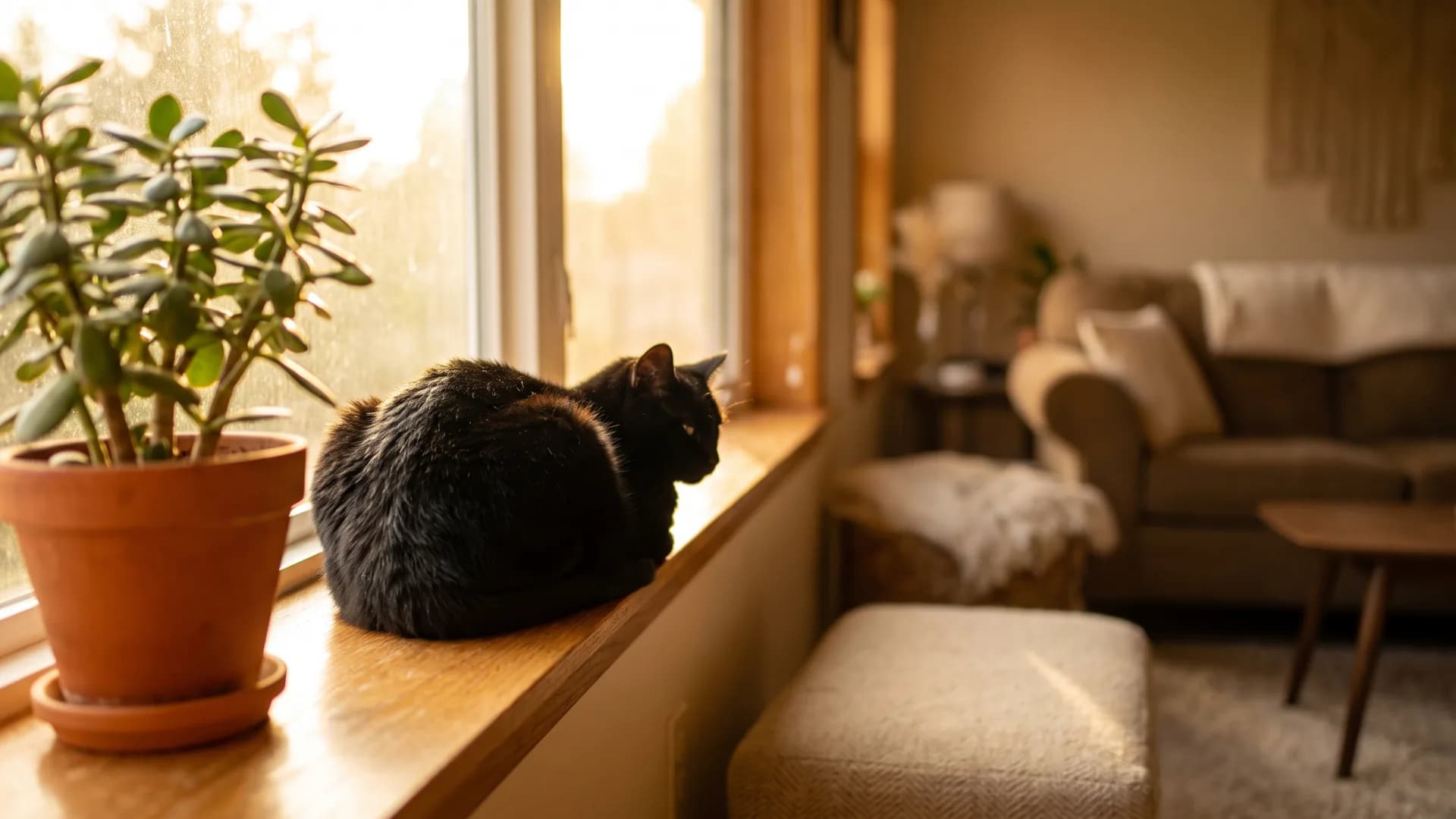
Haustiernamen mit Z, kurz und laut
207 Namen, 52 davon einsilbig. Für einen kleinen Buchstaben ist das ein bemerkenswerter Anteil, und er macht Z zum hörbarsten Anfangsbuchstaben des Alphabets.
Zeus. Zeke. Zoe. Zane. Zed. Lesen Sie die laut vor, und Ihnen fällt auf, wie wenig Mühe jeder einzelne kostet und wie weit jeder einzelne käme.
Z ist ein kleiner Buchstabe — 207 Namen — und trägt einen ungewöhnlich hohen Anteil an Einsilbern: 52 davon, und das ist für einen Buchstaben dieser Größe mehr, als seine Nachbarn zustande bringen. Kurz ist sein ganzer Charakter, und alles Übrige folgt daraus.
Der Laut macht die Arbeit
Ein Z ist ein stimmhafter Zischlaut. Es ist dieselbe Mundstellung wie beim S, nur mit eingeschalteten Stimmbändern, und das macht aus einem Zischen ein Summen — und ein Summen trägt auf eine Weise, wie es einem Zischen nicht ganz gelingt, weil es Energie sowohl im tiefen als auch im hohen Bereich hat.
Verbinden Sie das mit einer einzigen Silbe, und Sie haben ungefähr die hörbarste Namensform, die das Englische zu bieten hat. Ein Schlag, ein summender Anschlag, ein kräftiger Vokal. Das ist eine vernünftige Erklärung dafür, warum Zeus zu den meistregistrierten Namen des gesamten Katalogs gehört, obwohl er in einem seiner kleinsten Buchstaben wohnt.
Es ist außerdem ein Name, der es übersteht, schlecht gerufen zu werden. Außer Atem, mit dem Wind von vorn, mitten in einem Satz, den lieber niemand hören sollte — Zeus kommt immer noch als Zeus heraus. Sehr wenige Namen sind so widerstandsfähig.
Kurz an beiden Enden
100 des Buchstabens haben vier Buchstaben oder weniger, und nur 21 laufen auf drei Silben oder mehr. Langen Wortschatz gibt es hier so gut wie überhaupt nicht.
Zachary und Zeppelin sind die Ausnahmen, und beide werden schon bei der Ankunft gekürzt: Zach binnen einer Woche, Zep binnen etwa eines Tages. Der Buchstabe scheint sich gegen Länge zu wehren, was vermutlich daran liegt, dass die Laute, die im Englischen auf ein Z folgen können, begrenzt sind und keiner davon sich natürlich zu einem langen Wort auswächst.
Gleichmäßig geteilt und voller -a
67 dieser Namen messen männlich gegen 63 weiblich, nahe am Gleichstand, und 59 enden auf -a: Zelda, Zara, Zia, Zena.
Der Buchstabe bringt es fertig, zugleich schroff und offen zu sein, und das gelingt nicht vielen. Die meisten Anfangsbuchstaben, die gut tragen, sind durchgehend hart, und die meisten Buchstaben voller -a-Endungen sind vorn weich. Z gibt Ihnen einen angreifenden Anfang und ein dehnbares Ende im selben Wort, und das ist die ideale Bauweise für einen Namen, den Sie sowohl rufen als auch murmeln werden.
Woher die Z-Namen kommen
Zeus ist das Oberhaupt der griechischen Götter und geht ausnahmslos an große Hunde. Es ist derselbe Instinkt, der hinter Odin, Thor und Atlas steckt: dem Tier einen Namen geben, der ihm mehrere Nummern zu groß ist, und sich am Ergebnis freuen. Anders als diese drei ist Zeus auch akustisch der beste der Gruppe, der Scherz kommt also mit einer praktischen Dividende.
Zoe ist griechisch für Leben. Zara ist arabischen und hebräischen Ursprungs und kam lange vor einem Bekleidungsgeschäft ins Englische. Zelda ist germanisch, für die meisten unter vierzig auf dem Weg über ein Videospiel und für alle anderen auf dem Weg über Zelda Fitzgerald.
Ziggy und Zorro sind reine Figurennamen — das Alter Ego eines Musikers und ein maskierter Schwertkämpfer — und beide gehen an Tiere, die etwas Theatralisches an sich haben. Zorro steht besonders gut auf einer schwarzen Katze oder einem Hund mit Maskenzeichnung im Gesicht, wo er das Tier beschreibt und nicht bloß auf etwas verweist.
Der letzte Buchstabe, und was Züchter mit ihm machen
Z hat in der Welt der Zuchtnamen eine eigentümliche Stellung, denn Züchter, die sich alphabetisch durch die Würfe arbeiten, kommen irgendwann hier an und finden einen sehr kleinen Schrank vor. Es ist das Ende der Reihe, und das Ende der Reihe ist dünn.
Was ihn rettet, ist, dass die vorhandenen Namen stark sind. Zeus, Zara, Zane, Zelda, Ziggy, Zephyr ergeben einen vollkommen guten Satz von sechs, mit verschiedenen Vokalen und verschiedenen Längen und nichts, was zu verwechseln wäre. Das ist mehr, als Q, U oder X zu bieten haben.
Zephyr verdient eine Erwähnung als der am wenigsten genutzte Name dieses Buchstabens. Er ist der Westwind auf Griechisch, er besteht aus drei leichten Lauten, und für einen schnellen Hund — einen Whippet, einen Lurcher, alles, was zum Laufen gebaut ist — ist er zugleich zutreffend und wird fast nie gewählt.
Zeus, und ein Tier zu groß für sich selbst benennen
Beim größten Namen dieses Buchstabens lohnt es sich zu verweilen, denn er ist das klarste Beispiel für eine Gewohnheit, die sich quer durch die Tierbenennung zieht. Zeus geht beinahe ausnahmslos an große Hunde, und die Halter, die ihn wählen, erheben einen kleinen, vergnügten Anspruch auf die Gegenwart des Tieres in der Welt.
Die interessanten Fälle sind die, in denen der Anspruch falsch ist. Ein Zeus, der sich vor dem Staubsauger fürchtet, ein Zeus, der vier Kilo wiegt, ein Zeus, der sich hinter dem Sofa versteckt, wenn es klingelt. Diese Namen werden mit jedem Jahr komischer statt unangenehmer, und das ist das Gegenteil von dem, was passiert, wenn Sie ein ängstliches Tier grimmig benennen und hoffen, dass es in den Namen hineinwächst.
Die Regel scheint zu lauten: Ein Name, der wild aus dem Verhältnis fällt, funktioniert, und einer, der leicht aus dem Verhältnis fällt, nicht. Zeus auf einem Chihuahua ist ein Scherz, bei dem alle mitmachen. Zeus auf einem mittelgroßen ängstlichen Mischling ist bloß ein leicht falscher Name, und Sie werden diese Falschheit am Tresen der Tierarztpraxis jahrelang spüren.
Z-Namen für Katzen
Der Buchstabe steht Katzen besser, als seine Schroffheit vermuten lässt, denn das Summen vorn ist ein freundlicher Laut und kein harter. In einem Z steckt kein Verschluss, der Name kommt also nie als Knall an.
Ziggy, Zelda, Zoe, Zuzu, Zara, Zen. Ziggy ist der Griff für eine Katze mit einem Streifen Chaos in sich, und Zen ist entweder vollkommen treffend oder ein Stück Wunschdenken, je nach Katze.
Und der Buchstabe hat drinnen einen praktischen Vorteil, den man leicht übersieht. Ein Z-Name ist bei geringer Lautstärke hörbar — das Summen schneidet durch gewöhnlichen Haushaltslärm, ohne dass Sie die Stimme überhaupt heben müssten. Um die Aufmerksamkeit einer Katze aus dem Nebenzimmer zu bekommen, ist das erheblich mehr wert als Tragweite auf einem Feld.
Warum der Buchstabe überhaupt klein ist
Z kam spät und blieb am Rand. Das Altenglische benutzte den Buchstaben kaum und zog für beide Laute das S vor, und das meiste, was das Englische heute mit Z schreibt, kam aus dem Griechischen, dem Arabischen oder dem Hebräischen herein oder über die allgemeine Modernisierung der Rechtschreibung in den letzten Jahrhunderten.
Diese Geschichte erklärt die Form des Buchstabens hier. Er hat keinen tiefen Bestand ererbter englischer Vornamen, aus dem er schöpfen könnte, wie B oder W ihn haben, und deshalb sind die vorhandenen Namen Entlehnungen, Figuren und erfundene Klänge. Sie erklärt auch, warum der Buchstabe modern wirkt: Beinahe alles darin ist entweder vor Kurzem angekommen oder vor Kurzem neu erfunden worden.
Das Einzige, was der Buchstabe nie geworden ist, ist gewöhnlich, und das ist das leise Argument dafür, ihn zu benutzen. Ein Z-Name ist sofort verständlich und trotzdem ein wenig unerwartet, und das ist genau die Lücke, die die meisten suchen, wenn sie überhaupt anfangen, Buchstaben durchzublättern.
Die Frage der Schreibweise
Eine kurze Warnung lohnt sich, denn der Buchstabe teilt seinen Laut mit zwei anderen. Ein anlautendes Z, ein anlautendes X wie in Xena und in manchen Stellungen ein anlautendes S machen alle dasselbe Summen, und deshalb sind Zena, Xena und Zina drei Schreibweisen eines Namens, und alle drei kommen vor.
Wenn Sie vermeiden wollen, den Namen Ihres Tieres an jedem Empfangstresen zu buchstabieren, nehmen Sie das Z. Es ist die Fassung, die Leute zuerst notieren, weil sie als einzige lautlich naheliegt. Das ist eine kleine Überlegung, die sich fünfzehn Jahre lang wöchentlich auszahlt.
Was sind die beliebtesten Haustiernamen mit Z?
Zeus, Zoey, Ziggy, Zelda und Zorro, sortiert nach den Registrierungen aus den öffentlichen Register-Quellen.
Warum klingen Z-Namen laut?
Ein Z ist ein stimmhafter Zischlaut — ein Summen statt eines Zischens —, was ihm Energie am unteren wie am oberen Ende des Bereichs gibt, und 52 dieses Buchstabens sind einsilbig. Ein Schlag plus ein Summen ist ungefähr die hörbarste Namensform, die das Englische hergibt.
Sind Z-Namen ungewöhnlich?
Der Buchstabe ist mit 207 Namen klein und mit 69 Registrierungen je Name ziemlich gewöhnlich im Gebrauch. Was ihn heraushebt, ist die Form und nicht die Seltenheit: 52 davon sind einsilbig, und das ist ein hoher Anteil für einen Buchstaben dieser Größe.
Ist Zeus ein guter Name für einen Hund?
Akustisch ist er einer der besten des Katalogs: ein summender Anschlag, ein kräftiger Vokal und ein schließender Konsonant, alles in einem Schlag, der es übersteht, schlecht gerufen zu werden. Er geht fast ausschließlich an große Hunde, was Teil des Reizes und gelegentlich Teil des Scherzes ist.
Was sind gute Z-Namen für eine Katze?
Ziggy, Zelda, Zoe, Zuzu und Zen. Das Summen vorn ist bei geringer Lautstärke hörbar, ohne scharf zu sein, und das macht diese Namen ungewöhnlich gut geeignet, um die Aufmerksamkeit einer Katze aus einem anderen Zimmer zu bekommen, ohne die Stimme zu heben.