Microchipping your pet: what it does, and why it matters
A microchip is a permanent ID the size of a grain of rice, and the single best way to get a lost pet home. It is quick, lifelong and, in many places, now the law. Here is how it works and the one step most owners forget.
A microchip is the most reliable way to get a lost pet back, and it is a small, one-time thing: a permanent identifier, about the size of a grain of rice, placed under the skin and linked to your contact details in a registry. It is not a tracker — it does not tell you where the pet is — but when a lost animal reaches a vet or shelter, it is how they find you.
How a microchip works
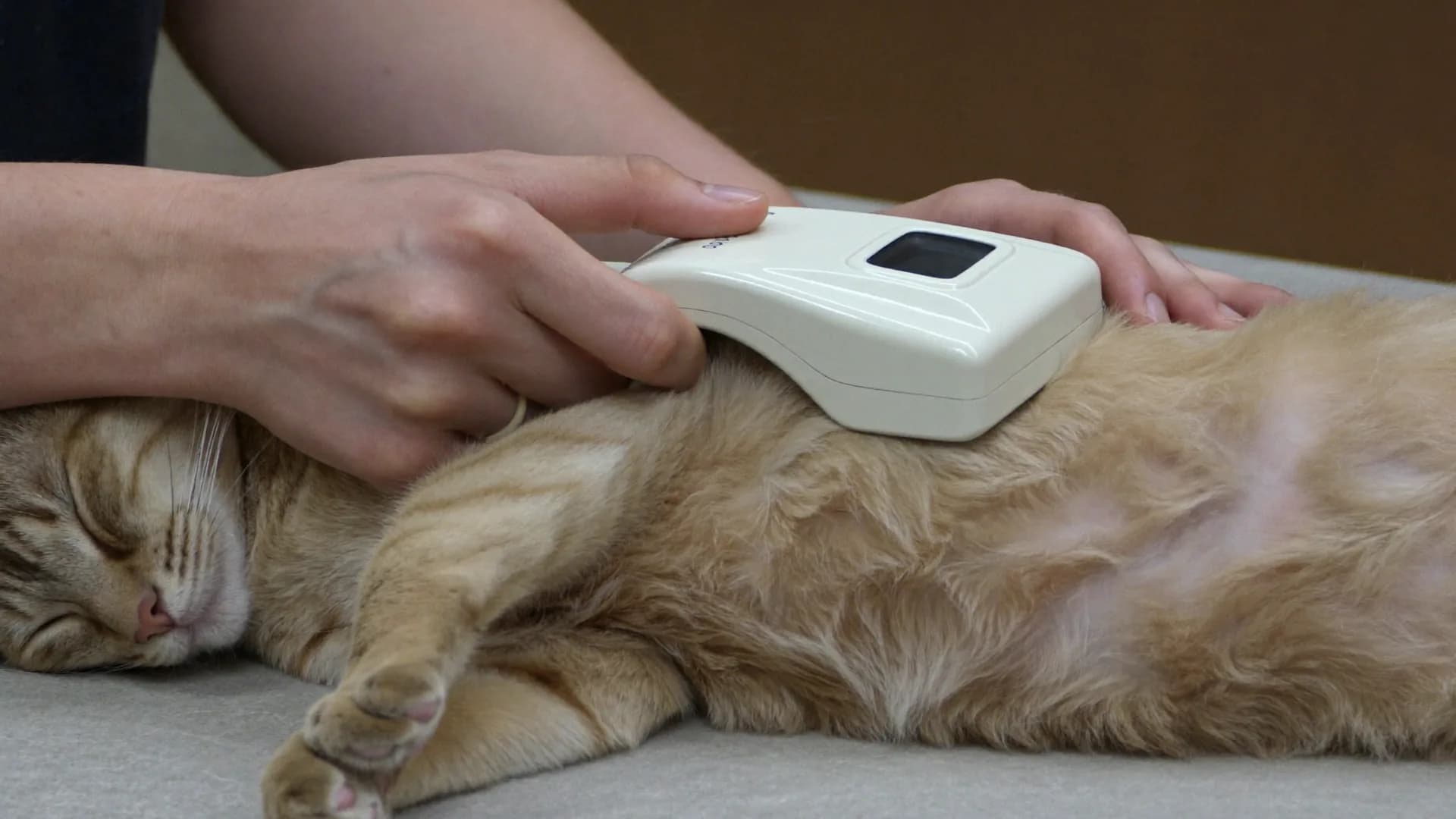
The chip is implanted between the shoulder blades in a moment, needs no battery and lasts a lifetime. A scanner reads a unique number off it, and that number looks up your details in a database. That is the whole mechanism: it identifies the animal and points to the owner. It has no GPS and cannot locate a wandering pet, which is a common misunderstanding.
The chip is passive: the scanner's field powers it just long enough to transmit its number, which is why it never needs charging and never runs out. The number itself is all that is stored on the chip — no name, no address, nothing medical — so everything useful lives in the database it points to. Understanding that split is what makes the rest of this article make sense, because almost every microchip failure is a database failure rather than a hardware one.
Why it beats a collar and tag
Collars slip off, tags wear blank, and a frightened lost pet often loses both — a microchip cannot fall off. A large share of stray animals never get home simply for want of identification, and a chip closes that gap. It also serves as proof of ownership if one is ever disputed. A collar and tag are still worth having; the chip is the backup that does not fail.
The two work at different speeds, which is why the answer is both. A tag with your phone number on it means the neighbour who finds your dog rings you in five minutes and never involves anyone official — the fastest reunion there is. A chip needs someone to take the animal to a vet, a shelter or a warden with a scanner, which takes longer but works when the collar is gone, when the animal has been missing for weeks, or when someone claims the pet is theirs. Cats especially benefit from the chip, since many wear no collar at all.
The step everyone forgets: keep it current
A microchip is only as useful as the phone number attached to it, and this is where it quietly fails: an owner moves or changes number and never updates the registry, so the chip leads a shelter to a dead line. Register the chip when it goes in, and update your details every time they change. An out-of-date chip reunites no one.
There is a second version of the same failure that catches people who did everything else right: a chip implanted by a breeder, a rescue or a vet and never actually transferred into the new owner's name. Scanning it then produces the breeder's details, and years later nobody at that number knows the animal. When you take on a pet, confirm which registry the chip is on and check that the record now names you — not simply that a chip exists. It costs a phone call and is the difference between a working chip and a decorative one.
Doing the paperwork properly
Ask the practice for the chip number in writing and keep it somewhere you can find in a hurry, along with the name of the database. Register a second contact who is not in your household and would answer if you were away or unreachable, since a pet often goes missing precisely when the owner is not at home. Add an email as well as a phone number, and check the record every year or two — a five-minute job that people put off for a decade. If you move country, look up whether your registry is searchable there, because a chip on a database nobody local queries is a chip that leads nowhere.
It is increasingly the law
Many countries now require dogs to be microchipped, and a growing number extend it to cats, so check your local rules — you may already be obliged. Even where it is optional, it is hard to argue against: a cheap, one-time, lifelong measure with the strongest odds of bringing a lost pet home.
Where it is compulsory, the obligation usually includes keeping the registered details current, and the penalties attach to the record rather than to the implant — so an owner with a chipped dog and a stale phone number can still be in breach. Rules commonly also require the chip before a puppy is sold and cover travel: a chip is a precondition for taking a pet across most borders, and it must be in place before the rabies vaccination for that vaccination to count. Requirements differ by country and change, so the local authority's own guidance is the thing to read.
The worries, and what to do if a pet goes missing
The procedure is quick and comparable to a vaccination, done without anaesthetic and often at the same visit as one. Complications are uncommon; the ones that occur are mostly minor and local, such as slight soreness or a chip that migrates a little from where it was placed, which is a reason for a vet to scan the whole animal rather than only one spot. Asking your vet to check the chip reads at each annual visit is a sensible habit — a small number stop working, and nobody discovers that at a useful moment otherwise.
If a pet does go missing, ring the microchip registry and flag the animal as lost, since some databases alert vets and shelters when that number is scanned. Then call the local vets, shelters and warden directly rather than assuming a scan will find you, and post in the places people actually look. When an animal is found, ask for it to be scanned in front of you. And in the meantime, do the boring preventive things: check the record is current, keep a collar and tag on a dog, and use a quick-release collar on a cat — with the rest of the loss-proofing covered in car travel and the room-by-room pass.
Does a microchip track my pet's location?
No. A microchip is an identifier, not a GPS tracker — it holds a number that links to your contact details when scanned, but it cannot show where the pet is. For location tracking you need a separate GPS device.
Does microchipping hurt?
Only briefly. The chip is injected under the skin between the shoulder blades much like a vaccination, a quick pinch that most animals barely notice. It then sits harmlessly for life.
Is a microchip better than a collar and tag?
It is a permanent backup a collar cannot match, because tags fall off or wear blank and a frightened pet often loses them. Keep both — the tag gets a pet home fastest, the chip is the identification that never drops off.
What is the most important thing about a microchip?
Keeping the registered details up to date. The chip only works if the phone number attached to it is current, so update the registry whenever you move or change number — an out-of-date chip reunites no one.
Is microchipping required by law?
In many countries it is now compulsory for dogs, and increasingly for cats too, so check your local rules. Even where it is optional, it is a cheap, lifelong measure well worth doing.
How do I transfer a microchip into my name?
Ask which database the chip is registered on and contact them to change the keeper, then confirm the record now names you. A chip left in a breeder's or rescue's name is one of the commonest ways a perfectly good microchip leads nowhere.
What should I do if my pet goes missing?
Flag the animal as lost with the microchip registry, since some databases alert vets and shelters when the number is scanned, then ring local vets, shelters and the warden directly rather than waiting. Ask for any found animal to be scanned in front of you.
Can a microchip stop working or move?
Occasionally. A few chips fail and some migrate slightly from where they were placed, which is why a vet should scan the whole animal rather than one spot. Ask for the chip to be read at each annual check-up so a problem surfaces at a useful time.