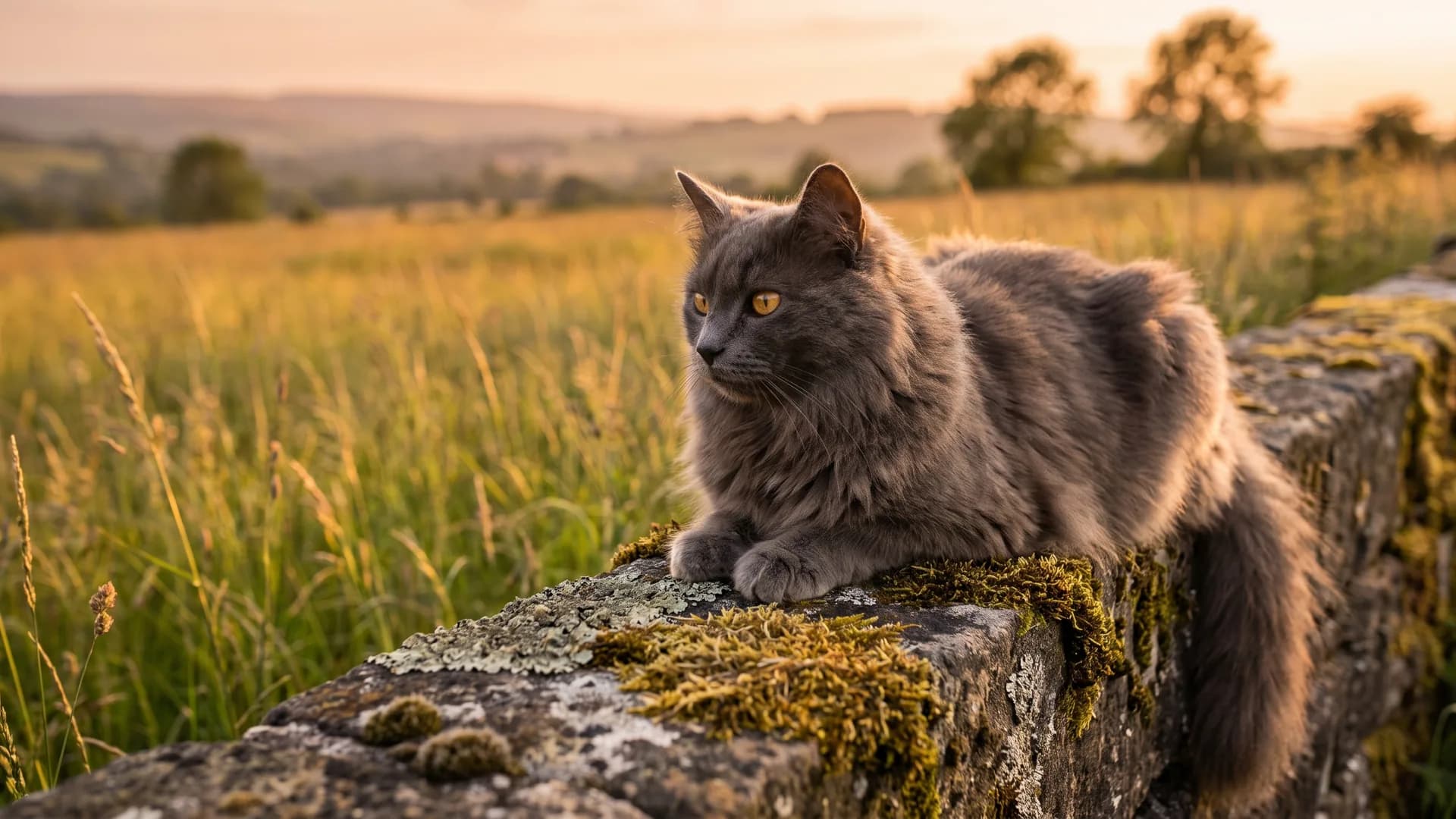
Indoor or outdoor cat: the honest trade-offs
One of the most divided questions in cat care, and the honest answer depends on where you live. Indoors is safer and longer-lived; outdoors is richer and riskier. Here is the trade, and how to give an indoor cat the best of both.
Whether a cat should go outside splits owners and even countries, and there is no single right answer — only a trade you make with your eyes open. An indoor cat is markedly safer and tends to live longer; an outdoor cat leads a fuller, more stimulating life at real risk to itself. Where you live, and how much you enrich the indoors, decide which way the balance tips.
The case for keeping a cat in
Indoors removes the biggest killers of cats: traffic, fights and the diseases they spread, poisons, predators, theft and simply getting lost. The average indoor cat lives considerably longer for it, and keeping a cat in also spares the local wildlife a prolific hunter. Safety is the strong argument, and it is a strong one.
It is worth naming what those risks are in practice, because they are not evenly spread. Road accidents cluster at night and in the young and unneutered; cat-bite abscesses and the viruses passed in fights are a direct product of meeting other cats; antifreeze, rodent bait and slug pellets are seasonal; and a cat shut in a shed or a van can be lost without anything dramatic happening at all. Most of that list is a reason to control when and where a cat goes out rather than a flat argument against ever letting it, which is why the night-time curfew is the single most effective compromise available.
The case for letting a cat out
Outdoors offers what a cat is built for — hunting, climbing, patrolling territory, sun and space — and a cat denied all stimulation indoors can turn bored, overweight or stressed, with the behaviour problems that follow. The pull of outdoors is not sentiment; it answers real feline needs that an indoor life has to meet some other way.
The costs of failing to meet those needs are specific rather than vague. Obesity is the commonest, because an indoor cat with free food and nothing to do eats out of boredom and moves very little. Then come the stress-linked problems: over-grooming to the point of bald patches, urinating outside the tray, spraying, and tension between cats in a house with too few resources and no escape routes. None of that is caused by being indoors as such — it is caused by an indoors that gives a hunting animal nothing to hunt.
The middle ground most cats can have
The gap narrows when the indoors is made rich: vertical space and perches, scratching posts, daily play that mimics the hunt, window views and puzzle feeders turn a flat into territory worth patrolling. For controlled outdoor access, a secure 'catio', an enclosed garden or harness walks give the sights and smells without the traffic. Most of what outdoors provides can be brought inside.
Aim at the hunting sequence rather than at toys in general, since that is what an outdoor cat spends its day on. Two short sessions with a wand toy that stalks, darts and hides — ending with a catch and then a meal — satisfy far more than a box of soft mice left on the floor. Feed some of the daily ration out of puzzle feeders or scattered around the house rather than from a bowl. Give height at several points in the room, a scratching post tall enough to stretch on fully, and a windowsill with something happening outside it. Rotate what is available so the place is not identical every week.
It genuinely depends on where you are
A cat in a flat beside a motorway and a cat on a quiet rural lane face completely different odds, which is why blanket rules mislead. Weigh your traffic, your wildlife, local advice and the individual cat's temperament rather than a slogan. Compare the breeds that adapt best to indoor life on the breeds page if you are choosing a cat around this decision.
National norms differ sharply, and the disagreement is real rather than a matter of one country being behind. In much of Europe, outdoor access is treated as normal and welfare bodies advise on managing the risk; in parts of North America and Australasia, indoor-only is the mainstream veterinary advice, with predation on native wildlife weighing heavily. If you are somewhere with vulnerable native species, that argument deserves genuine weight — and in some places containment is now a local legal requirement, so it is worth checking rather than assuming.
If a cat does go out
Reduce the risk deliberately instead of hoping. Neuter, which removes most of the roaming and fighting; vaccinate and keep parasite treatment current, since an outdoor cat meets more of everything; microchip and register the details properly, because that is what gets a lost cat home. Use a quick-release collar or none at all rather than a fixed one, which catches on branches. Keep the cat in at night, and in when the weather is bad, which most cats will agree to anyway.
A cat flap on a timer or one that reads the microchip makes the curfew workable and keeps neighbouring cats out, which prevents a category of stress. Let a new cat settle for several weeks before its first trip outside, go out with it the first few times, and call it in for a meal so that coming back is worth doing. And accept the part you cannot control: an outdoor cat will hunt, and a bell or a bright collar cover reduces its success rather than ending it.
Changing an outdoor cat's mind
Bringing a free-roaming cat indoors permanently is harder than starting a kitten inside, but it is regularly necessary — a move to a busier road, a diagnosis, old age, a cat that keeps coming home injured. Do it gradually where you can: cut the outdoor time back, add the enrichment first rather than afterwards, and expect protest at the door for a few weeks. Extra litter trays help, since a cat that has always gone outside may not have used one much. Some cats never fully stop asking, and a compromise — a catio, a harness, supervised garden time — is a better answer than either extreme. A cat that starts urinating indoors during the transition is telling you it is struggling rather than sulking, and the litter tray article is the place to start.
Do indoor cats live longer than outdoor cats?
On average, yes, and often by years — indoors removes traffic, fights, disease and poisons, the main causes of early death in cats. The trade is that an indoor cat needs more enrichment to stay happy and healthy.
Is it cruel to keep a cat indoors?
Not if the indoors is made stimulating — vertical space, scratching, daily play and puzzle feeders meet a cat's needs safely. A bare, boring indoor life is the problem, not indoor living itself.
How do I keep an indoor cat happy?
Give it things to climb, scratch and hunt: cat trees and perches, scratching posts, interactive play that mimics prey, window views and food puzzles. A secure catio or harness walks can add safe outdoor time.
Can I let my cat outside safely?
You can reduce the risk with a secure enclosure or catio, harness walks, neutering, vaccination and a microchip, and by keeping the cat in at night when most accidents happen. Free-roaming always carries real risk.
Should I get an indoor or outdoor cat?
It depends on where you live and the cat. Near traffic or in a flat, indoors with good enrichment is usually the safer, longer-lived choice; a quiet setting with controlled access suits some cats well.
What are the signs an indoor cat is under-stimulated?
Weight gain is the commonest, followed by the stress-linked problems: over-grooming to bald patches, urinating outside the tray, spraying, and friction with another cat in the house. They point at an indoors with nothing to hunt rather than at indoor living itself.
How do I turn an outdoor cat into an indoor one?
Gradually, and with the enrichment in place before you close the door rather than after. Reduce outdoor time in stages, add litter trays, and expect protest for a few weeks. A catio or harness time is often a better landing place than either extreme.
Should I put a collar on an outdoor cat?
Only a quick-release one, or none — a fixed collar catches on branches and fences. The identification that actually works is a registered microchip, and a bell or bright collar cover reduces hunting success rather than stopping it.