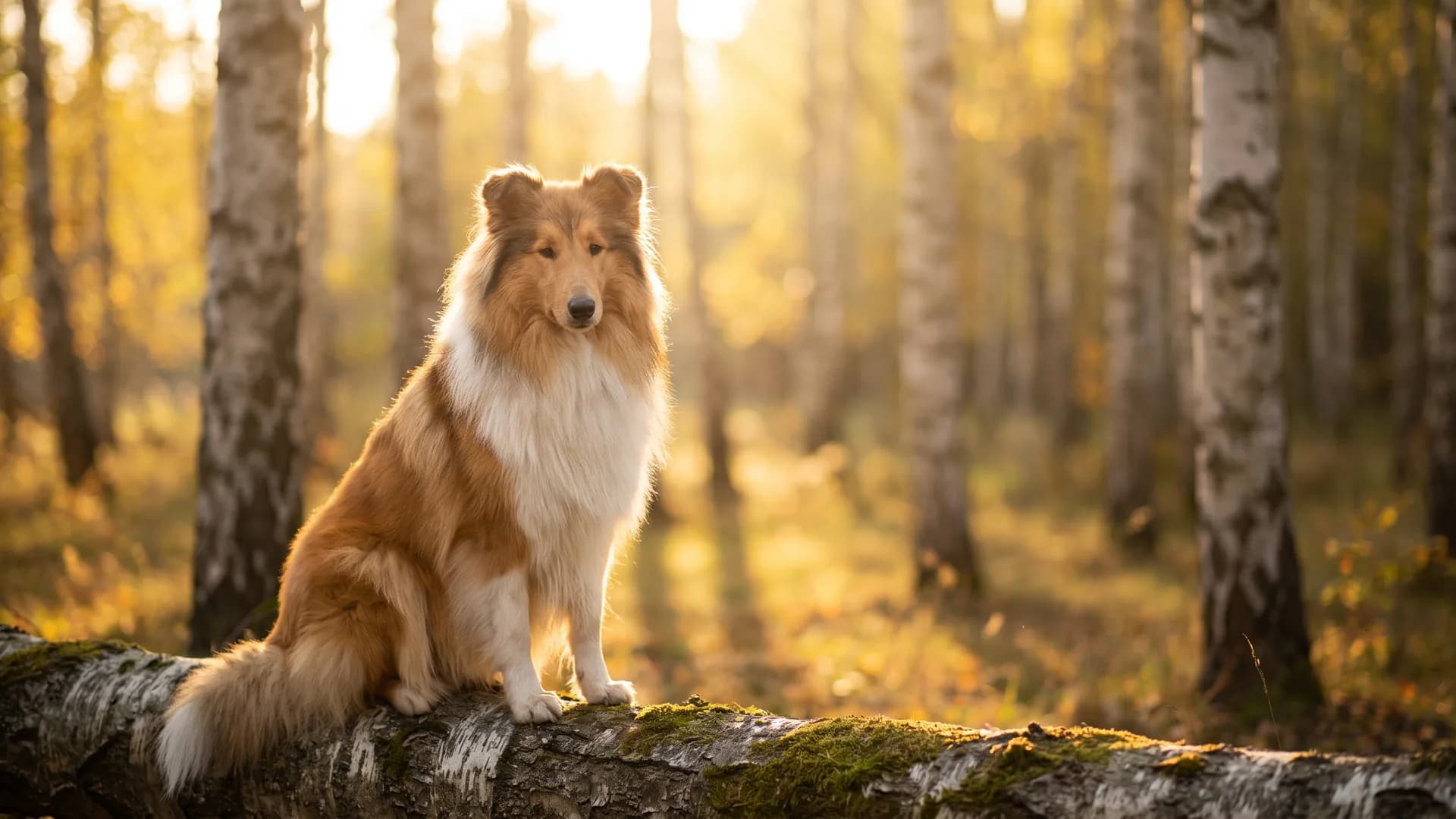
Slavic pet names, the best documented set on this site
47 names, 33 of them with a meaning checked word by word against the page it came from.
This is the one origin where most names mean something you can verify. 33 of the 47 Slavic names here carry a meaning read off a cited dictionary page — against 111 across the whole catalogue of twelve thousand.
That is not because Slavic names are special. It is because they were done properly: this slice was built name by name, each meaning checked against its source before it could publish, and nothing that failed the check is on the page.
What they mean
Zima is winter. Vuk is wolf. Danica is the morning star. Vera is faith, Nadia is hope, Sonya is wisdom, Olga is holy, Mila is grace. Igor is Yngvi's army, which came into Russian from Old Norse.
Laika means barker, and the dog it is named for was the first living creature to orbit the Earth. Several hundred animals in these registers carry it.
Read that list again and notice what kind of words they are. Winter, wolf, morning star, faith, hope, wisdom — these aren't fossilised roots that a specialist has to reconstruct. They're ordinary nouns that a living speaker would recognise instantly, which is a different relationship between a name and its meaning than most of this catalogue has.
Why the meanings survived
Worth explaining, because it's the genuinely interesting thing about this origin and it isn't an accident.
Most names in English reached it by travelling: through Latin, through Greek, through French, across centuries and several sound changes, arriving with the meaning worn off. What's left is a word that means the person and nothing else, which is why the meaning column on most origin pages here is blank.
These names didn't take that journey. They're either still transparent in their own languages or only one step removed, so the dictionary entry says winter and means winter. The meaning didn't have to be reconstructed — it never left.
The practical upshot is that this is the origin to browse if you want a name that actually says something. Everywhere else on this site, choosing a name for its meaning involves trusting somebody's etymology. Here it involves reading a word.
The shape of them
They run soft and even: 36 of the 47 are two syllables, 25 classify soft-sounding, and only 1 is a single syllable. 27 measure female against 11 male. They average 153 registrations each, above the short-name slice at 74 but below the Latin and Italian sets — these are used, not crowded.
Sasha leads by a distance, then Mila and Laika. Sasha is a diminutive of Alexander and goes to both sexes, which is why it sits in the unisex band rather than either gendered list.
The female lean comes largely from the ending: 37 of them finish in an a, and that ending reads female right across this catalogue whatever language a name came from. It's a vowel pattern doing the work, not a cultural one.
For calling purposes the shape is close to ideal — two beats, open ending, stress on the first syllable. These names carry outdoors about as well as anything on the site, and unlike most of the soft-sounding groups they do it while meaning something.
One name the check refused
Belka looks like an easy win — it is the Russian for squirrel, and it was the name of a dog that flew before Laika's successors. English Wiktionary has no such entry: it records Belka as a Polish surname. So Belka is in the catalogue with its count and no meaning, because the meaning we all know is not the meaning the source states.
That's an uncomfortable call and it's the right one. The alternative is a rule that says publish the meaning when it's obviously correct, and obviously correct is exactly the standard that lets an error in — because the errors always look obviously correct to whoever is making them.
Belka sits there as a small monument to the policy. If you know the word, you know the word; the site simply won't claim it in print without a page that says so.
The middle of this list is the good part
A browsing tip that applies more here than on most origin pages.
153 registrations per name puts this set in the used-but-not-crowded band, and that's an unusually comfortable place to be. The names are familiar enough that nobody at the vet's desk will ask you to repeat them, and uncommon enough that you're unlikely to meet another one on your street.
18 of them sit in the rare band proper, and this is the origin where going down there costs you the least. Because the meanings are documented, an uncommon Slavic name still comes with something to say about it — which is not true of an uncommon name from an origin whose meaning column is blank.
If you want it shorter, 18 are four letters or fewer. Those are the ones that need no nickname and survive being called into a wind, and several of them are the word-names rather than the given names.
A note on which Slavic
The origin here is Slavic and not Russian, Polish, Czech or Serbian, and that's deliberate.
Many of these names are shared across several of those languages, sometimes with a slightly different spelling and sometimes with none at all. Assigning each one to a single country would mean choosing between equally good answers, and that's precision this data doesn't have.
If you want a name specifically from one language, this page can't give you that, and neither can any list that claims to without a source for each entry. What it can give you is a set of names that are genuinely Slavic in origin with a meaning you can check — which is the harder half of the problem.
Choosing a name for what it says
If the meaning is the point, there's a small discipline worth applying, and this is the only origin on the site where you can actually apply it.
Say the meaning out loud as a sentence — this is Winter, this is Wolf, this is Faith — and see whether you'd be comfortable saying it to a stranger who asked. Some of these land beautifully and some land heavier than you expected, and the difference is much clearer in speech than on a list.
Then check the meaning isn't doing all the work. A name has to survive fifteen years of being shouted, and a lovely meaning attached to an awkward sound is a bad trade. The good news is that this group rarely forces the choice: most of them are two open syllables whatever they mean.
And be aware that nobody else will know. The meaning is a private pleasure unless you explain it every time, which most people stop doing by the second month. That's not a reason to ignore it — it's a reason to pick a meaning you like rather than one that impresses.
Laika, and naming after a real animal
Laika deserves a paragraph of its own, because it's the entry most people arrive here looking for.
The name means barker, which is a plain and rather affectionate word, and it belonged to a stray dog who was put into orbit in 1957 and did not come back. That's the whole story and it's a sad one, which is worth knowing before the name goes on a puppy.
Plenty of owners choose it anyway and choose it deliberately — as a small memorial rather than a joke, which is the register the name carries best. Several hundred animals in these registers have it, so it isn't an obscure choice.
Mechanically it's a good name too: two beats, hard k in the middle for definition, open ending to carry. The story is the reason to pick it, but it would work without one.
What do Slavic pet names mean?
Most of them, verifiably: Zima is winter, Vuk is wolf, Danica the morning star, Vera faith, Nadia hope, Sonya wisdom, Olga holy, Mila grace. 33 of the 47 carry a checked meaning.
Why is this slice so well documented?
It was built name by name with the meaning checked against its cited page before publishing. 33 of the 47 carry one, where the whole catalogue holds 111. That is a fact about the work, not about the names.
What is the most popular Slavic pet name?
Sasha, by a distance. It is a diminutive of Alexander used for both sexes, which is why it measures unisex rather than male or female.
Is Russian counted separately from other Slavic languages?
No. Several Slavic languages share these names, and splitting a name four of them use would be precision this data does not have.
Why do Slavic names keep their meanings when other origins do not?
Because they did not travel as far. Most English names arrived through Latin, Greek or French across centuries of sound change, with the meaning worn off; these are still transparent in their own languages or one step from it, so the dictionary entry says winter and means winter.
Are Slavic pet names good for calling outdoors?
Unusually good. 36 of the 47 are two syllables and 25 classify soft-sounding, which is the open-ended shape that survives distance — and unlike most soft groups, these also mean something.
Should I name a dog Laika?
Many people do, and several hundred animals in these registers carry it. Just know the story first: it means barker, and it belonged to a stray who was sent into orbit in 1957 and did not come back. It works as a memorial, which is the register it carries best.