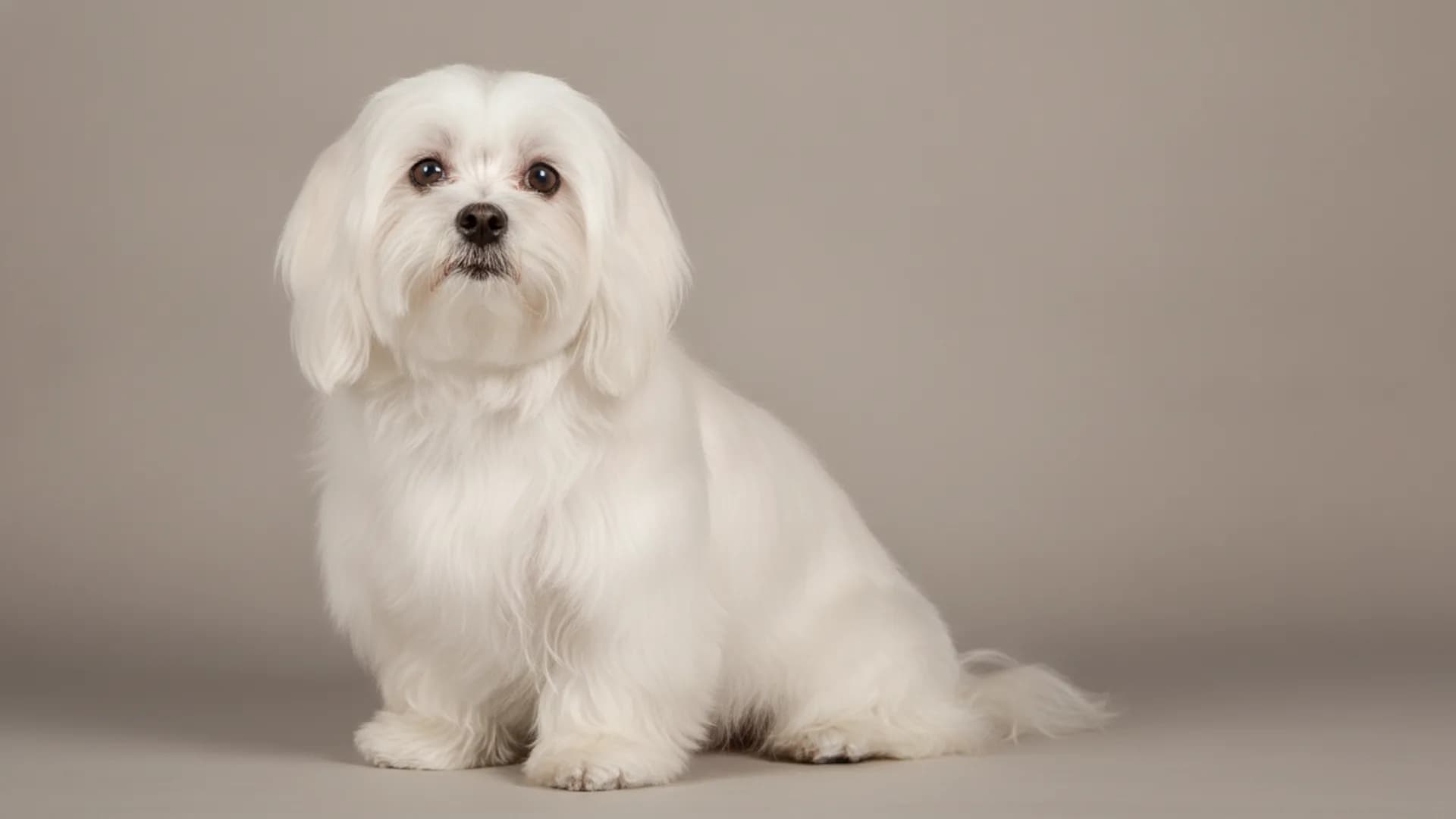
Maltese
The Maltese is a small white lapdog of the Mediterranean, a toy breed kept purely for company and named after a pet dog prized in ancient Greece and Rome. Under the floor-length coat is a quick, bold little dog that has never had another trade.
History
Small long-haired dogs called Melitaean appear on Greek vases and in classical writing. Aristotle mentions a tiny Melitaean dog, Pliny repeats the name, and the poet Martial wrote verses about Issa, the lapdog of his friend Publius, who had her portrait painted; a later tradition, on no evidence, makes that Publius a Roman governor of Malta. Whether the name really points to Malta is unsettled: ancient authors also attached it to the Adriatic island now called Mljet.
No pedigree links those dogs to the modern breed, which took shape in Victorian Britain. Edwin Landseer painted a Maltese in 1837 as the last of its tribe, yet a class for the breed was held at a London show in 1862, and by the end of the century English writers took the connection with Malta for granted. A white dog was shown at the first Westminster show in New York in 1877 as a Maltese Lion Dog, and the American Kennel Club recognised the breed in 1888.
Temperament
The Maltese is gentle in the hand and surprisingly fearless on the ground. It will bark at a stranger at the door and square up to a far larger dog, then spend the evening pressed against its owner's side. It attaches itself to one or two people with unusual intensity.
It stays playful well into old age. Visitors are usually accepted after a noisy introduction. With children it is affectionate but physically vulnerable, and it can snap if grabbed or startled. A Maltese indulged in everything and carried everywhere becomes anxious and demanding.
Living with the breed
It needs almost no room and takes much of its exercise indoors, so a small flat is no hardship. What it cannot do without is company: left alone for long stretches it frets, barks and may soil the house. It feels cold and wet keenly, having no undercoat, and many dislike going out in the rain.
The white coat governs the household routine. It picks up mud, leaves and food; the hair under the eyes stains reddish-brown from tears; and the beard needs wiping after meals. Many pet owners give up the show coat for a short all-over 'puppy clip'. Shedding is slight, since loose hairs stay in the coat until combed out.
Care and training
A couple of short walks and a play session each day are enough. A coat kept long must be combed down to the skin daily, because the silky single layer mats quickly, especially when the adult coat replaces the puppy one; the hair on the head is tied up in a topknot to keep it out of the eyes. A clipped coat needs brushing several times a week and a trim every month or two.
The breed learns fast and likes to perform, and it responds to praise and titbits; harsh handling makes it timid. Teach it early to stand on a grooming table and to settle without barking, and expect house-training to take months.
Health
Patellar luxation, in which the kneecap slips out of its groove, is the usual orthopaedic fault, and a weakened windpipe that flattens as the dog breathes — tracheal collapse — produces a characteristic honking cough.
Liver and heart problems are both recorded in the breed, and puppies should be checked for patent ductus arteriosus, a heart vessel that fails to close after birth. White dog shaker syndrome, a disorder causing tremors of the whole body that comes on suddenly in young adults, is most common in small white breeds including this one. Necrotising meningoencephalitis, a fatal inflammation of the brain better known from Pugs, may also be inherited in the Maltese. Reputable breeders have knees, hearts and eyes examined and do not select for extreme smallness.
Who it suits
It suits home-based people who like combing a coat, older owners and flat-dwellers included, and anyone wanting a devoted dog that seldom sheds. It does not suit households with toddlers, people out at work all day, or anyone who expects a white dog to stay white without effort.
Questions
Do Maltese dogs shed?
Very little. The coat is a single layer of long hair with no undercoat, and it grows continuously instead of moulting seasonally. The hairs that do come loose stay tangled in the coat, which is exactly why it mats without daily combing.
Are Maltese hypoallergenic?
Not strictly, because no dog is. A Maltese leaves much less hair around the house than most breeds, and some allergy sufferers find it easier to live with, but the allergens are carried in skin flakes and saliva as well. An afternoon in a Maltese owner's home tells a sufferer more than any label.
Why does my Maltese have brown stains under its eyes?
The marks are tear staining, which shows on any white-faced dog. Tears that overflow on to the face tint the hair beneath the eyes rust-coloured. It is mostly cosmetic, though sudden or heavy watering is worth having a vet look at.
Is a 'teacup' Maltese a separate breed?
No. 'Teacup' is a sales term for dogs bred or selected to be smaller than the standard, and no kennel club recognises it. Exceptionally tiny dogs are more fragile and more prone to low blood sugar, so the label is a warning.
Can a Maltese be left alone?
Only for short periods. The breed exists to keep people company and has no other occupation, and many individuals develop separation distress if left for a working day. This is not a dog for an empty house.
Characteristics
- Size
- Small
- Weight
- 1.8–3.2 kg
- Height
- 18–23 cm
- Lifespan
- 12–15 yr
- Group
- Toy
Traits
- Affection
- Energy
- Intelligence
- Shedding
- Grooming
- Good with kids
Similar breeds
Dogs with a comparable size, coat and temperament.
| Breeds | Size | Weight | Height | Lifespan |
|---|---|---|---|---|
| Maltese | Small | 1.8–3.2 kg | 18–23 cm | 12–15 yr |
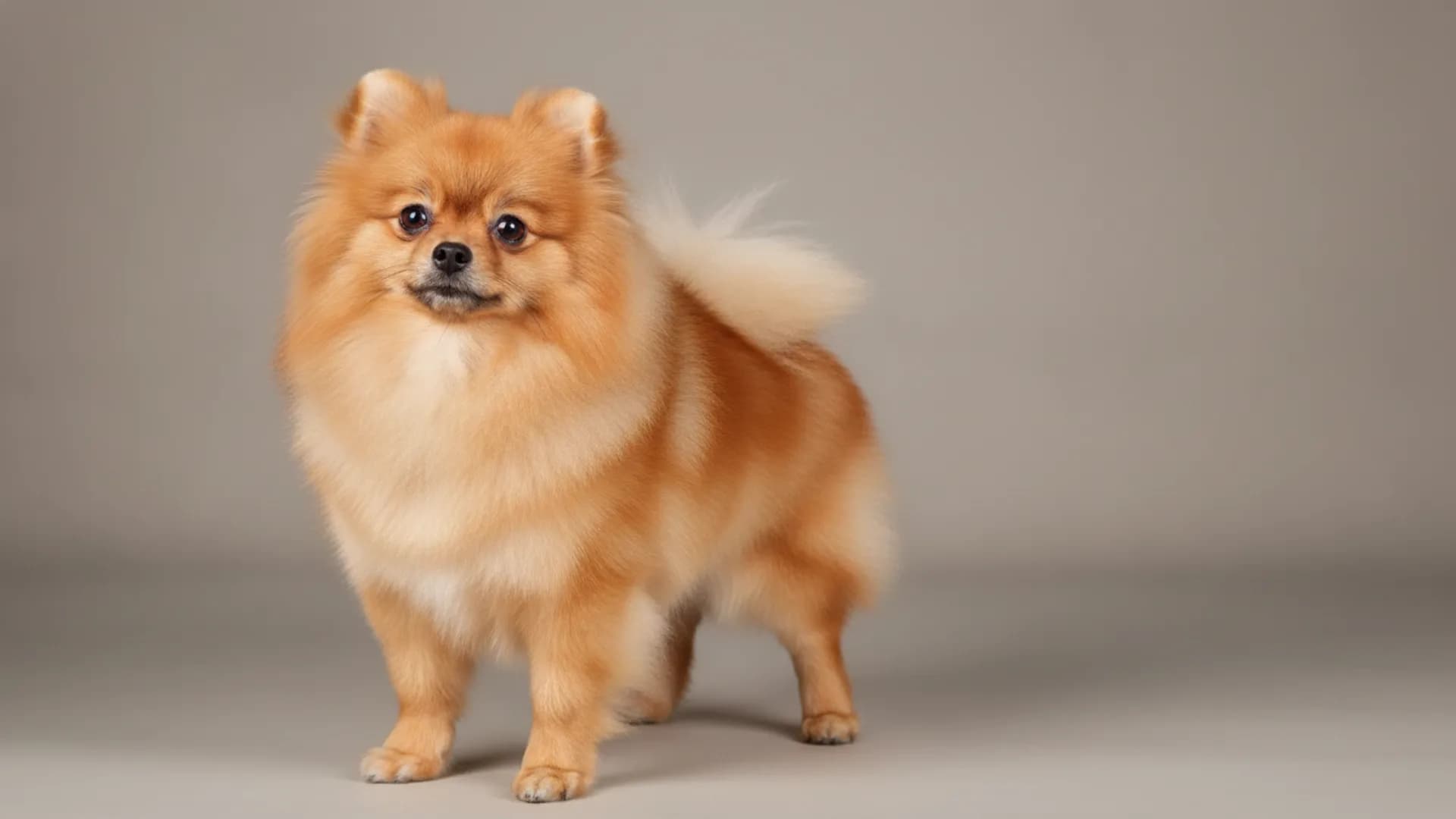
| Pomeranian | Small | 1.4–3.2 kg | 15–18 cm | 12–16 yr |
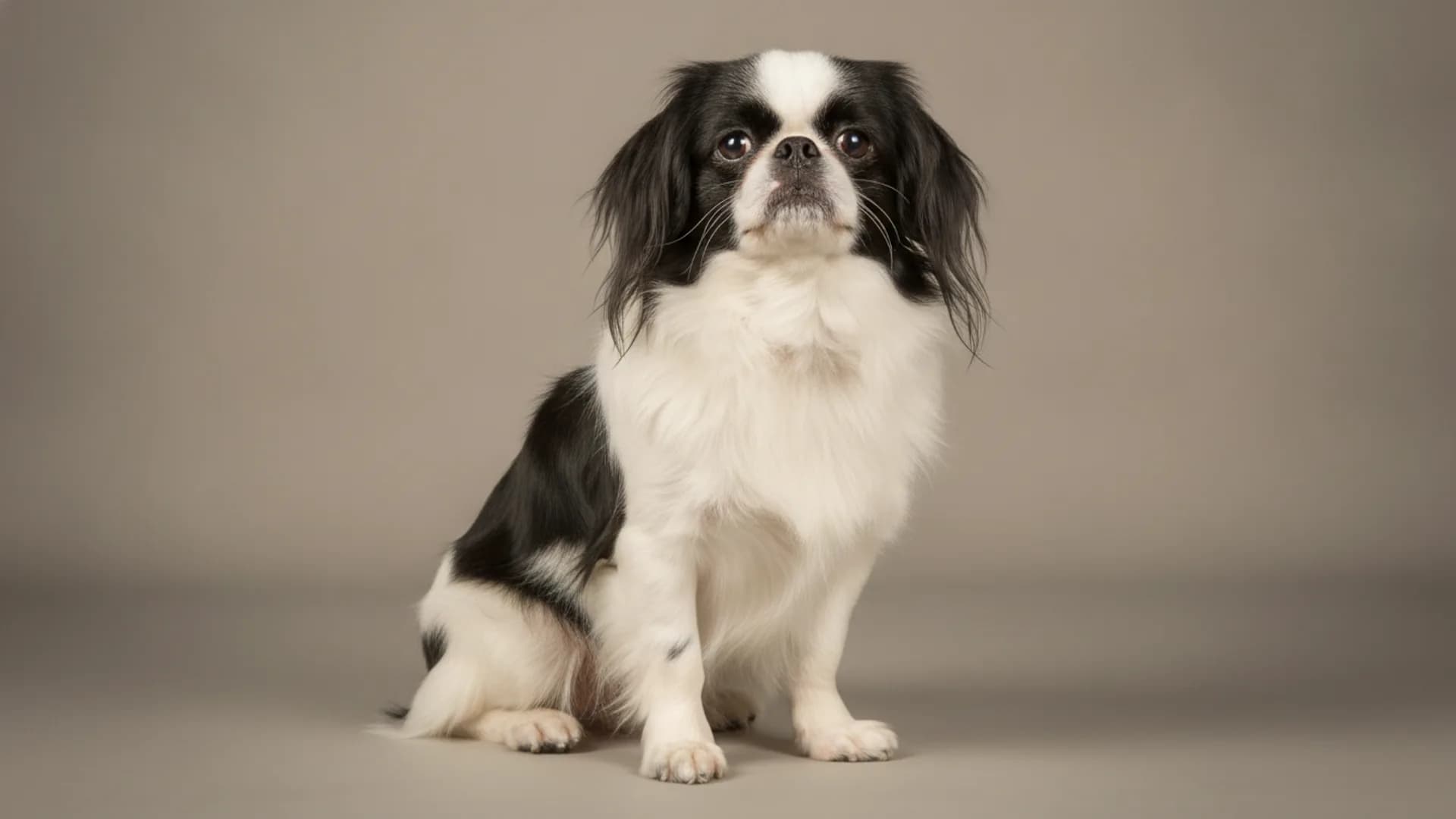
| Japanese Chin | Small | 1.8–5 kg | 20–28 cm | 10–12 yr |
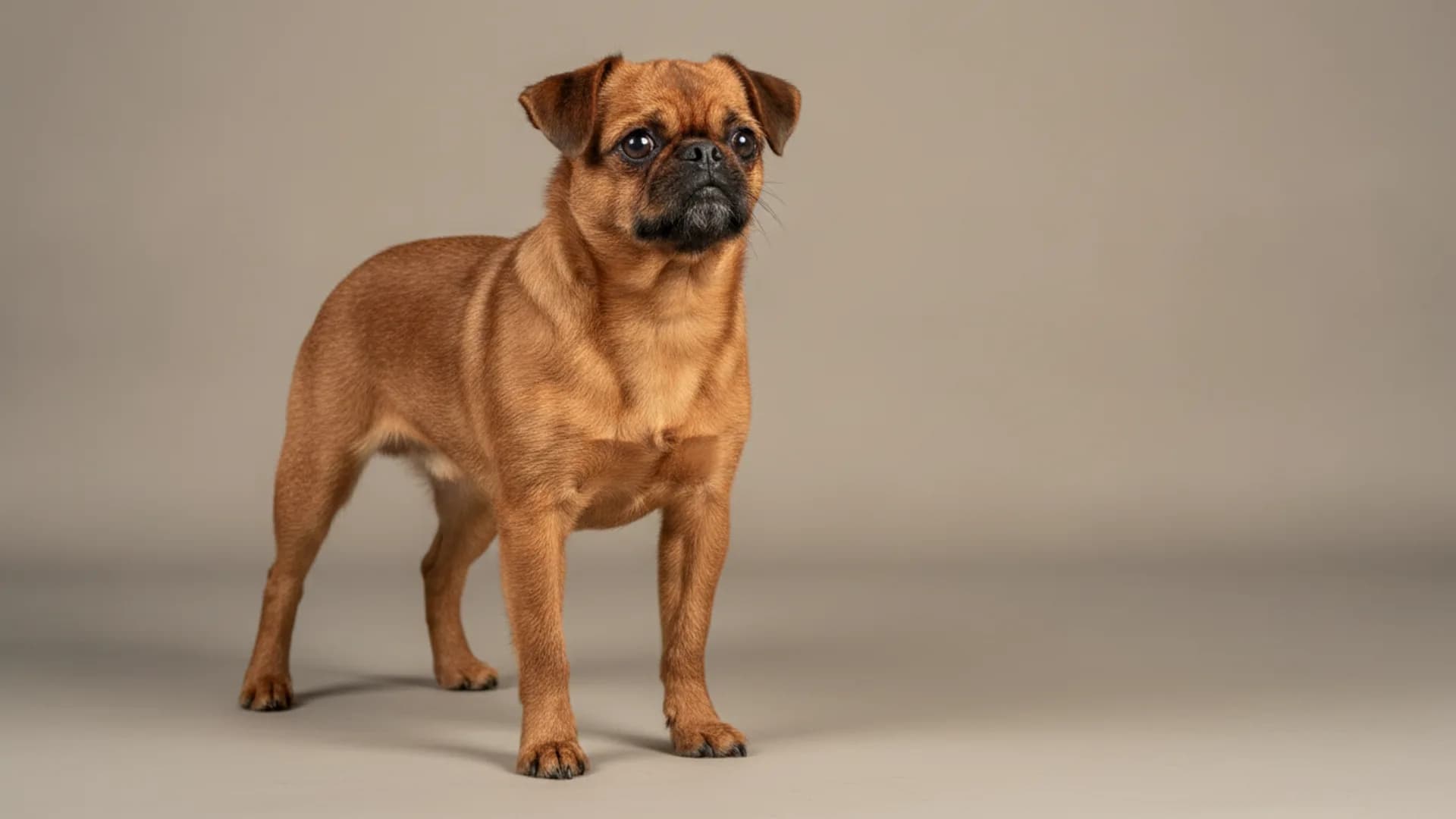
| Griffon Bruxellois | Small | 4–5 kg | 18–25 cm | 12–15 yr |
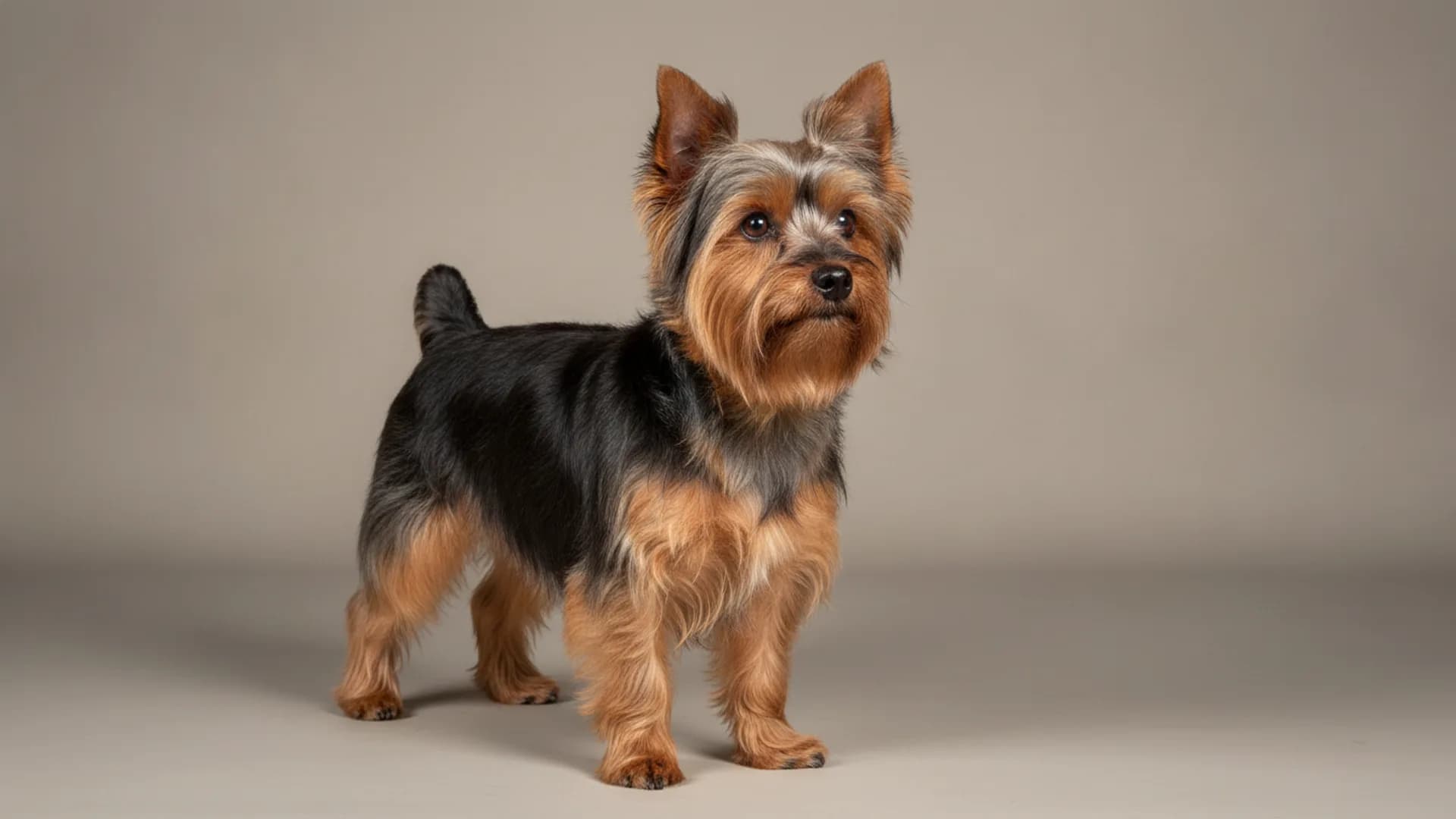
| Australian Silky Terrier | Small | 3.5–5 kg | 23–25 cm | — |