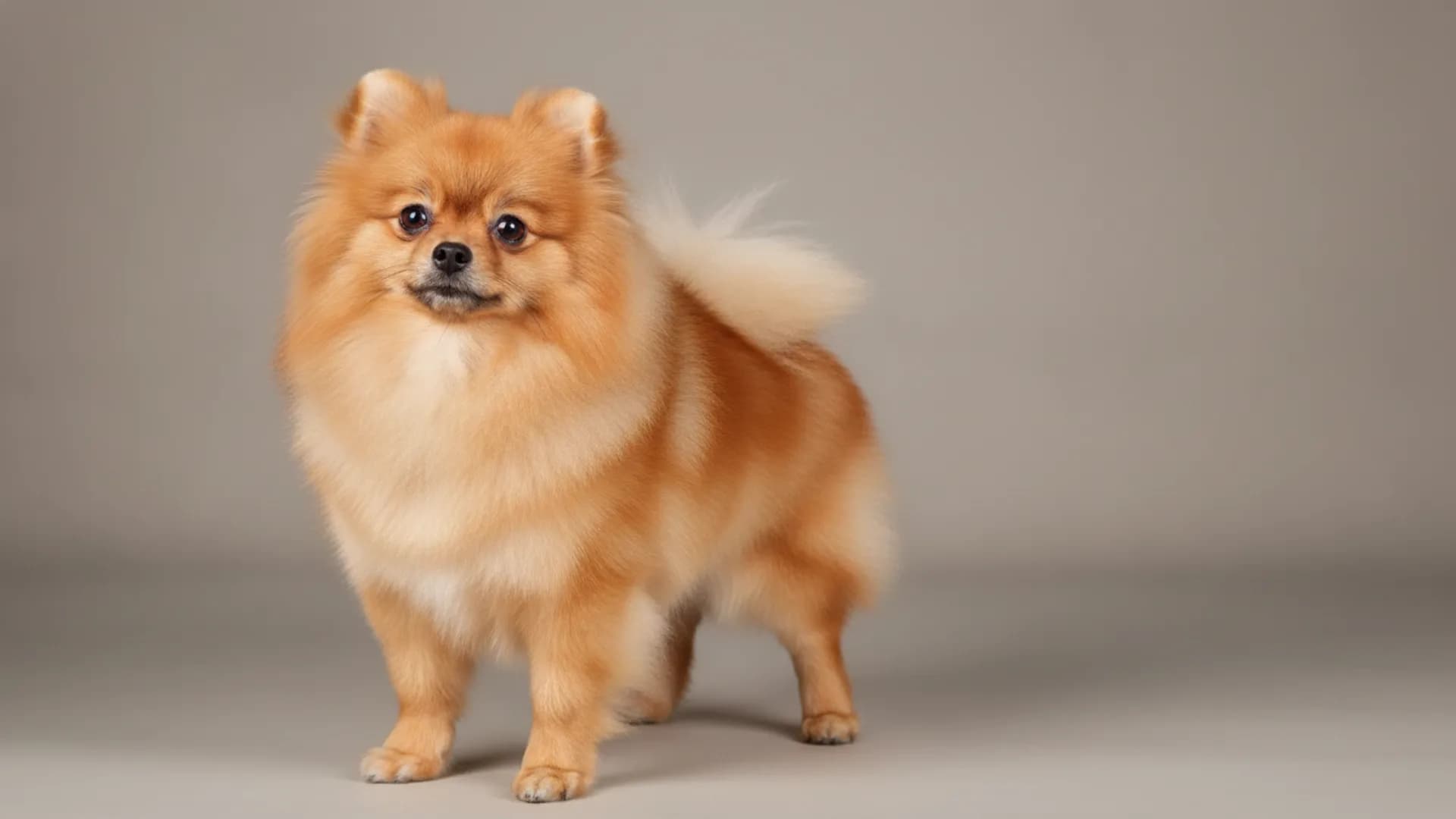
Pomeranian
The Pomeranian is a toy spitz bred down from the much larger German Spitz, and it was Queen Victoria who shrank it. What remains of the big dog is the attitude, packed into a ball of stand-off coat.
History
The breed is the smallest of the spitz breeds and is named after Pomerania, the Baltic region now divided between Poland and Germany. The earliest dogs were white, or occasionally brown or black, and many times the weight of the modern toy. Queen Charlotte, the wife of George III, brought a pair to England in 1767, and Gainsborough painted them.
Her granddaughter Victoria did the rest. In 1888 the queen acquired a small red dog, Marco, and when she first exhibited him in 1891 the smaller type became popular at once; she went on to keep a large breeding kennel. The breed is reported to have halved in size within her lifetime. A British breed club formed in 1891, and the American Kennel Club recognised the breed in 1900. Two Pomeranians were among the three dogs that survived the sinking of the Titanic.
Temperament
A Pomeranian behaves like a much bigger dog. It is cocky, inquisitive and always watching, and it will challenge a dog several times its size without a second thought. It bonds closely with its owner and likes to be the centre of attention, performing tricks for an audience with obvious enjoyment.
Strangers are announced with sharp barking, though most Pomeranians warm up once the visitor is seated. It is better with older, careful children than with toddlers, less because of its temper than because it is easily hurt. It usually lives peaceably with other pets, provided larger dogs are gentle with it.
Living with the breed
It fits anywhere, from a studio flat to a boat, and gets a good share of its exercise trotting about indoors. The price is noise: a Pomeranian reacts to the doorbell, footsteps on the stairs and voices in the corridor, and unless it is taught otherwise it becomes a persistent yapper.
Its smallness shapes daily life. It can be injured by being dropped, stepped on or allowed to leap from a sofa, and it squeezes through gaps in a fence that look too narrow. House-training often takes longer than in bigger breeds. In its first year a puppy sheds its fluff and looks patchy and leggy — the stage owners call the 'puppy uglies' — before the adult coat comes in.
Care and training
Two short walks and some play each day are plenty, and the dog is happy to be carried when its legs give out. The coat needs brushing through to the skin several times a week, lifting the hair in layers, or the dense undercoat knots; the areas behind the ears and on the hindquarters tangle first. Many owners use a harness in place of a collar to keep pressure off the throat.
It is a clever dog and quick at tricks. The lessons that matter most are being quiet on cue, being handled and brushed without fuss, and walking on its own feet past other dogs. Treating it as too small to need rules produces a snappy, bossy pet.
Health
Tracheal collapse, in which the cartilage rings of the windpipe weaken and flatten, causes a harsh, honking cough and is common in the breed. Patellar luxation, a kneecap that slides out of place, is the typical orthopaedic fault.
Alopecia X, sometimes called black skin disease, is a condition of unknown cause to which the breed is strongly predisposed: the coat thins and falls out, and the bare skin may darken. Merle-coloured dogs may have impaired hearing or sight, and puppies of two merle parents can have further abnormalities.
Who it suits
It suits adults and families with older children who want a bright, portable companion and enjoy grooming, including older people and those in small homes. It is a poor match for a house with boisterous toddlers or large rough dogs, for anyone who needs quiet, and for people who want a dog to take on long, demanding hikes.
Questions
Do Pomeranians bark a lot?
Yes, most do. The breed is highly alert and uses its voice to report every sound and visitor. Teaching a 'quiet' command from puppyhood and not rewarding barking with attention keeps it within bounds, but a silent Pomeranian is rare.
Are Pomeranians good with children?
With gentle, older children they are lively and affectionate playmates. They are not recommended for homes with very young children, because a fall or a clumsy squeeze can injure so small a dog, and a frightened Pomeranian may nip to defend itself.
How often does a Pomeranian need grooming?
Brushing is needed two or three times a week, and more often during the seasonal moult, with a bath every month or so. The coat should not be clipped short: shaving a double coat can damage its texture, and in some dogs it grows back poorly.
Why is my Pomeranian puppy losing its coat?
Most likely it is the normal change from puppy to adult coat, which makes youngsters look scruffy for several months in their first year. Hair loss in an adult dog, or bald patches with darkened skin, is a different matter and one for a vet.
Is a Pomeranian a type of spitz?
Yes. It belongs to the same family as the larger German Spitz varieties and the Keeshond, and the FCI standard places it with them as the Zwergspitz, or dwarf spitz. The pricked ears, foxy face, ruff and plumed tail carried flat over the back are the family features.
Characteristics
- Size
- Small
- Weight
- 1.4–3.2 kg
- Height
- 15–18 cm
- Lifespan
- 12–16 yr
- Group
- Toy
Traits
- Affection
- Energy
- Intelligence
- Shedding
- Grooming
- Good with kids
Similar breeds
Dogs with a comparable size, coat and temperament.
| Breeds | Size | Weight | Height | Lifespan |
|---|---|---|---|---|
| Pomeranian | Small | 1.4–3.2 kg | 15–18 cm | 12–16 yr |
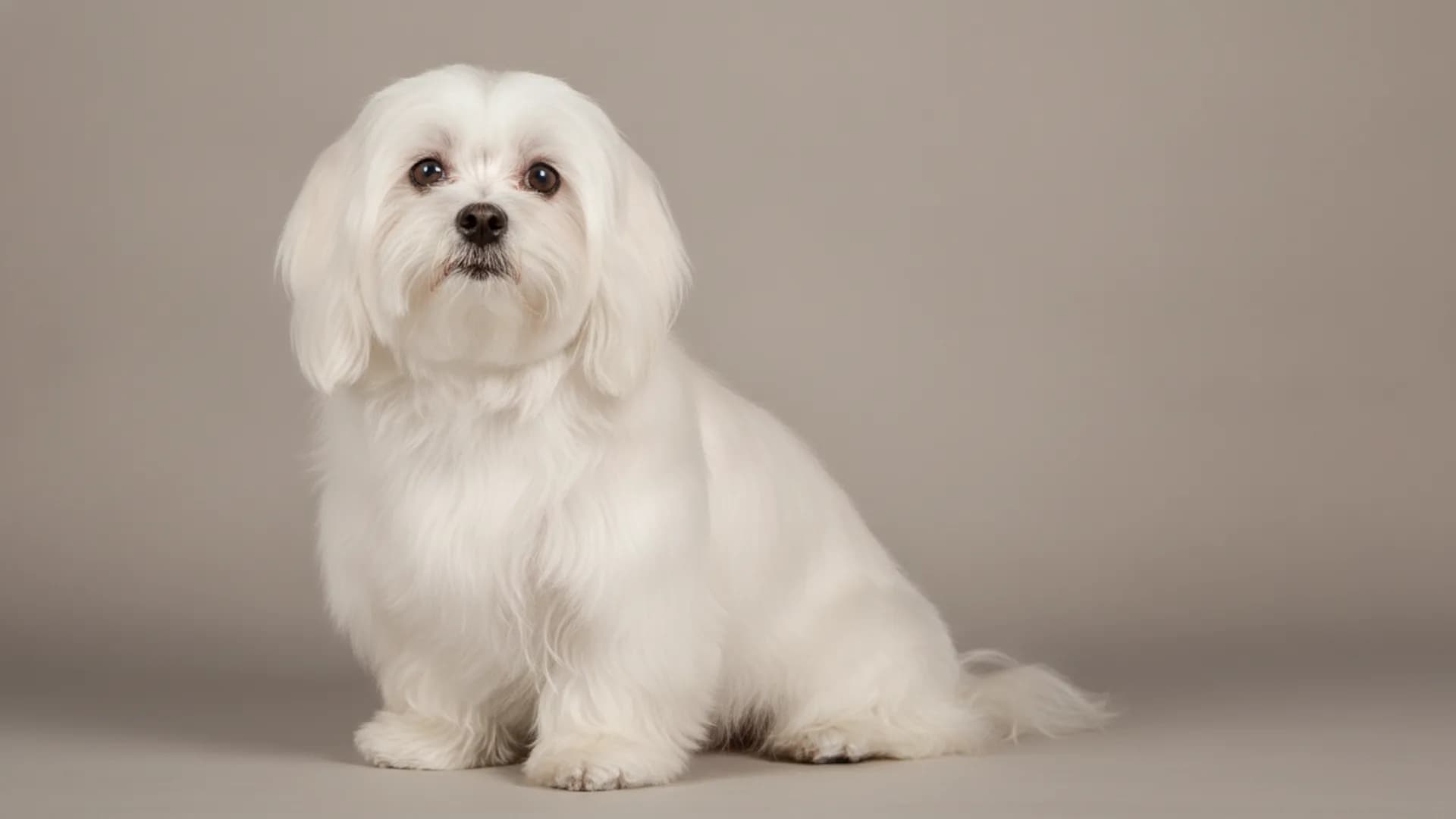
| Maltese | Small | 1.8–3.2 kg | 18–23 cm | 12–15 yr |
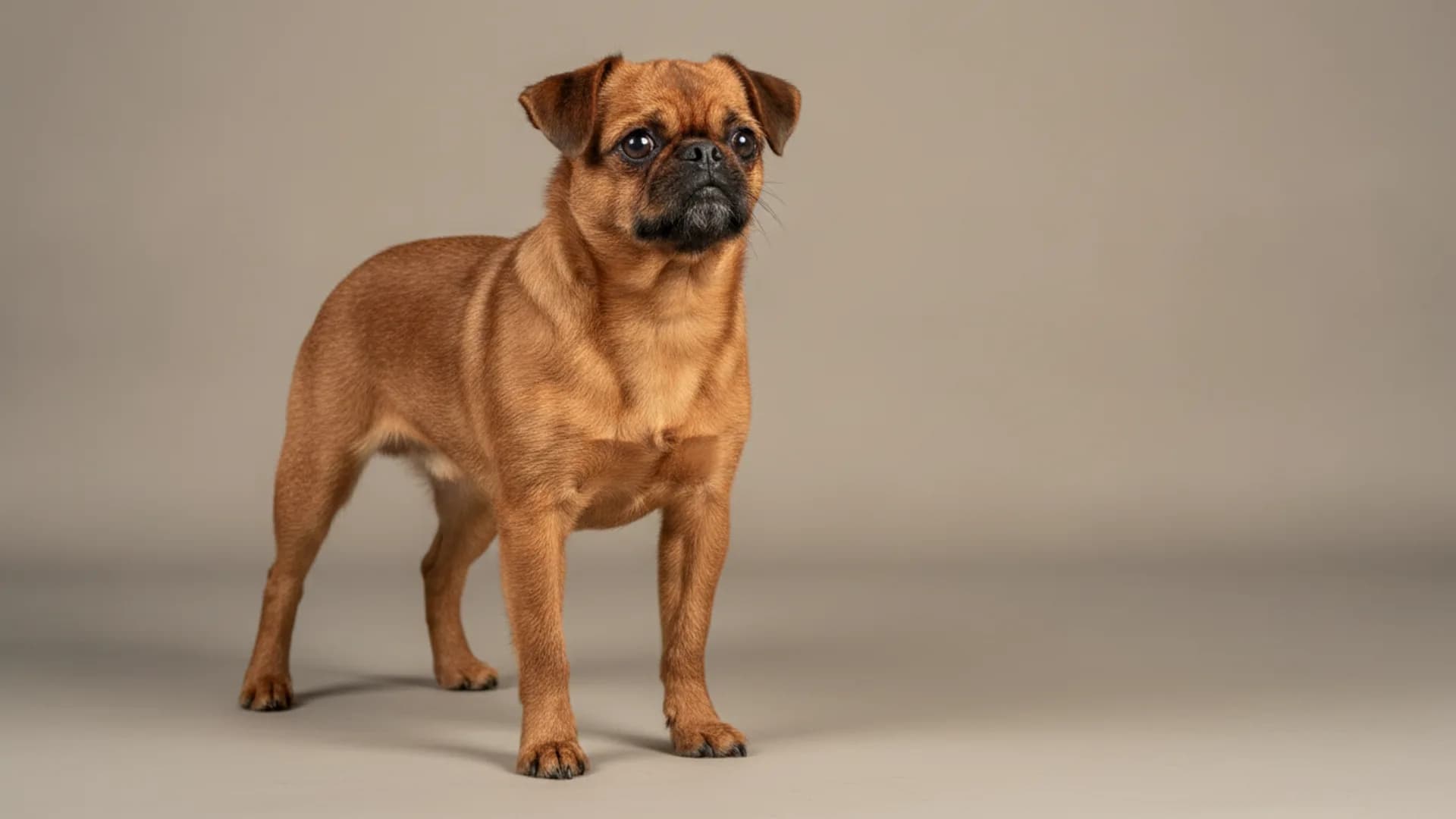
| Griffon Bruxellois | Small | 4–5 kg | 18–25 cm | 12–15 yr |
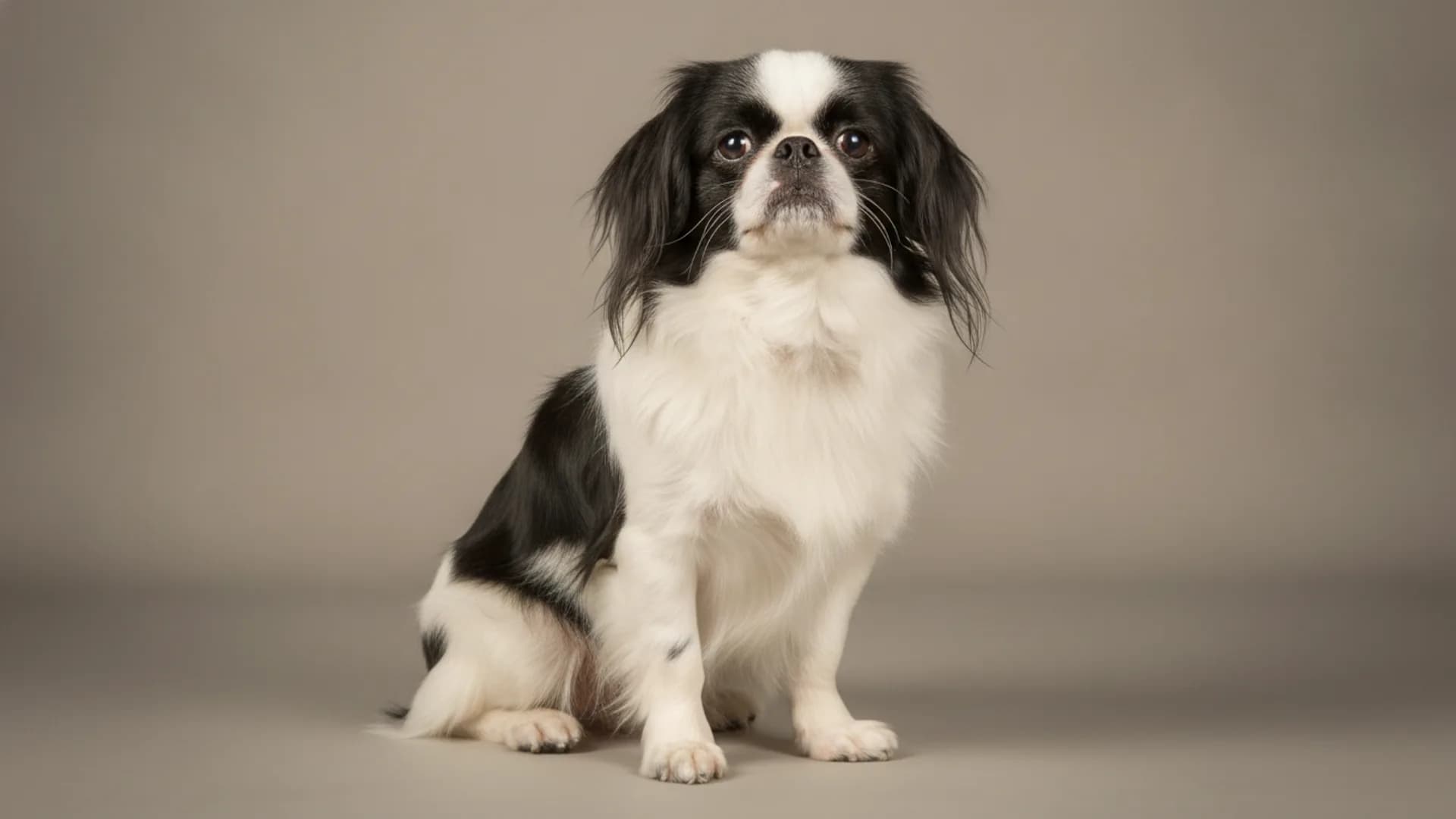
| Japanese Chin | Small | 1.8–5 kg | 20–28 cm | 10–12 yr |
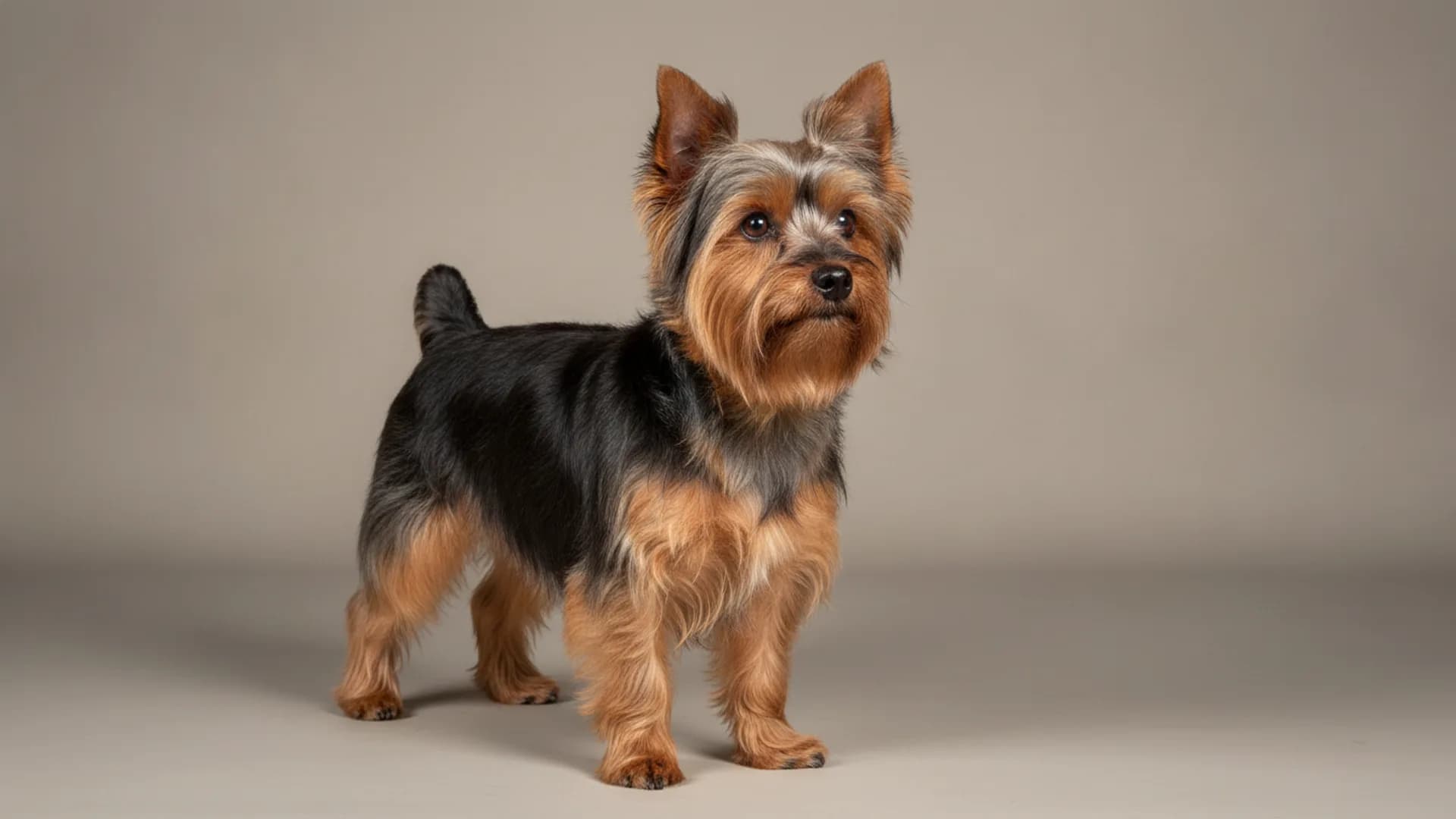
| Australian Silky Terrier | Small | 3.5–5 kg | 23–25 cm | — |