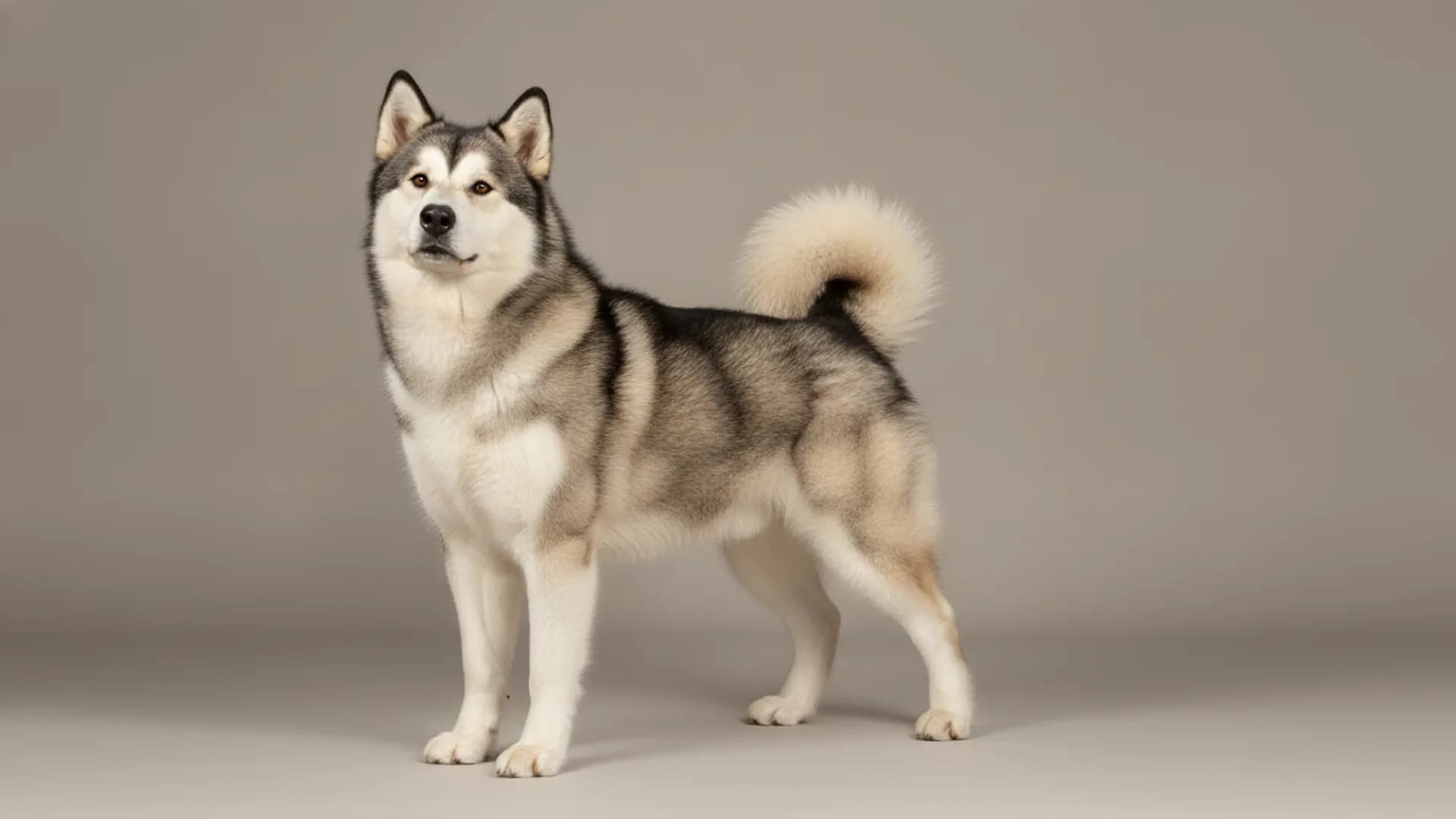
Alaskan Malamute
The Alaskan Malamute is the heavy freighting dog of the Arctic — built to haul weight over distance rather than to race. It is the big, deep-chested, heavy-boned counterpart to the racing sled dogs, and it has the opinions to match its strength.
History
The breed takes its name from the Malimiut, an Inupiaq people of Alaska's Norton Sound region, who are thought to have bred it to drag loaded sledges and to help on hunts. The Klondike gold rush brought a sudden demand for sled dogs of any kind, and the native freighters were crossed with whatever outsiders had brought north, to the point where pure examples became hard to find.
American Kennel Club recognition came in 1935, largely through the efforts of the breeder Eva Seeley. Malamutes went south with Admiral Byrd and served in the Second World War, mostly as search and rescue dogs in Greenland; the losses all but wiped out the registered stock, and in 1947, with about thirty dogs thought to remain, the stud book was reopened. Alaska named it the official state dog in 2010.
Temperament
Towards people a Malamute is open, affectionate and rather clownish. It has no suspicion of strangers at all, so its size deters intruders and nothing else about it does. It is loyal without being servile, and it questions instructions that seem to serve no purpose.
Other dogs are where trouble starts. Many Malamutes are pushy with dogs of their own sex and will not back down from a challenge, and the instinct to chase small animals is strong. With children the breed is patient and fond, but it is far too powerful to be walked by a child. Puppies stay puppyish in the head long after the body has filled out.
Living with the breed
A Malamute rearranges a garden. It excavates cooling pits in the lawn, tunnels under fences and can scale ones that would hold most large dogs, so the boundary has to be tall and sunk into the ground. Indoors it is calmer than might be expected, provided it has worked that day, and it likes to lie where it can see everyone.
It is quiet in the sense that it rarely barks, but it has a repertoire of 'woo-woo' noises and will howl. Food left within reach disappears, and a dog of this height can reach most worktops. Summer is the hard season: the coat is designed for deep cold, and in warm weather the dog needs shade, cool floors and exercise at dawn or dusk only.
Care and training
Walking alone does not satisfy the breed. It wants resistance — a loaded backpack on a hike, a cart, a sledge, or some other form of the hauling it was bred for. An adult needs a couple of hours of this kind of purposeful activity most days, and without it the energy is spent on the furniture and the fence.
Training has to begin in puppyhood, while the dog can still be physically managed, and lead manners are the priority because an adult that pulls cannot be stopped by strength. The breed gets bored by repetition and simply stops cooperating, so brief, varied lessons with food work best. The coarse outer coat and oily, woolly undercoat need brushing most days and every day during the heavy seasonal moult.
Health
Hip dysplasia, a malformation of the hip joint that leads to arthritis, is the main orthopaedic concern, and breeding stock is X-rayed and scored. Hereditary cataracts are checked for by eye examination. Two conditions are particular to the breed: an inherited polyneuropathy, a nerve disease causing weakness and an unsteady gait in young dogs, for which a DNA test exists, and chondrodysplasia, a form of dwarfism that produces short, deformed forelegs.
Hypothyroidism, an underactive thyroid gland, also turns up, as does the zinc-responsive skin disease seen in several Arctic breeds.
Who it suits
It suits experienced, physically strong owners with land, a cool climate and a hobby the dog can join — backpacking, carting, sledding. It is a poor choice for a first dog, for a household that already has a dog of the same sex, for anyone living somewhere hot, and for people who expect instructions to be followed simply because they were given.
Questions
What is the difference between a Malamute and a Husky?
The Malamute is the larger and heavier of the two, bred for power where the Siberian Husky was bred for speed. Malamute eyes are brown — blue is highly undesirable in the breed — and the dog has a broader head and a plumed tail carried over the back.
Are Malamutes aggressive?
Not towards people; the breed is typically friendly with everyone it meets. Aggression towards other dogs, particularly those of the same sex, is a recognised trait, and it calls for early socialising and careful introductions throughout the dog's life.
Can a Malamute live in a warm climate?
With difficulty. The dense double coat traps heat, and the breed is prone to overheating during exertion in warm weather. Owners in hot regions rely on air conditioning and very early or late exercise.
Do Malamutes shed?
Enormously. The undercoat is dropped in a heavy seasonal moult that lasts several weeks and fills bin bags, and there is a steady lighter fall of hair in between. Daily brushing with a rake during the moult is the only way to stay ahead of it.
Is a Malamute a good first dog?
Usually not. Its strength, its independence and its tendency to quarrel with other dogs ask for someone who has trained a large, strong-willed breed before. A novice willing to work closely with a breed club and a good trainer can manage, but it is the hard way to start.
Characteristics
- Origin
- United States
- Size
- Large
- Weight
- 32–41 kg
- Height
- 56–66 cm
- Lifespan
- 10–14 yr
- Group
- Working
Traits
- Affection
- Energy
- Intelligence
- Shedding
- Grooming
- Good with kids
Similar breeds
Dogs with a comparable size, coat and temperament.
| Breeds | Size | Weight | Height | Lifespan | Coat |
|---|---|---|---|---|---|
| Alaskan Malamute | Large | 32–41 kg | 56–66 cm | 10–14 yr | — |
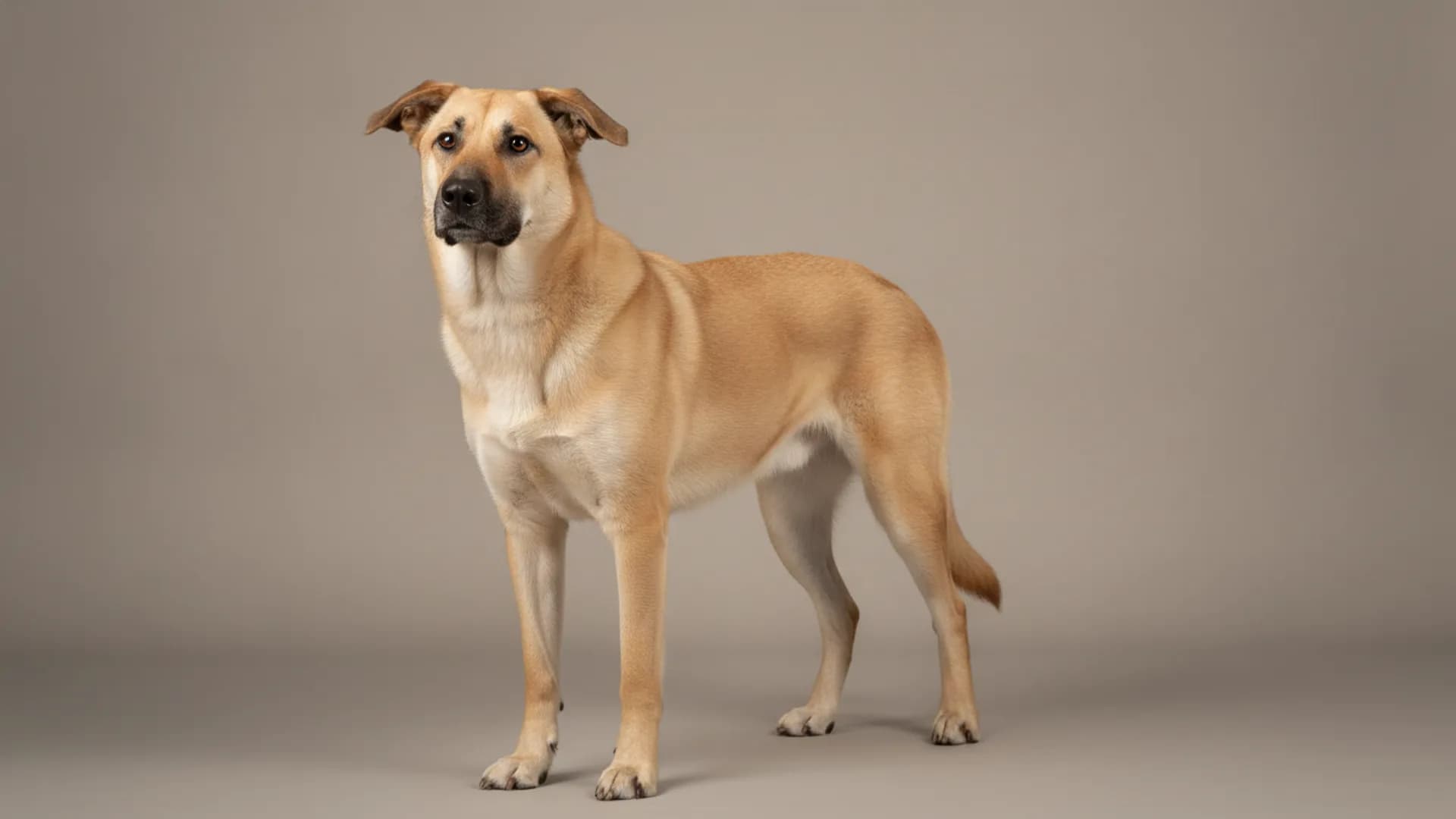
| Chinook | Large | 23–41 kg | 53–66 cm | 12–15 yr | — |
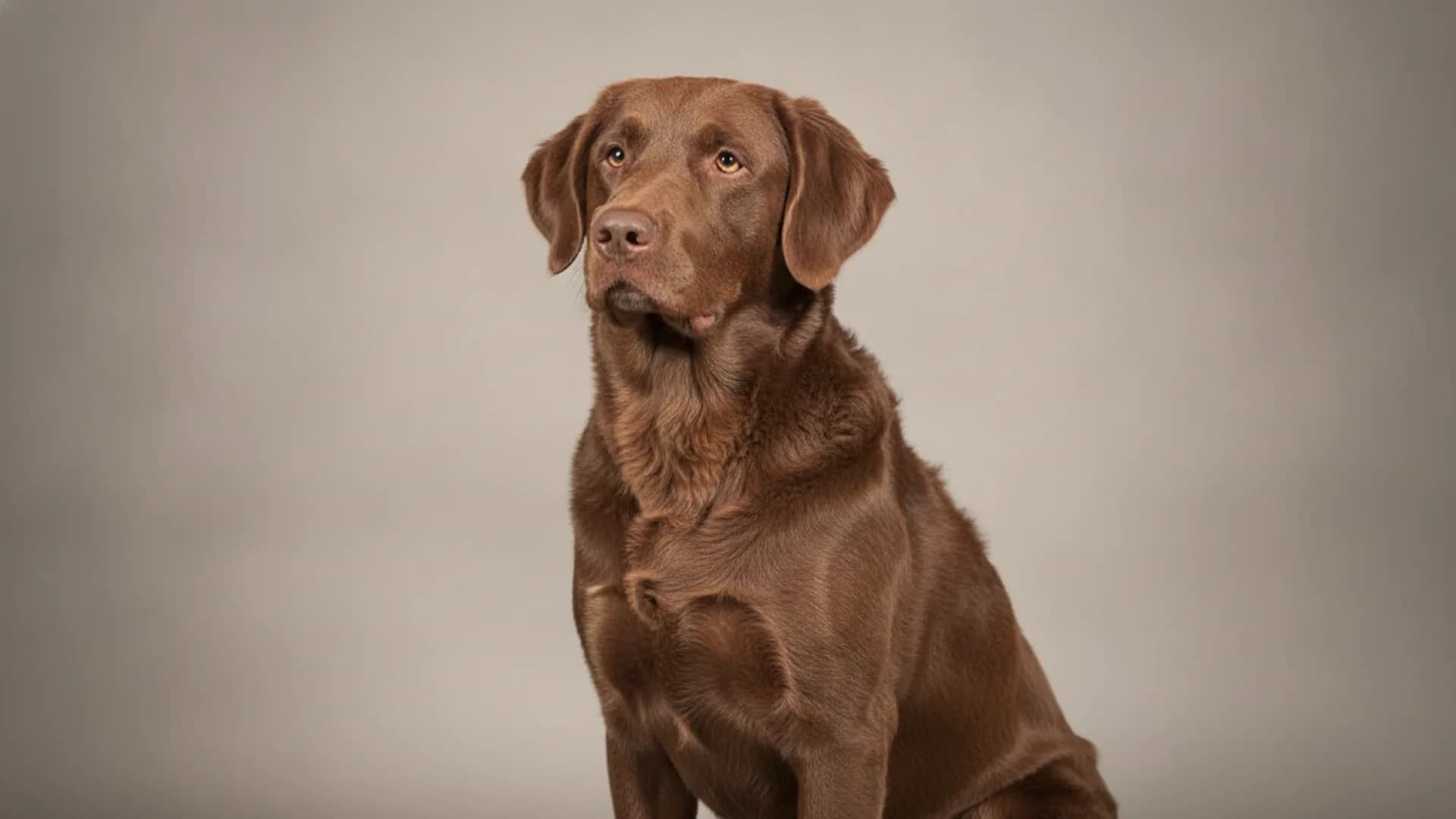
| Chesapeake Bay Retriever | Large | 25–36 kg | 53–66 cm | 10–13 yr | — |
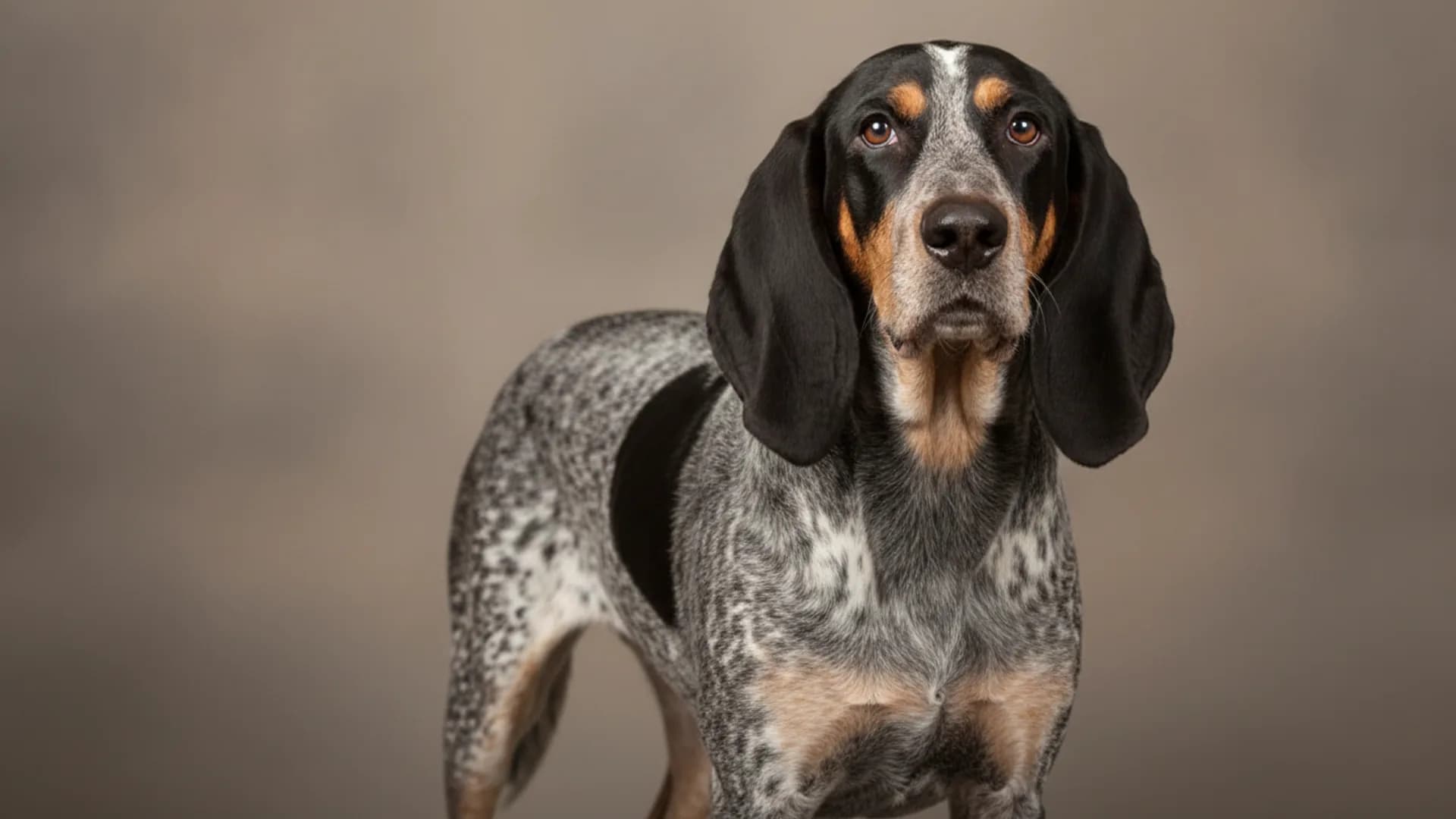
| Bluetick Coonhound | Large | 24.9–36.3 kg | 55.9–68.6 cm | 11–12 yr | Short |
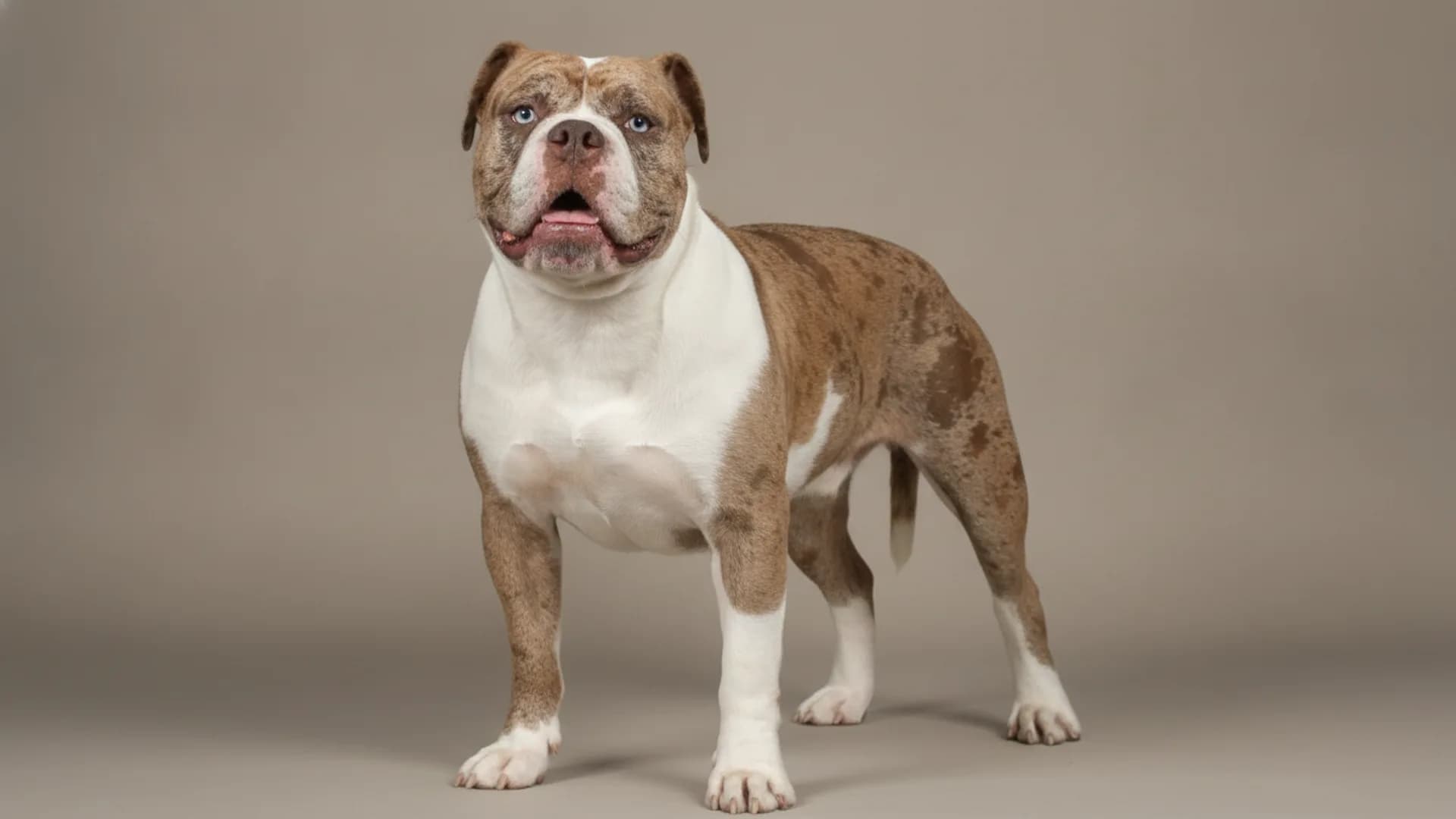
| Alapaha Blue Blood Bulldog | Large | 22.7–40.8 kg | 50.8–63.5 cm | 12–13 yr | Short |