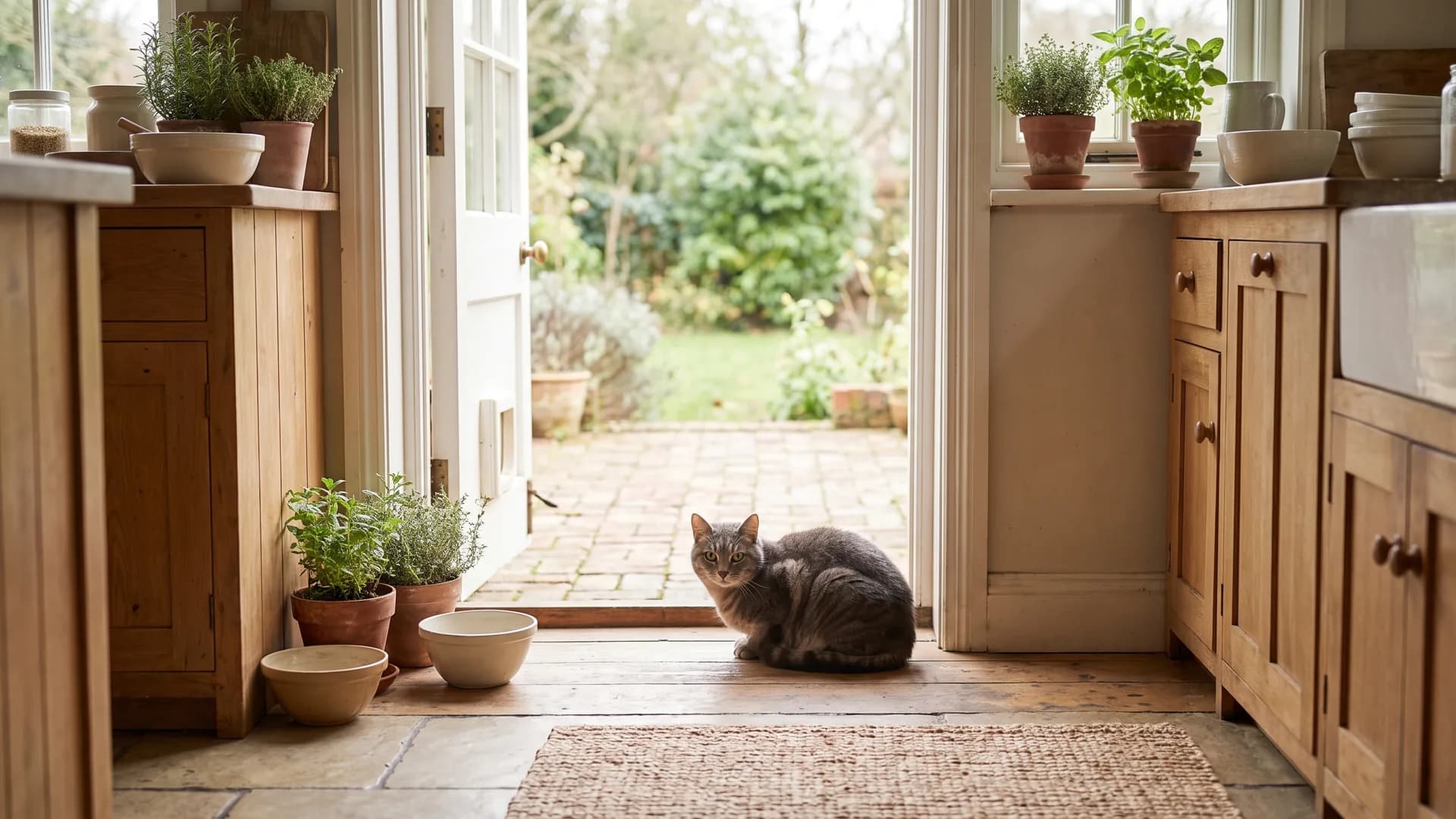
Two-syllable pet names, the length most owners land on
Two syllables is what the registers overwhelmingly contain — long enough to carry, short enough to shout twice.
Count the names in these registers by length and two syllables wins by a distance: more names sit there than at one and three combined.
There's a reason. One syllable arrives fast but clips; three gets shortened by the owner within a fortnight. Two survives both.
Counted, not estimated
The syllable count comes from the vowel groups in the spelling, with silent endings handled, so it agrees with how the name is said and not how it looks. Getting that wrong the first time cost this catalogue a thousand incorrect counts, which is why it's worth saying it's now checked.
The default length, by a distance
7,944 names in this catalogue have two syllables — more than one-syllable and three-syllable names combined, and roughly two thirds of everything published. If there's a consensus in pet naming, this is it.
They average 78 registrations each, which sits between the monosyllables at 79 and the three-syllable names at 33. So two syllables isn't just the commonest choice, it's the one that doesn't cost you density: a longer name is a rarer name, and two is where the curve hasn't yet turned down.
The gender split is close, 2,799 male to 2,452 female, and 3,885 of them classify easy-to-call — more than any other sound reaches. This is the middle of the catalogue in every dimension at once.
Why two beats wins
One syllable arrives fast and clips: at a shout the whole name can be lost to a gust or a passing car.
Three gets shortened by the household within a fortnight, so the animal ends up learning a two-syllable version anyway. Two survives both problems, which is presumably why 7,944 owners arrived at it independently.
The practical consequence is that the choice inside this slice isn't about length at all — it's about ending and sound, both of which the archive filters directly.
Where the stress falls
English puts the stress on the first syllable of a two-beat name by default: BEL-la, MAX-ie, CO-co.
That first-beat stress is what makes the name work as a call, because the loud part arrives first and the second syllable confirms it.
The names that stress the second beat instead — mar-LEY, ba-ROO — are a minority and they behave differently outdoors: the attention-getting part arrives late, after a gust or a passing car has had its chance. This is a property of English and not something our registers measured, and it isn't a filter on the site for exactly that reason.
What is measured is the field's size. 7,944 names, 3,885 of them classifying easy-to-call, at an average of 78 registrations each.
The same shape everywhere else
It's worth noticing how far this pattern reaches beyond pets, because it explains why a two-beat name feels right before you've thought about it.
Front-stressed two-beat words are what English reaches for whenever it wants something memorable and repeatable. Nicknames land there. Brand names land there. So do the words for household objects, the names of pop songs, and almost every affectionate word in the language.
The reason is the same in each case: it's the shortest unit that has a shape. Something stressed, something after it to confirm what you heard, and nothing spare. A word built that way is easy to say quickly, easy to recognise when half-heard, and hard to mishear as something else.
So the consensus in this catalogue isn't a consensus about animals. It's the sound English uses for anything it says a great deal and cares about, and pets qualify on both counts.
Two beats out of one word, or two
There's a distinction inside this slice that nothing on the site filters and that changes how a name behaves.
Most of these names are single words with two syllables — a given name, a diminutive, an ordinary noun. They're smooth, they're said as one movement, and they're what the top of the list is made of.
A smaller group is two one-syllable words pushed together: a colour and a thing, a noun and a noun, a small compound built for the occasion. Those have a seam in the middle, which is audible if you listen for it, and the seam does two useful things. It makes the name unlikely to be shared with anything, because nobody else assembled the same pair. And it makes the meaning obvious, because both halves are still words.
What the seam costs is smoothness. A compound is slightly harder to say fast, and it's the shape most likely to be cut in half by a household that wants something quicker. If you build one, decide in advance which half survives.
What two beats does for the animal
It's fair to ask whether any of this matters to the dog or cat, and the honest answer is that the shape matters and the word doesn't.
An animal learning its name isn't learning a meaning. It's learning that one particular pattern of sound, in the middle of the continuous noise people make, predicts something — attention, food, a door opening. A two-beat pattern with the stress at the front is unusually distinctive against that background, which is most of why it works.
Which makes consistency the thing that actually matters, more than the choice itself. A dog called by four different variations of its name is being asked to recognise four patterns, only one of which it was taught, and households do this constantly without noticing: the full name, the short form, the silly form, and whatever somebody invented last week.
The practical version is to pick one two-beat form and use it when you genuinely want the animal, and let every other variation be for moments when nothing is being asked. That costs nothing and it's worth more than any amount of care over which name you chose.
It's also the argument for choosing a name you'll actually say the same way every time. A name you find slightly embarrassing in public is a name that gets mumbled outdoors and shouted at home, which is two patterns rather than one.
Narrowing a slice this large
Two thirds of the catalogue is too many names to read, so the useful thing to know is which filter to reach for next.
Ending is the strongest, because it's the part of the name that does the carrying and the part that carries the gender reading. An open vowel at the end travels; a lifting -y reads warm and crowded; a hard consonant reads male and blunt. That single decision cuts the slice into recognisable pieces.
Sound is the second, and it's most useful in the negative: if you know what you don't want the name to be — playful, elegant, strong — the filter removes a large block quickly.
Popularity is the third, and it's the one to apply last, not first. The slice contains both the most-shared names in the catalogue and a long tail of two-beat names nobody uses, and they look identical until you sort by it.
What's worth not filtering on is length. You're already in the right length. Every remaining decision is about the material and not the shape, which is the whole reason two beats is where most people end up.
How many syllables should a pet name have?
Two, on the evidence: 7,944 names in this catalogue have two, more than the one- and three-syllable groups combined, and they hold more registrations per name than longer names do.
Why not three syllables?
Three-syllable names average 33 registrations each against 78 for two — and in practice they get shortened by the household within a fortnight, so the animal learns a two-syllable form regardless.
Why does two syllables feel right before you think about it?
Because it's the shape English uses for anything it says often and cares about — nicknames, brands, household words, affectionate terms. It's the shortest unit with a rhythm: something stressed, something after it to confirm what you heard, and nothing spare.
Which syllable should be stressed?
The first, in English — BEL-la and not mar-LEY — because the loud part then arrives first and survives being shouted. That's a property of the language and not something our registers measured, so it isn't a filter on the site.
Is a two-word name the same as a two-syllable one?
Not quite. A compound built from two one-syllable words has a seam in the middle, which makes it almost certainly unshared and keeps its meaning visible — but it's slightly harder to say fast and it's the shape most likely to get cut in half. If you build one, decide which half survives.
Does the name itself matter to the animal?
The shape does; the word doesn't. An animal learns that one pattern of sound predicts something, and a two-beat pattern stressed at the front stands out well against ordinary speech. What matters far more is using one form consistently — four variations of a name are four patterns to learn, only one of which was taught.
How do I narrow down two-syllable names?
By ending first, since that's the part that carries and that sets the gender reading. Then by sound, which is most useful for ruling out what you don't want. Then by popularity, last — the slice holds both the most-shared names in the catalogue and a long tail nobody uses, and they look alike until you sort.
How many two-syllable pet names are there?
7,944, which is roughly two thirds of the published catalogue and more than the one- and three-syllable groups combined. They average 78 registrations each.