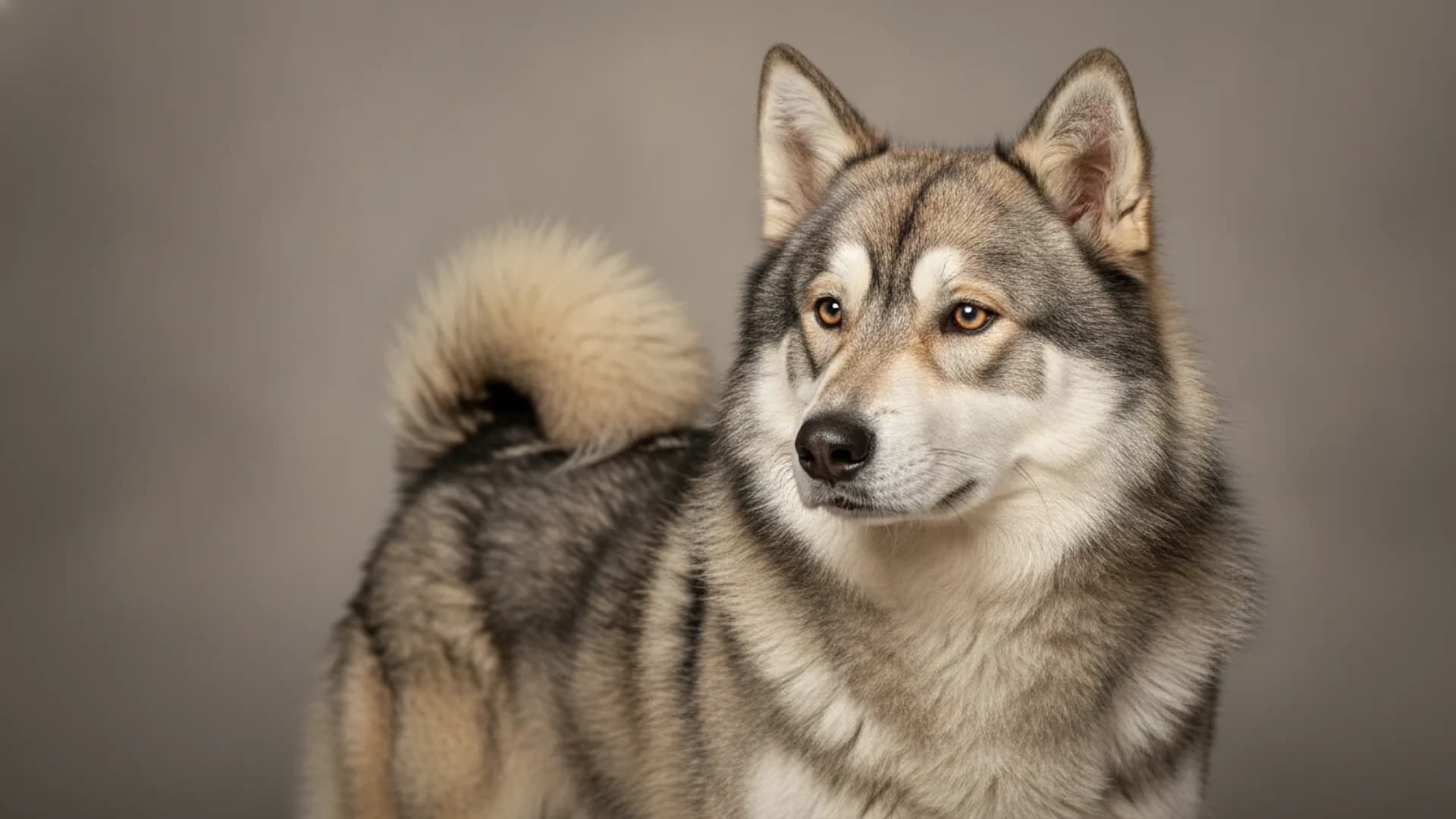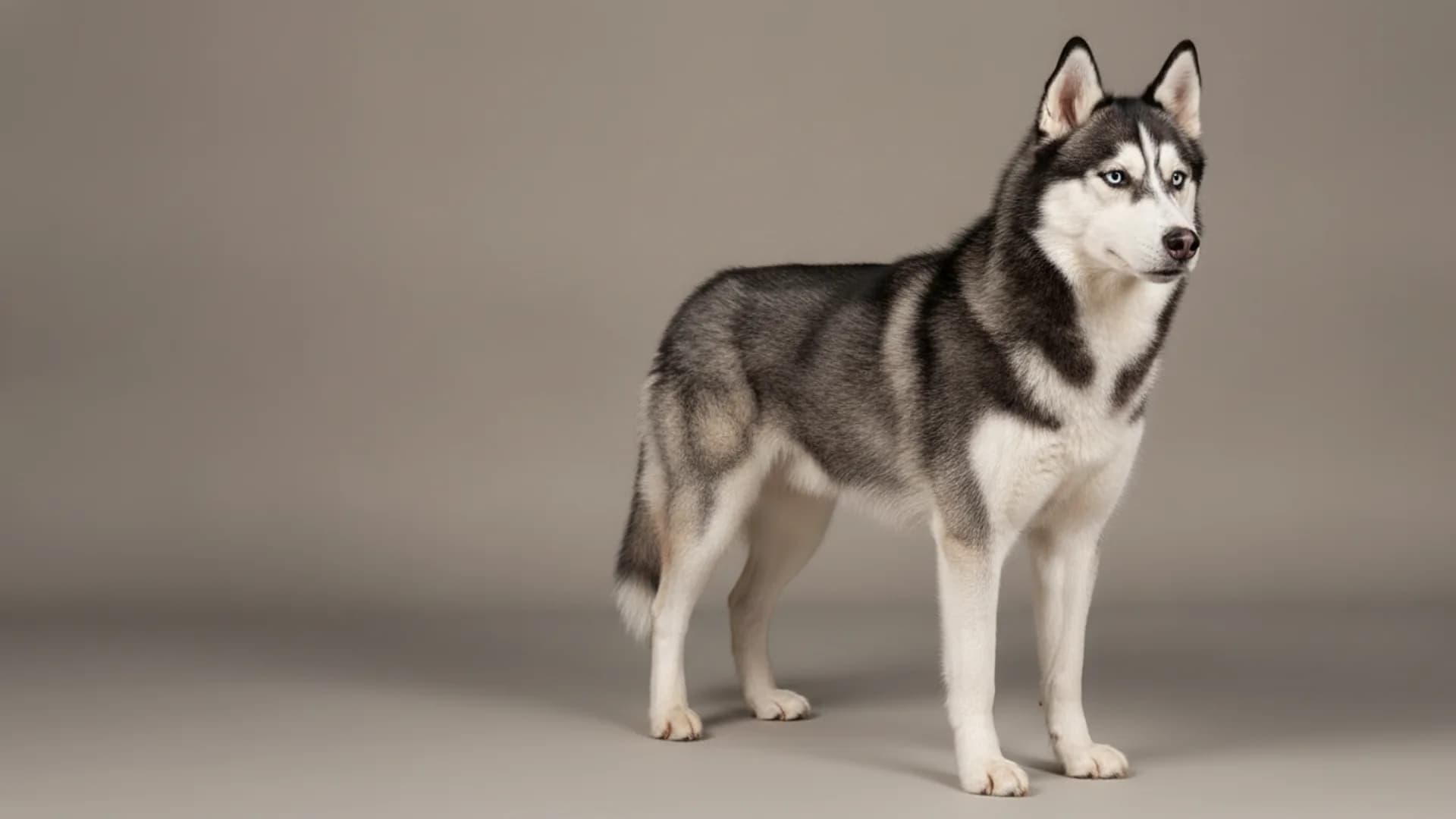
Siberian Husky
The Siberian Husky is the light, fast sled dog of the Chukchi people — bred to pull moderate loads over long distances at speed, not to haul weight. Everything about it, from the economical trot to the habit of vanishing over the horizon, follows from that job.
History
The Chukchi of far-eastern Siberia kept these dogs for winter travel across the tundra and sea ice, and the dogs lived close to the families that drove them. A Russian fur trader, William Goosak, brought them to Nome in 1908, where locals called the small imports 'Siberian Rats' until they came to dominate the All Alaska Sweepstakes. Leonhard Seppala, a Norwegian musher who raced there from 1909, became their foremost breeder.
The breed's name was made in the winter of 1925, when twenty mushers relayed diphtheria antitoxin to Nome, the last stretch in near-blizzard conditions. Balto led the final team into town and got the statue in Central Park; Togo, Seppala's leader, covered by far the longest and most dangerous stretch. The American Kennel Club recognised the Siberian Husky in 1930, and today's registered dogs descend almost entirely from the last Siberian imports of that year and from Seppala's dogs, Togo above all.
Temperament
A Husky likes everybody. It does not attach itself to one person, does not guard, and will welcome a burglar as cheerfully as a friend. It is playful and inventive, with a strong sense of mischief.
It was bred to live and work in a team, so it wants company — canine, human or both — and a single Husky left to itself is usually an unhappy one. With children it is good-natured and rarely snappy. Small animals are another matter: the hunting instinct is strong, and cats, rabbits and poultry are at real risk unless the dog was raised with them, and sometimes even then.
Living with the breed
The first thing a new owner learns is that the garden is not secure. Huskies go over fences, under them and through gaps nobody had noticed, and a dog that gets out keeps running in a straight line. The second is the voice. It seldom barks, but it howls, yodels and grumbles in long conversational phrases, and a group will sing together.
It is a fastidious dog. Many have blue eyes, or one blue and one brown, both of which the breed standard accepts. It can live in a warm climate if it has shade and is exercised in the cool of the morning and evening, but a hot afternoon is no time to run one.
Care and training
This is an endurance athlete. A stroll round the block does nothing for it; an adult wants to run, and sports that let it pull — skijoring, bikejoring, carting or a real sled — suit it far better than fetching a ball. Off-lead freedom in open country is a gamble few experienced owners take.
It learns quickly and then decides whether the request is worth obeying, so training has to be made interesting and kept short. The undercoat comes out in great woolly clumps when the dog sheds, and daily brushing during that time saves the vacuum cleaner. The coat should never be shaved, because it insulates against heat as well as cold.
Health
The breed's inherited problems are concentrated in the eyes. Hereditary cataracts can cloud the lens while a dog is still young, corneal dystrophy leaves an opaque deposit on the surface of the eye, and progressive retinal atrophy is a gradual degeneration of the retina that leads to blindness. Breeders have their dogs' eyes examined by a specialist, and hips are scored for dysplasia, which is less common here than in many breeds of similar size.
Huskies are also among the breeds prone to a zinc-responsive skin condition, which shows as crusting around the eyes and mouth.
Who it suits
It suits runners, skiers, hikers and anyone who wants a dog to pull something, and it does best in a home with another dog and a fence built with the breed in mind. People charmed by the wolfish looks but hoping for an obedient companion that stays close on a walk, or anyone whose dog must share a house with free-roaming small pets, should look elsewhere.
Questions
Can a Husky be let off the lead?
Rarely with any safety. The breed was selected to run forward for hours, not to turn back when called, and even well-trained individuals ignore a recall once something interesting appears. Most owners use a long line, a harness and securely enclosed fields instead.
Do Huskies bark a lot?
No, barking is unusual. What they do instead is howl, whine and 'talk' in drawn-out wails, sometimes in answer to a siren or to their owner's voice. Neighbours may find the howling of a lonely Husky harder to live with than barking.
Are Huskies good with children?
Generally yes. The breed is friendly, tolerant and not possessive, and it enjoys the noise of a busy household. Its energy is the difficulty: an under-exercised young Husky is boisterous enough to send a small child flying, so the dog's daily run comes first.
Why do some Huskies have blue eyes?
Blue eyes are a normal trait in the breed, accepted by the standard alongside brown, and odd or parti-coloured eyes do not affect a dog's sight. A Husky may have two blue eyes, two brown, one of each, or a single eye split between the two colours.
Can a Husky live with a cat?
Sometimes, but it should never be assumed. A Husky raised from puppyhood with a confident cat may accept that particular animal while still chasing strange ones outdoors. An adult with no history around cats is a poor bet, and the two should not be left alone together.
Characteristics
- Origin
- Russia
- Size
- Large
- Weight
- 16–27 kg
- Height
- 51–60 cm
- Lifespan
- 12–14 yr
- Group
- Working
Traits
- Affection
- Energy
- Intelligence
- Shedding
- Grooming
- Good with kids
Similar breeds
Dogs with a comparable size, coat and temperament.
| Breeds | Size | Weight | Height | Lifespan | Coat |
|---|---|---|---|---|---|
| Siberian Husky | Large | 16–27 kg | 51–60 cm | 12–14 yr | — |
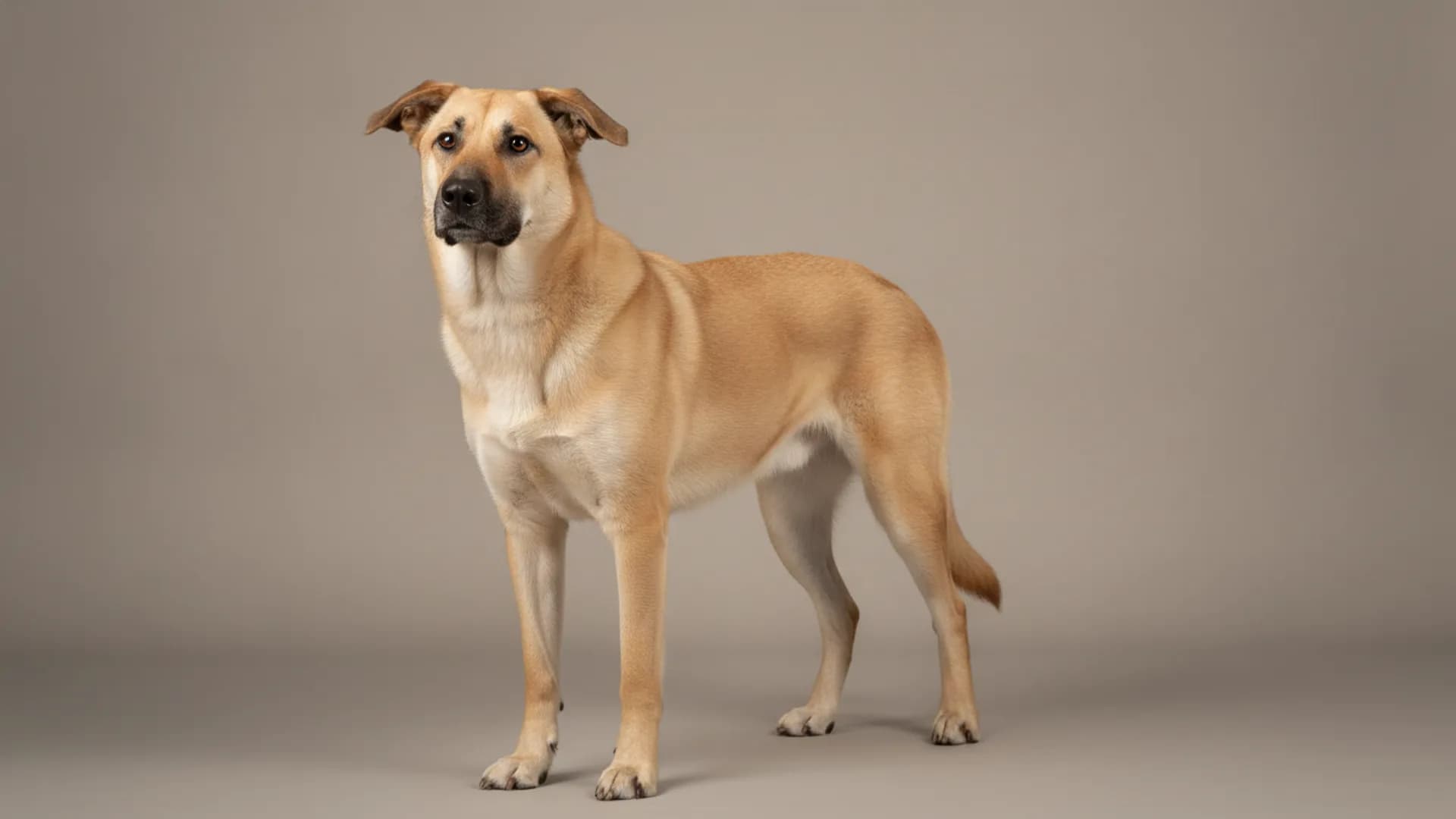
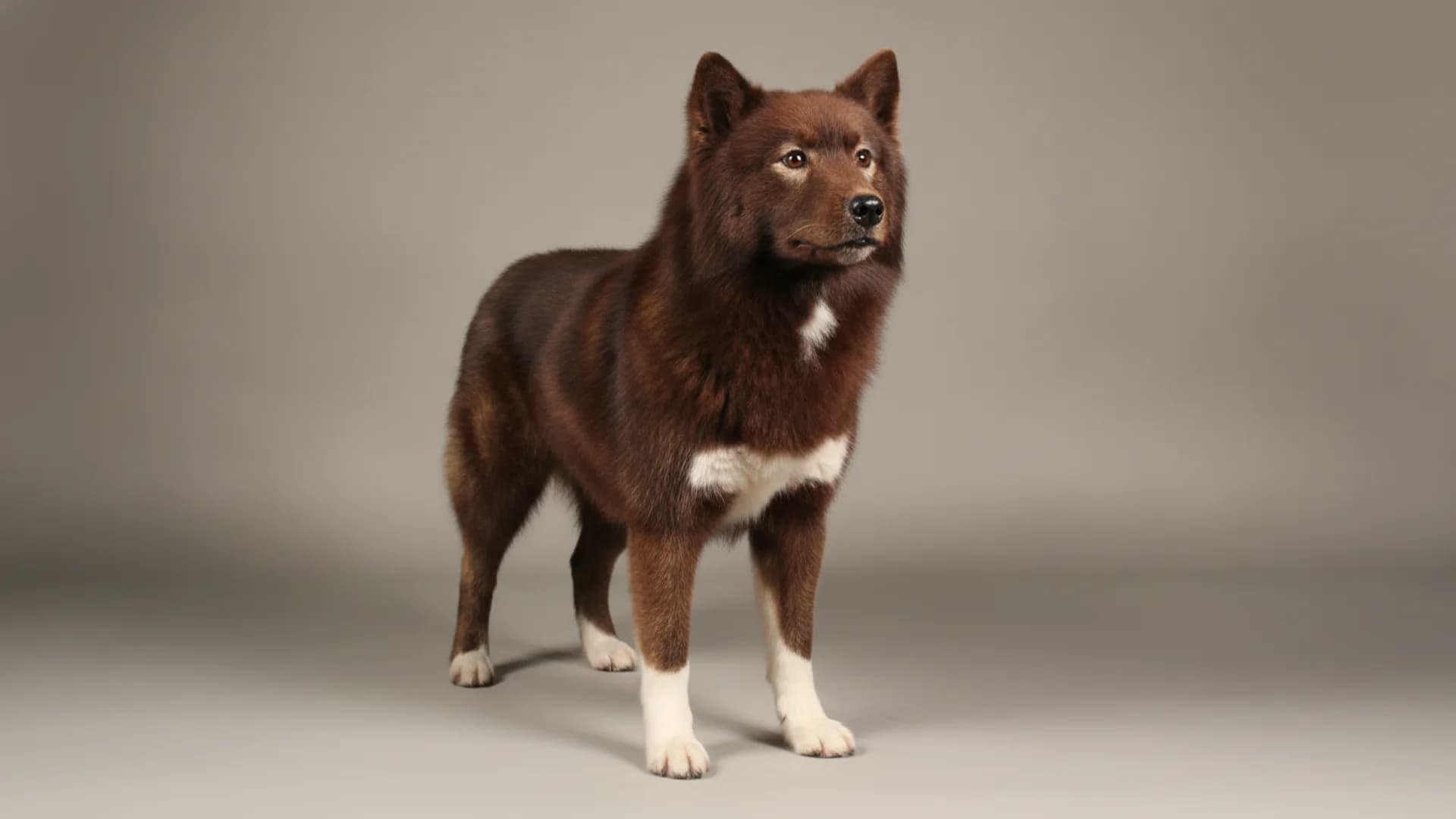
| Kamchatka Sled Dog | Large | 18–40 kg | 51–66 cm | 10–15 yr | — |
| Chinook | Large | 23–41 kg | 53–66 cm | 12–15 yr | — |
| Sakhalin Husky | Large | 25–40 kg | 51–66 cm | 12–15 yr | — |
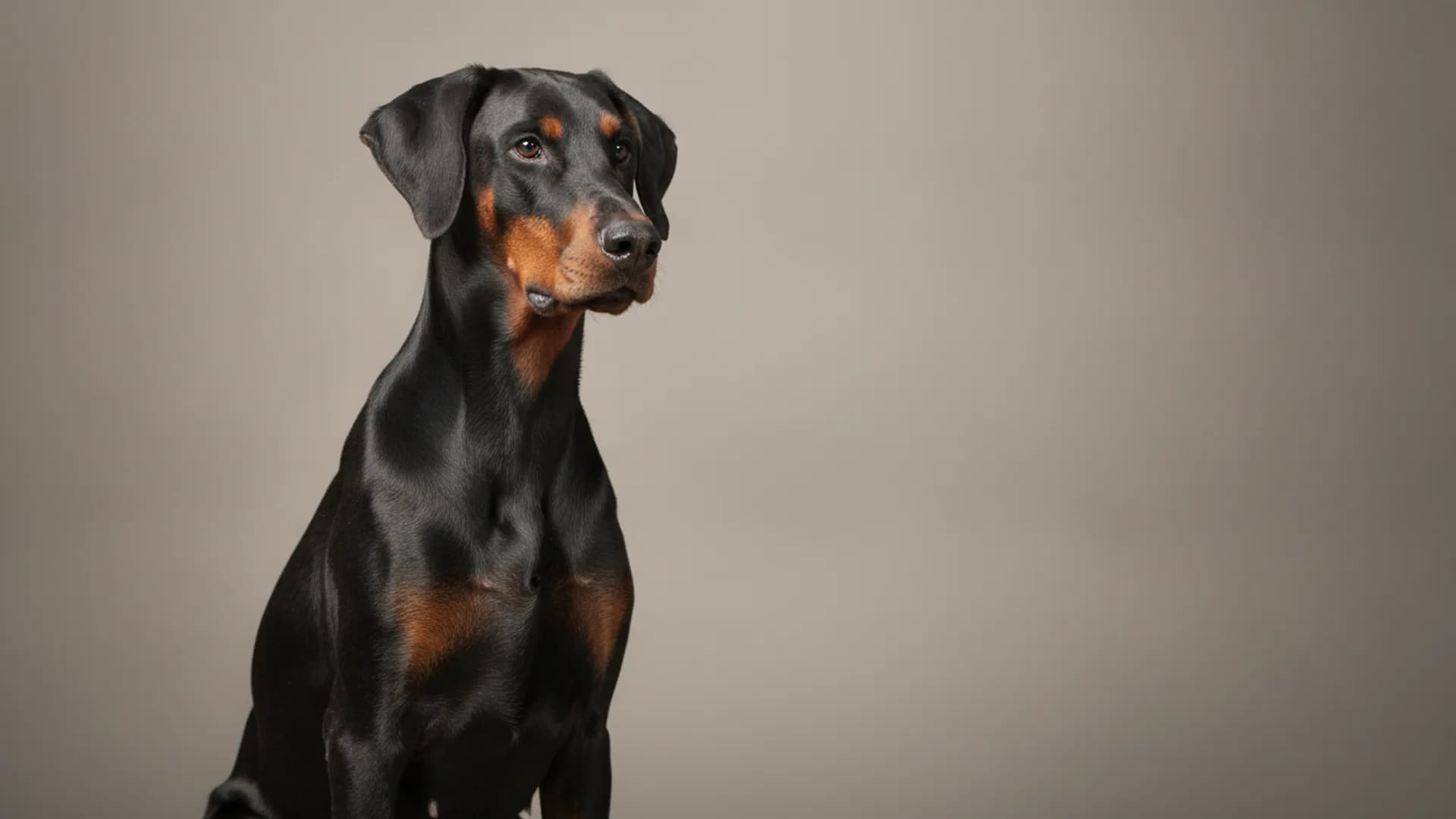
| Dobermann | Large | 27–45 kg | 61–71 cm | 10–12 yr | Short |