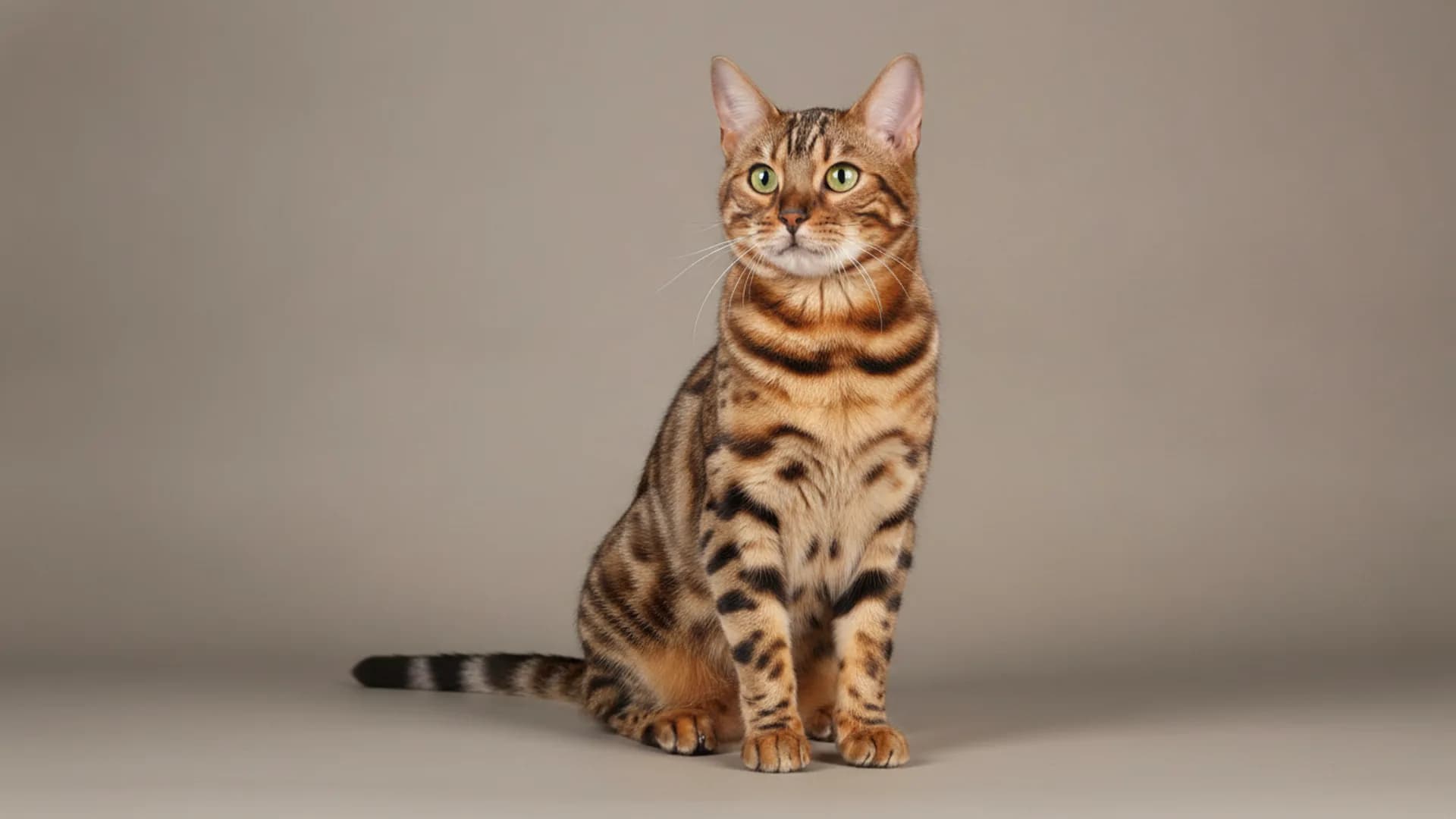
Bengal Cat
The Bengal is a hybrid of the domestic cat and the Asian leopard cat, bred for a wild coat on an animal that lives indoors.
History
The breed takes its name from the leopard cat's scientific name, Prionailurus bengalensis, not from the tiger or the region. Jean Mill, a Californian breeder, made her first cross between a female leopard cat and a domestic tom in 1963. Her sustained programme came later, using hybrids obtained from Dr Willard Centerwall, who had been crossing the two species for research into feline leukaemia, and domestic cats including the Egyptian Mau.
First-generation males are generally infertile, so the early work proceeded through hybrid females mated back to domestic males. The International Cat Association gave the Bengal full championship status in 1991, and other registries followed over the next decades. By the fourth generation from the wild ancestor a Bengal is generally regarded as a domestic cat. The law varies widely: Britain dropped its licensing requirement for the breed in 2007, while Hawaii and Connecticut prohibit Bengals outright, New York City bans them, several other states regulate the early generations, and Australia stopped imports in 2025 — so the rules where the cat will live should be checked before anything else.
Temperament
A Bengal is busy from the moment it wakes. It wants to know what is in the cupboard, what is behind the washing machine and what its owner is holding, and it will use paws, teeth and persistence to find out. It bonds closely with its household and follows people about, though as a participant more than a lap-sitter.
It has a wide vocabulary — chirps, yowls and a loud demanding call. Confident children who like active games get on well with it; very small children can find it too intense. It usually does best with another energetic cat or a playful dog. Small pets such as hamsters, birds and fish are not safe in the same house, because the hunting drive is strong.
Living with the breed
Shelves get cleared, taps get turned on, doors get opened. Bengals learn lever handles and cupboard catches quickly, and many are drawn to running water enough to join their owners in the shower or fish in the toilet. Height is a need, not a luxury: tall cat trees, wall shelves and access to the tops of furniture keep the cat off the curtains.
Left with nothing to do, a Bengal becomes noisy and destructive. Letting a Bengal roam freely is generally advised against; a secure outdoor enclosure or harness walks are the usual compromise. The coat itself is one of the pleasures — short, sleek as a pelt, spotted with rosettes or swirled in a marbled pattern, and in some cats dusted with a metallic sheen breeders call glitter.
Care
Coat care takes a minute a week with a rubber mitt or a hand. The effort goes into exercise for body and brain. Two or three vigorous play sessions a day with a wand toy that lets the cat sprint and leap, a large exercise wheel if there is room, and meals delivered through puzzle feeders or hidden about the house are a normal regime.
Bengals are among the easier cats to train. Clicker work, retrieving, coming to a call and walking on a lead all give the mind something to chew on. Starting harness training in kittenhood pays off, as does teaching early that hands are not prey — a habit of rough play is tiresome in a kitten and painful in a muscular adult.
Health
There are DNA tests for two inherited diseases in the breed. One is a progressive retinal atrophy particular to Bengals, in which the light-sensitive cells of the eye die off and sight is lost in early adulthood. The other is pyruvate kinase deficiency, a shortage of an enzyme red blood cells need, which leads to anaemia that may come and go.
Hypertrophic cardiomyopathy, the thickening heart-muscle disease found across many pedigree cats, occurs too; no genetic test exists for Bengals, so breeders rely on regular heart scans of their breeding cats. A buyer should expect to see paperwork for all three.
Who it suits
It suits experienced, energetic owners who want to interact with a cat every day and can give it a house arranged around climbing and play. It does not suit a quiet home, a full-time absent owner, a household with caged pets, or anyone who mainly liked the photograph.
Questions
Are Bengal cats legal to own?
It depends on where and on the generation. Later-generation Bengals are treated as ordinary domestic cats in most places, and Britain no longer licenses the breed, but Hawaii, Connecticut and New York City prohibit it and several American states regulate the early generations. Local law should be checked before a deposit is paid.
Are Bengals wild or aggressive?
A properly bred, well-socialised Bengal from the fourth generation onwards is a domestic cat in temperament, not a wild one. What people mistake for aggression is usually energy with no outlet: an under-exercised Bengal plays roughly, ambushes ankles and wrecks things.
Do Bengal cats like water?
Many do, to an unusual degree. They paw at running taps, drop toys in their water bowl, wade into baths and sometimes join a person in the shower.
Can a Bengal be an indoor cat?
Yes, if indoors is made interesting enough. That means vertical territory, daily hard play and preferably a companion animal or an outdoor enclosure. A Bengal confined to a bare flat and left alone all day will make its dissatisfaction obvious.
What is the "glitter" on a Bengal's coat?
It is an iridescent shimmer caused by the way light is reflected at the tips of the hairs, so that the coat looks dusted with gold or, on the pale snow varieties, with pearl. Not every Bengal has it, and it shows best in good light.
Characteristics
- Origin
- United States
- Size
- Large
- Weight
- 4–7 kg
- Lifespan
- 12–16 yr
- Coat
- Short
Traits
- Affection
- Energy
- Intelligence
- Shedding
- Grooming
- Good with kids
Similar breeds
Cats with a comparable build, coat and temperament.
| Breeds | Size | Weight | Lifespan | Coat |
|---|---|---|---|---|
| Bengal Cat | Large | 4–7 kg | 12–16 yr | Short |
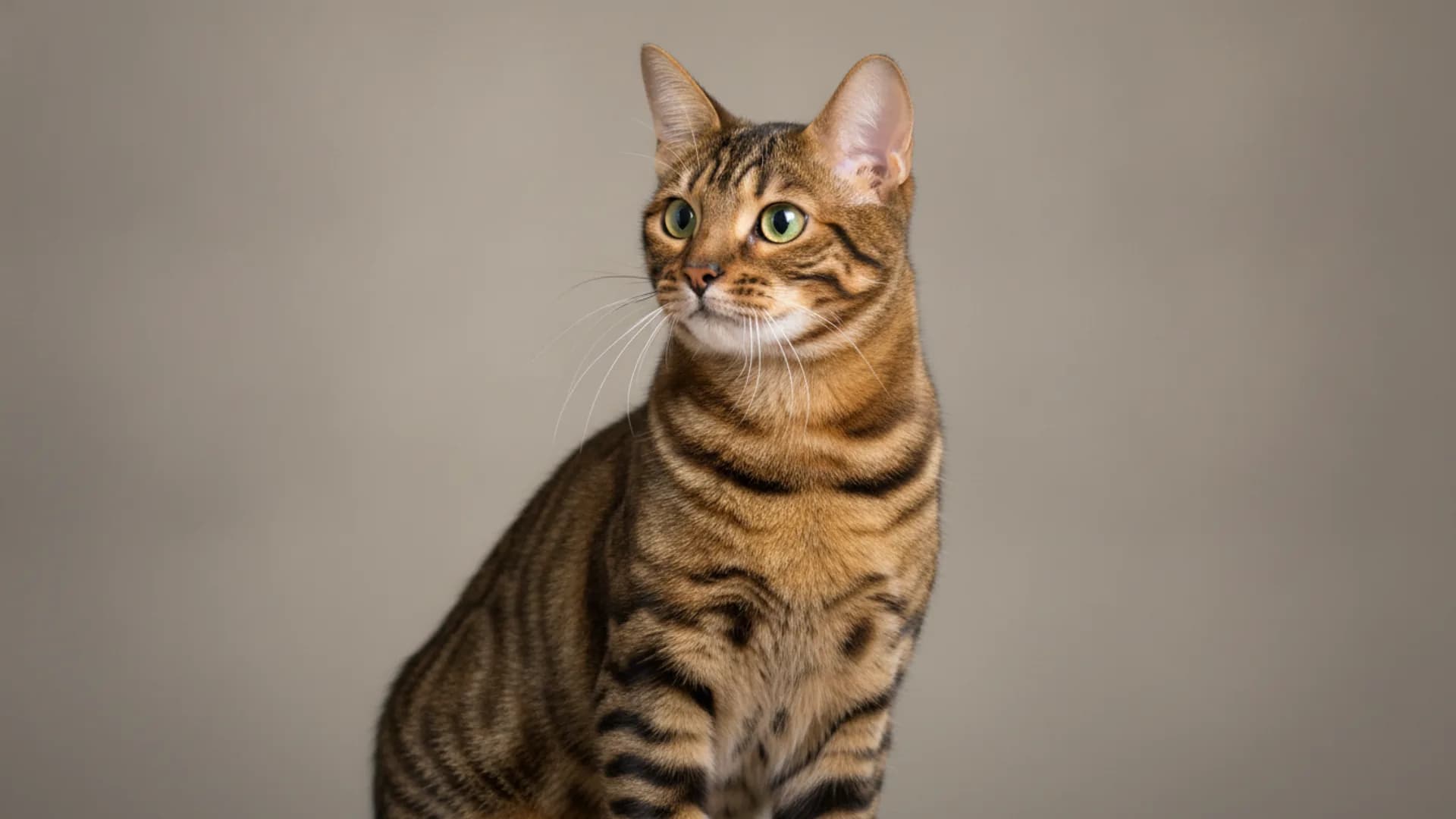
| Toyger | Large | 3–7 kg | 12–15 yr | Short |
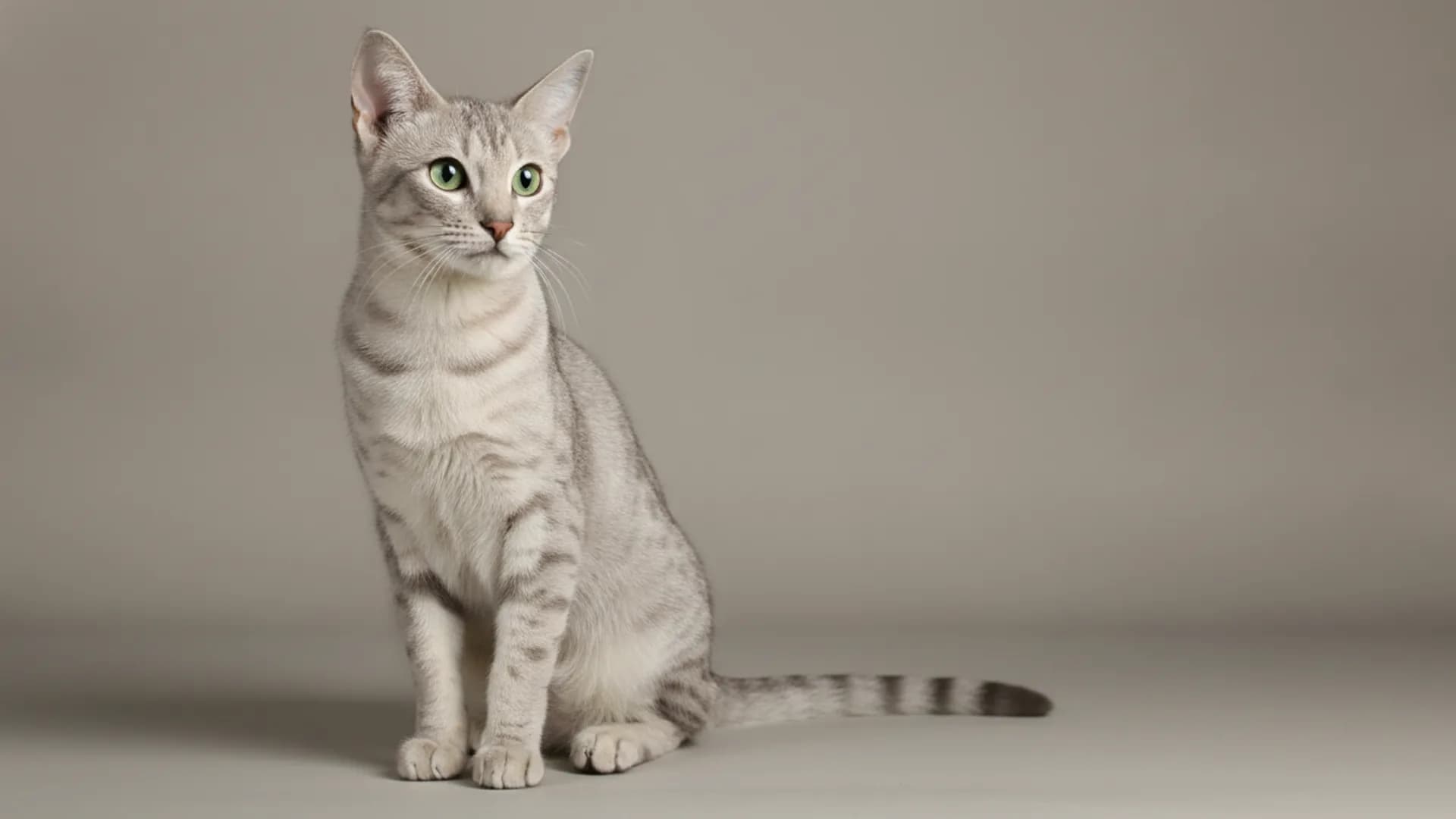
| Ocicat | Large | 3–7 kg | 12–14 yr | Short |
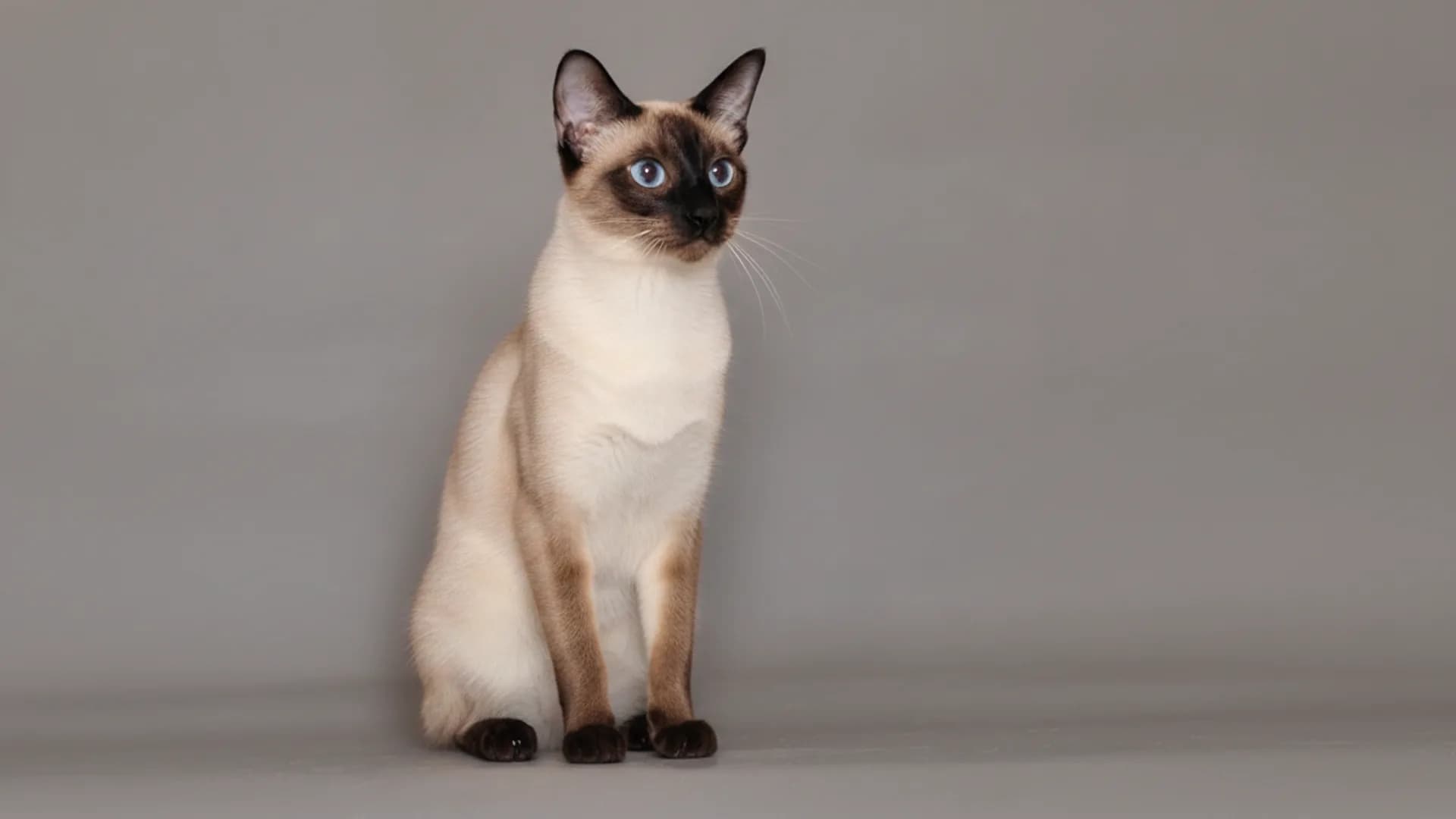
| Siamese | Large | 4–7 kg | 12–15 yr | Short |
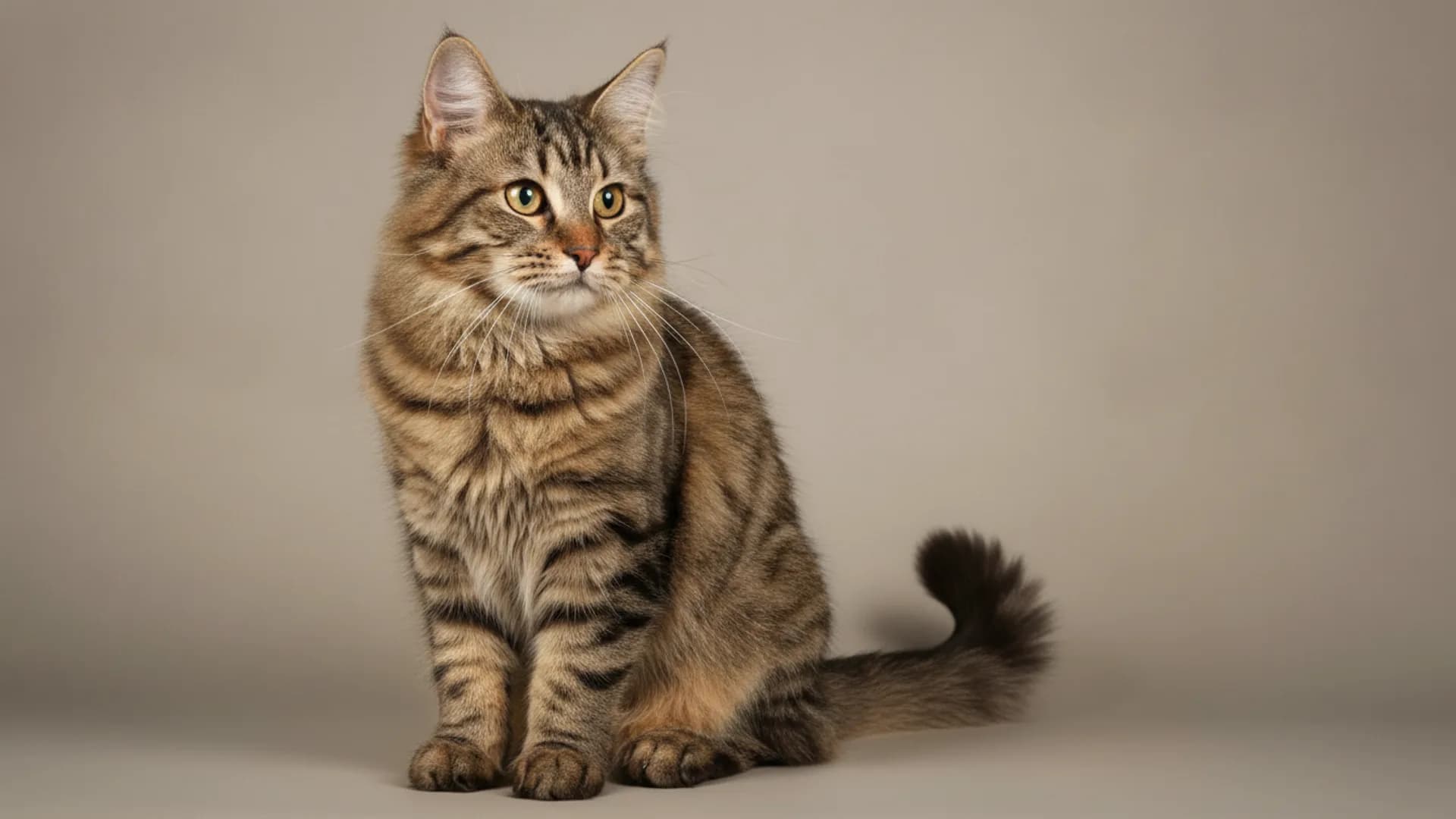
| American Bobtail | Large | 3–7 kg | 11–15 yr | Short |