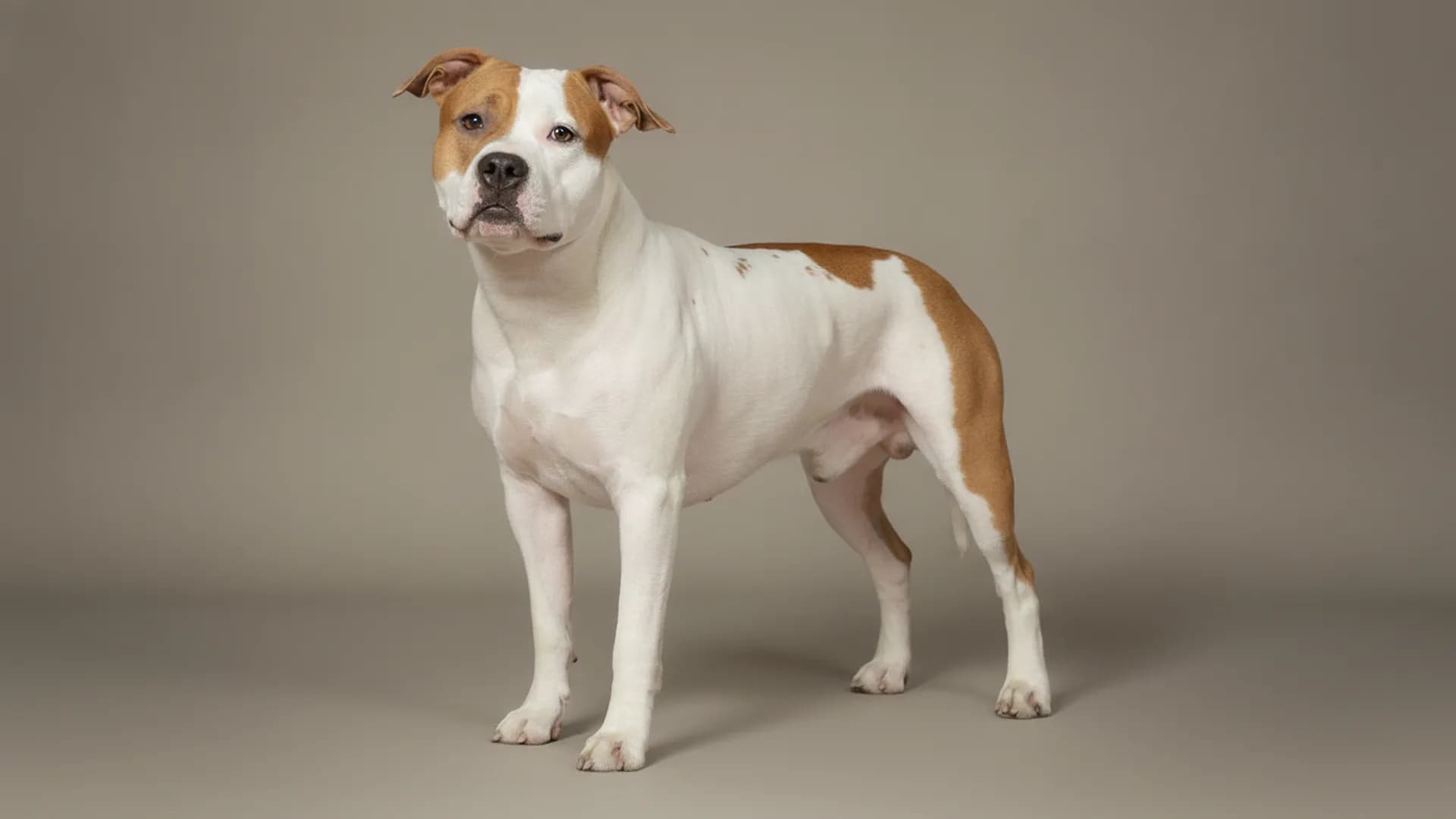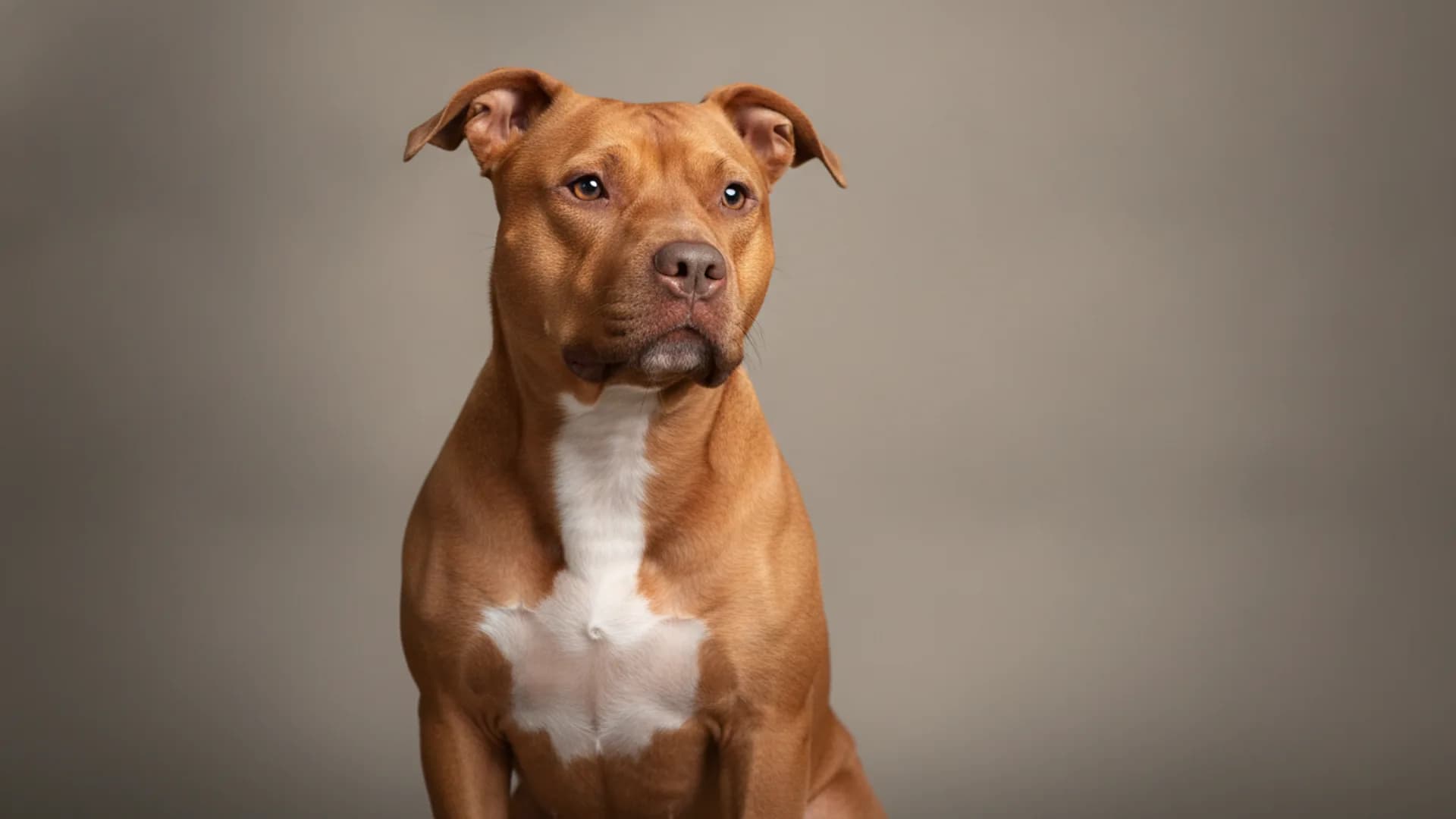
American Pit Bull Terrier
The American Pit Bull Terrier is a bull-and-terrier breed from the United States, and a dog restricted by law in many countries.
History
Its ancestors were the fighting and baiting dogs of Britain and Ireland, crosses of bulldog and terrier that immigrants took to America in the nineteenth century. There the dogs were matched in the pit, but they were also everyday working animals: they caught semi-wild cattle and hogs, hunted, drove livestock and lived with the family. When Chauncey Bennett founded the United Kennel Club in 1898, the American Pit Bull Terrier was the first breed it registered. The American Dog Breeders Association, set up in 1909, registers it too. The American Kennel Club never has.
Dog fighting is now a crime throughout the United States, and the breed's link to it has shaped the law. Britain's Dangerous Dogs Act 1991 prohibits dogs of pit bull terrier type; Ontario, Denmark and others have their own bans, and Germany, Australia and New Zealand bar imports. Many American cities passed restrictions, though some have since repealed them, as Denver's voters did in 2020.
Temperament
The registries have long asked for a dog that is safe with people: the UKC standard describes strength, confidence and eagerness to please, and the ADBA treats aggression towards humans as a disqualification. The typical dog is confident, outgoing and keen on human company, often to the point of exuberance.
The other half of that inheritance is "gameness", the determination to keep going at a task whatever the cost, and in some lines a readiness to fight other dogs. It varies a great deal between individuals and may not show until the dog is mature. Owners need to see their own dog clearly instead of trusting either its reputation or its defenders.
Living with the breed
Before any practical question comes the legal one: whether the dog may be kept at all where the owner lives, and on what terms. Where it is allowed, tenancy agreements and home insurance often exclude it.
In the house it is a lean, short-coated, people-focused dog that wants a lap and a blanket and feels the cold. Outdoors it is a remarkable athlete — it climbs, jumps and digs, so fences have to be tall, solid and sunk at the base. It should not be left unattended in a garden or with other dogs. A second difficulty is the word itself: "pit bull" is used loosely for several breeds and countless crossbreeds, and a shelter label based on looks says little about ancestry.
Care and training
This is a high-drive dog that needs hard daily exercise and a task for its mind. Weight pulling, agility, flirt poles, spring poles and long hikes all suit it. The coat needs almost nothing.
It is intelligent, tough and anxious to please, a combination that responds well to reward-based training. Impulse control comes first: settling on a mat, dropping a tug toy at once, walking past other dogs on a loose lead. Socialising goes on through adolescence and beyond. Muzzle training, done kindly with food, is useful anywhere the law may demand one.
Health
It is a hardy breed with a short list of recognised problems. Hip dysplasia, in which the joint is loose and wears, turns up, and the kneecap can slip out of its groove, a fault called patellar luxation. Skin trouble is the commonest complaint: allergies, and demodectic mange in young dogs. Degenerative myelopathy, a progressive weakness of the hind limbs, is recorded too. Thyroid trouble and congenital heart defects are also reported.
Careful breeders have hips evaluated before mating. The UKC standard accepts every colour except merle.
Who it suits
It suits an experienced, physically active owner in a place where the breed is lawful, with secure fencing and the patience to train daily and manage the dog around others. It is a poor choice for a first dog, for anyone who moves often or rents, and for people who want to let a dog run loose with strangers' pets.
Questions
Are pit bulls banned in the UK?
Yes. The Dangerous Dogs Act 1991 makes it illegal to own, breed, sell or give away a dog of pit bull terrier type, judged on physical characteristics, not pedigree. A court may exempt an individual dog, which must then be neutered, insured, and muzzled and on a lead in public.
Do pit bulls have locking jaws?
No. The skull and jaw of a pit bull are built like any other dog's, and there is no mechanism that locks. The belief comes from the breed's determination: a bull-and-terrier tends to grip and hold on where another dog would snap and let go.
Is a red-nose or blue-nose pit bull a separate breed?
No, these are colour descriptions. A red nose goes with a red or copper coat and is associated with an old Irish-derived strain, the Old Family Red Nose; "blue nose" is likewise a colour label. Neither is a breed, despite what advertisements claim.
Are pit bulls good with children?
Many are — the breed is generally fond of people and tolerant of handling. Its strength and energy mean an adult must always supervise, as with any powerful dog, and a child should never be the one holding the lead.
What is the difference between a pit bull and an American Staffordshire Terrier?
Mainly the registry and the breeding goal. Both come from the same American bull-and-terrier stock. The AKC recognised its dogs as Staffordshire Terriers in 1936 and bred them for the show ring; the ADBA's pit bulls in particular have stayed lighter and less bulky.
Characteristics
- Origin
- United States
- Size
- Large
- Weight
- 14–27 kg
- Height
- 43–53 cm
- Lifespan
- 12–16 yr
- Group
- Terrier
Travelling abroad
Countries where this breed is restricted or banned:
- Ireland — Restricted
Similar breeds
Dogs with a comparable size, coat and temperament.
| Breeds | Size | Weight | Height | Lifespan | Coat |
|---|---|---|---|---|---|
| American Pit Bull Terrier | Large | 14–27 kg | 43–53 cm | 12–16 yr | — |
| American Staffordshire Terrier | Large | 22.7–36.3 kg | 42.9–47.8 cm | 12–16 yr | — |
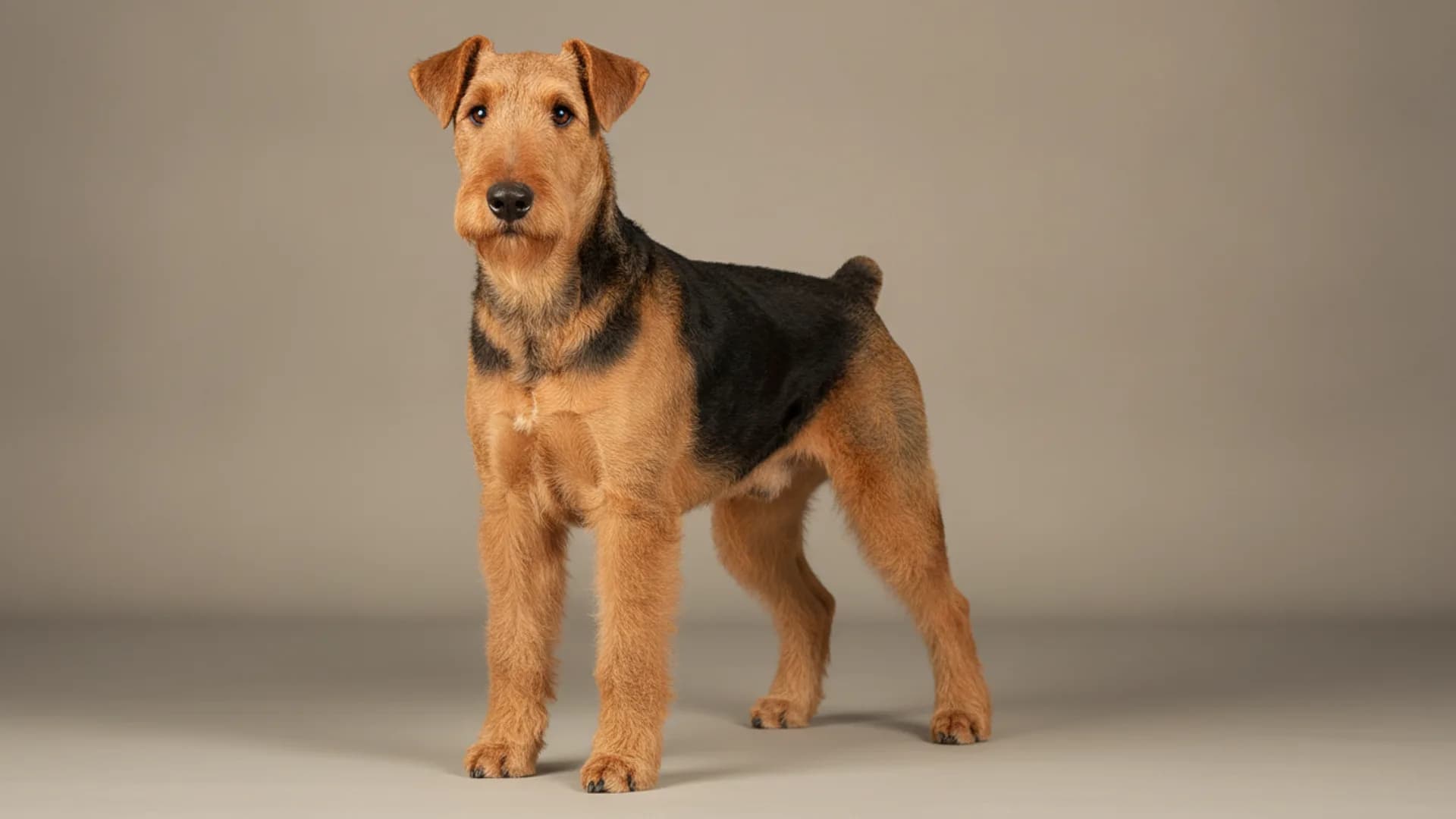
| Airedale Terrier | Large | 18–32 kg | 56–61 cm | 11–14 yr | — |
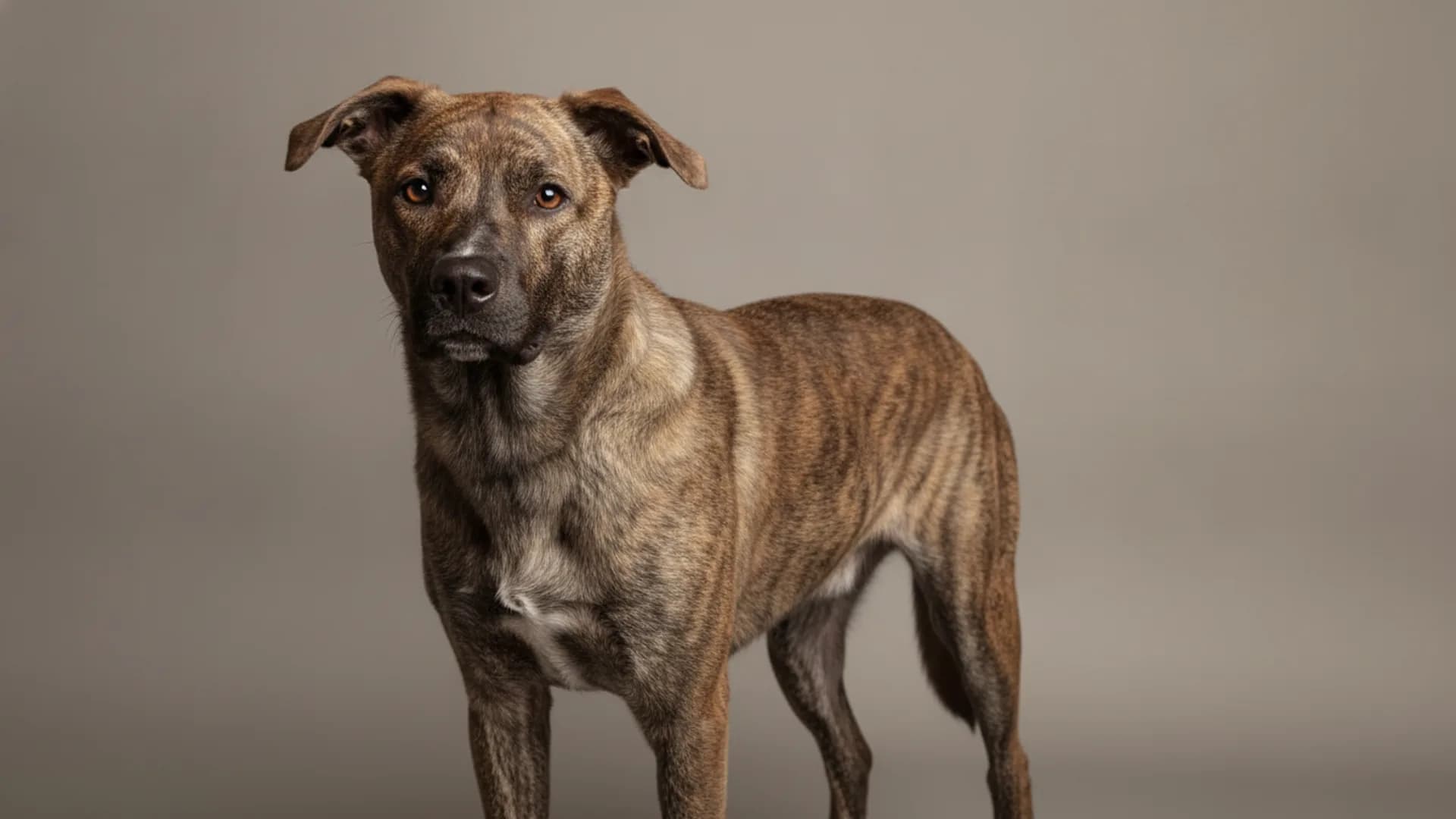
| Mountain Cur | Large | 13.6–27.2 kg | 41–66 cm | 12–16 yr | — |
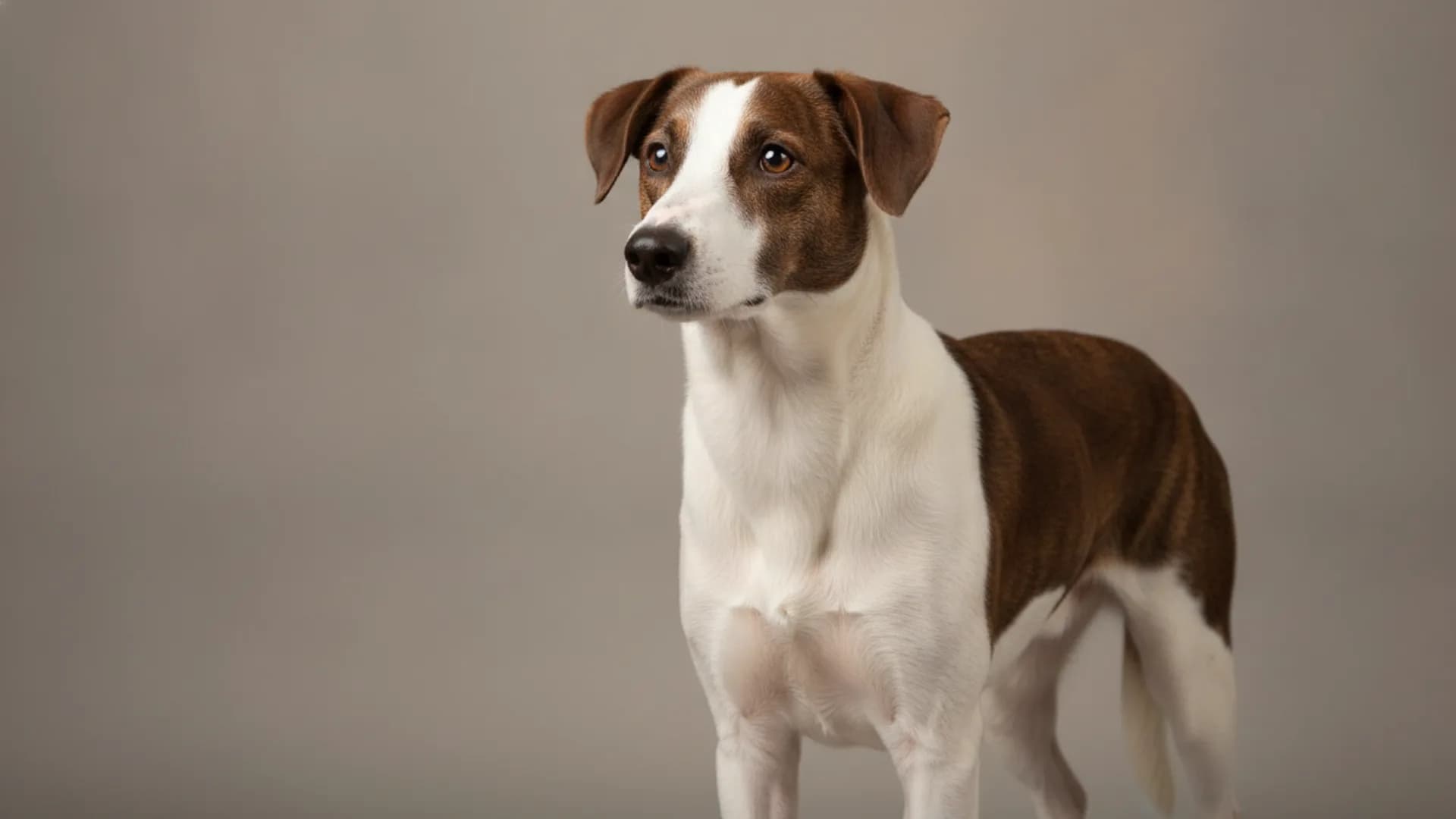
| Treeing Cur | Large | 13.6–27.2 kg | 45.7–61 cm | 10–16 yr | Short |