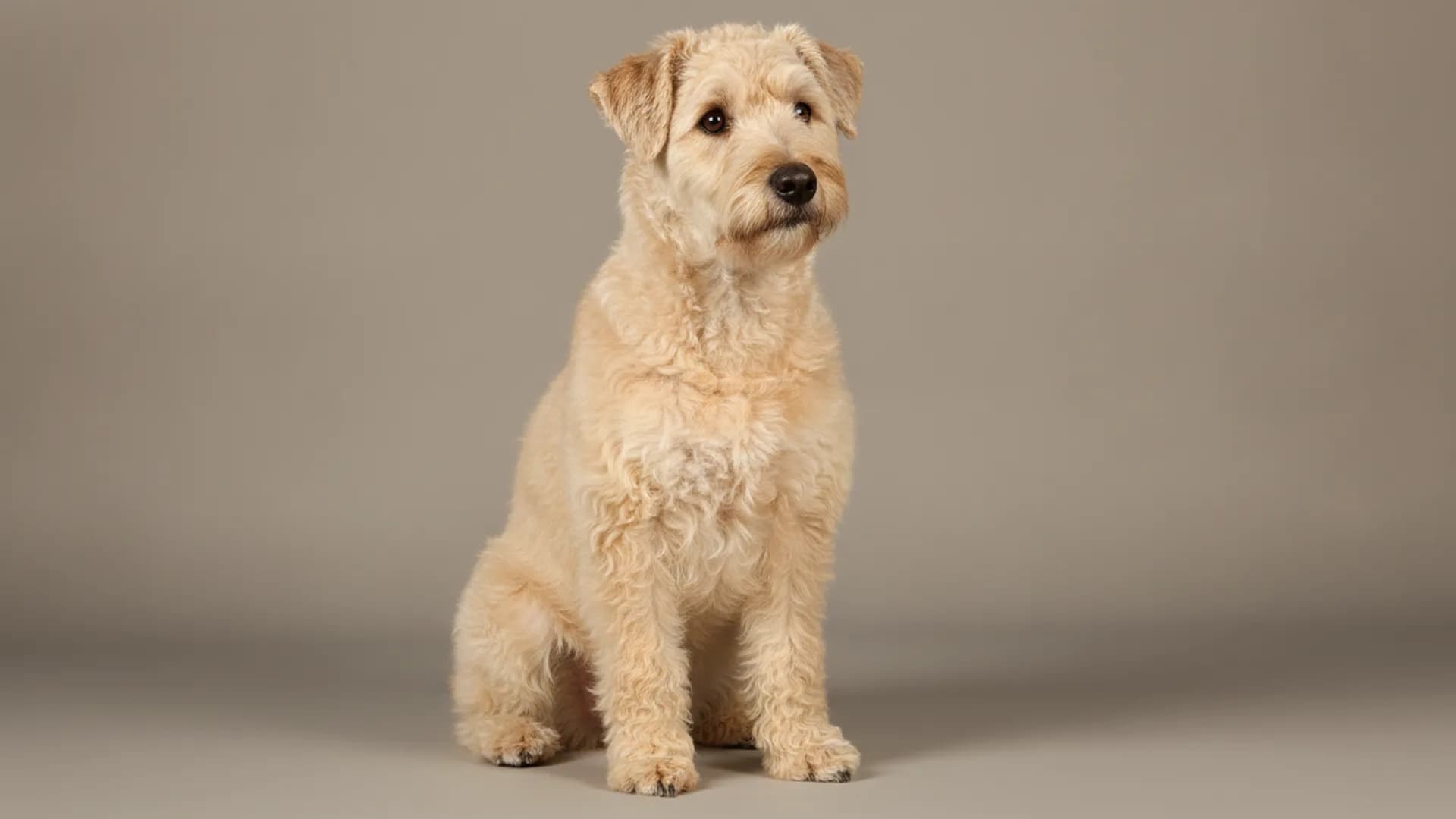
Soft Coated Wheaten Terrier
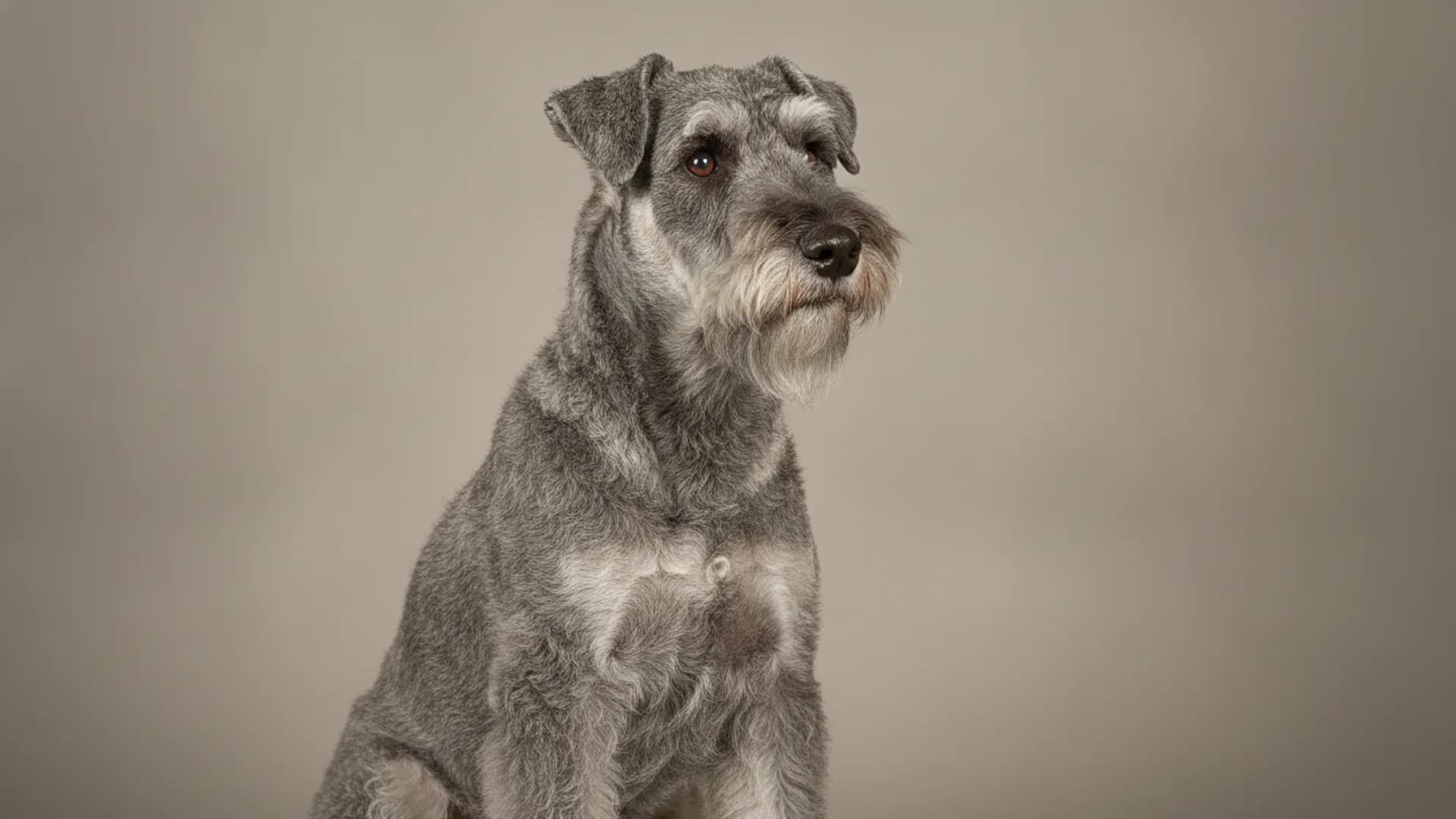
The Soft-Coated Wheaten Terrier is the Irish farm terrier with a silky wheat-coloured coat quite unlike any other terrier's. Owners shorten the name to Wheaten, and the coat that defines it is both its charm and its main chore.
History
For at least two centuries dogs of this kind were the all-rounders of small Irish farms. They herded and guarded livestock, kept the yard, cleared rats and went out after badger and otter, and because they belonged to people of modest means almost nothing was written about them. The Kerry Blue and the Irish Terrier share their ancestry, and some hold the Wheaten to be the forebear of both.
Formal recognition came late. The Irish Kennel Club admitted the breed only in 1937, the British Kennel Club followed in 1943, and the first exports reached the United States in the 1940s. American recognition waited until 1973.
Temperament
A Wheaten is a sunny, sociable dog that loves people without much selectivity. It is softer in manner than most of its terrier relations and less inclined to pick fights, though it keeps the breed group's persistence and its interest in anything small and fast. It barks to announce a caller and then treats the caller as a long-lost friend.
The welcome has a name — the 'Wheaten greetin'' — and consists of leaping straight up at face height, repeatedly. The breed keeps a puppy's exuberance for years, gets on well with children old enough to stay upright under the assault, and usually accepts other dogs. Cats it has not grown up with are likely to be chased.
Living with the breed
The coat does not moult in the ordinary way, so there is little hair on the furniture. Instead it works like a mop: leaves, twigs, burrs, snow and mud come indoors attached to the legs, and the beard carries water across the kitchen floor after every drink.
Wheatens want their people nearby and are unhappy when shut out or left for long stretches. They do not do well in hot weather under all that hair and are best walked early or late in summer. A flat is possible given enough exercise, but a fenced garden is easier. Buyers are often startled by the puppies, which are born dark — reddish-brown, frequently with a dark muzzle and ears — and pale gradually to the adult wheaten shade over the first couple of years.
Care and training
Grooming is the real commitment. The silky coat keeps growing instead of moulting and tangles close to the skin, so it must be combed right through every day or two, not skimmed over the surface, and trimmed every six to eight weeks. A neglected coat felts into mats that have to be shaved off. Two coat types exist: the Irish coat is silkier, wavier and thinner, while the heavier type common in Britain and America is denser and takes more work.
The dog needs a good hour of active exercise daily. In training it is bright and willing but easily distracted, and it wilts under harsh handling, so calm consistency and food rewards serve best. Keeping four feet on the floor when greeting people is the first lesson and the longest; a dependable recall is the second.
Health
Two protein-wasting diseases shape the breed's health picture. In protein-losing nephropathy the kidneys leak protein into the urine; in protein-losing enteropathy protein is lost through the wall of the gut. The two often occur together, the kidney form can come on late in life, and both are serious. A DNA test for gene variants associated with the kidney form is available, and conscientious breeders also run regular blood and urine checks on their breeding animals.
Renal dysplasia, in which the kidneys fail to develop normally, shows up in young dogs. Addison's disease, a shortage of hormones from the adrenal glands, is also on the list of the breed's known problems.
Who it suits
It is a dog for sociable, patient households — families with sturdy children, people who work from home, owners who do not mind a comb in the hand most evenings. Those who want a tidy house, a reserved dog or a low-maintenance coat should pass, as should anyone who would be embarrassed by a pet that hugs the visitors.
Questions
Do Wheaten Terriers shed?
Barely. Loose hair stays caught in the coat instead of dropping, so very little reaches the floor. That trapped hair is exactly what forms mats, so the comb replaces the vacuum cleaner.
What is the 'Wheaten greetin''?
It is the breed's habit of welcoming people by bouncing vertically and trying to lick their faces. Almost every Wheaten does it, and it can knock over a child or an elderly visitor. Teaching an alternative, such as sitting to be greeted, should begin on the first day home.
Why are Wheaten puppies dark?
Because the wheaten colour develops with age. Puppies are born a deep reddish-brown, often with dark muzzles and ears, and lighten in stages. The coat may look patchy during adolescence and usually settles to its adult shade by about two years old, sometimes later.
Are Wheaten Terriers good with children?
Yes, they are among the more child-friendly terriers. The breed is affectionate, playful and rarely sharp. Its bouncing can flatten small children, though, so the jumping needs training out and play with toddlers needs an adult present.
How often does a Wheaten need grooming?
Every day or two at home, and every six to eight weeks at the groomer. Combing has to reach the skin, with particular care behind the ears, under the legs and in the beard. Skipping a week is usually enough to produce mats.
Characteristics
- Origin
- Ireland
- Size
- Medium
- Weight
- 14–18 kg
- Height
- 43–48 cm
- Lifespan
- 12–15 yr
- Group
- Terrier
Traits
- Affection
- Energy
- Intelligence
- Shedding
- Grooming
- Good with kids
Similar breeds
Dogs with a comparable size, coat and temperament.
| Breeds | Size | Weight | Height | Lifespan |
|---|---|---|---|---|
| Soft Coated Wheaten Terrier | Medium | 14–18 kg | 43–48 cm | 12–15 yr |
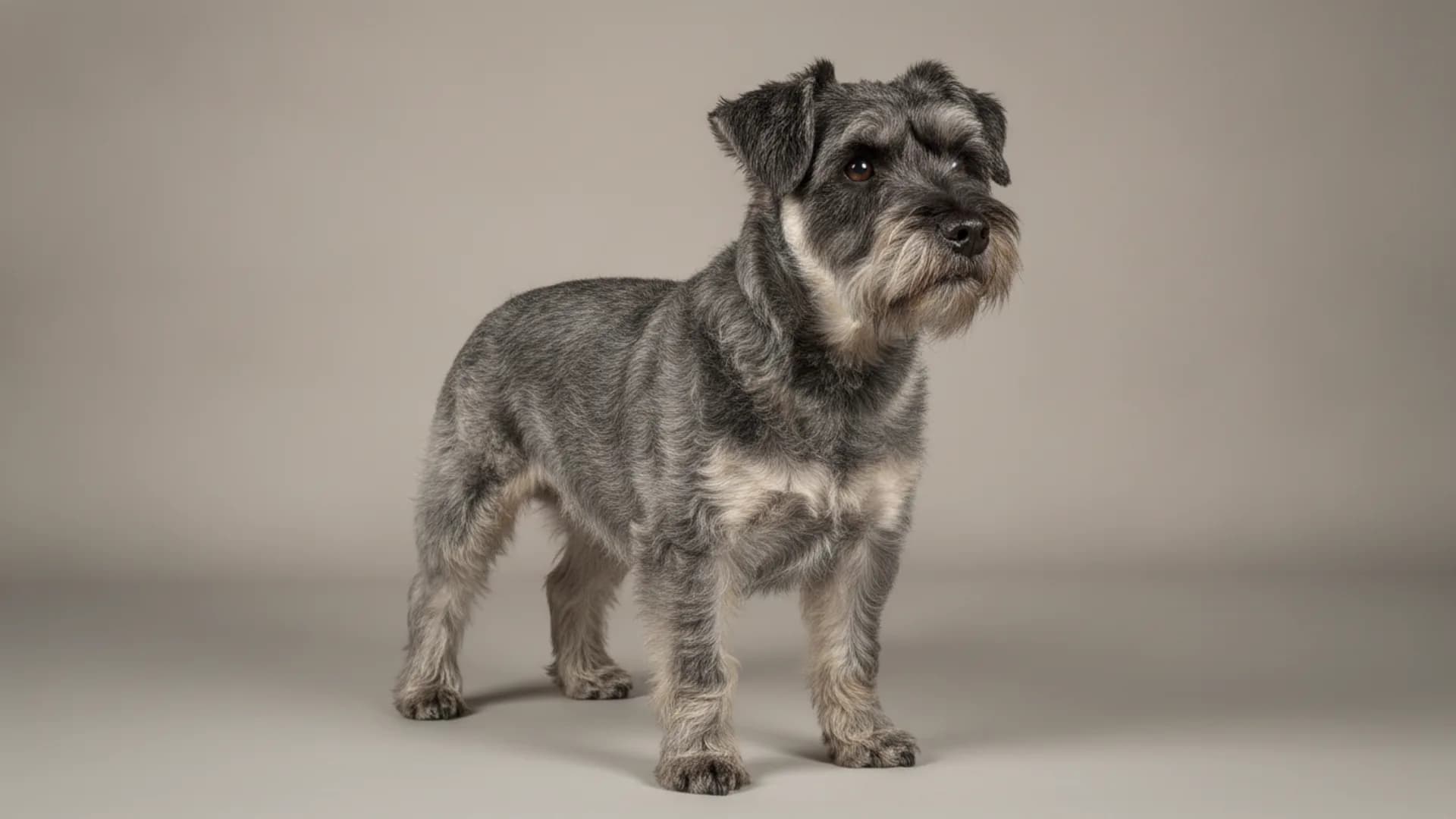
| Kerry Blue Terrier | Medium | 12–15 kg | 46–48 cm | 12–15 yr |
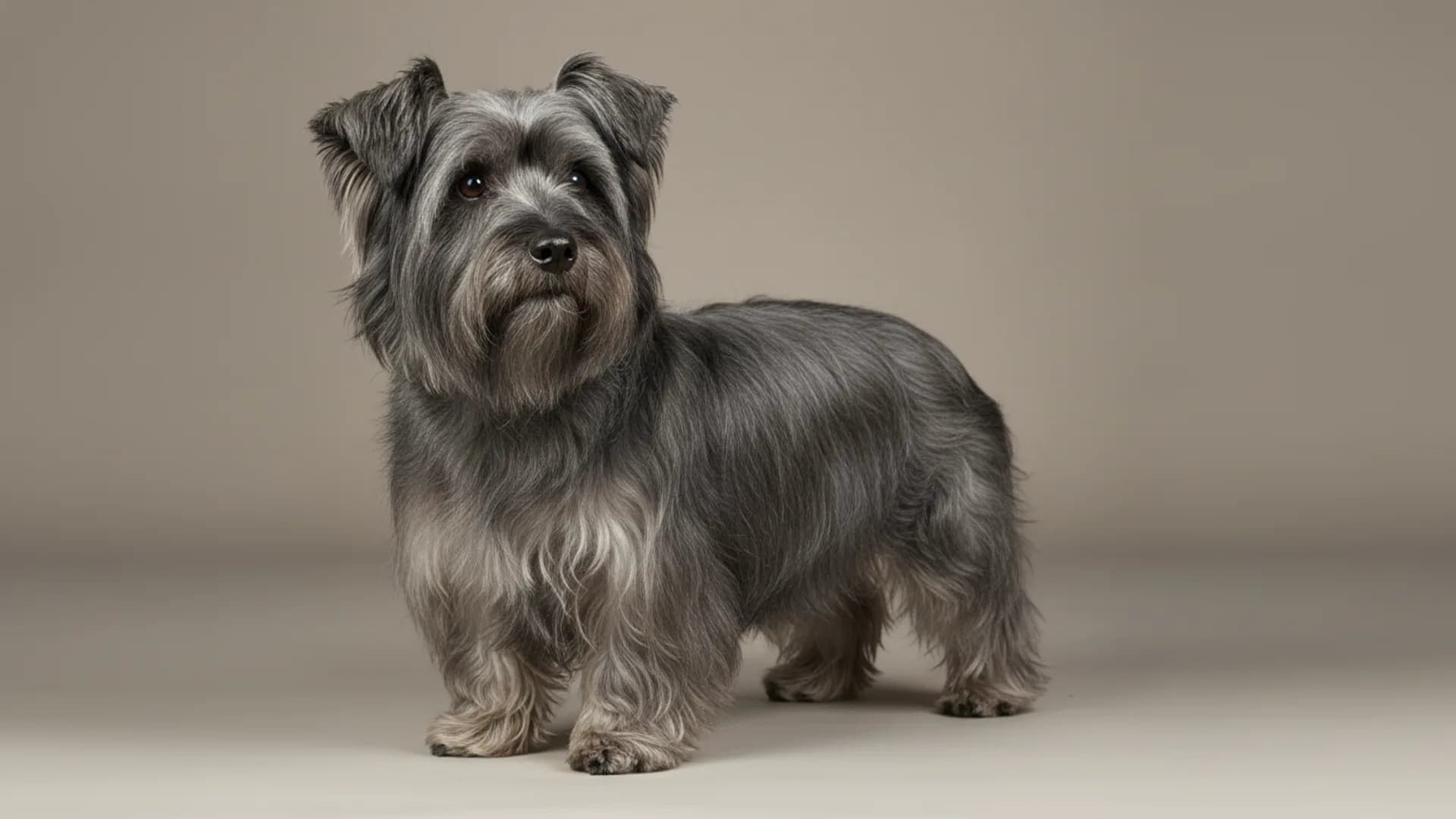
| Glen of Imaal Terrier | Medium | 14–18 kg | 32–36 cm | 10–15 yr |
| Skye Terrier | Medium | 12–18 kg | 23–27 cm | 12–14 yr |
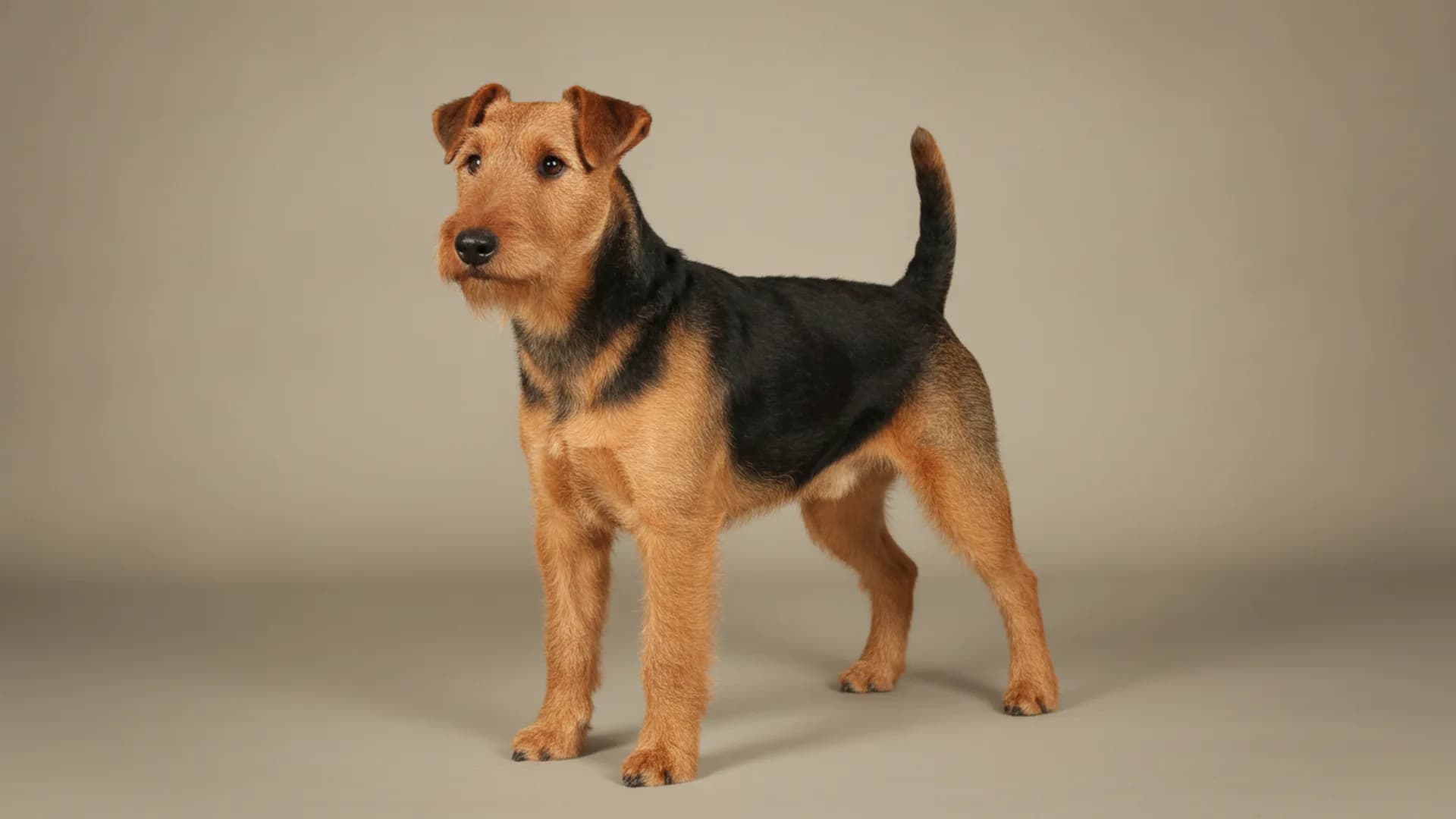
| Welsh Terrier | Medium | 9–10 kg | 38–39 cm | 12–15 yr |