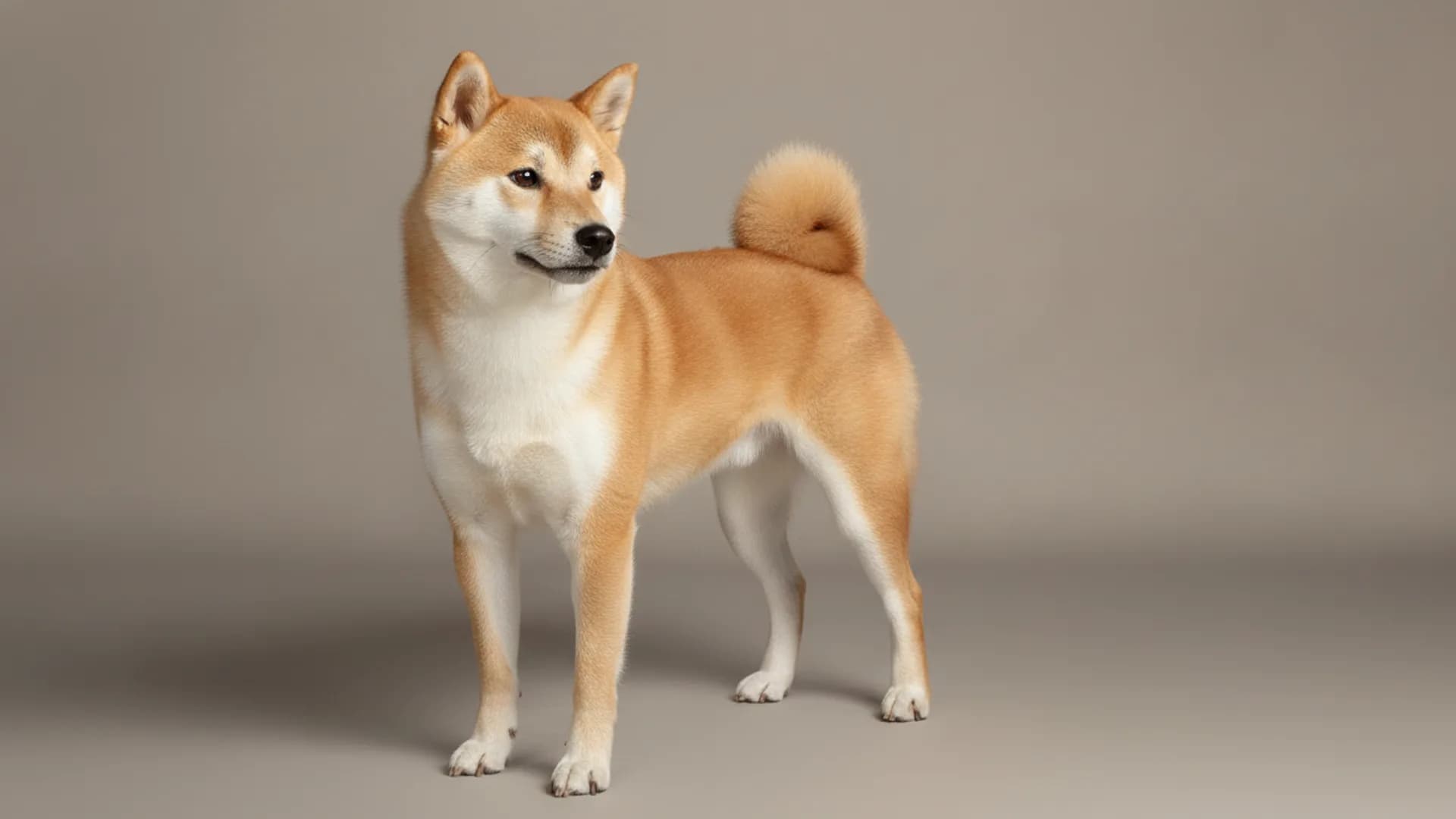
Shiba Inu
The Shiba Inu is the smallest of Japan's six native breeds — a compact hunting spitz with an unusually self-contained character. It is a favourite companion dog in its homeland and, thanks to the internet, one of the most recognisable faces in the world.
History
The Shiba is an old breed, and dogs of much the same look appear among the clay figures of Japan's Jomon period. It was used to flush birds and rabbits from the undergrowth of the central mountains; 'shiba' is usually taken to mean brushwood, though the name is also translated simply as 'small dog'.
When Western breeds arrived in the late nineteenth century, crossbreeding almost erased the native type. A preservation movement drew up a standard in the 1930s, and Japan made the Shiba a natural monument in 1936. Wartime food shortages and the distemper outbreaks of the following decades then came close to finishing it. The breed was rebuilt from three surviving regional strains, from Nagano, Gifu and the San'in region. The first Shiba reached the United States with a military family in 1954, and the American Kennel Club granted recognition in the early 1990s.
Temperament
A Shiba is bold, alert and very much its own dog. It is affectionate on its own terms: it chooses when to be stroked and often prefers to sit near its people than on them. Strangers are met with cool indifference.
It guards its possessions, and food bowls, toys and favourite sleeping spots can all become points of contention, particularly with other dogs. Many Shibas are scrappy with dogs of the same sex. With sensible older children it does well; it objects to being grabbed or hugged by small ones. The Japanese describe the ideal character with words meaning spirited boldness, good nature and artlessness, and a good Shiba shows all three.
Living with the breed
Its habits are tidy to the point of fussiness. Puppies frequently house-train themselves within weeks, adults lick their paws and legs clean like cats, and many will walk round a puddle. It is quiet most of the time, which makes it practical for a flat, provided the walks are regular.
Then there is the scream — a high, piercing wail a Shiba produces when it is restrained, bathed, having its nails cut, or simply outraged. It sounds like an injury and is in fact a protest. Owners also discover the breed's talent for slipping collars and bolting through an open door, so harnesses and careful habits at the threshold become routine. The plush coat sheds lightly all year and dramatically twice.
Care and training
A brisk walk of about an hour a day, with some variety and a chance to sniff, is enough for most adults. Because the instinct to chase is fully intact and the breed judges for itself whether returning is worthwhile, the lead stays on anywhere unfenced.
Training succeeds by persuasion. A Shiba that is forced digs its heels in, while one that thinks the exercise was its own idea learns fast, so short sessions with food and play are the method. The most valuable early lessons are accepting handling — paws, mouth, brush, the vet's table — and swapping an object for a treat instead of defending it. Puppy classes help to take the edge off its reserve with other dogs.
Health
The Shiba is a sound breed on the whole. It is predisposed to allergic skin disease, which shows as itching and licking. Patellar luxation, a kneecap that slips out of its groove, is the main joint condition, and breeders also have hips scored for dysplasia.
The eyes need watching: glaucoma, a painful rise in pressure inside the eye, is markedly common in the breed, and breeders have eyes examined by a specialist. A DNA test identifies carriers of GM1 gangliosidosis, an inherited disease of the nervous system.
Who it suits
It suits people who admire an independent animal and enjoy earning its cooperation — often those who like cats as much as dogs — including flat-dwellers who walk every day. Those wanting an eager-to-please dog that can run free, tolerate anything from toddlers and mix happily at the dog park will be disappointed.
Questions
What is the Shiba scream?
It is a loud, shrill cry the breed makes when it strongly objects to something, such as nail trimming, a bath or being held still. Some also scream with excitement when greeting their owners. It signals displeasure or high emotion, not pain, though it alarms bystanders.
Is a Shiba Inu a good first dog?
It can be, for a patient beginner who has read up on the breed, but it is harder than its size implies. The stubbornness, the unreliable recall and the tendency to guard belongings catch out people expecting an easy small dog.
Can a Shiba Inu live in a flat?
Yes. The breed is clean, quiet indoors and modest in the space it needs, and it is the most popular companion dog in Japan. It still needs a proper daily walk and mental occupation, and the door must be managed so it cannot dash out.
Is the Shiba Inu the 'doge' dog?
Yes. The 'doge' internet meme of 2013 was built around Kabosu, a Shiba Inu, and it later gave its name and her face to a cryptocurrency, Dogecoin. The breed's fox-like expression has made it a fixture online ever since.
Do Shiba Inus get on with other dogs?
Often only selectively. Many are fine with familiar dogs and intolerant of strange ones, especially of the same sex, and they dislike rude or boisterous approaches. Early, well-managed socialising improves matters, but few Shibas become sociable with every dog they meet.
Characteristics
- Origin
- Japan
- Size
- Medium
- Weight
- 7–11 kg
- Height
- 34–42 cm
- Group
- Non-Sporting
Traits
- Affection
- Energy
- Intelligence
- Shedding
- Grooming
- Good with kids
Similar breeds
Dogs with a comparable size, coat and temperament.
| Breeds | Size | Weight | Height | Lifespan | Coat |
|---|---|---|---|---|---|
| Shiba Inu | Medium | 7–11 kg | 34–42 cm | — | — |
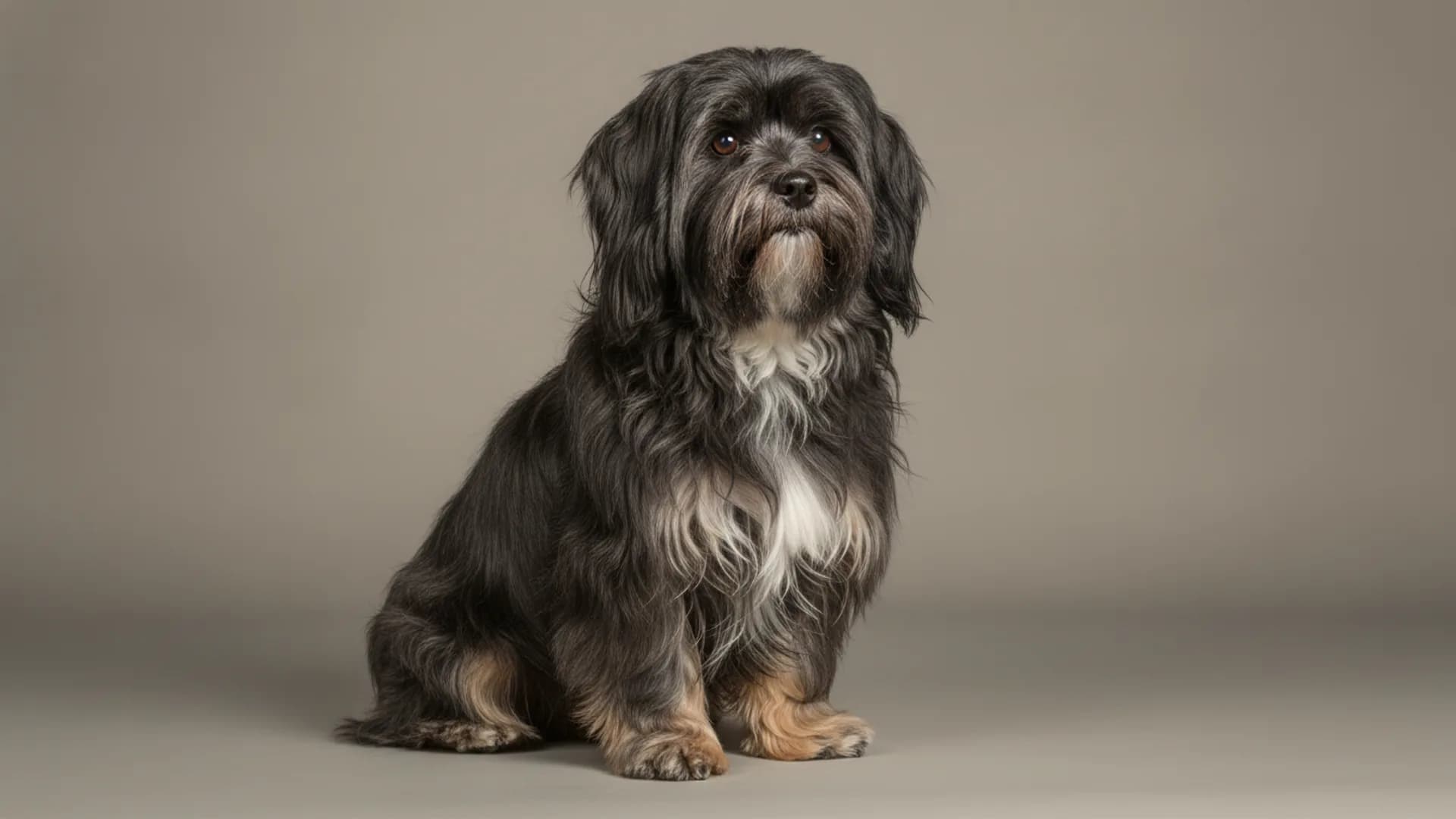
| Tibetan Terrier | Medium | 8–14 kg | 36–43 cm | 12–16 yr | — |
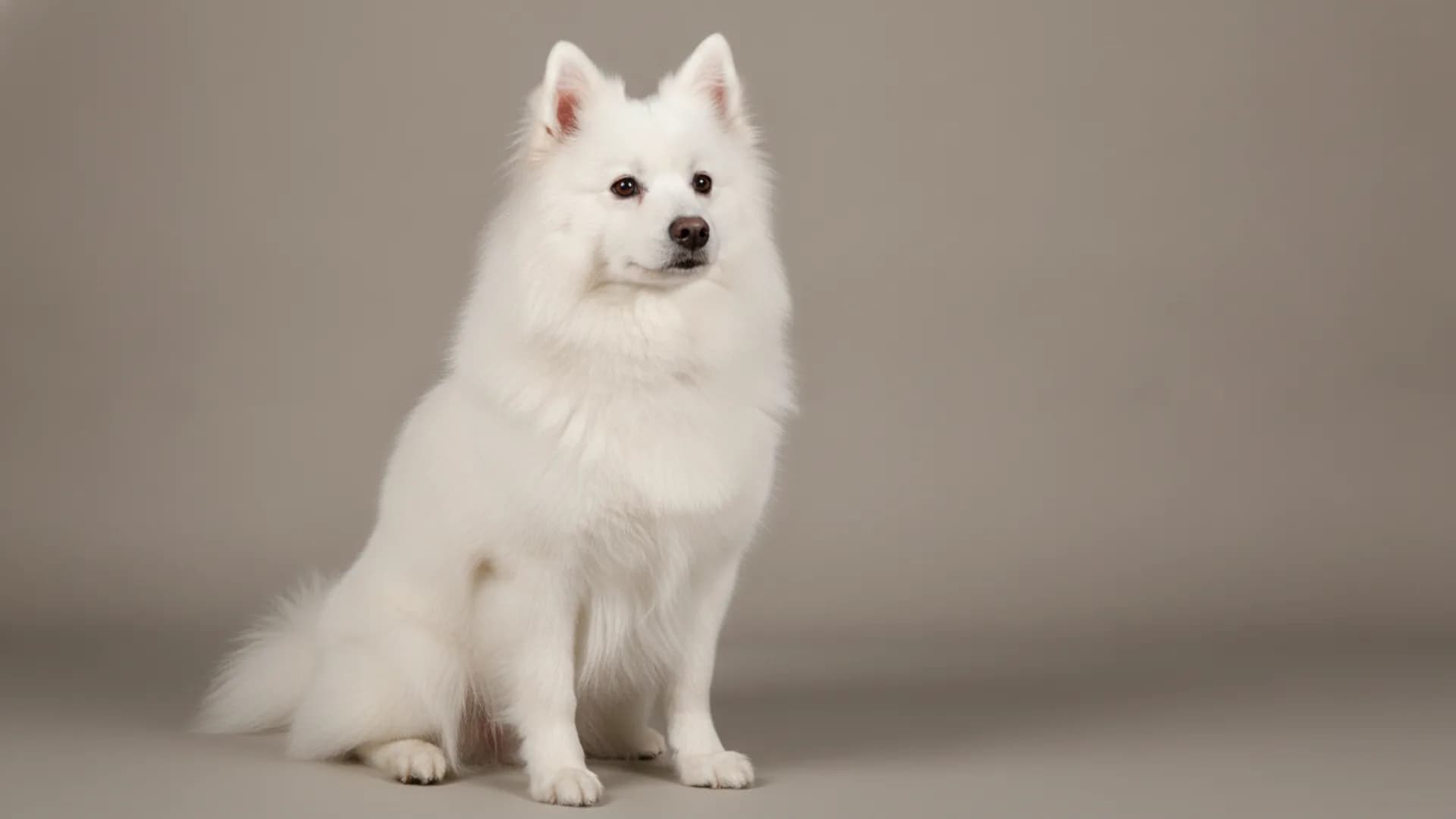
| American Eskimo Dog | Medium | 3–16 kg | 23–48 cm | — | — |
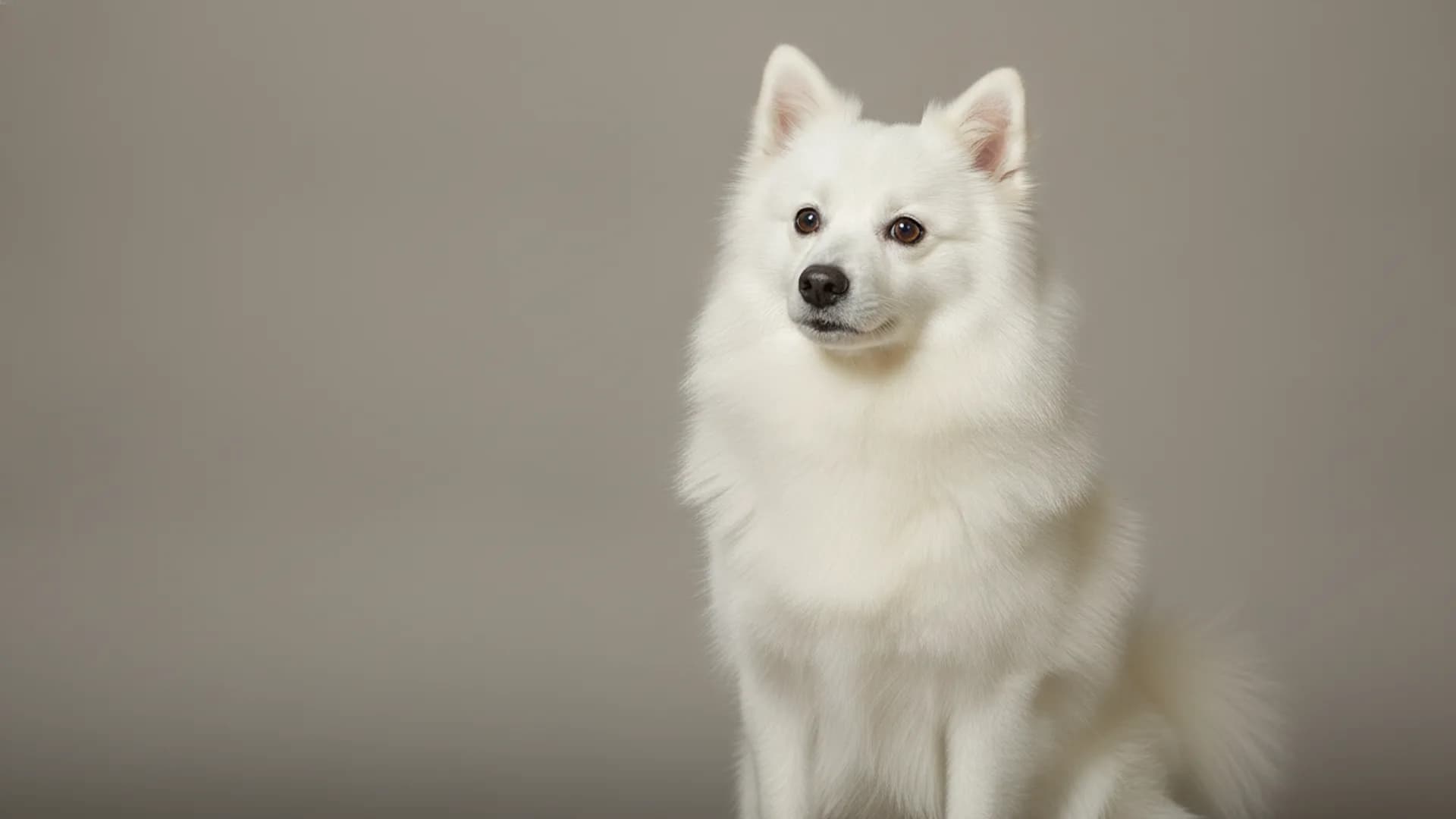
| Japanese Spitz | Medium | 4.5–11 kg | 30–39 cm | 12–16 yr | — |
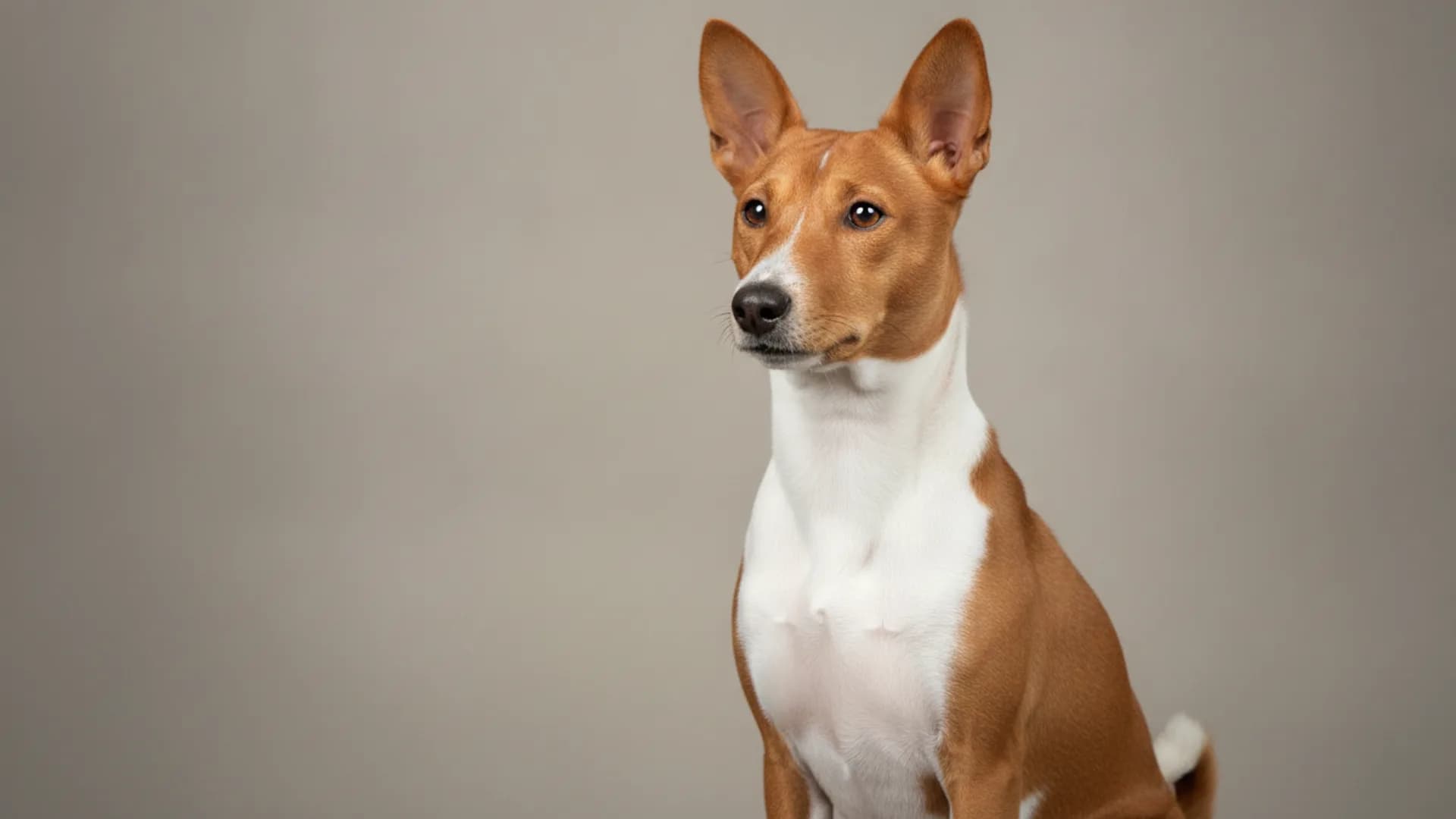
| Basenji | Medium | 11 kg | 43 cm | — | Short |