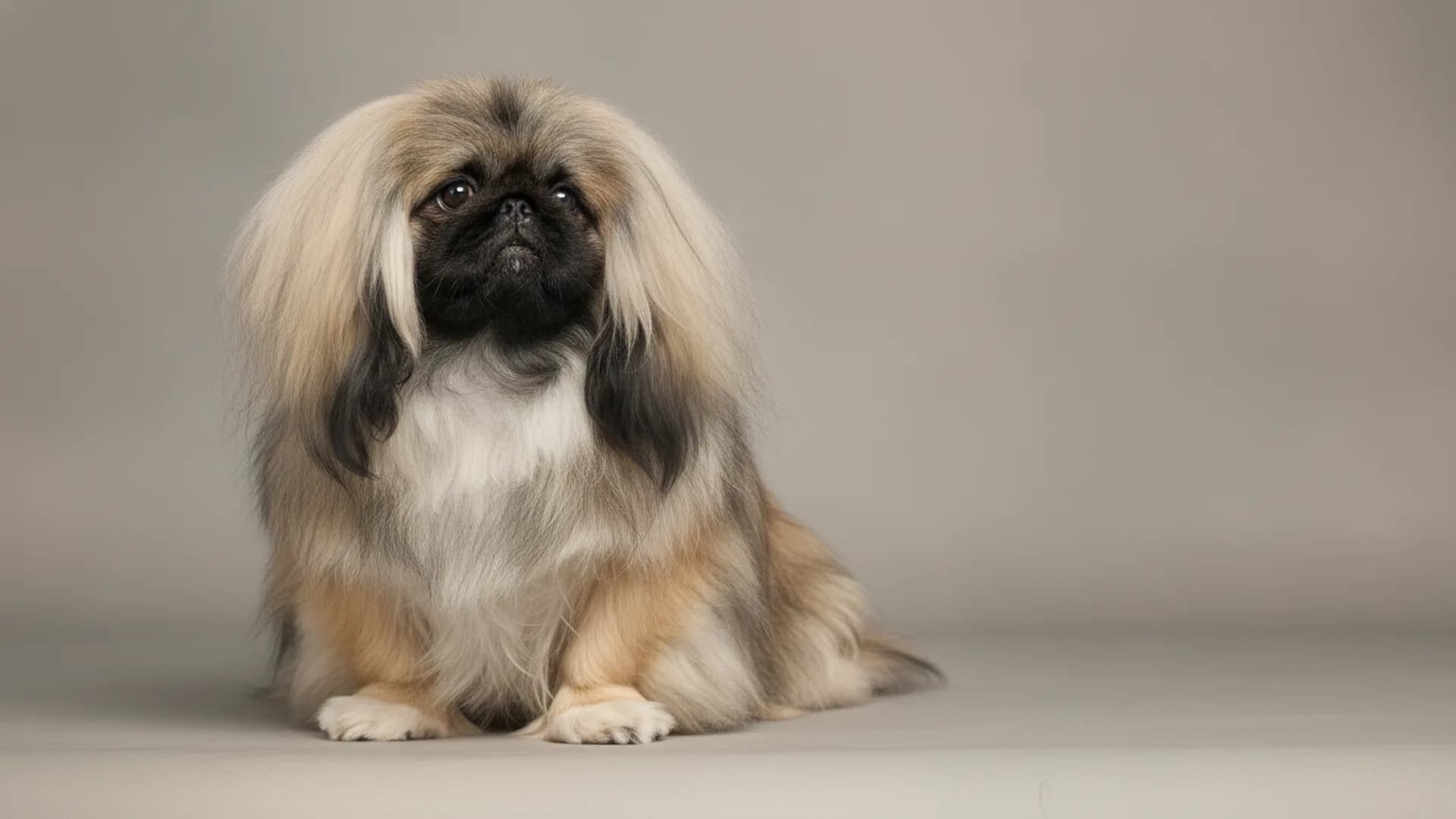
Pekingese
The Pekingese is the lion dog of the Chinese imperial court, and for centuries stealing one was punishable by death. It carries itself accordingly — a low, heavy-fronted, maned little dog that rolls as it walks and hurries for nobody.
History
It was bred at the imperial court in Peking to carry a lion's mane and bearing, the lion being a central figure in Buddhist stories, and ownership was reserved for the imperial household. The smallest were known as sleeve dogs, because courtiers carried them in the wide sleeves of their robes.
That changed in 1860, when British and French troops looted the Old Summer Palace near Peking during the Second Opium War. The usual account has five Pekingese found there and carried off to England, though the records are thinner than the legend and some tellings make it four. One, brought home by a Captain Dunne, was certainly presented to Queen Victoria and named, with no delicacy at all, Looty. Later the Dowager Empress Cixi gave Pekingese to several foreign visitors, Americans among them. The American Kennel Club recognised the breed in 1906 and the Kennel Club in Britain opened its register to it in 1910. A Pekingese called Sun Yat-sen was among the dogs that survived the sinking of the Titanic.
Temperament
A Pekingese is aloof, self-possessed and brave out of all proportion to its build. It chooses its people — often one person above the rest — and is quietly, stubbornly loyal to them, while regarding strangers with cool indifference. It does not fawn, fetch or perform.
It is calm indoors and will sit for hours observing the room. It dislikes being mauled or carried about against its will and will not put up with teasing, so it is a dog for adults and sensible older children. It tends to ignore other animals, though it will not back down if challenged.
Living with the breed
Life with a Pekingese is slow-paced. It ambles on walks, stops when it has had enough, and cannot manage long flights of stairs easily on its short, bowed forelegs. It snores. The mane and undercoat shed in quantity, and the skirts collect whatever is on the ground.
Summer needs planning. The combination of a flat face and a heavy coat makes the breed quick to succumb to heatstroke, so it lives best in a cool house, with outings limited to the cooler ends of the day. It seldom makes a fuss about being left for a few hours. Leaping off sofas strains the long back and is best prevented.
Care and training
Exercise means two short, leisurely outings a day, enough to keep weight down without taxing the airway. The coat is a coarse outer layer over a dense, soft undercoat, and it needs brushing right to the skin several times a week — daily during a moult. The fold of skin over the nose must be wiped clean and dried, and the large eyes checked for redness or discharge.
Training succeeds through patience and a sense of humour. The breed understands perfectly well and complies when it sees a reason to, so drilling fails. House-training, walking on a lead without sitting down in protest, and tolerating grooming are the essentials.
Health
The flattened skull causes brachycephalic obstructive airway syndrome: narrow nostrils and crowded tissue at the back of the throat obstruct breathing, which is why the dogs snore, tire quickly and overheat. The Kennel Club in Britain revised the breed standard in 2008 to require a visible muzzle, and lists the Pekingese among the breeds whose conformation needs particular monitoring.
The eyes are large, prominent and poorly protected, so corneal ulcers and injuries are frequent, and hair from the nose fold can rub on the surface. Dry eye and progressive retinal atrophy are on the breed's list as well. Intervertebral disc disease, in which a disc in the spine bulges or ruptures and presses on the cord, is another recorded problem, and heart disease is among the main health concerns.
Who it suits
It suits a quiet adult household that wants a calm, dignified indoor companion and takes pleasure in grooming. It is not for people who want a hiking companion, a nursery playmate or prompt obedience, nor for hot climates, and buyers should expect to search for a moderately built, freely breathing dog.
Questions
Why is the Pekingese called a lion dog?
Because it was bred to look like one. The lion is central to Buddhist stories, and breeders selected dogs with a mane and heavy head furnishings to echo it; the British standard still asks for a 'leonine' appearance. A court legend makes the breed the offspring of a lion and a marmoset.
Can a Pekingese go for long walks?
No. Its short legs, heavy body and restricted airway make it a dog for brief, gentle strolls. Twenty minutes or so at their own pace is about the limit for most.
Do Pekingese shed a lot?
Yes. The double coat drops hair throughout the year and heavily when the undercoat moults. Frequent brushing removes dead hair before it mats, but long hairs on the furniture come with the dog.
Are Pekingese good with children?
Not with small ones, as a rule. The breed is dignified, dislikes rough handling and will defend itself, and its exposed eyes are easily injured in play. It can be a devoted companion to an older child who treats it with respect.
Do Pekingese have breathing problems?
Many do, to some degree. The shortened face narrows the upper airway, producing noisy breathing, poor exercise tolerance and a serious risk of heatstroke. Severity differs from dog to dog, which is why parents that breathe quietly and have a definite muzzle matter so much.
Characteristics
- Origin
- China
- Size
- Small
- Weight
- 3.2–6.4 kg
- Height
- 15–23 cm
- Lifespan
- 12–14 yr
- Group
- Toy
Traits
- Affection
- Energy
- Intelligence
- Shedding
- Grooming
- Good with kids
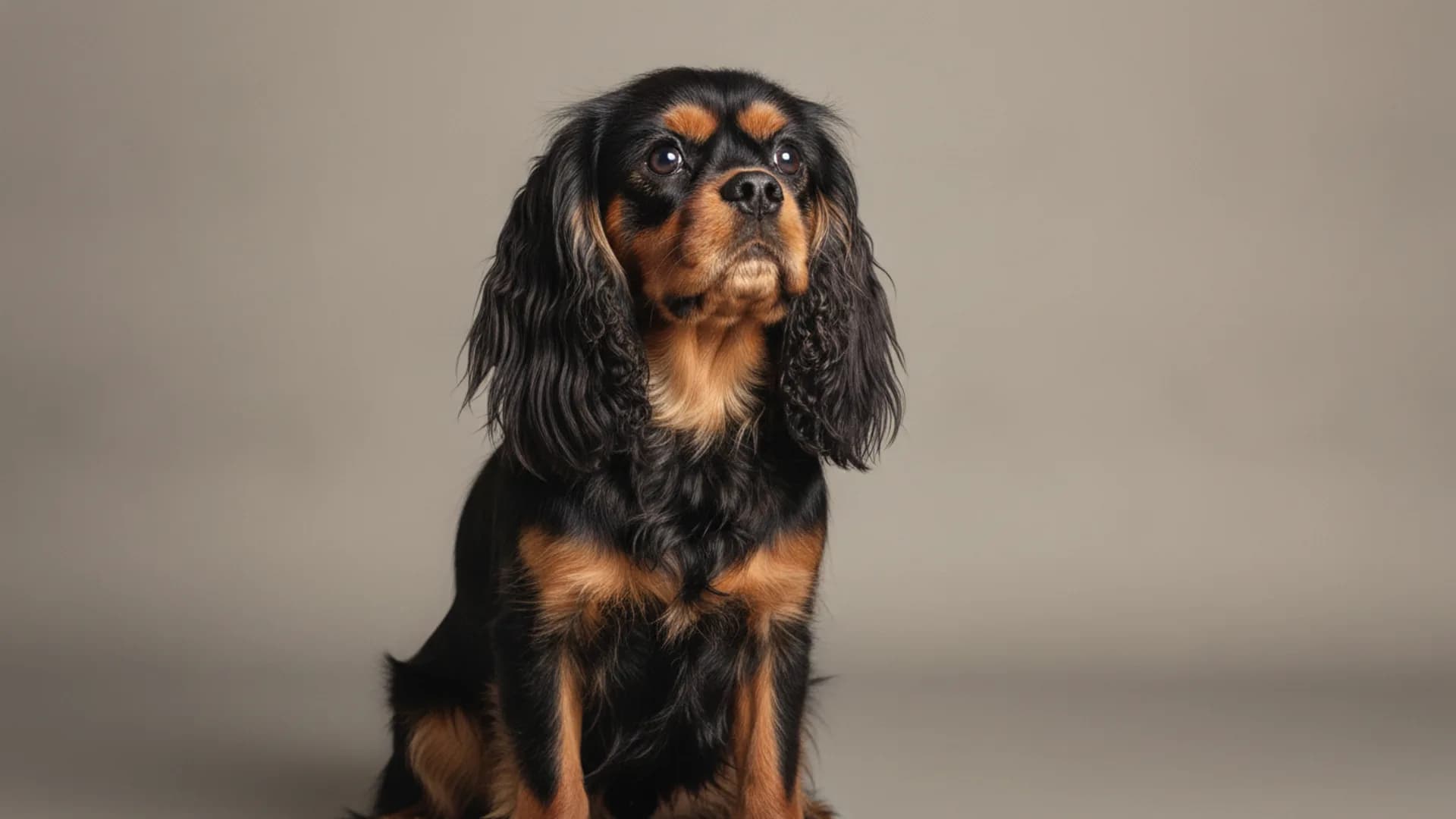
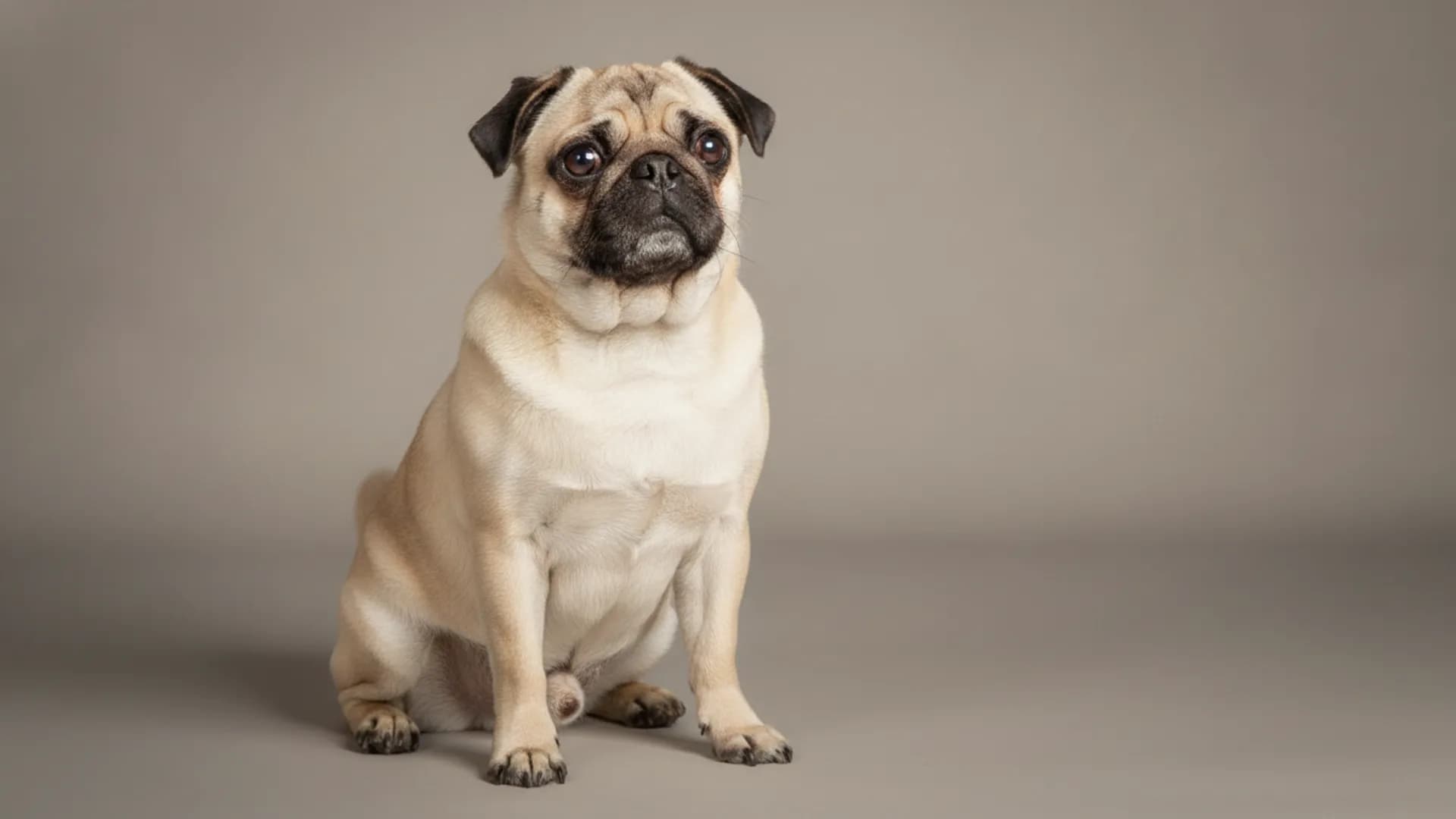
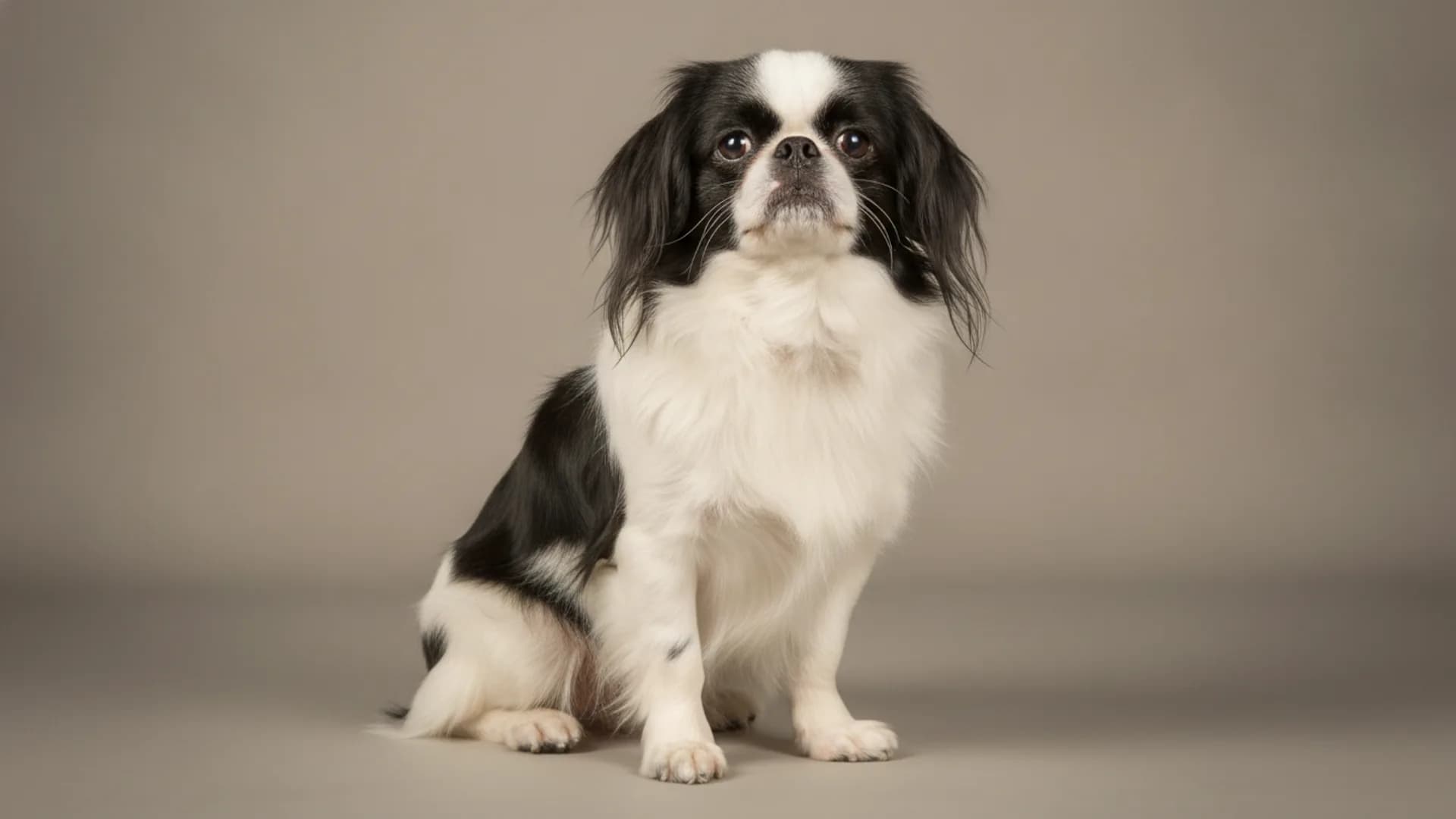
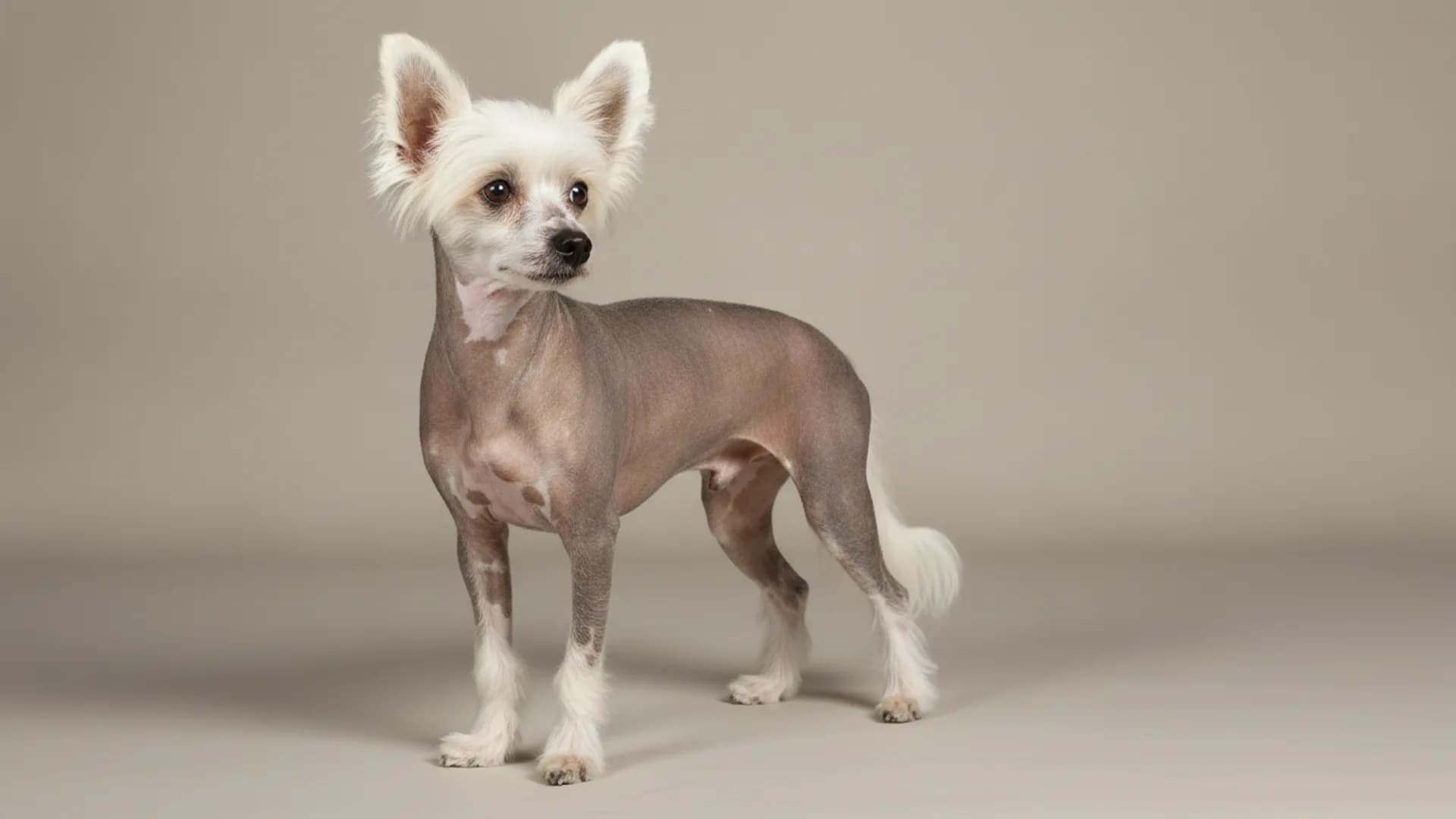
Similar breeds
Dogs with a comparable size, coat and temperament.
| Breeds | Size | Weight | Height | Lifespan | Coat |
|---|---|---|---|---|---|
| Pekingese | Small | 3.2–6.4 kg | 15–23 cm | 12–14 yr | — |
| King Charles Spaniel | Small | 3.6–6.4 kg | 22.9–27.9 cm | 10–12 yr | — |
| Pug | Small | 6.4–8.2 kg | 25–33 cm | — | Short |
| Japanese Chin | Small | 1.8–5 kg | 20–28 cm | 10–12 yr | — |
| Chinese Crested | Small | 3.6–5.4 kg | 28–33 cm | — | — |