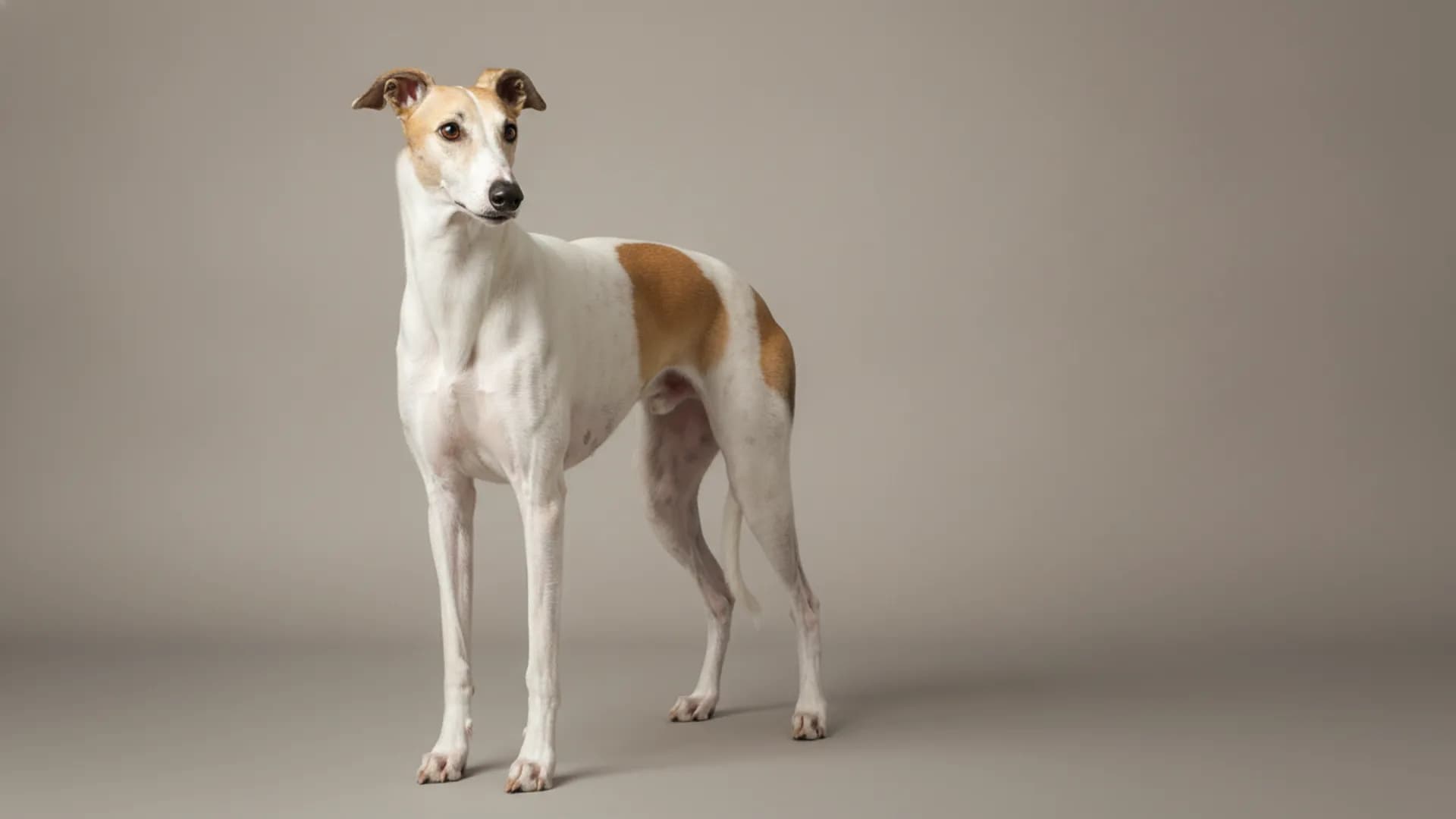
Greyhound
The Greyhound is the fastest dog in the world — a coursing sighthound that reaches about 70 km/h, and a famously placid housemate between sprints. Most pet Greyhounds today are retired racers adopted as adults.
History
Long-legged hounds of this shape are painted on the walls of ancient Egyptian tombs, and the Greyhound itself was developed in Britain. In the Middle Ages the law reserved it for royalty and the nobility, which made the dog a mark of rank. Coursing hares became an organised sport, and its premier event, the Waterloo Cup, was run at Great Altcar in Lancashire from 1836 until 2005, after which hare coursing was illegal in England and Wales.
The modern racing dog is a twentieth-century creation. The mechanical hare was an American invention: the first professional track opened in California in 1919, and the oval track with its artificial lure came to Britain in 1926, at Belle Vue in Manchester. The sport peaked in the middle of the century and has since declined or been banned in many countries. A separate population is bred for the show ring, and it is larger and heavier than the racing type.
Temperament
At home a Greyhound is mild, undemanding and remarkably idle. It is affectionate in a low-key way — it leans its whole weight against a person's legs by way of greeting — and it seldom barks. Strangers are met with calm indifference; this is no watchdog.
It is patient with children, but many Greyhounds sleep deeply, sometimes with their eyes open, and can snap if startled awake, so its bed should be left alone. Kennel-raised dogs are used to other Greyhounds and may never have met a small fluffy breed, which some at first mistake for prey. Tolerance of cats varies from dog to dog.
Living with the breed
An ex-racer arrives knowing kennels, leads and travel, and nothing about houses. Stairs, glass doors, mirrors, slippery floors and the television can all be new, and the first weeks are spent patiently introducing them. House-training generally comes fast, because racing kennels keep a strict routine.
After that the dog mostly sleeps, often upside down with its legs in the air. It needs a big, thick bed, since it has no padding of its own, and a coat in winter. It takes up less room than its height implies and can do well in a flat. Many find sitting awkward and prefer to stand or lie. It is tall enough to rest its chin on the dinner table and help itself.
Care and training
Two walks of twenty to thirty minutes a day are enough for most adults, with the chance to gallop in a securely fenced area a few times a week. The breed is a sprinter and has little stamina. Outside an enclosure the lead stays on, as a Greyhound sees movement at a great distance and is in pursuit before the owner has noticed.
A wide martingale collar stops the narrow head slipping free. The coat needs a quick weekly brush. Teeth need more attention: former racers often come with heavy tartar and benefit from regular brushing. Training is a matter of gentle repetition — the dog is willing but was never bred to take direction, and harshness simply makes it freeze.
Health
Osteosarcoma, a cancer of the bone, is among the conditions the breed is prone to. So is bloat, an emergency in which the stomach twists and traps its contents and gas. Greyhounds also break down certain anaesthetic drugs more slowly than other dogs, and vets adjust what they use.
Their blood is unusual. Normal values for a Greyhound include more red cells, fewer platelets and lower thyroid hormone than the standard canine ranges, and results can be misread by someone unfamiliar with the breed. Some Greyhounds are susceptible to corns on the pads of the feet, and some bleed unexpectedly in the days after surgery. The Kennel Club asks breeders to DNA-test for Greyhound neuropathy.
Who it suits
It suits people who want a large, quiet, gentle dog and have a soft sofa to share: retired owners, flat dwellers, households that prefer short walks to long hikes. It does not suit homes with rabbits or free-roaming cats, gardens without proper fencing, or owners who dream of a dog that runs loose beside them and comes when whistled.
Questions
Do Greyhounds need a lot of exercise?
No, far less than their reputation suggests. Two short walks a day and an occasional sprint in a fenced space satisfy most adults. They are built for bursts of speed, not endurance, and spend the greater part of the day lying down.
Are retired racing Greyhounds good pets?
Yes, for the right home. They are usually calm, clean and used to being handled, and adapt to domestic life within weeks. They need help with unfamiliar things such as stairs, and their chase instinct means careful management around small animals.
Can a Greyhound live with a cat?
Some can and some cannot. The urge to chase differs widely between individuals, and the only guide is the behaviour of the particular dog. Even one that seems cat-tolerant needs gradual, supervised introductions indoors, and may still chase a strange cat outside.
How fast can a Greyhound run?
A racing Greyhound reaches roughly 70 km/h at full stretch, faster than any other dog breed. It is a sprinter, though, and can hold that pace only briefly.
Characteristics
- Size
- Large
- Weight
- 27–32 kg
- Height
- 68–76 cm
- Lifespan
- 10–13 yr
- Group
- Hound
Traits
- Affection
- Energy
- Intelligence
- Shedding
- Grooming
- Good with kids
Similar breeds
Dogs with a comparable size, coat and temperament.
| Breeds | Size | Weight | Height | Lifespan | Coat |
|---|---|---|---|---|---|
| Greyhound | Large | 27–32 kg | 68–76 cm | 10–13 yr | — |
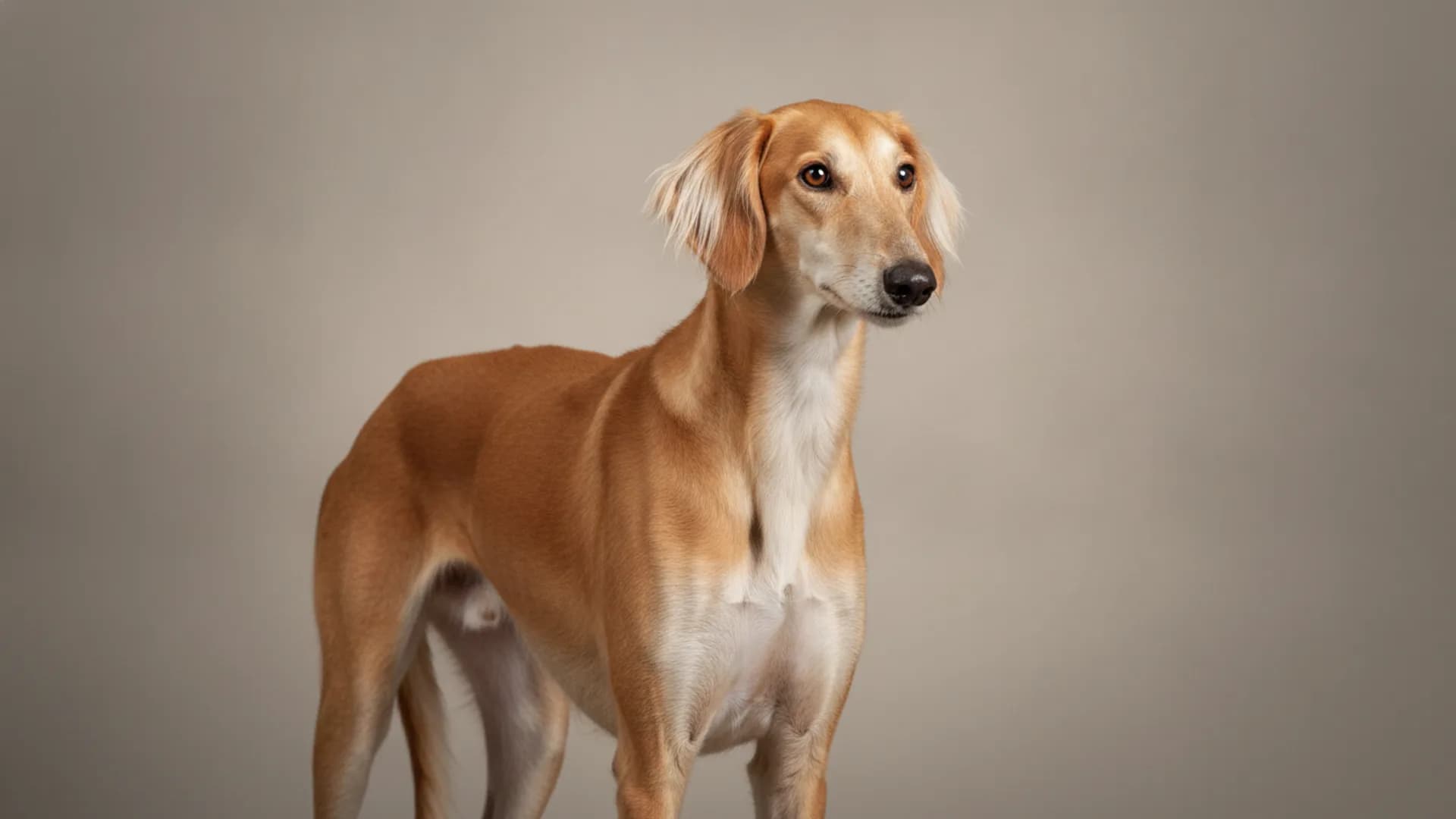
| Saluki | Large | 18.1–27.2 kg | 58.4–71.1 cm | 10–17 yr | — |
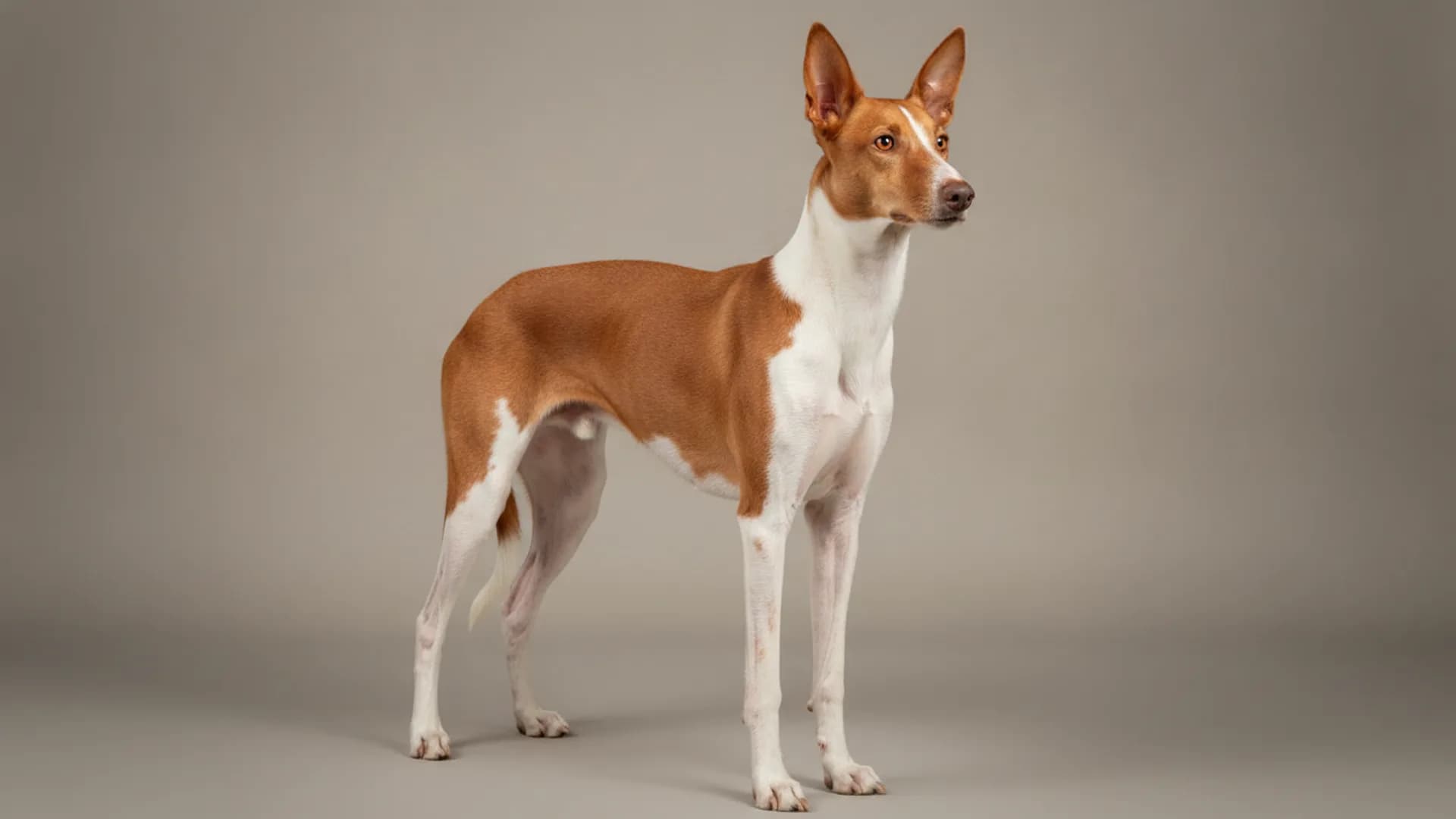
| Ibizan Hound | Large | 20–29 kg | 57–70 cm | 11–14 yr | — |
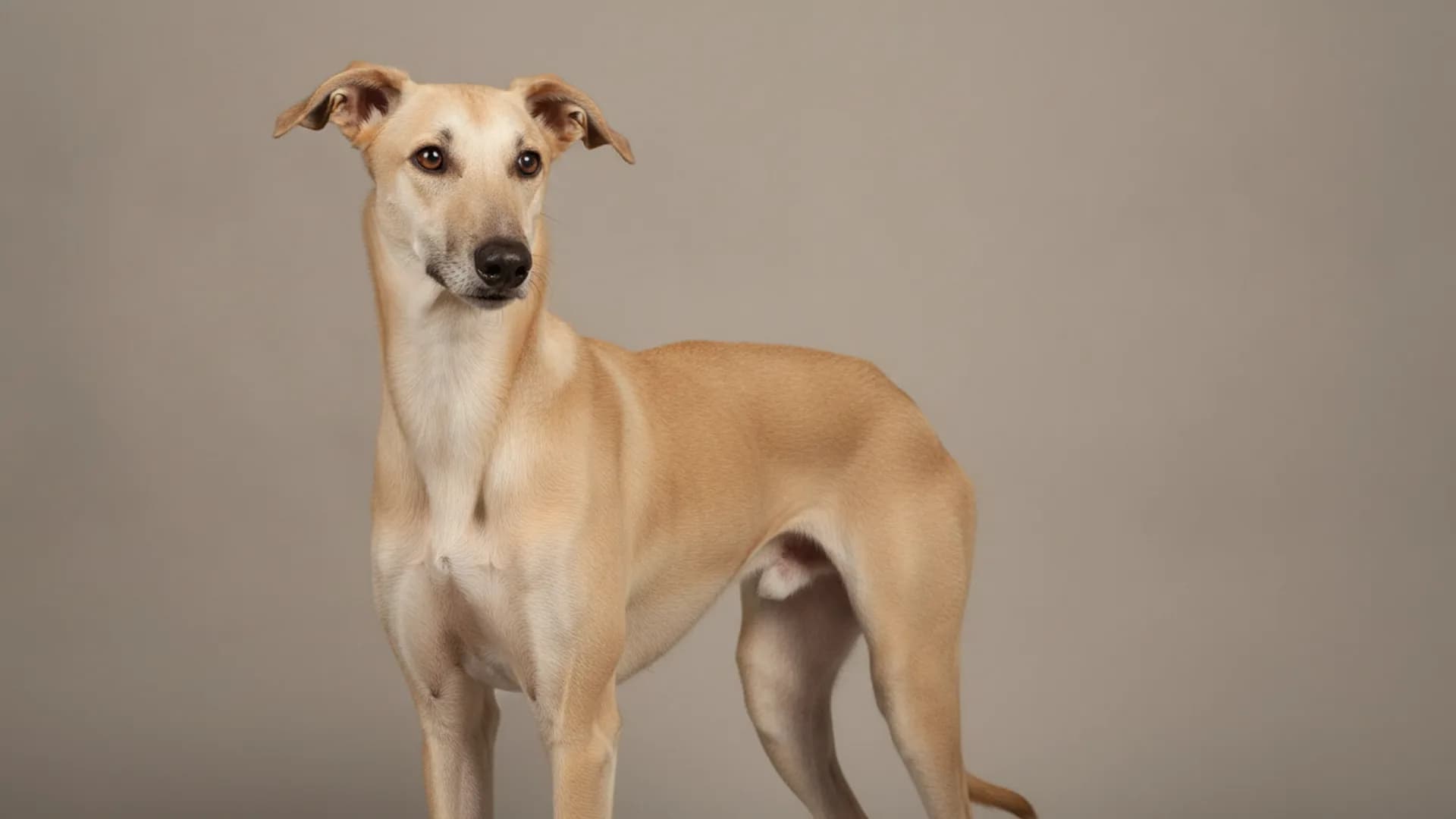
| Sloughi | Large | 16–32 kg | 61–74 cm | 12–15 yr | — |
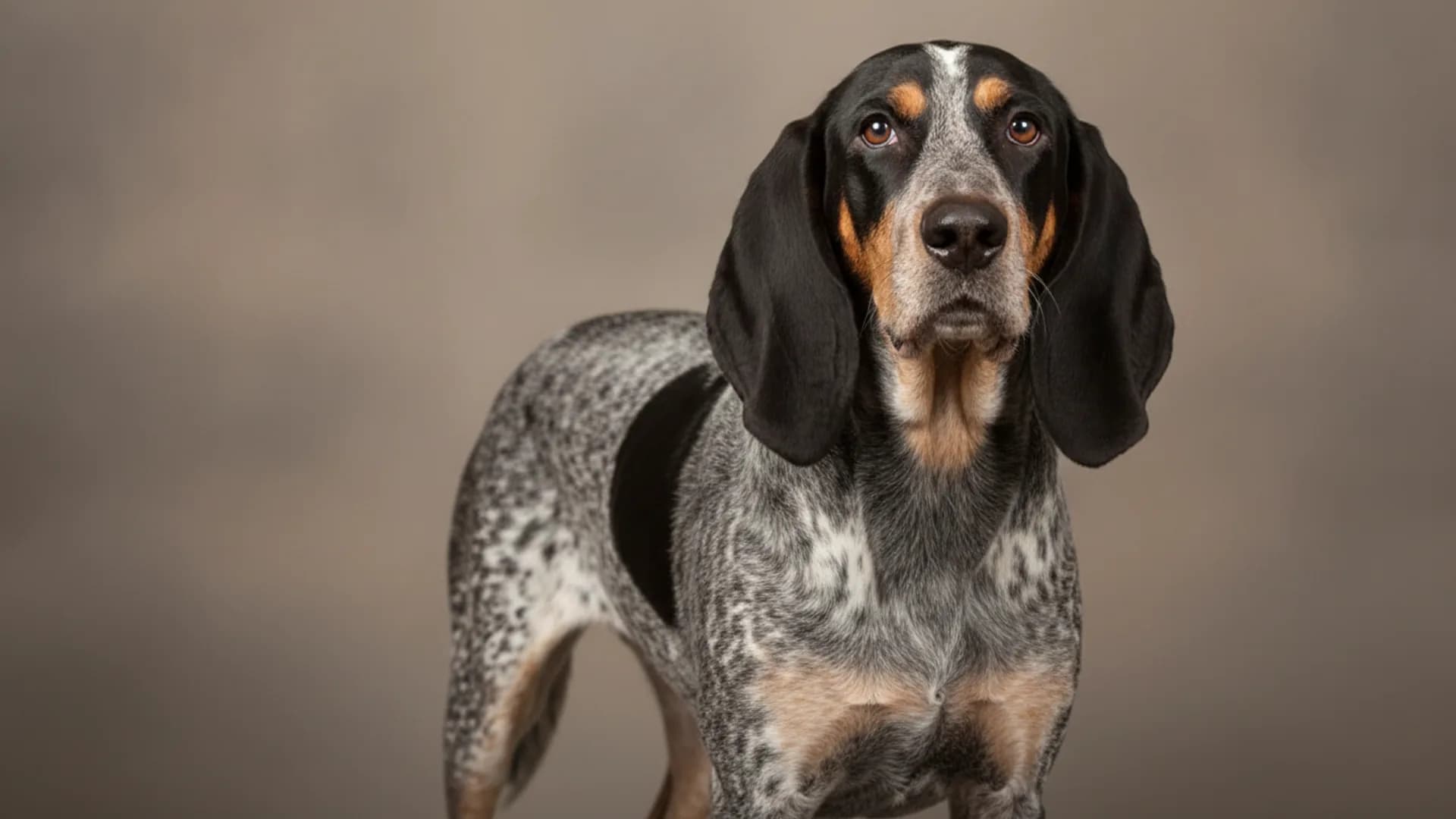
| Bluetick Coonhound | Large | 24.9–36.3 kg | 55.9–68.6 cm | 11–12 yr | Short |