English Cocker Spaniel
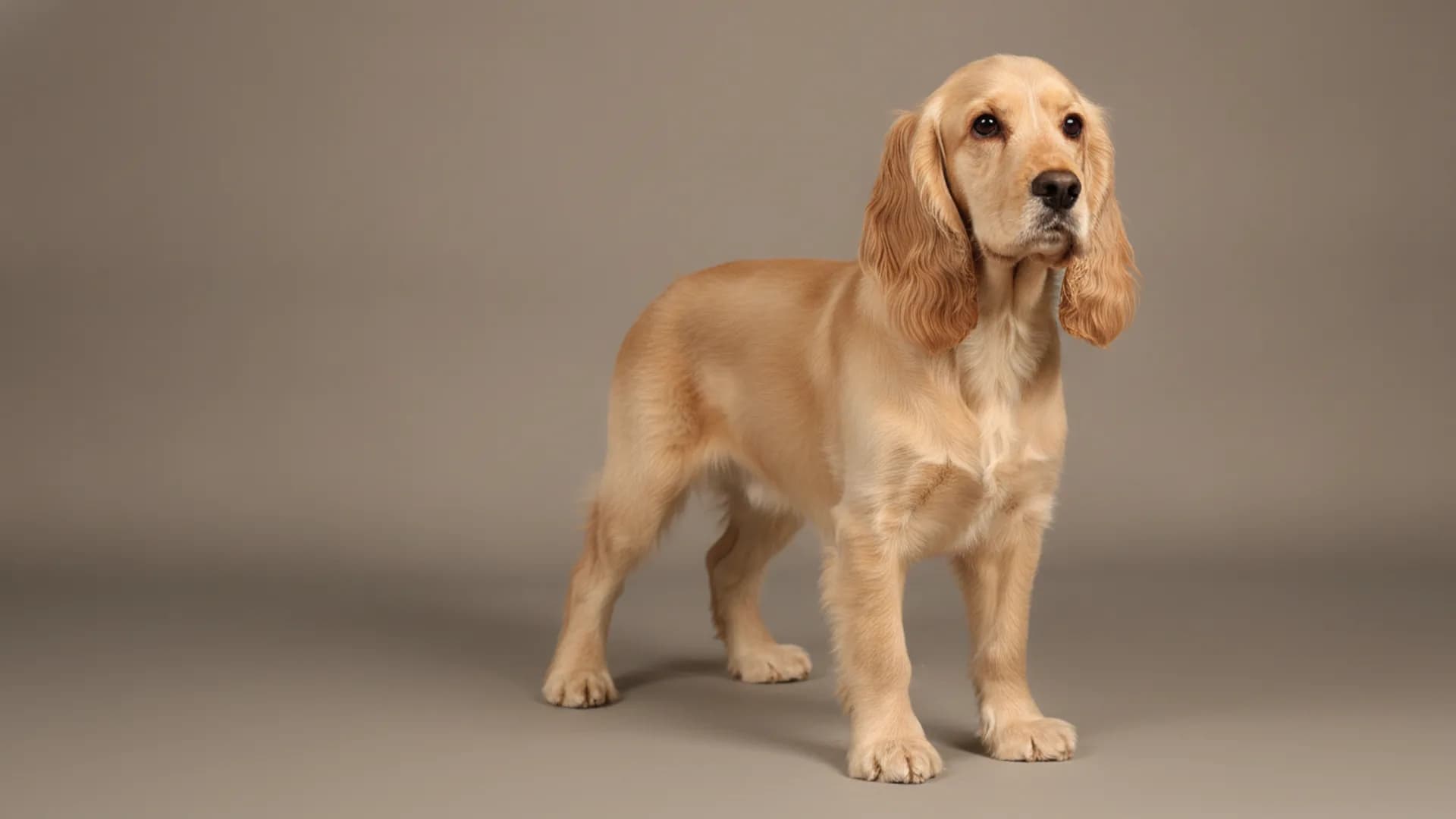
The English Cocker Spaniel is the original cocker — a compact British gun dog named for the woodcock it was bred to flush. Outside North America it is simply "the Cocker Spaniel".
History
Cockers were at first nothing more than the small end of the land-spaniel litter, sent into low, dense cover after woodcock while their bigger brothers were used on other game. The Kennel Club recognised the cocker as a separate variety in 1893. Much of the modern breed traces to a black dog called Obo, born in 1879.
Exported stock was developed along other lines in the United States, and the American Kennel Club finally separated the English Cocker from the American in 1946. At home the breed became a show-ring phenomenon: it has taken Best in Show at Crufts more often than any other, largely through H. S. Lloyd's "of Ware" kennel. A parallel population of working cockers, bred purely for the shooting field, has kept its own shape and pace.
Temperament
Breeders call it the merry cocker, after the tail that wags the whole back half of the dog. It is loving, soft and people-centred, inclined to pick a favourite and shadow that person around the house. It likes company of all kinds and is usually easy with other dogs.
It is also a sensitive dog that takes a scolding to heart, and some individuals guard food or stolen treasures if this is handled badly in puppyhood. With considerate children it is a devoted playmate.
Living with the breed
A cocker lives through its nose. On a walk it disappears into hedge bottoms and comes out carrying something — a stick, a feather, somebody's glove — and at home it will follow a scent trail across the kitchen floor with complete concentration. The long ears trail through food bowls and puddles; many owners use a narrow, deep bowl to keep them out.
It is a manageable size for most houses and can cope with a flat if exercised properly. It tends to be vocal when left and does not like solitude. Show-bred coats collect burrs, twigs and mud in the leg feathering.
Care and training
Give an adult at least an hour of real activity a day, and more for a working-bred dog, which may want twice that. Searching for hidden toys and retrieving satisfy it better than plain walking, and working cockers shine at scent detection and agility.
Reward-based teaching suits it; the breed is quick and wants approval. Begin with a retrieve to hand and an exchange for whatever it has picked up, since snatching things away from a cocker teaches it to defend them. The silky coat needs brushing several times a week. Show-type dogs are usually hand-stripped or clipped by a groomer every couple of months, and the hair under the ear flaps and between the pads is kept short.
Health
Ear disease heads the list: the long, well-furred ear closes off the canal, and infections recur in many dogs. Breeders test DNA for a form of progressive retinal atrophy, which causes gradual blindness, and for familial nephropathy, an inherited kidney disease. Hips are scored for dysplasia and eyes are examined.
Rage syndrome — sudden, explosive aggression, described as a rare seizure disorder — has long been associated with the breed, though the label is far more often a misdiagnosis of ordinary aggression. Greedy cockers also run to fat, which a thick coat hides well.
Who it suits
It fits owners who want an affectionate, medium-small dog and are ready for grooming bills and muddy ears; a working cocker fits people who will train and exercise it like the gun dog it is. Someone seeking independence in a dog, or a pristine house, will find it clingy and untidy.
Questions
What is the difference between a working cocker and a show cocker?
They are registered as one breed but look and behave differently. The show type has longer ears and a profuse coat, and is the calmer house dog. The working type is lighter, with shorter, less pendulous ears and less coat, and has far more drive.
What is the difference between English and American Cocker Spaniels?
The English is the taller dog, with a longer muzzle and a less abundant coat, and it remains closer to a working spaniel. The American was bred down in size with a rounder skull and heavier furnishings. Kennel clubs treat them as two breeds.
What is cocker rage?
It is the popular name for rage syndrome, a rare seizure disorder in which a dog attacks suddenly and explosively. It is thought to be inherited, but the diagnosis is often wrongly given to dogs with commoner kinds of aggression. It should not be confused with ordinary resource guarding, which is a training matter.
Do English Cocker Spaniels need a lot of grooming?
Yes, particularly the show type. The coat tangles behind the ears, in the armpits and on the legs unless brushed several times a week, and most pet owners book professional trimming every six to eight weeks. Working-bred coats are lighter and simpler.
Can an English Cocker Spaniel be left alone?
Only for moderate periods. The breed bonds tightly and tends to howl or chew when isolated for hours. Building up absences gradually from puppyhood helps, but it is not a dog for a home that stands empty all day.
Characteristics
- Origin
- England
- Size
- Medium
- Weight
- 12–15.5 kg
- Height
- 38–43 cm
- Lifespan
- 12–14 yr
- Group
- Sporting
Traits
- Affection
- Energy
- Intelligence
- Shedding
- Grooming
- Good with kids
Similar breeds
Dogs with a comparable size, coat and temperament.
| Breeds | Size | Weight | Height | Lifespan | Coat |
|---|---|---|---|---|---|
| English Cocker Spaniel | Medium | 12–15.5 kg | 38–43 cm | 12–14 yr | — |
| Sussex Spaniel | Medium | 20.4–22.7 kg | 38.1–40.6 cm | 12–15 yr | — |
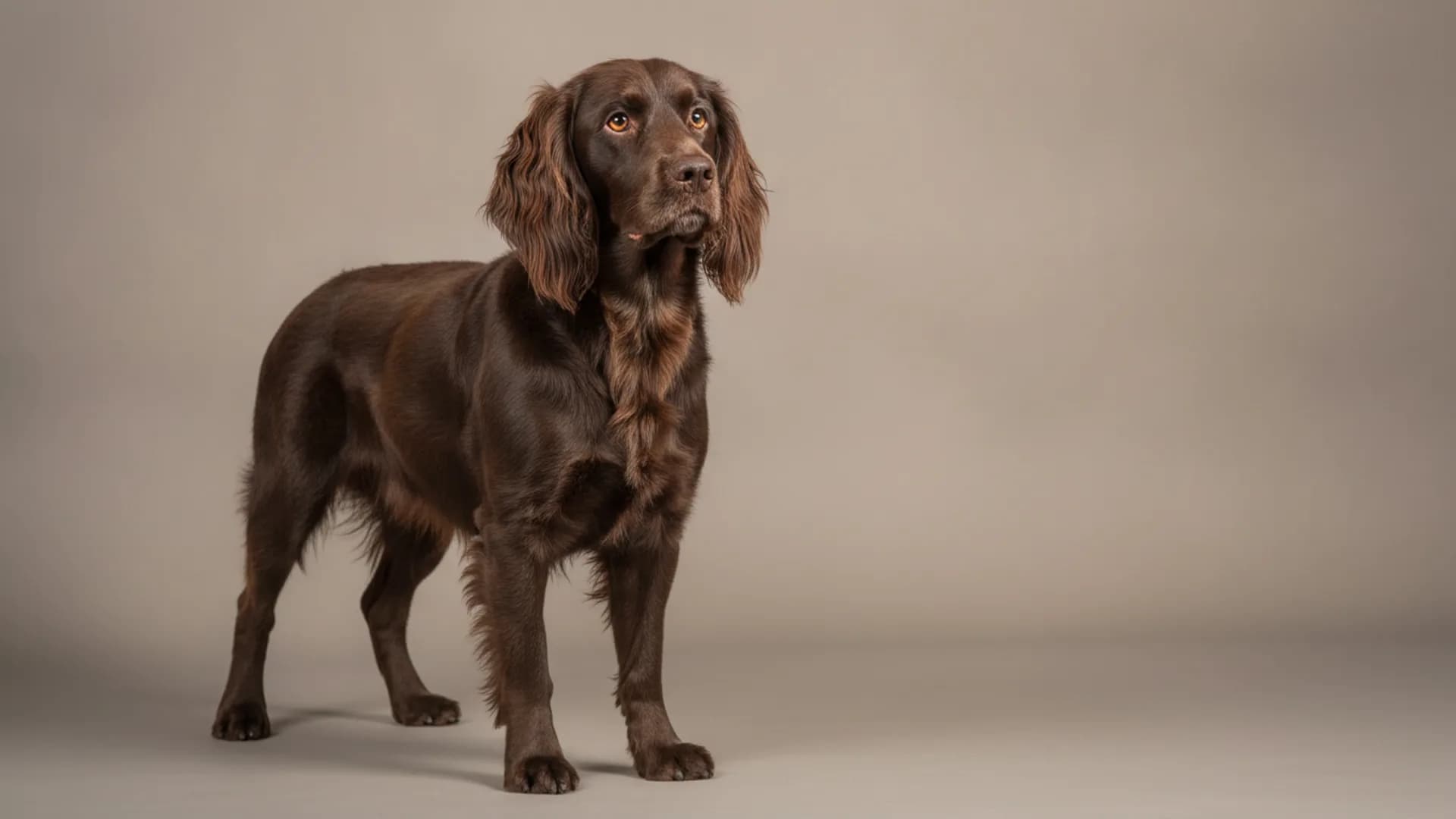
| Boykin Spaniel | Medium | 13.6–18.1 kg | 39.4–45.7 cm | 10–15 yr | Medium |
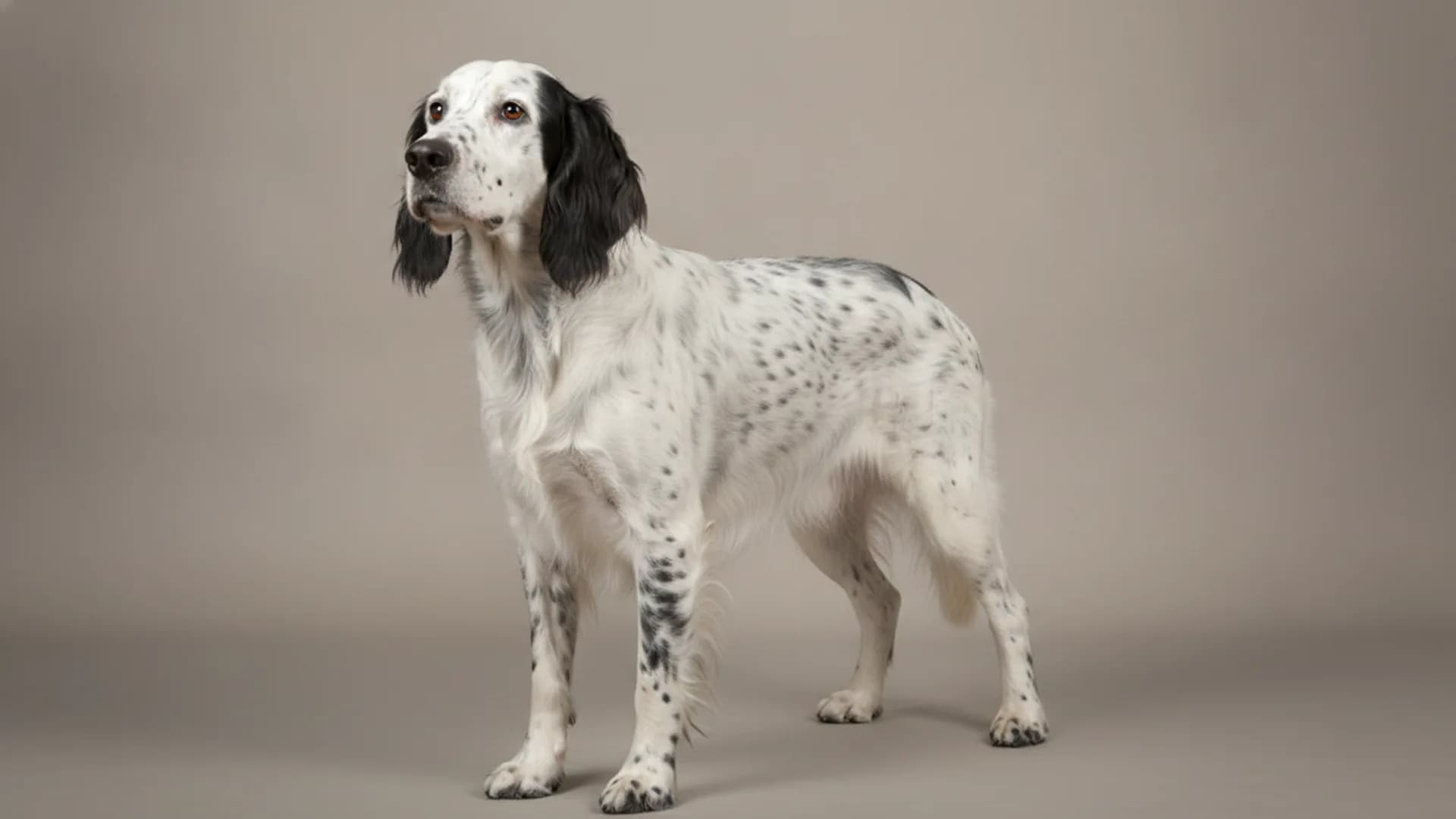
| English Setter | Large | 20–36 kg | 58–69 cm | 12–14 yr | — |
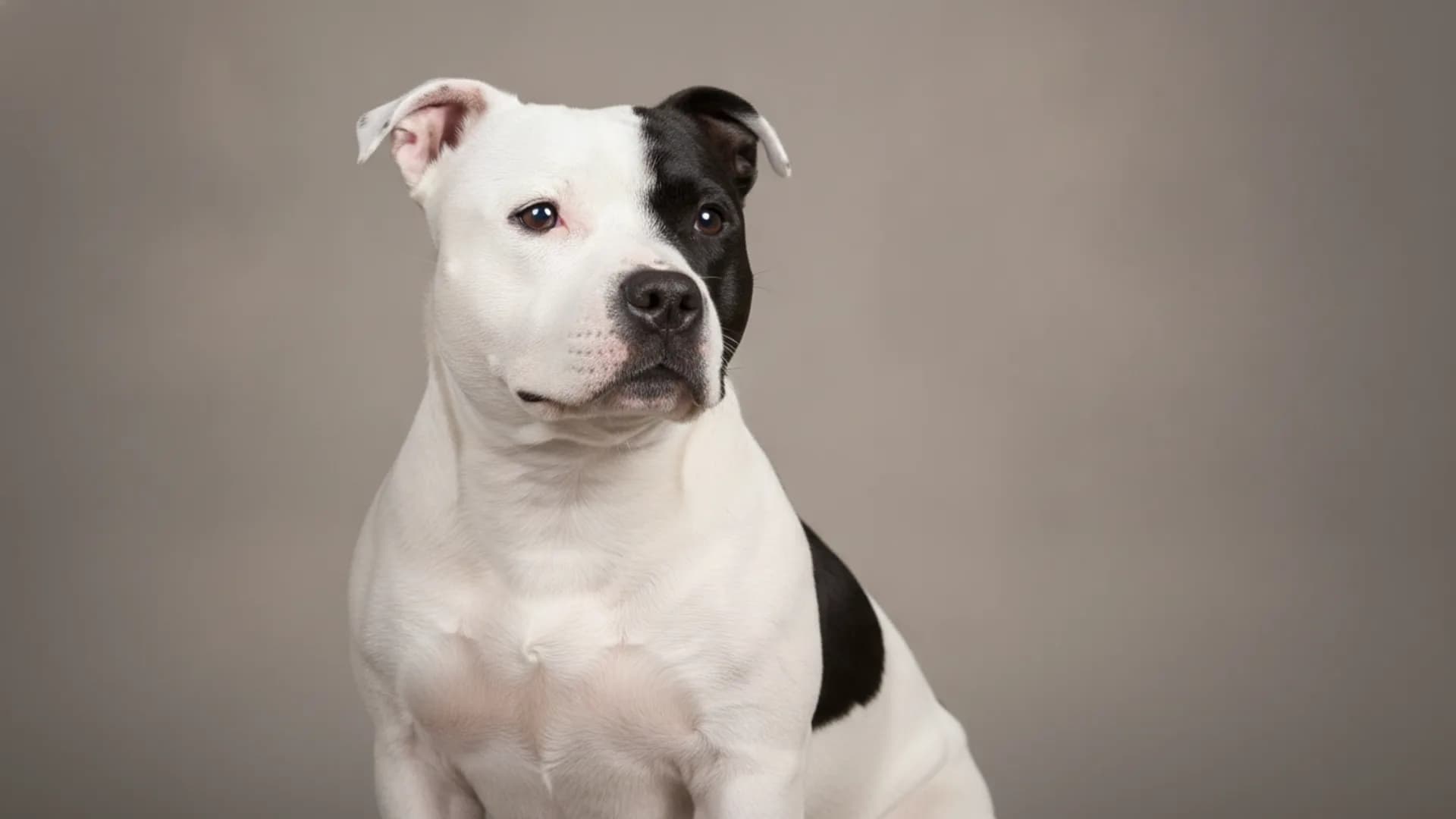
| Staffordshire Bull Terrier | Medium | 13–17 kg | 36–41 cm | 12–14 yr | Short |