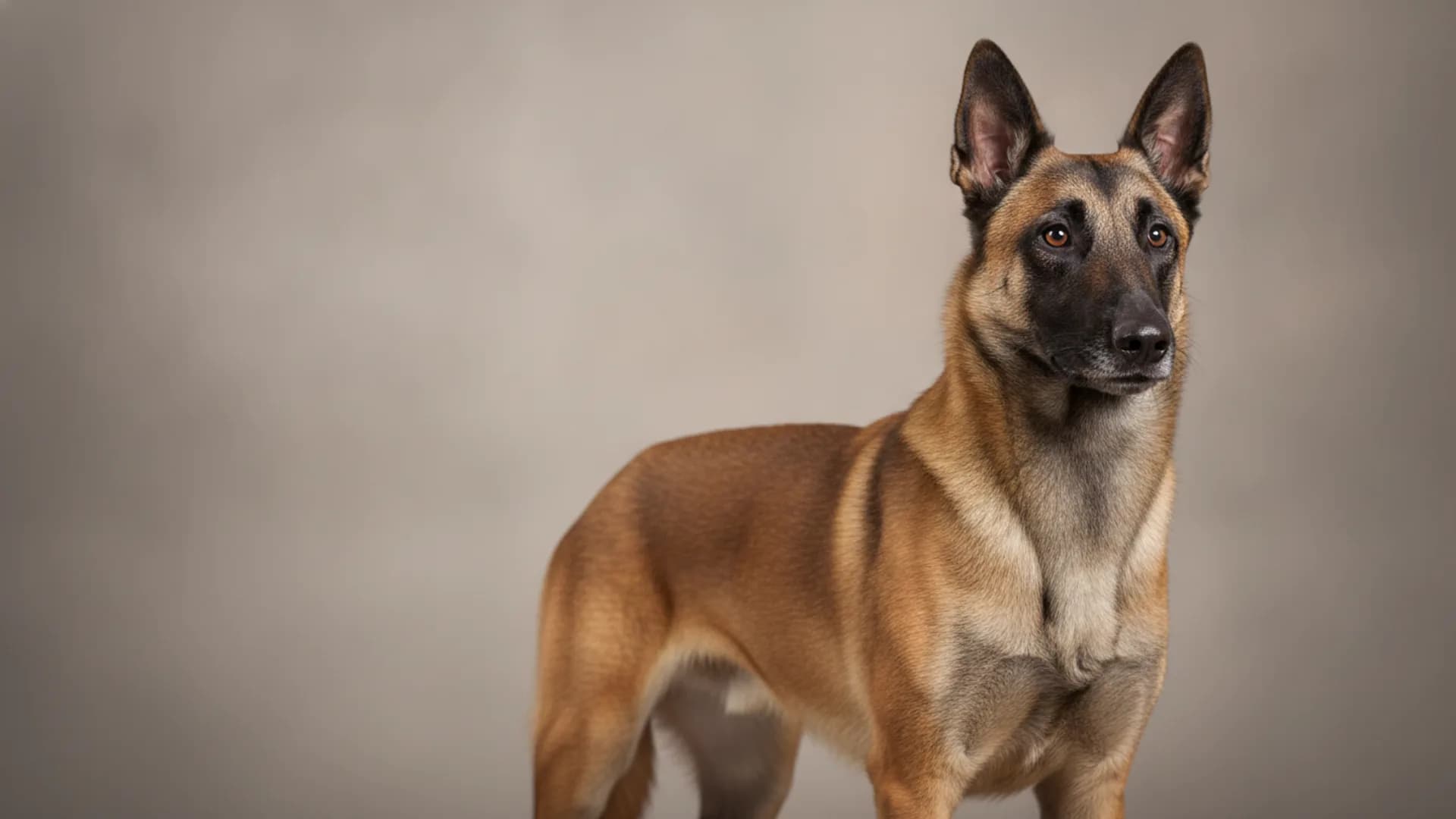
Belgian Malinois
The Belgian Malinois is the short-coated Belgian shepherd — the working variety, and one of the most widely used police and military dogs in the world.
History
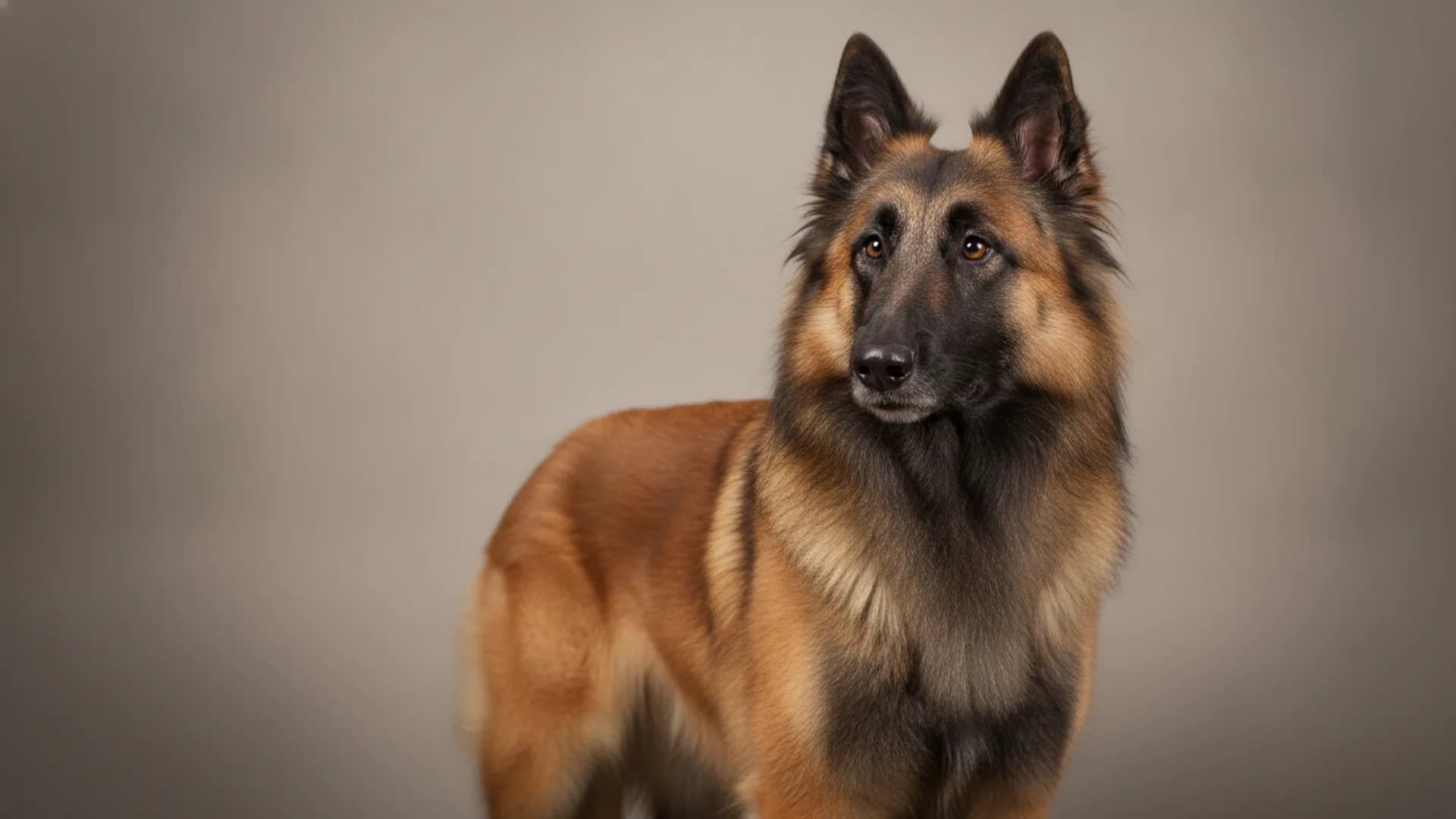
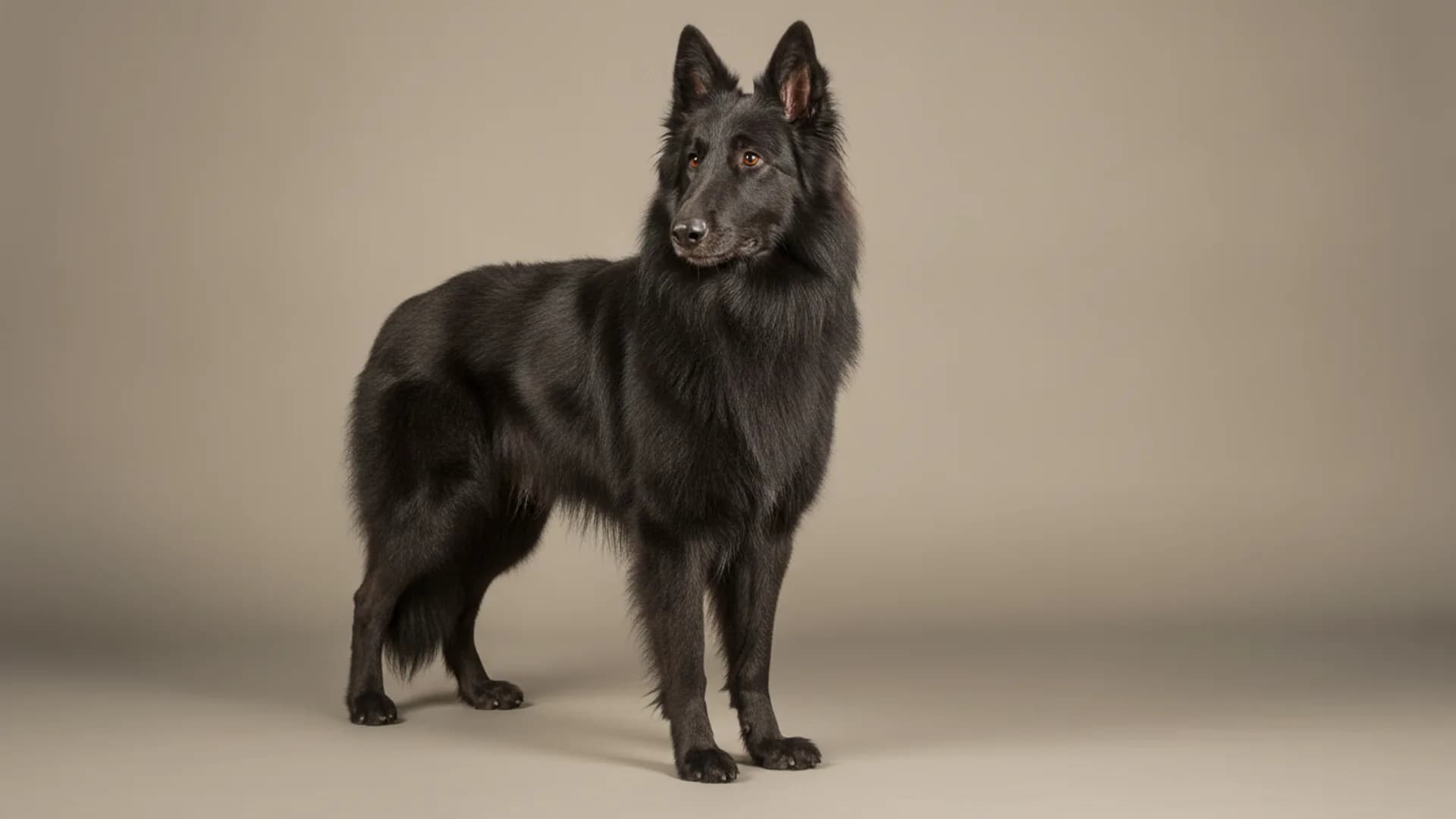
In 1891 a club was formed to save Belgium's native sheepdog, which was falling out of use, and a team led by Professor Adolphe Reul of the veterinary school at Cureghem set out to define it. They examined 117 dogs that had been bred for work and looked very varied, and divided them by coat and colour into what became four varieties: the long-haired black Groenendael, the long-haired fawn Tervuren, the rough-haired Laekenois and the short-haired fawn Malinois, named after the region of Mechelen, Malines in French, where shepherds mostly kept that coat.
The breed has a long history with the Belgian police and army and served in both World Wars. The Malinois has since become the variety favoured by customs, border, military and police units in many countries, and it competes in Schutzhund, the protection sport. Most kennel clubs treat the four as one breed; the American Kennel Club has recognised the Malinois as a breed in its own right since 1959.
Temperament
Everything about a Malinois is turned up. It is fast, reactive, intensely focused on its handler and eager to chase, grip and carry, because those are the behaviours it has been selected for. Handlers talk about "drive", meaning the dog's appetite for the game of pursuit and bite, and in this breed it is very high.
It forms a close partnership with one person and is watchful and neutral, not sociable, with strangers. It can live with children in an experienced home, but it is quick, mouthy and easily over-excited by running and screaming, so it is not a nursery dog. Many are intolerant of unfamiliar dogs, and small pets may trigger pursuit.
Living with the breed
A Malinois does not lounge. In the house it shadows its person, brings toys, spins, leaps onto worktops and over fences, and grabs moving objects with its mouth. Left unoccupied it dismantles crates, doors and car interiors, and frustration can turn into nipping at people.
The Malinois the public admires are finished service dogs, some of them holders of the Dickin Medal, and a pet home sees none of the training behind them. The practical side is easy by comparison: the short coat sheds twice a year and otherwise needs little, and the dog is hardy in most climates. It is not suited to long days alone or to a life confined to a flat and a lead.
Care and training
Count on several hours of structured activity daily, not merely exercise. What satisfies the dog is training with a goal — tracking, detection games, obedience, agility or one of the protection sports under a qualified club. Biting must be given a legal outlet, such as a tug toy, and a clear release cue from the first weeks.
It learns at startling speed and works for a toy more readily than for food. Heavy-handed training produces conflict in a dog this sensitive and this fast. Socialise broadly and early so that watchfulness does not become suspicion, and teach it to settle, which does not come naturally. A weekly brush covers the coat.
Health
Hip dysplasia and elbow dysplasia, developmental faults of those joints that lead to lameness, are the conditions the Belgian kennel club asks breeders to test for in all four varieties, and breeding stock is X-rayed. For the Malinois it also recommends testing for epilepsy, meaning recurrent seizures. In Britain the eyes are examined as well.
Working lines of the Malinois have been associated with rage syndrome, meaning sudden unprovoked aggression, which has been linked to a variant of a dopamine-transporter gene; a genetic test can identify dogs at risk of passing it on. A breeder should be able to produce hip, elbow and eye results, and equally important, to show the temperaments of the parents at home as well as on the field.
Who it suits
It is right for a handler who wants a working partner and trains most days: police and military units, sport competitors, search teams. Someone looking for a family guard dog or an athletic pet would be better served by a breed with an off switch, and beginners should not start here.
Questions
Is a Belgian Malinois a good family pet?
Rarely. In a home with an experienced handler who trains it daily, a Malinois can live well alongside a family. As a pet in the usual sense, exercised twice a day and otherwise left to itself, it becomes destructive and difficult, and it is too intense for most households with small children.
What is the difference between a Malinois and a German Shepherd?
The Malinois is the lighter dog, with a short fawn coat, and it is quicker and more intense in its work. The German Shepherd is heavier, longer in the body than it is tall and usually calmer. Both are used by police and armed forces.
How much exercise does a Belgian Malinois need?
More than almost any other breed: several hours a day, and it has to include mental work. Training sessions, scent tasks and controlled bite or tug games tire it in a way that running does not.
Is the Malinois the same as a Belgian Shepherd?
It is one of four varieties of Belgian Shepherd, alongside the Groenendael, the Tervuren and the Laekenois, which share a standard and differ in coat. In the United States the varieties are registered as separate breeds, which is why the name Belgian Malinois is used on its own there.
Can a first-time owner have a Malinois?
It is strongly discouraged. The breed's speed, biting drive and need for skilled daily training overwhelm most novices. Anyone determined should join a working-dog club and learn with experienced handlers before getting a puppy.
Characteristics
- Origin
- Belgium
- Size
- Large
- Weight
- 18–36 kg
- Height
- 56–66 cm
- Group
- Herding
Traits
- Affection
- Energy
- Intelligence
- Shedding
- Grooming
- Good with kids
Similar breeds
Dogs with a comparable size, coat and temperament.
| Breeds | Size | Weight | Height | Lifespan | Coat |
|---|---|---|---|---|---|
| Belgian Malinois | Large | 18–36 kg | 56–66 cm | — | — |
| Belgian Tervuren | Large | 20–34 kg | 56–66 cm | 12–14 yr | — |
| Belgian Shepherd | Large | 25–30 kg | 60–66 cm | 12–14 yr | — |
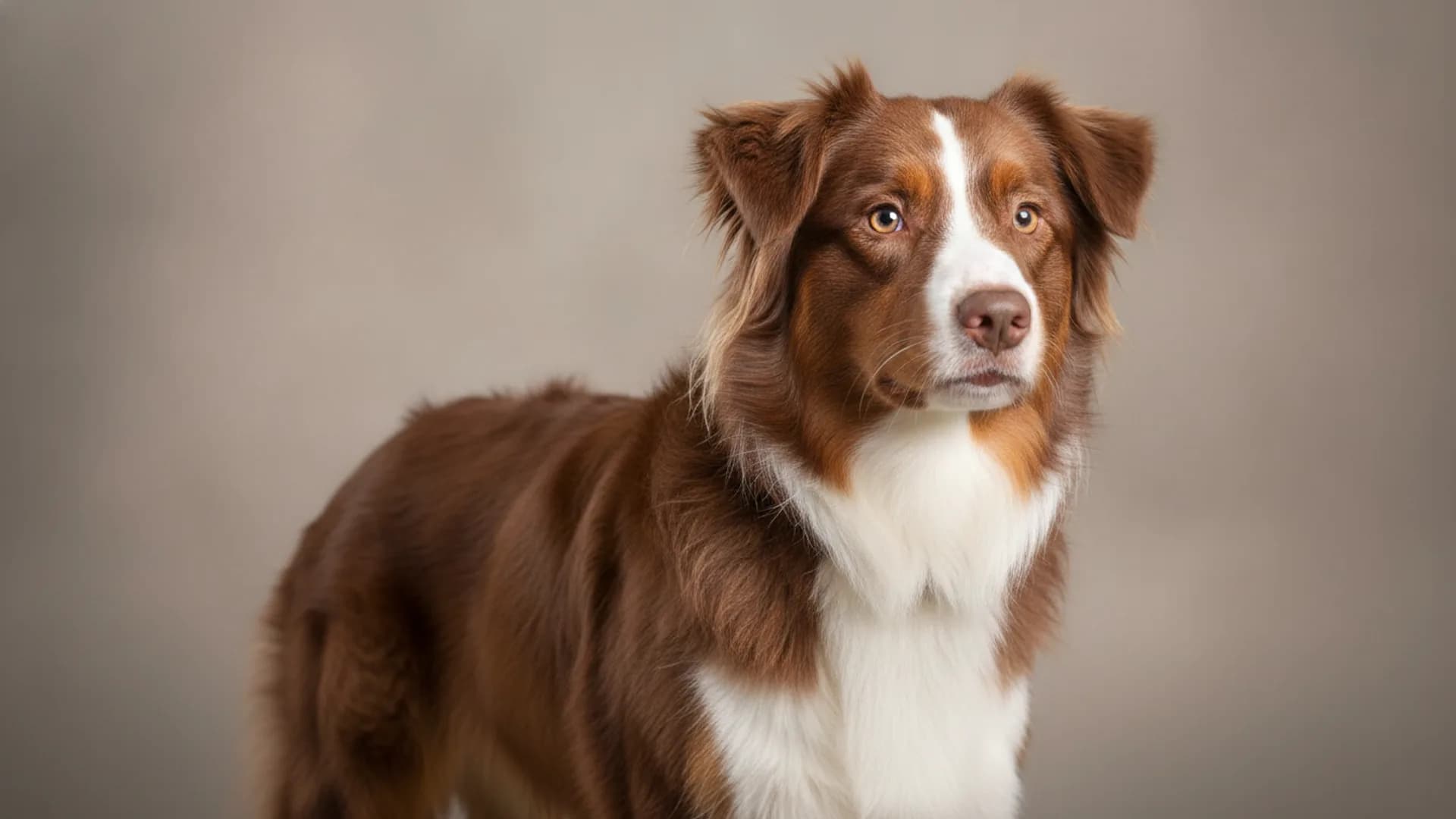
| Australian Shepherd | Large | 15.9–31.8 kg | 50.8–58.4 cm | 12–15 yr | Long |
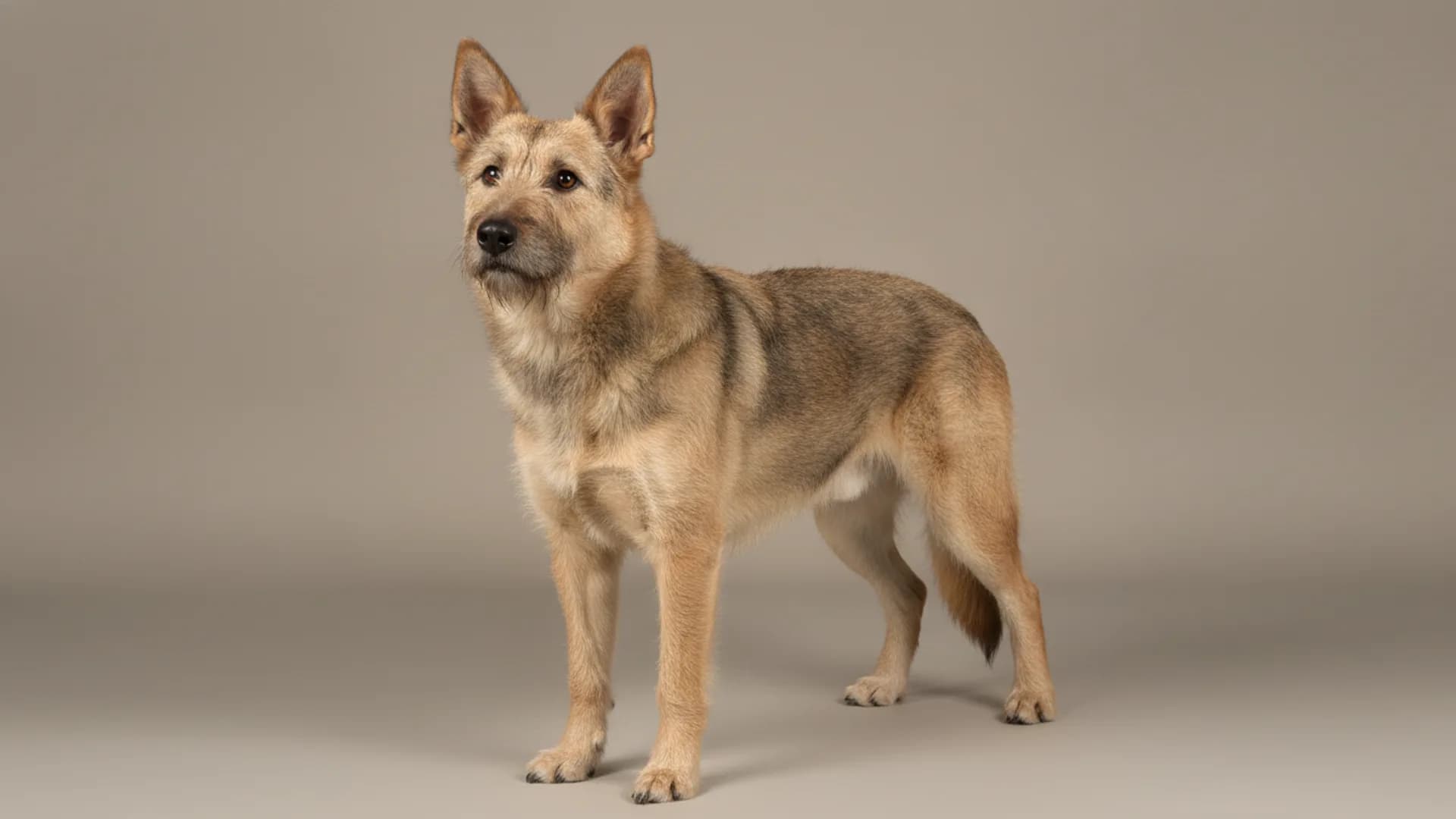
| Picardy Shepherd | Large | 23.1–32.2 kg | 61–66 cm | — | — |