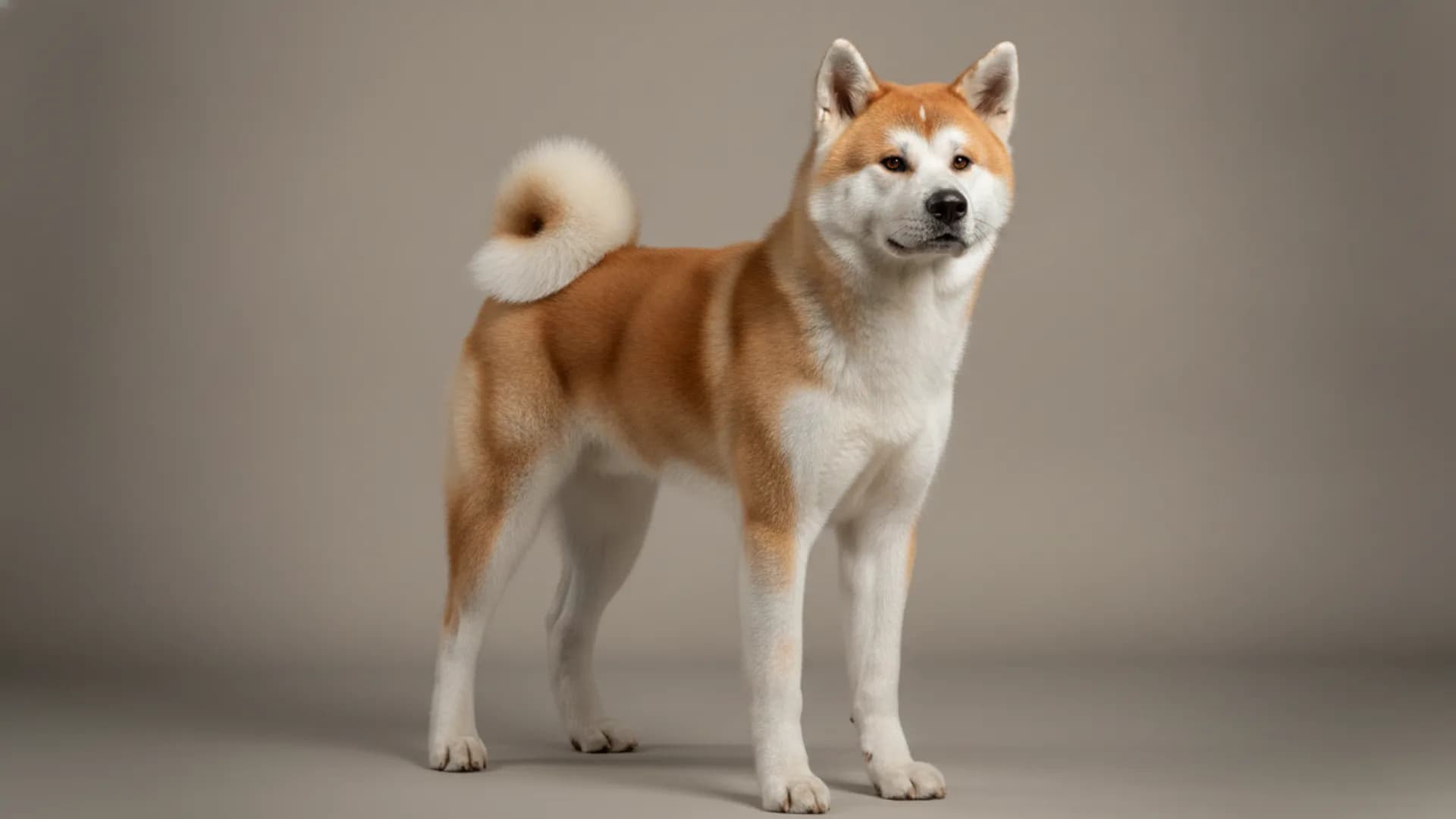
Akita
The Akita is a large Japanese breed — a powerful spitz from the northern mountains, and a designated natural monument in its own country. It is a silent, self-possessed dog whose loyalty has become a national legend.
History
The breed comes from the mountains of northern Japan, where hunters' dogs of this kind tracked bear, boar and deer. Its direct ancestor was the guard and fighting dog of the Odate area, and in the late Meiji period a craze for dog fighting brought crosses with the Tosa and other breeds that almost erased the pure type. Japan declared the Akita a natural monument in 1931, the year it took its present name.
The Second World War was a second crisis: a wartime order condemned dogs with no military use, and some owners crossed their Akitas with German Shepherds, the one approved military breed, to save them. Helen Keller, who visited Japan in 1937, was given the first two Akitas to enter the United States, and servicemen of the occupation took more home after the war. The lines then diverged. Japan bred back to a lighter, fox-faced dog, while American breeders kept a heavier, bear-headed one, and many registries now treat the Japanese Akita Inu and the American Akita as separate breeds.
Temperament
An Akita gives its devotion to its own family and has little to spare for anyone else. With visitors it is aloof and watchful, neither friendly nor, in a well-bred dog, hostile without reason. It is calm and dignified in the house and tends to follow its people quietly from room to room.
It does not suffer other dogs gladly. Intolerance of dogs of the same sex is typical, and many Akitas are best kept as the only dog. It is protective of children it lives with, but it has no patience for teasing and may misread rough play between children as a threat. It shows its feelings subtly, and gives little warning before it acts.
Living with the breed
The house stays quiet, because an Akita barks only when it has a reason, and owners learn to take notice when it does. It is fastidious, grooming itself rather as a cat does, and is usually simple to house-train. Many like to carry things about in their mouths or take a person gently by the wrist to lead them somewhere.
Outside, it needs to be on a lead or behind a solid fence, both for the sake of other people's dogs and because it will hunt. Snow delights it; heat does not. Twice a year the undercoat is shed in tufts that come away in the hand, and for those few weeks the dog looks moth-eaten and the floor needs daily sweeping.
Care and training
Exercise needs are moderate for a dog of this size: a long, steady walk or two each day keeps an adult content, and it is not a breed that demands hours of running. What it needs more is early and continuing socialisation, so that a puppy meets a wide variety of people, places and well-behaved dogs before its natural reserve sets in.
Training rests on respect and consistency. An Akita does not respond to being shouted at or pushed around, and it does not work for praise alone; it cooperates with a calm handler whose rules do not change. Drilling bores it. Outside the moult the coat needs a brush once or twice a week.
Health
Akitas are prone to several autoimmune diseases, in which the body's defences attack its own tissue. These include an autoimmune form of hypothyroidism, an underactive thyroid, sebaceous adenitis, which destroys the oil glands of the skin and causes scaling and hair loss, and a uveodermatologic syndrome that attacks the eyes and the skin.
Hip dysplasia is screened for by scoring the parents' hips, and progressive retinal atrophy, a slow loss of sight, by eye examination. As a deep-chested breed it is also at risk of bloat, a sudden twisting of the stomach that is an emergency.
Who it suits
It suits a settled, experienced owner who wants one devoted, undemanding dog and is prepared to manage it carefully in public for life. It is the wrong breed for a first-time owner, for a household with other dogs or a stream of visiting children, and for anyone who wants a dog to romp with others in the park.
Questions
Are Akitas dangerous?
Not inherently, but this is a large, strong guarding breed that needs knowledgeable handling. A well-bred, well-socialised Akita is steady and discriminating with people. The real and common problem is aggression towards other dogs, which owners have to plan around throughout the dog's life.
What is the difference between a Japanese and an American Akita?
They share an origin but were bred apart after the war. The Japanese dog is lighter with a fox-like head and comes in red, sesame, brindle or white; the American is heavier, bear-headed and found in many colours, often with a black mask. Some kennel clubs register them as two breeds.
Who was Hachiko?
Hachiko was an Akita who met his owner, a Tokyo professor, at Shibuya station each evening. After the professor died in 1925 the dog kept returning to wait for him for the remaining nine years or so of his own life. A bronze statue stands at the station.
Are Akitas good with children?
With the children of its own family, usually, if both have been raised to respect each other. It is less reliable with visiting children and dislikes being climbed on or teased. Because of its size and seriousness, young children should always be supervised around one.
Can an Akita live with another dog?
Sometimes, most successfully with a single dog of the opposite sex introduced while the Akita is young. Two of the same sex frequently fall out on reaching maturity, and the fights are serious.
Characteristics
- Origin
- Japan
- Size
- Giant
- Weight
- 32–59 kg
- Height
- 61–71 cm
- Lifespan
- 10–13 yr
- Group
- Working
Traits
- Affection
- Energy
- Intelligence
- Shedding
- Grooming
- Good with kids
Travelling abroad
Countries where this breed is restricted or banned:
- Ireland — Restricted
Similar breeds
Dogs with a comparable size, coat and temperament.
| Breeds | Size | Weight | Height | Lifespan | Coat |
|---|---|---|---|---|---|
| Akita | Giant | 32–59 kg | 61–71 cm | 10–13 yr | — |
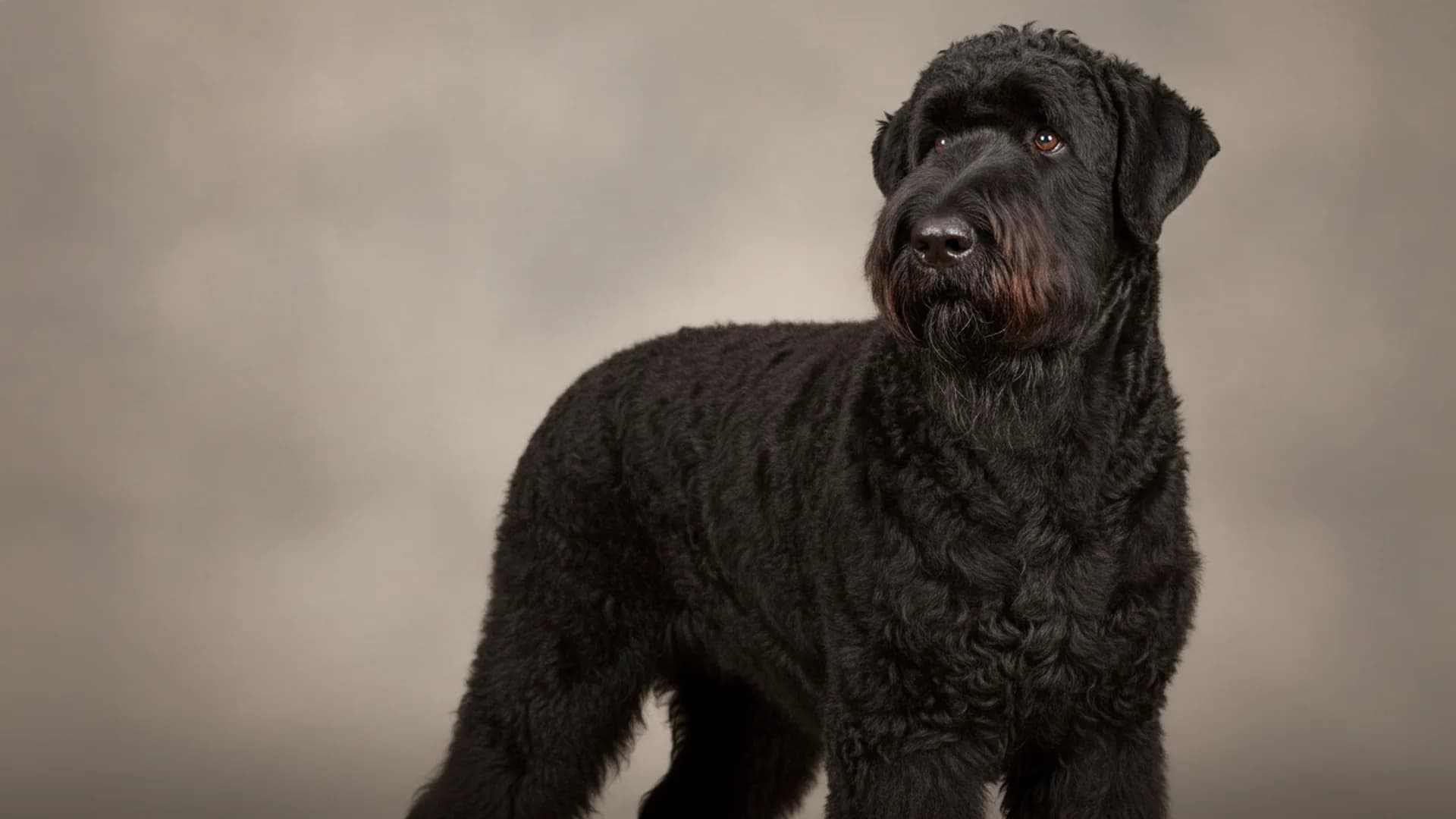
| Black Russian Terrier | Giant | 36–59 kg | 66–76 cm | 10–12 yr | — |
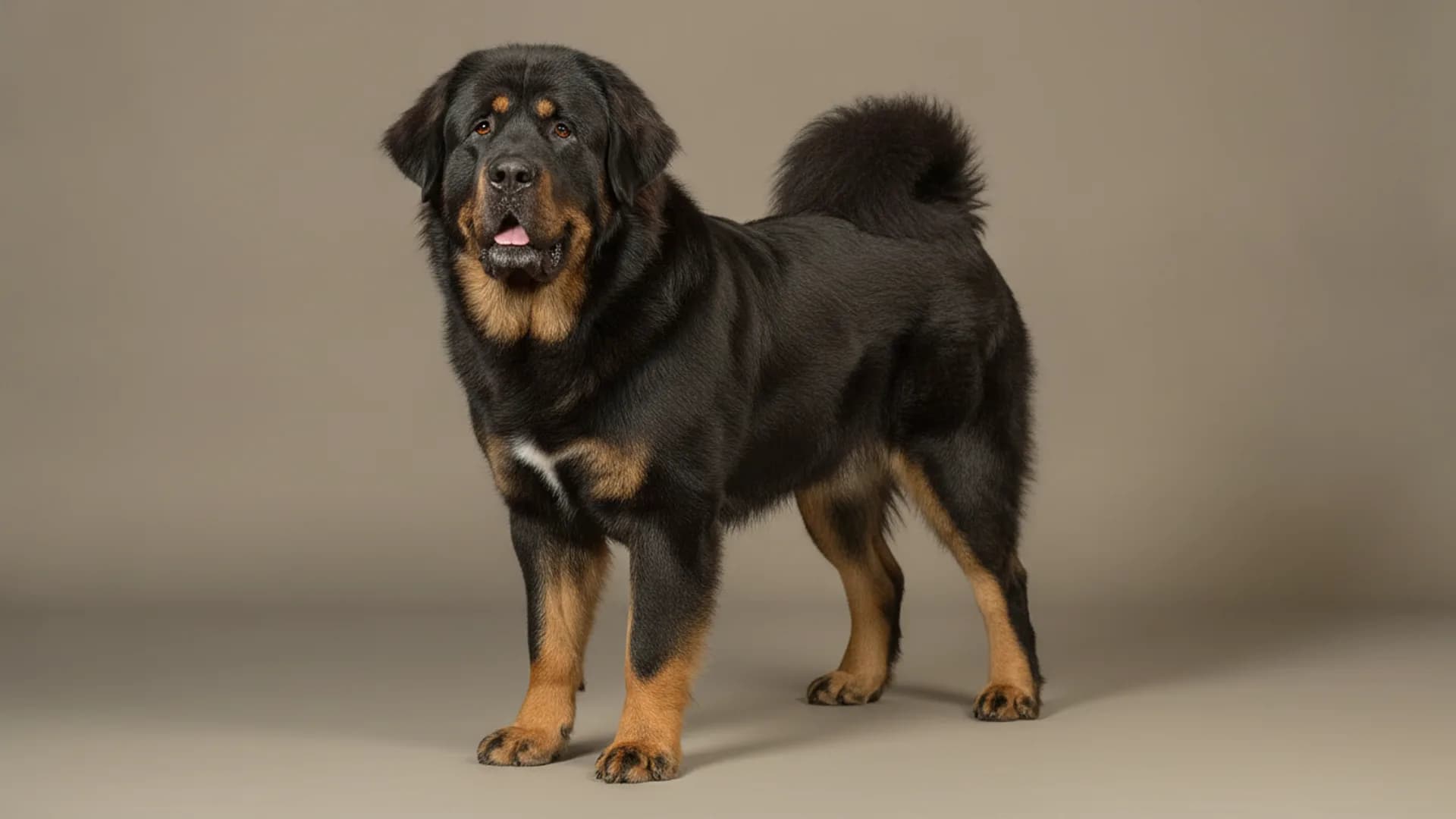
| Tibetan Mastiff | Giant | 34–73 kg | 61–74 cm | 10–12 yr | — |
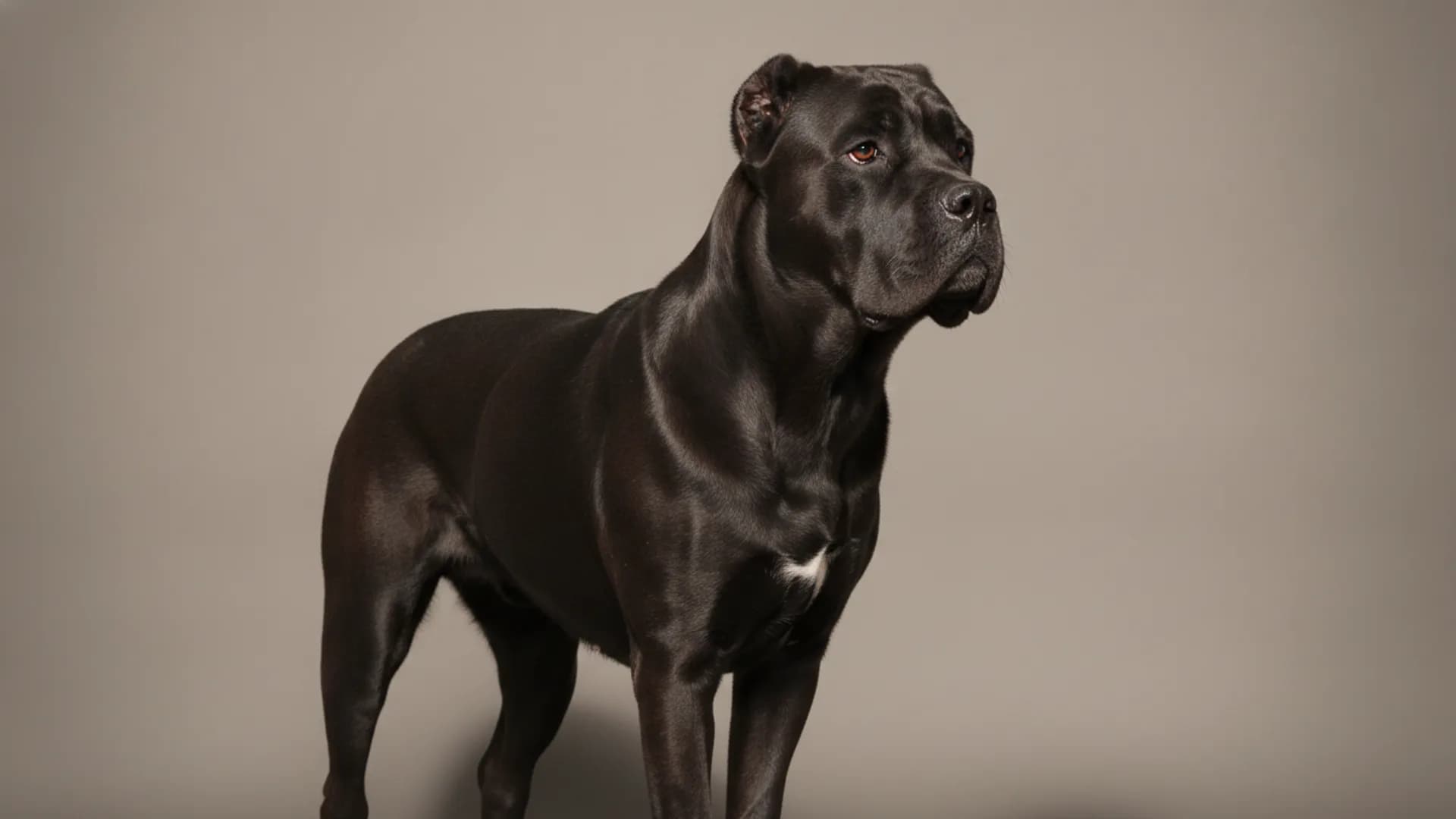
| Cane Corso | Giant | 45–50 kg | 62–70 cm | 9–12 yr | Short |
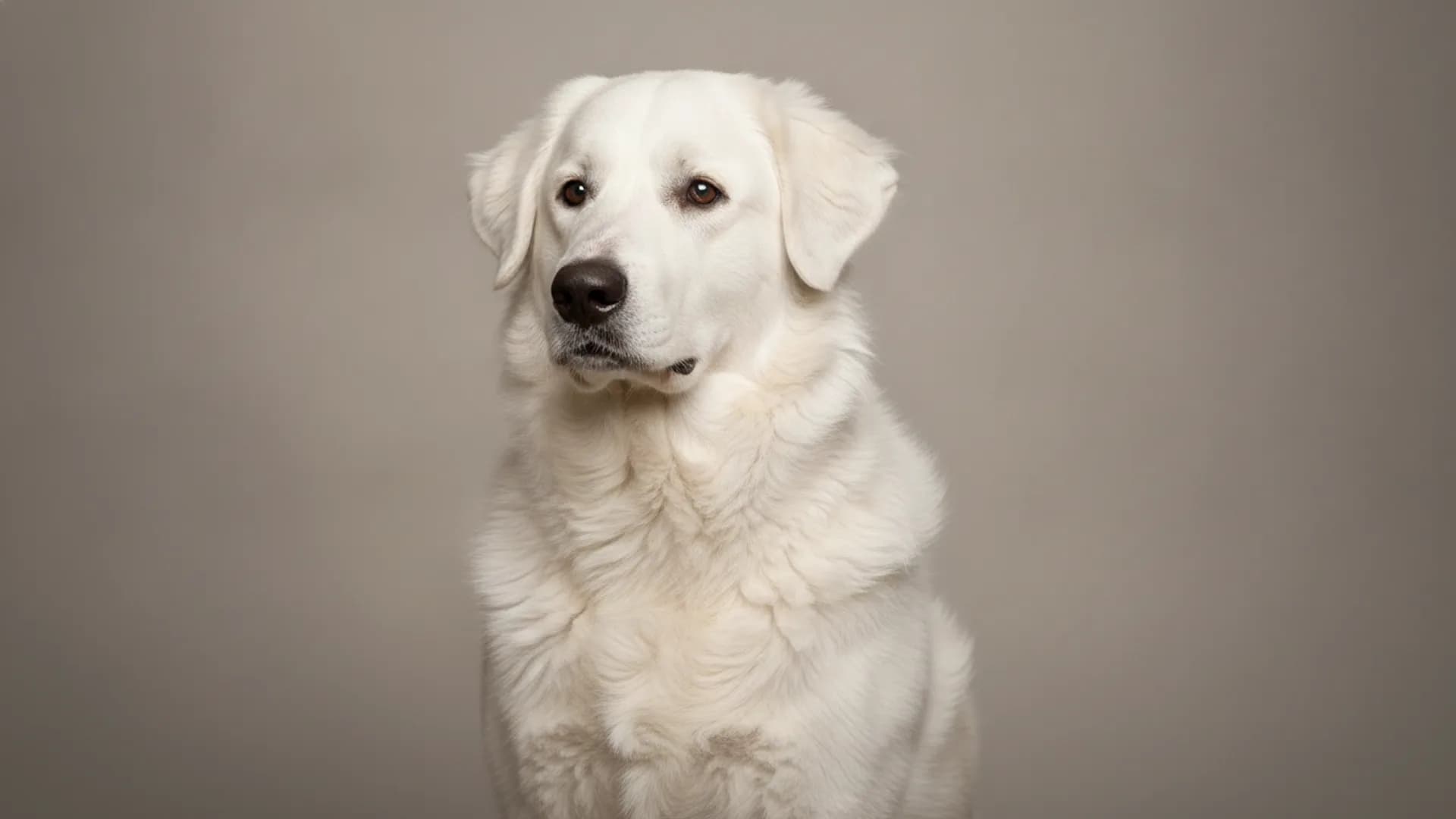
| Kuvasz | Giant | 32–52 kg | 66–76 cm | 10–12 yr | — |