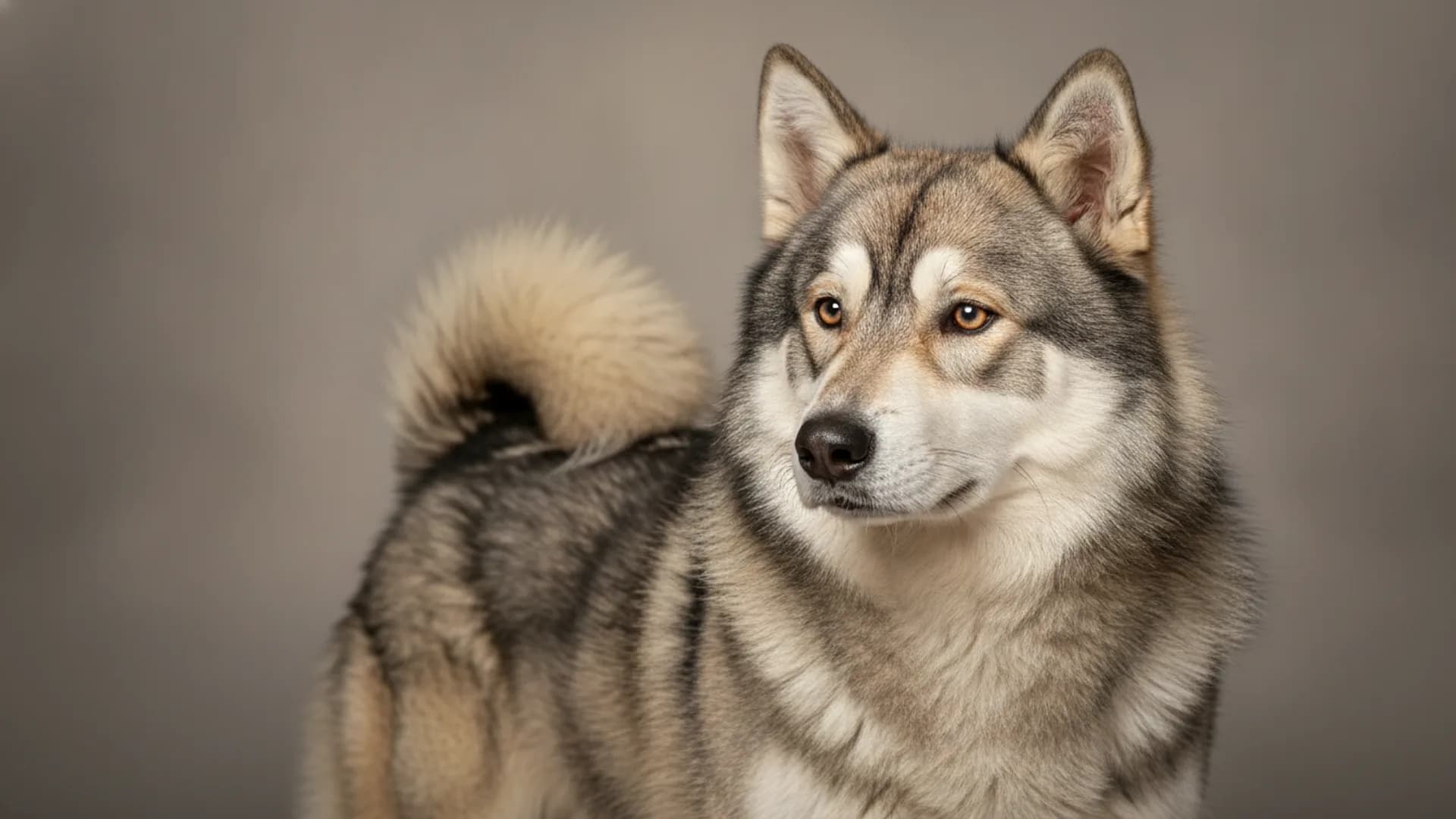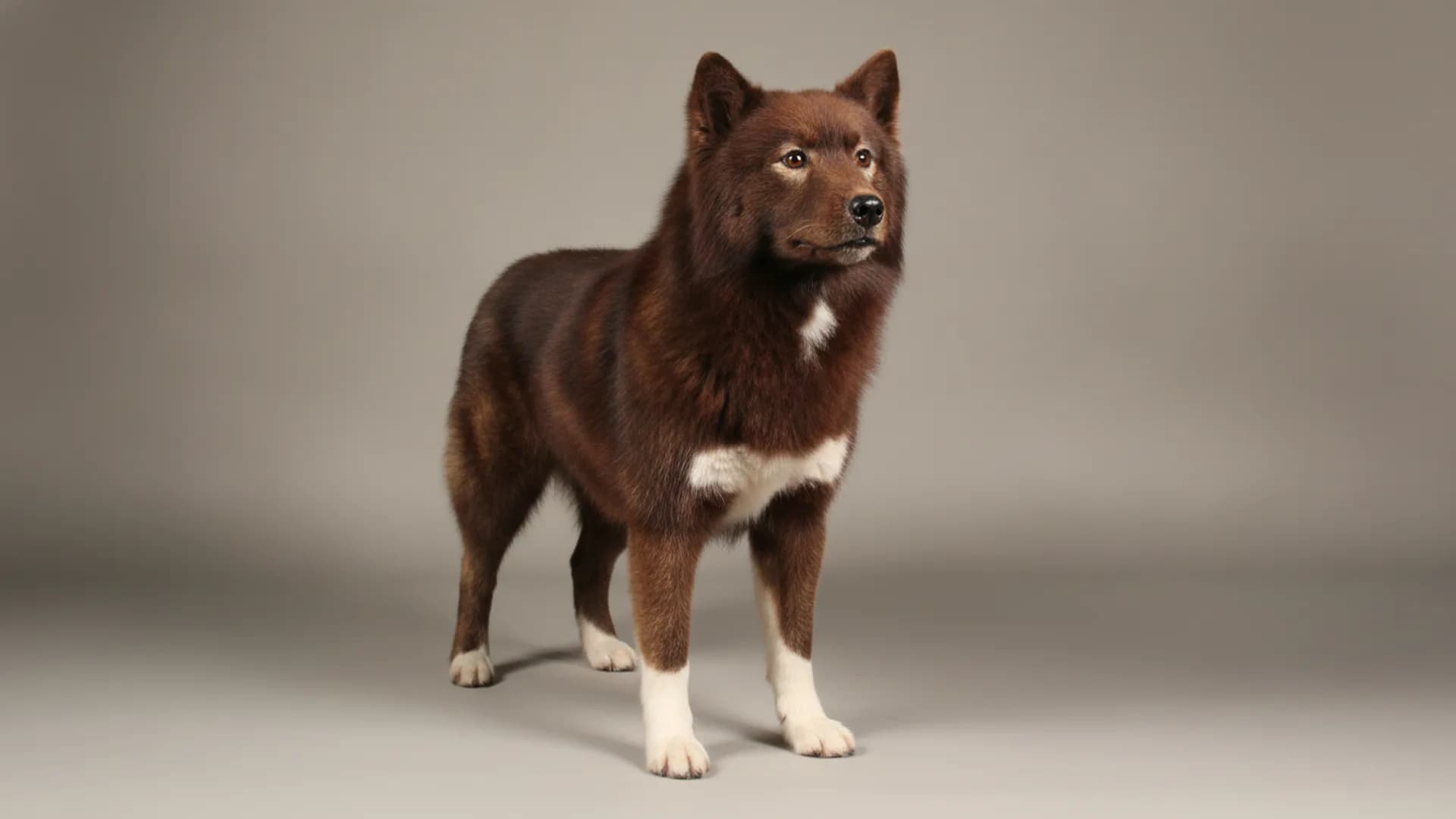
Sakhalin Husky
The Sakhalin Husky is a Japanese and Russian sled dog now down to a handful of animals, and it is remembered for a 1958 Antarctic expedition.
History
It was bred by the Nivkh people of Sakhalin and used by the Japanese army and by Antarctic expeditions. In 1958 a Japanese team was evacuated in an emergency and fifteen dogs were left chained at the base; when a party returned a year later, two — Taro and Jiro — were alive. The story became a national one in Japan. The breed itself has not fared as well: numbers are now reported in single figures.
Temperament
Accounts describe a hardy, powerful and independent sled dog, bonded to its driver and self-reliant in the way Arctic working dogs are.
Care and training
It would need an enormous amount of exercise, real pulling work and serious containment. In practice almost nobody will encounter one.
Health
Generally hardy from severe working selection; a population this small carries the inbreeding burden that implies. These are patterns for the breed rather than a forecast for one dog; the measured facts are in the panel.
Merkmale
- Herkunft
- Russia
- Größe
- Groß
- Gewicht
- 25–40 kg
- Höhe
- 51–66 cm
- Lebenserwartung
- 12–15 yr
- Gruppe
- Arbeitshunde
Ähnliche Rassen
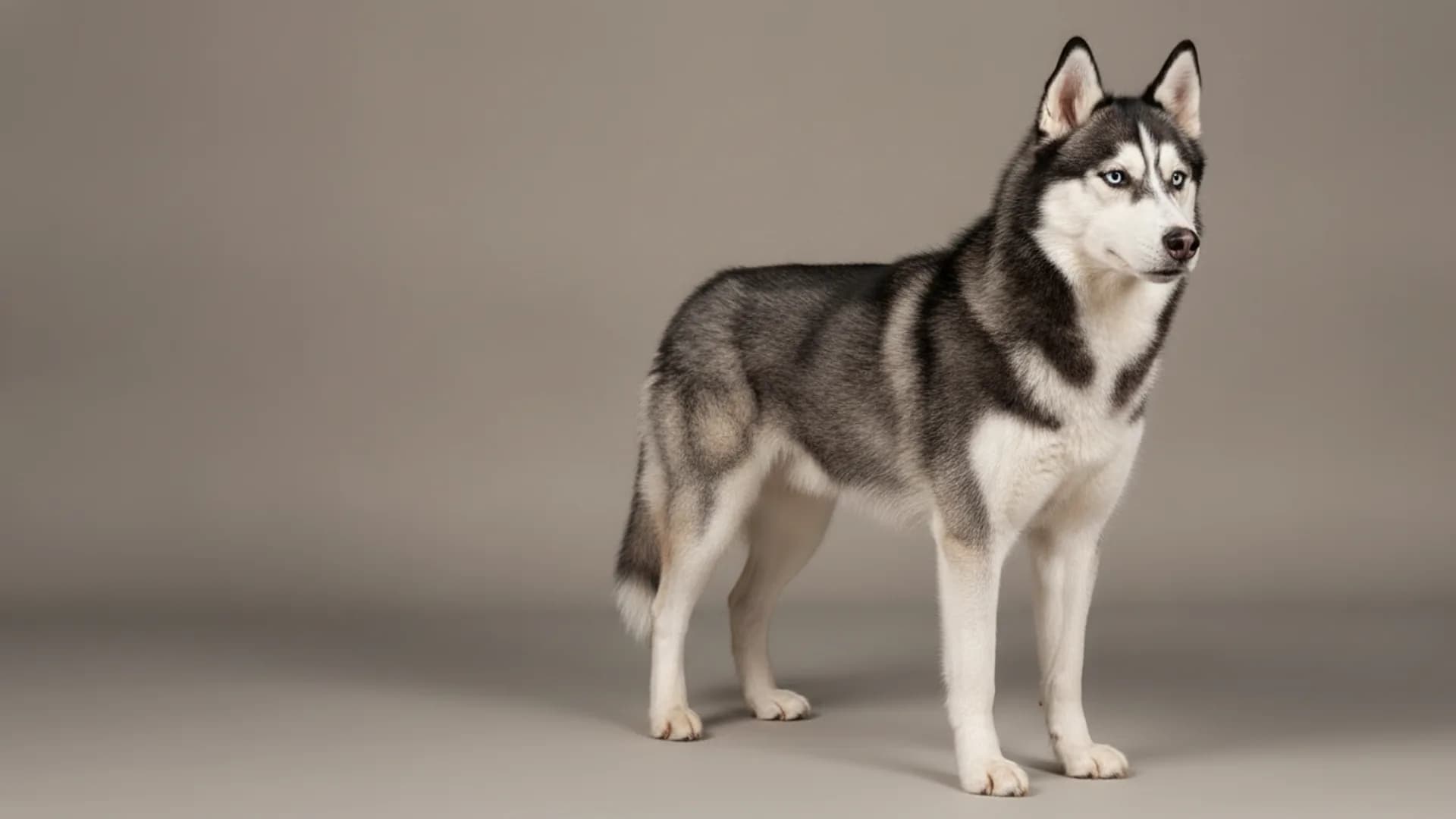
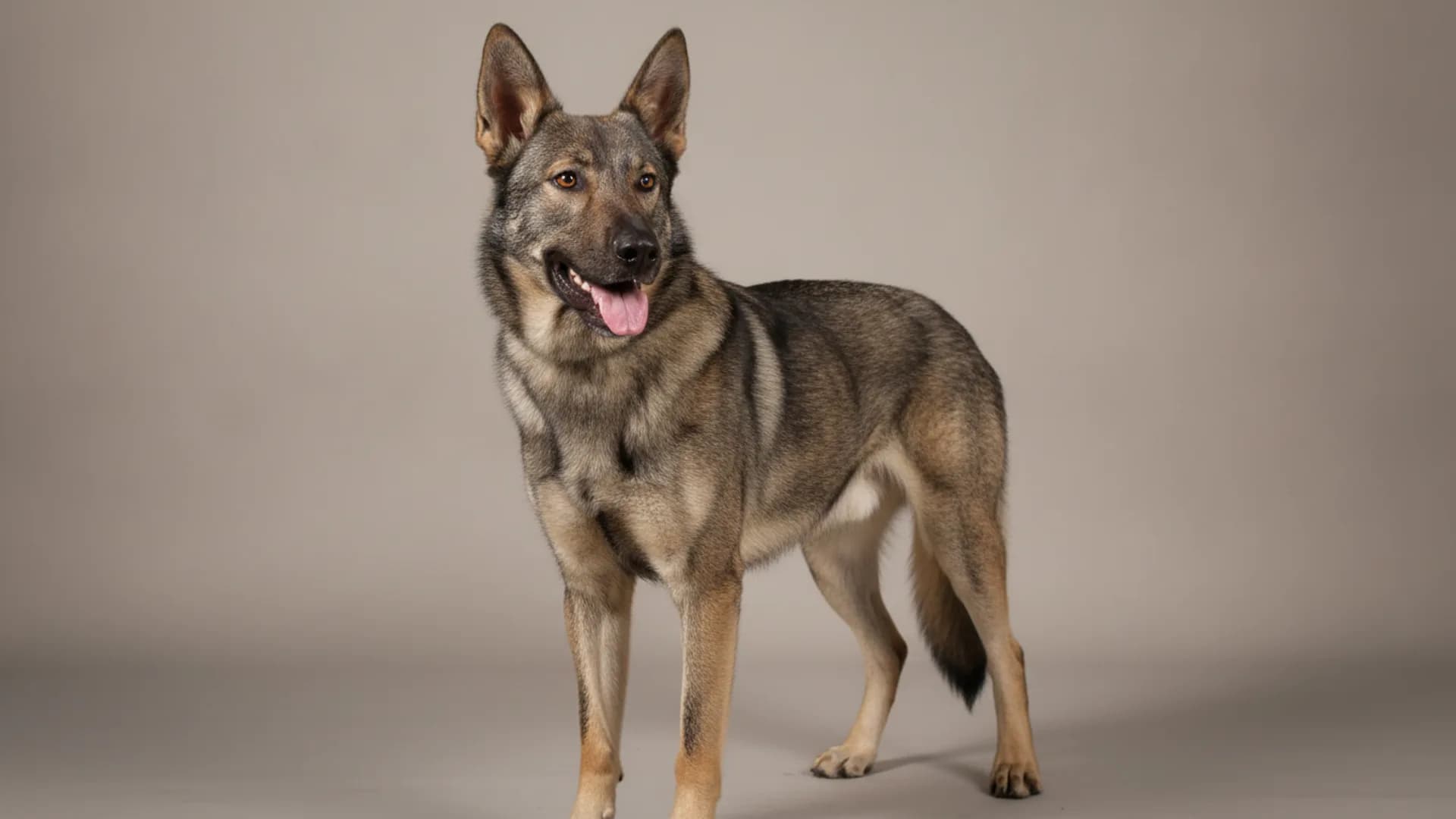
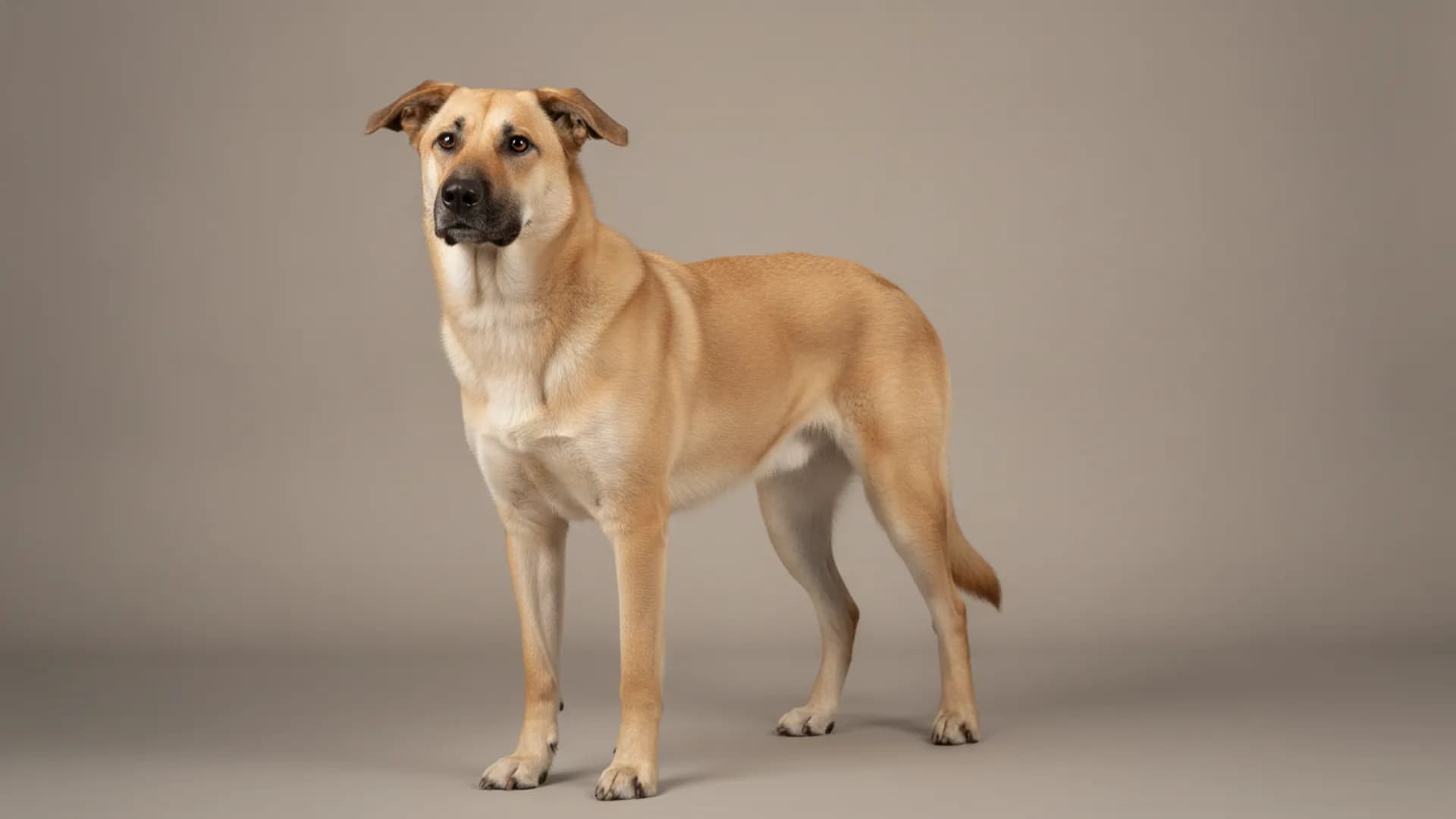
Hunde mit vergleichbarer Größe, Fell und Wesen.